Loading subject page…

889 views

Video Summary: What Is Cardiomyopathy V Interprofessional Care
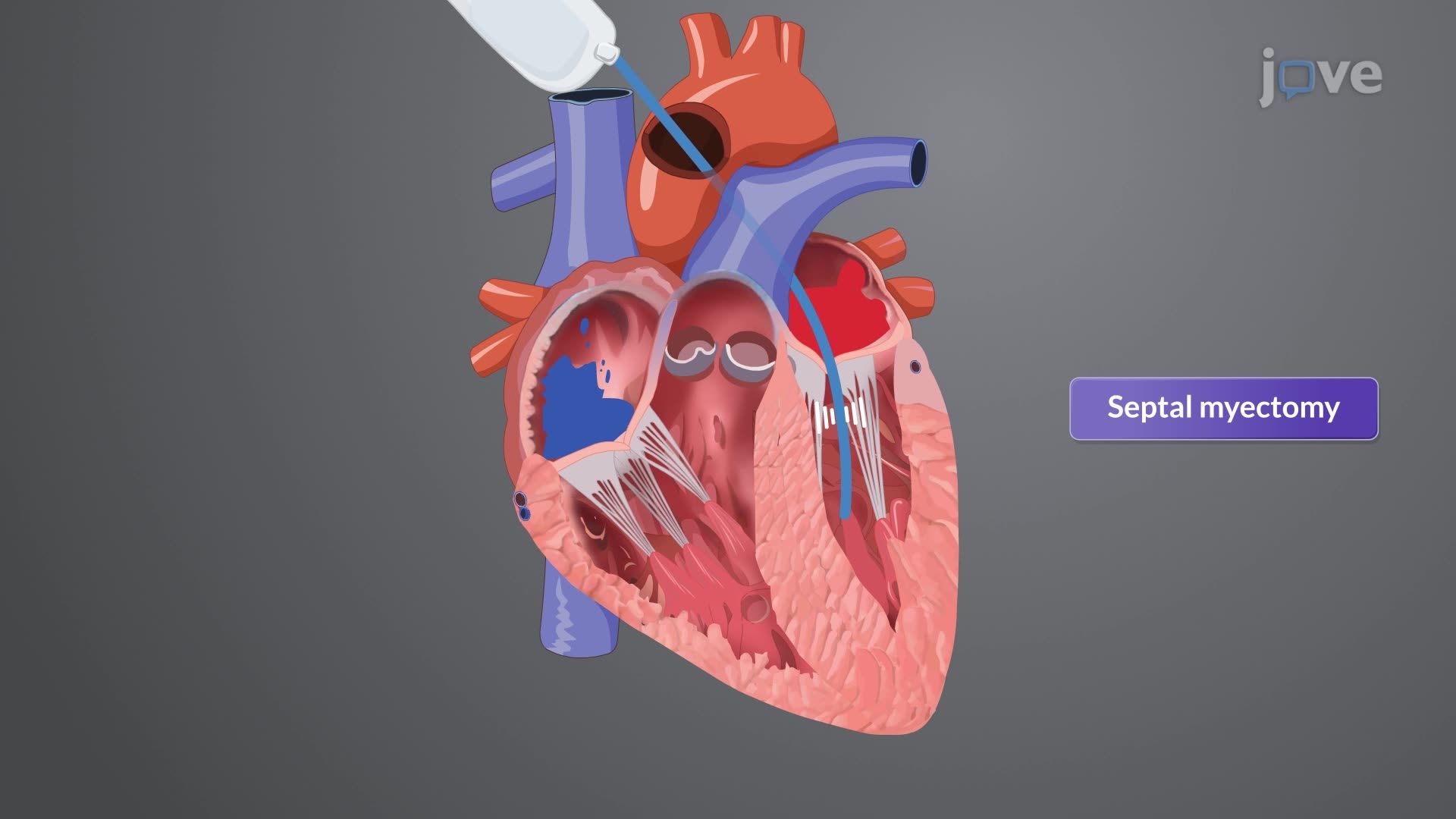
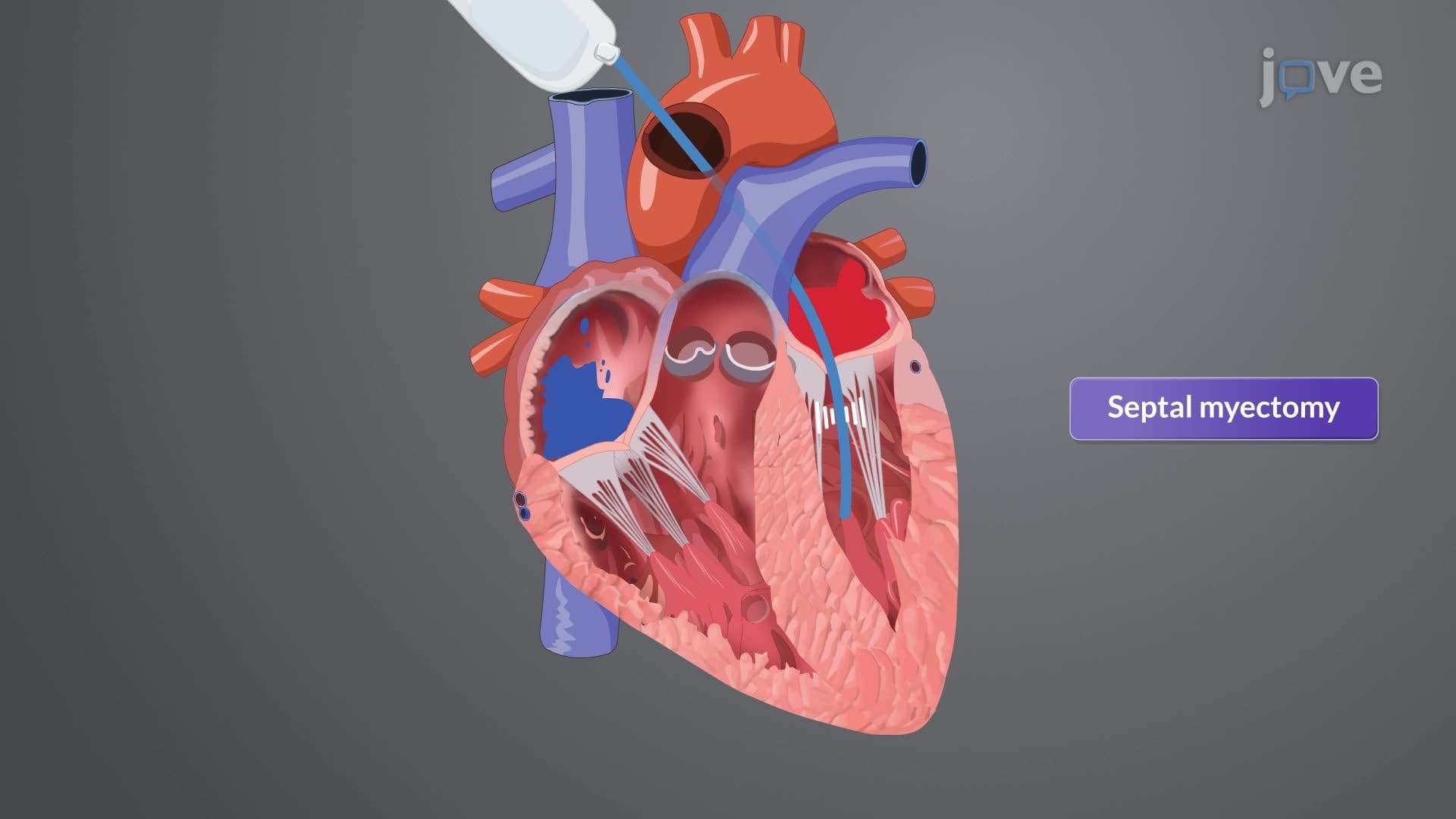
Did you know that cardiomyopathy affects over 5 million Americans, yet many don't understand how different healthcare professionals work together to treat this complex heart condition? Cardiomyopathy v interprofessional care involves a coordinated team approach where cardiologists, nurses, pharmacists, and other specialists collaborate to manage heart muscle diseases through medical treatments, lifestyle changes, and surgical interventions. For instance, at Mayo Clinic, interprofessional teams combine medication management with surgical expertise to treat patients with hypertrophic cardiomyopathy using procedures like septal myectomy. Watch the full video on JoVE Coach to master this concept with expert-led visuals and step-by-step explanations.
Cardiomyopathy v interprofessional care represents a comprehensive, team-based approach to managing heart muscle diseases that affect millions of Americans. Unlike traditional single-provider care, this model integrates expertise from cardiologists, cardiac surgeons, nurses, pharmacists, dietitians, and rehabilitation specialists to address the complex, multifaceted nature of cardiomyopathy. This collaborative framework has become the gold standard at leading US medical centers like Cleveland Clinic and Johns Hopkins, where patient outcomes consistently improve through coordinated care strategies.
The interprofessional approach to cardiomyopathy begins with medical management that requires careful coordination between multiple specialists. Cardiologists typically prescribe ACE inhibitors to reduce afterload, while clinical pharmacists monitor drug interactions and optimize dosing. Beta-blockers and aldosterone antagonists work synergistically to control neurohormonal activity, with cardiac nurses providing patient education about medication adherence and side effect monitoring. Diuretics help reduce preload and alleviate symptoms, but require careful monitoring by the entire care team to prevent electrolyte imbalances. This collaborative medication management is particularly crucial for students preparing for the MCAT or nursing entrance exams like NCLEX, as it demonstrates how theoretical pharmacology translates into real-world patient care.
When medical management proves insufficient, the interprofessional team transitions to surgical interventions that require seamless coordination between multiple specialists. For hypertrophic cardiomyopathy, cardiac surgeons may perform septal myectomy while anesthesiologists, perfusionists, and cardiac nurses ensure optimal perioperative care. Alternatively, interventional cardiologists might choose alcohol septal ablation for high-risk surgical candidates, working closely with cardiac catheterization lab teams. At institutions like Texas Heart Institute, these procedures exemplify how interprofessional collaboration enhances patient safety and outcomes through specialized expertise integration.
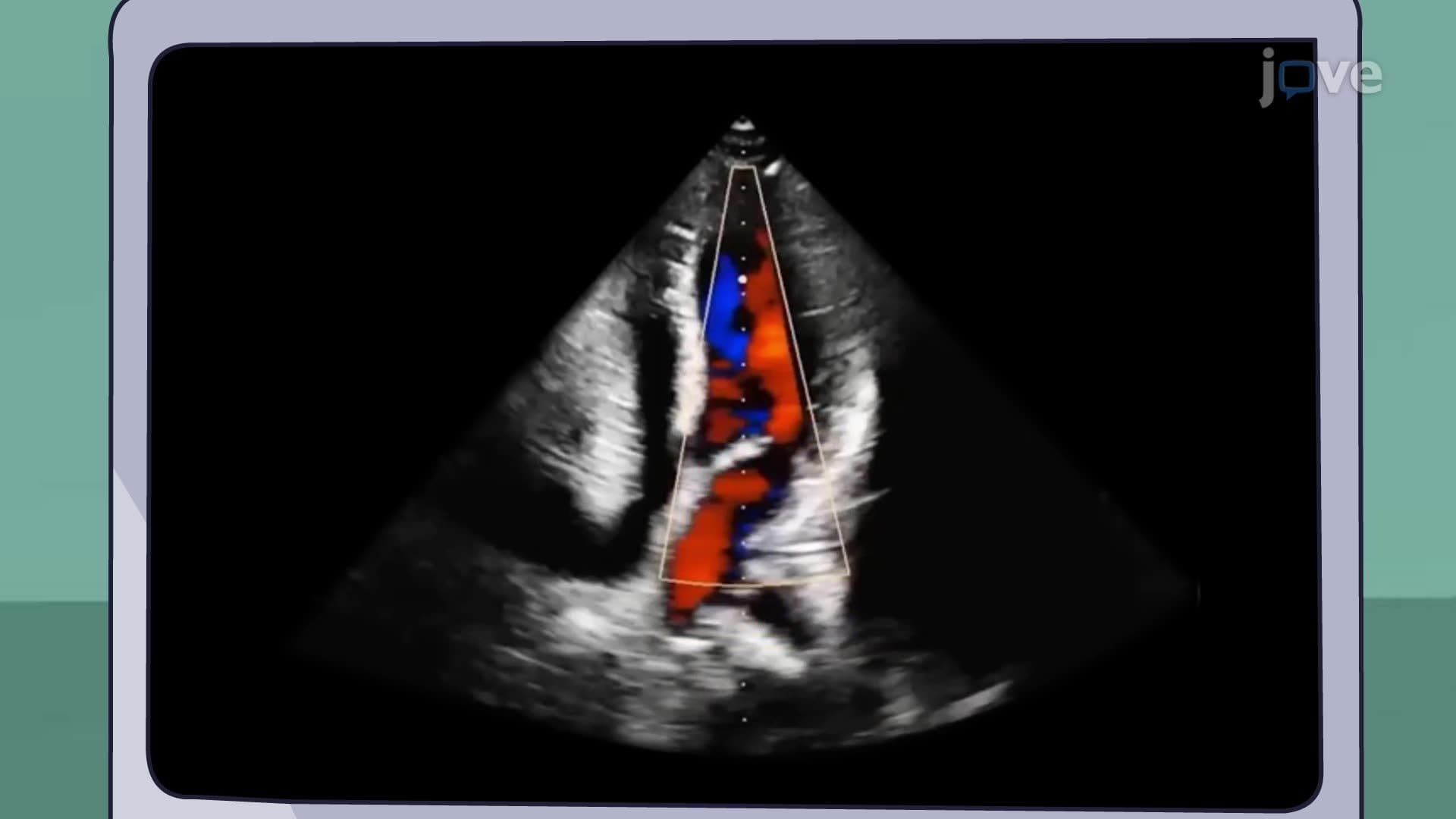
End-stage cardiomyopathy cases demonstrate the full scope of interprofessional care, particularly in dilated cardiomyopathy management. When patients develop secondary mitral regurgitation, cardiac surgeons collaborate with echocardiography technologists and cardiac anesthesiologists to perform valve repair or replacement procedures. For patients progressing to heart failure, the team expands to include transplant coordinators, social workers, and rehabilitation specialists who evaluate candidacy for ventricular assist devices or cardiac transplantation. This comprehensive approach appears frequently in AP Biology and college-level physiology courses, illustrating how complex medical conditions require integrated healthcare delivery systems that extend far beyond individual provider expertise.
Related Micro-courses