Loading video…

 7 Concepts
 889 views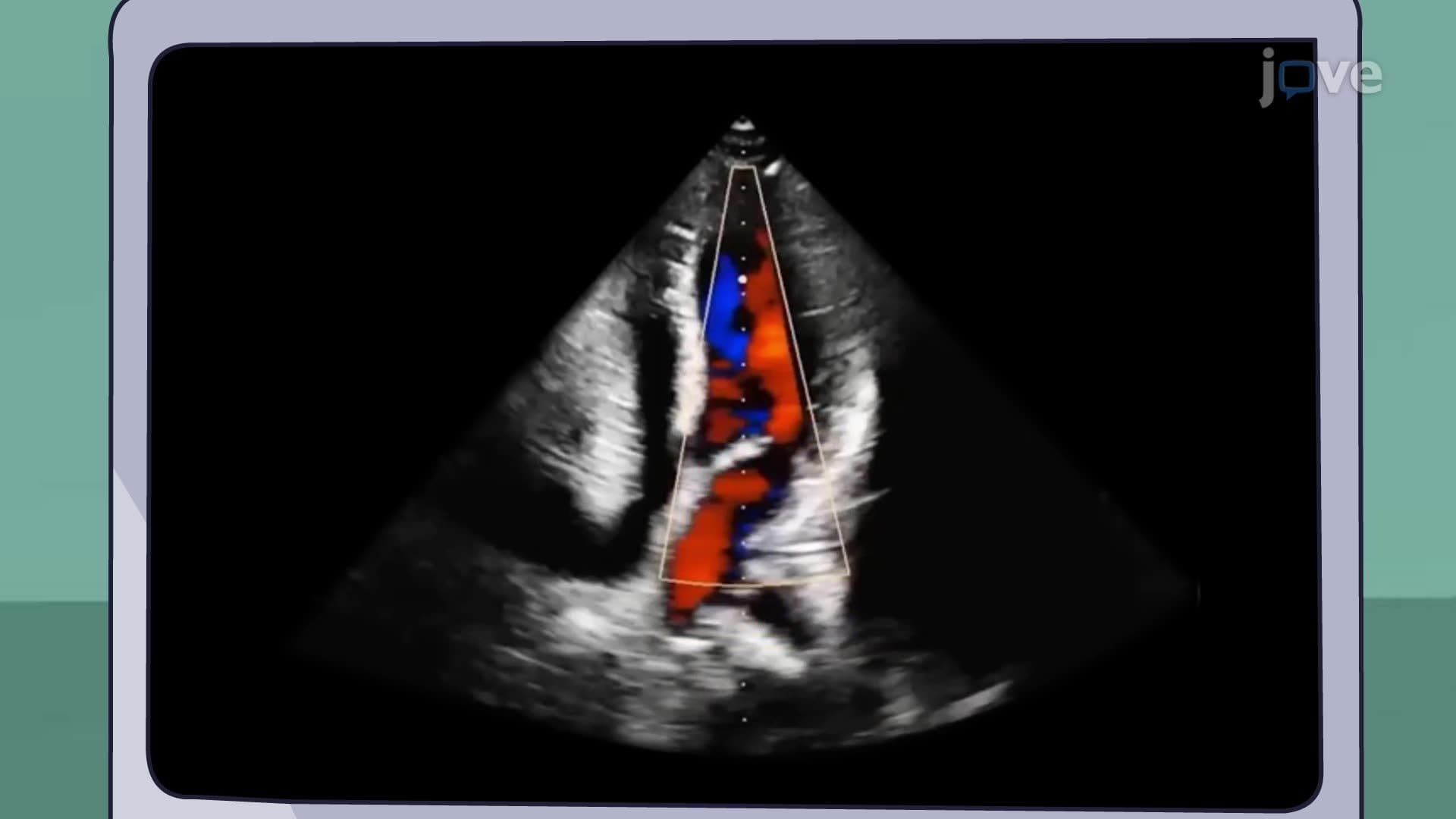

Video Summary: What Is Cardiomyopathy Vi Nursing Management
Every year, over 600,000 Americans are diagnosed with heart failure, with cardiomyopathy being a leading cause. Cardiomyopathy VI nursing management involves a systematic approach to caring for patients with weakened heart muscle, requiring specialized assessment techniques, diagnostic interpretation, and evidence-based interventions. For instance, nurses at the Cleveland Clinic use specific positioning strategies and monitoring protocols to optimize cardiac function in cardiomyopathy patients. Understanding what is cardiomyopathy VI nursing management is essential for future healthcare professionals. Watch the full video on JoVE Coach to master this concept with expert-led visuals and step-by-step explanations.
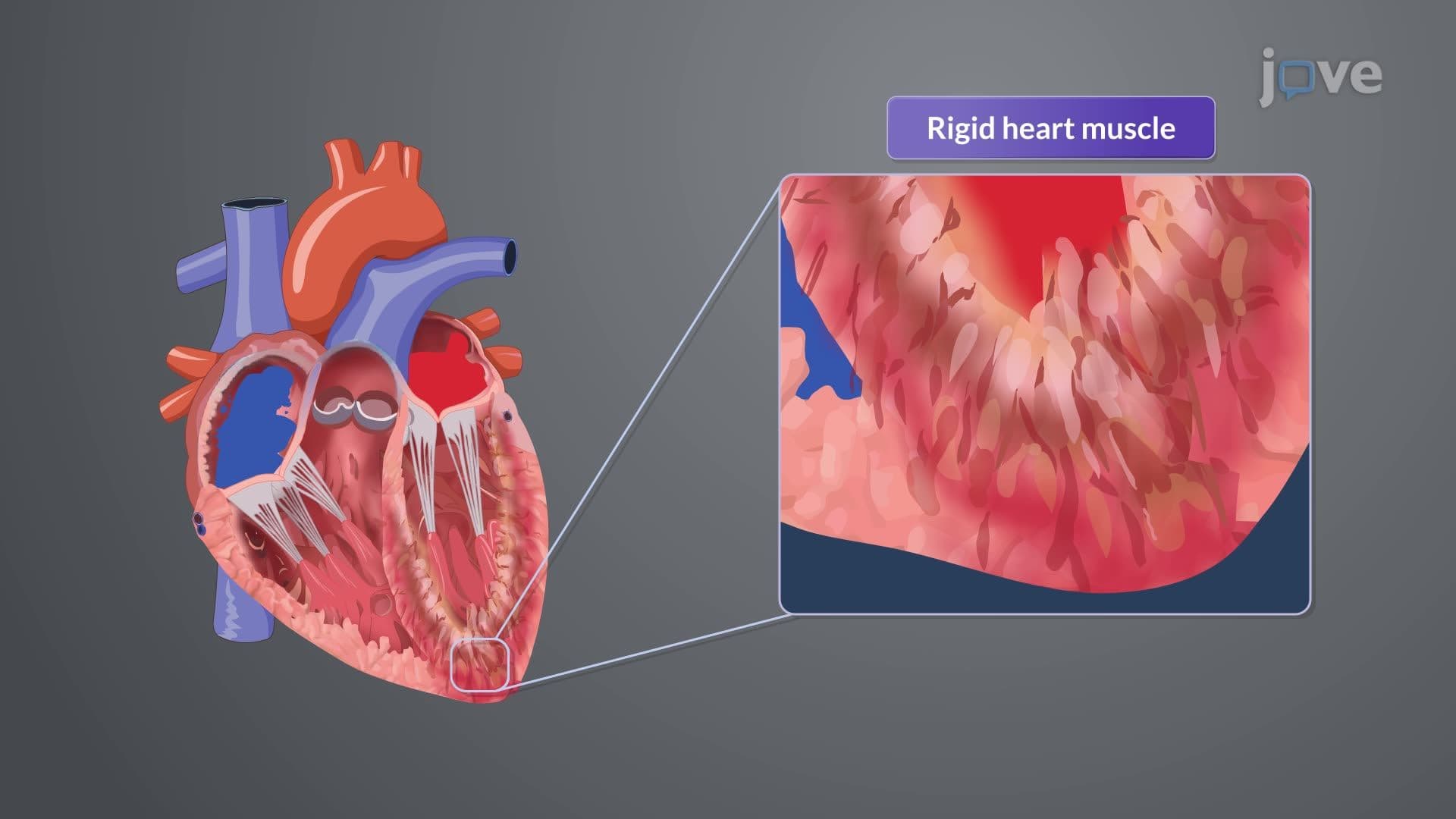
What is cardiomyopathy VI nursing management encompasses a comprehensive, evidence-based approach to caring for patients with cardiomyopathy, a condition where the heart muscle becomes weakened, thickened, or rigid. This systematic nursing process follows the five phases of nursing care: assessment, diagnosis, planning, implementation, and evaluation. In the United States, cardiomyopathy affects approximately 1 in 500 adults, making proficient nursing management crucial for improving patient outcomes and quality of life.
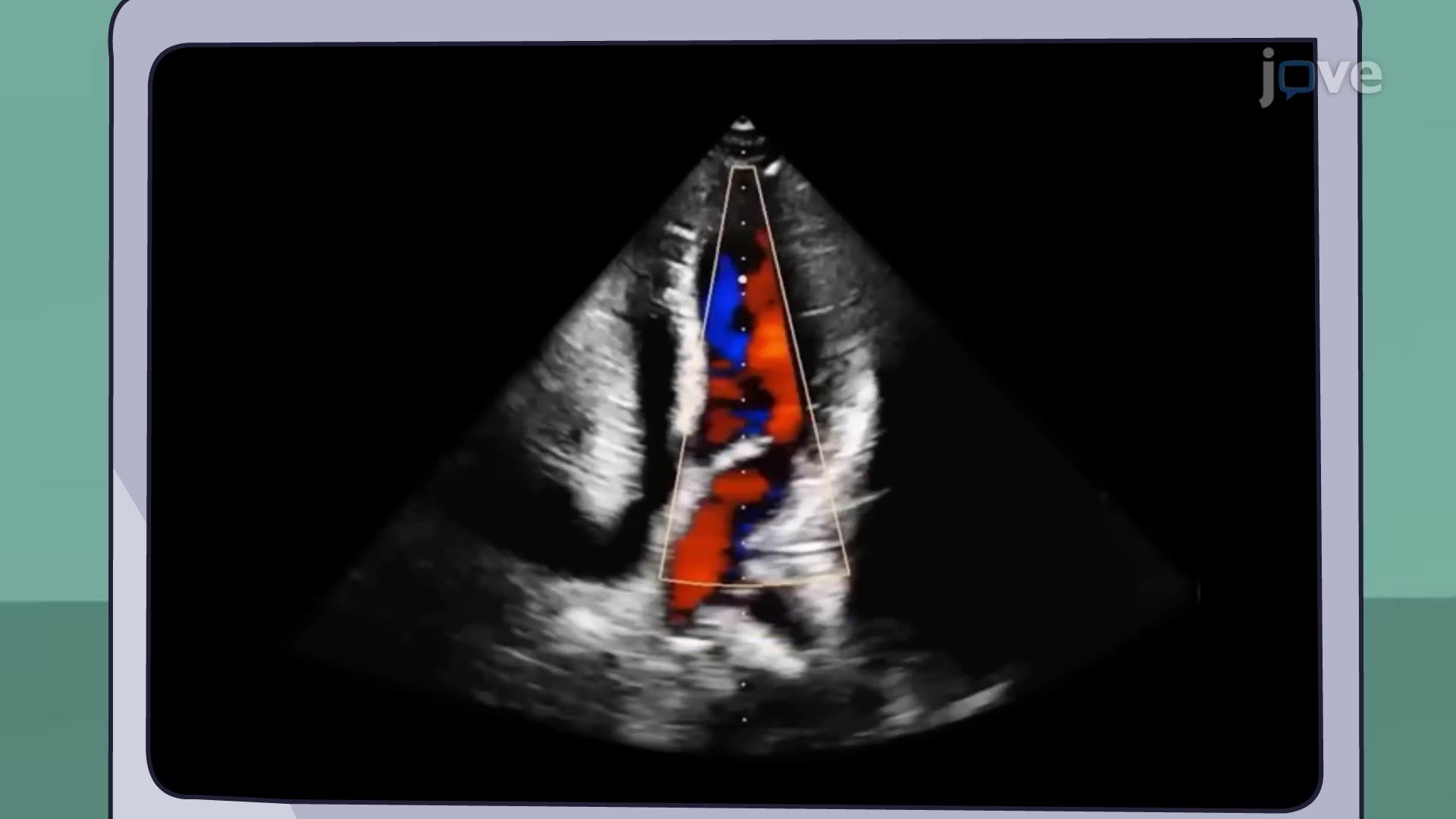
The cardiomyopathy VI nursing management concept begins with thorough patient assessment. Nurses must evaluate both subjective and objective data, including detailed family history since genetic factors contribute to 30-50% of cardiomyopathy cases. Physical assessment focuses on identifying signs of heart failure, such as jugular venous distention, peripheral edema, and abnormal heart sounds. Critical diagnostic tests include echocardiograms, which reveal ejection fraction percentages and structural abnormalities. For students preparing for the NCLEX-RN or nursing school exams, understanding normal ejection fraction (55-70%) versus reduced ejection fraction (<40%) is essential for interpreting patient status.
The cardiomyopathy VI nursing management overview emphasizes specific interventions designed to optimize cardiac function and prevent complications. Semi-Fowler's positioning (30-45 degree elevation) reduces venous return and cardiac workload while improving respiratory mechanics. This positioning strategy is frequently tested on nursing exams and demonstrates the intersection of anatomy, physiology, and therapeutic interventions. Oxygen therapy maintains adequate tissue perfusion, while continuous monitoring allows for early detection of arrhythmias or hemodynamic changes.
Successful cardiomyopathy VI nursing basics include comprehensive patient education focusing on lifestyle modifications and medication adherence. Low-sodium diets (typically <2 grams daily) prevent fluid retention, a critical concept for students studying cardiovascular nursing. Daily weight monitoring helps detect early signs of fluid overload, with weight gains of 2-3 pounds in 24 hours warranting medical evaluation. For college students studying for the HESI A2 or TEAS exams, understanding the connection between sodium intake, fluid balance, and cardiac workload demonstrates advanced pathophysiology knowledge essential for nursing practice.
Related Micro-courses