Loading subject page…


5,442 views

Video Summary: What Is Flail Chest I
Every year, over 300,000 Americans suffer chest trauma in motor vehicle accidents, with flail chest i representing one of the most serious complications requiring immediate medical intervention. Flail chest i occurs when multiple adjacent ribs break in several places, creating a loose chest wall segment that moves opposite to normal breathing patterns. Picture a car crash victim whose steering wheel impact fractures four ribs in two places each-this creates the dangerous "flail segment" that compromises their ability to breathe effectively. Watch the full video on JoVE Coach to master this concept with expert-led visuals and step-by-step explanations.
Flail chest i represents a severe form of chest wall trauma that fundamentally disrupts normal respiratory mechanics. This condition develops when three or more consecutive ribs sustain fractures in at least two places, creating what physicians call a "flail segment"-a portion of the chest wall that becomes mechanically disconnected from the stable thoracic cage. Unlike isolated rib fractures that cause pain but maintain chest wall integrity, flail chest i creates a free-floating section of ribs that moves independently during breathing.
The terminology "flail chest i" typically refers to the introductory or foundational understanding of this condition, distinguishing it from more advanced discussions of surgical management or complex complications. For students preparing for the MCAT or nursing school entrance exams like the HESI A2, understanding this fundamental concept is crucial for trauma-related questions.
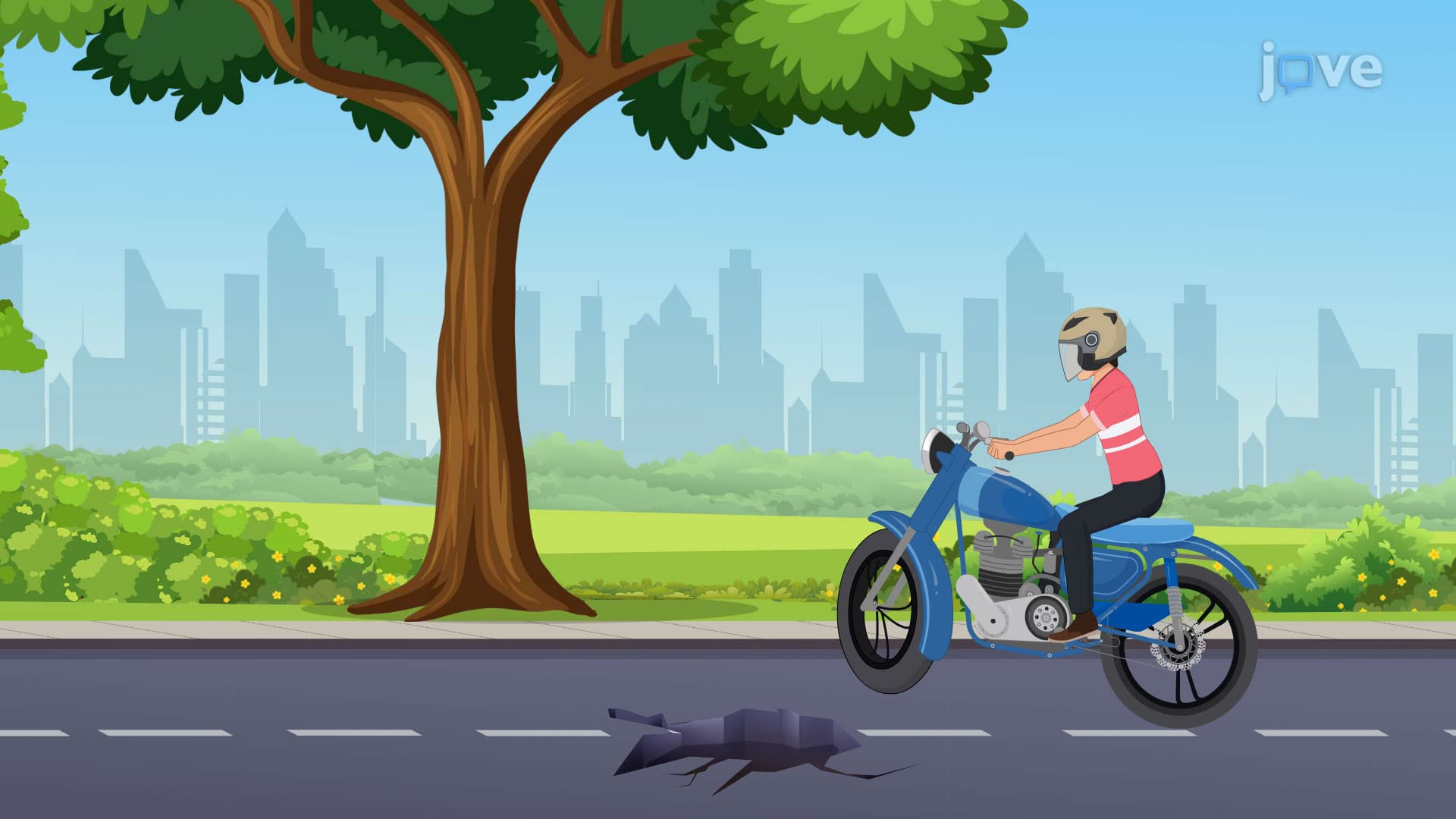
In the United States, motor vehicle accidents account for approximately 75% of flail chest cases, particularly when drivers or passengers impact the steering wheel or dashboard during frontal collisions. The tremendous force required to fracture multiple ribs in multiple places-estimated at over 2,000 pounds per square inch-explains why flail chest often accompanies other serious injuries.
Elderly Americans face increased risk due to age-related bone density changes. A 75-year-old with osteoporosis might develop flail chest from a relatively minor fall that wouldn't injure a younger person. Sports injuries, particularly in contact sports like football, and workplace accidents in construction or manufacturing also contribute to flail chest cases across American trauma centers.
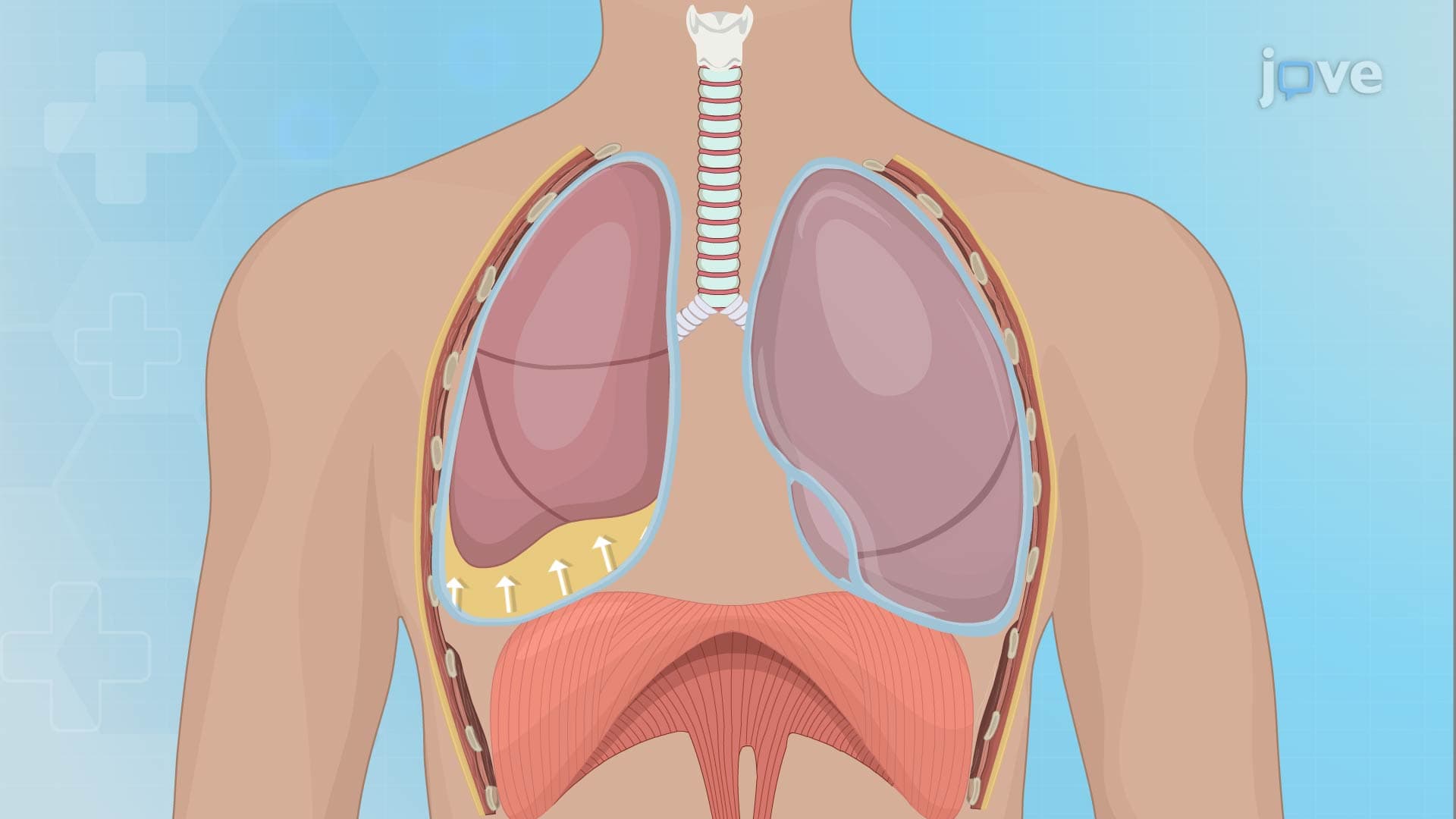
The hallmark of flail chest i is paradoxical movement-the flail segment moves inward during inspiration when it should move outward, and outward during expiration when it should move inward. This creates a mechanical disadvantage that severely impairs ventilation efficiency.
During normal inspiration, the diaphragm descends and chest wall expands, creating negative pressure that draws air into the lungs. With flail chest, the unstable segment gets "sucked in" by this negative pressure, reducing the effective expansion of the thoracic cavity. During expiration, positive pressure pushes the flail segment outward, again working against efficient air movement.
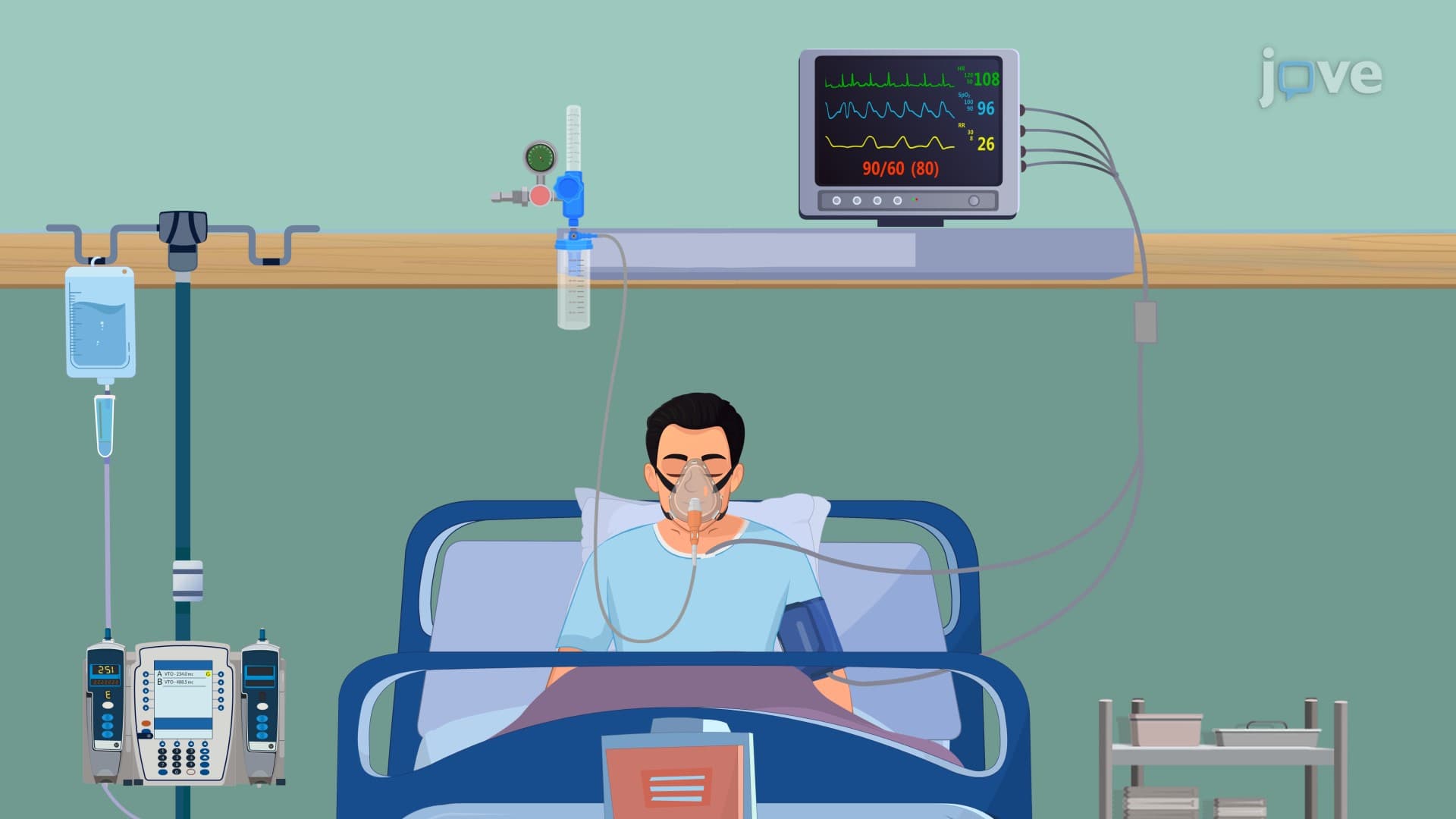
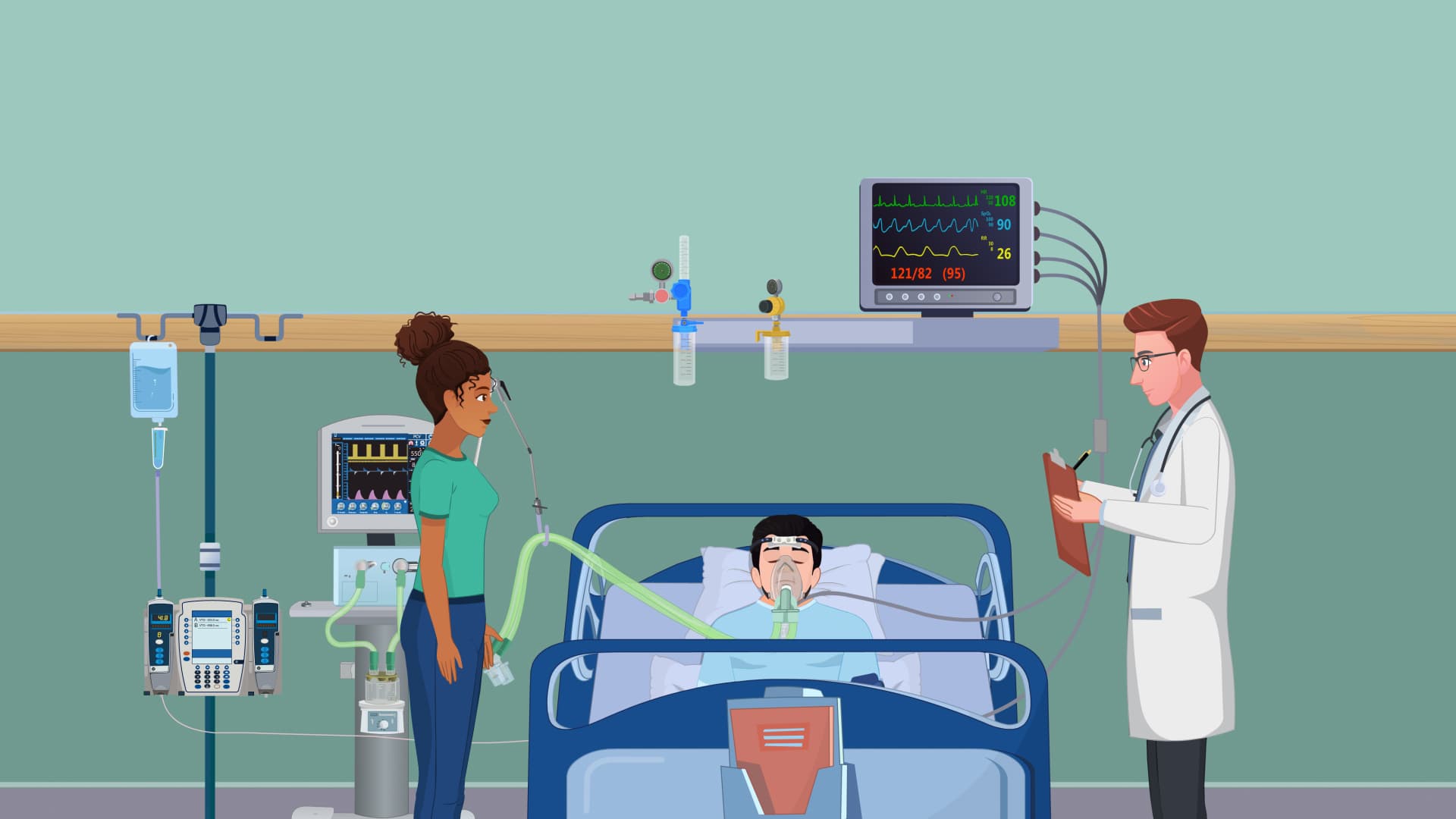
This disrupted breathing pattern leads to increased work of breathing, hypoxemia (low blood oxygen), and eventual respiratory fatigue. The body compensates with tachypnea (rapid breathing), but this becomes less effective as the patient tires, potentially leading to respiratory failure requiring mechanical ventilation.
For pre-med students studying for the MCAT, flail chest i illustrates key physics principles including pressure differentials and mechanical advantage. AP Biology students can connect this condition to cellular respiration concepts, understanding how impaired gas exchange affects ATP production at the cellular level.
Nursing students preparing for the NCLEX should recognize that flail chest patients require careful monitoring of oxygen saturation, respiratory rate, and signs of respiratory distress. The condition demonstrates why trauma patients need systematic assessment following the ABCDE approach (Airway, Breathing, Circulation, Disability, Exposure).
Related Micro-courses