Loading subject page…


931 views


Video Summary: Heart Failure Iii Clinical Manifestations Explained
Why do emergency rooms see over 1 million heart failure patients annually in the US? Heart failure III clinical manifestations present dramatically different symptoms depending on whether the condition is acute or chronic. In acute cases, patients arrive at hospitals like Johns Hopkins with sudden onset pulmonary edema and pink, frothy sputum, while chronic cases develop gradual fatigue and peripheral swelling. Watch the full video on JoVE Coach to master this concept with expert-led visuals and step-by-step explanations.
Heart failure represents a complex cardiovascular syndrome where clinical manifestations vary dramatically based on onset timing and compensatory mechanisms. Understanding these presentations is crucial for students preparing for the MCAT, nursing school entrance exams like HESI A2, or undergraduate physiology courses at institutions like UCLA or University of Michigan.
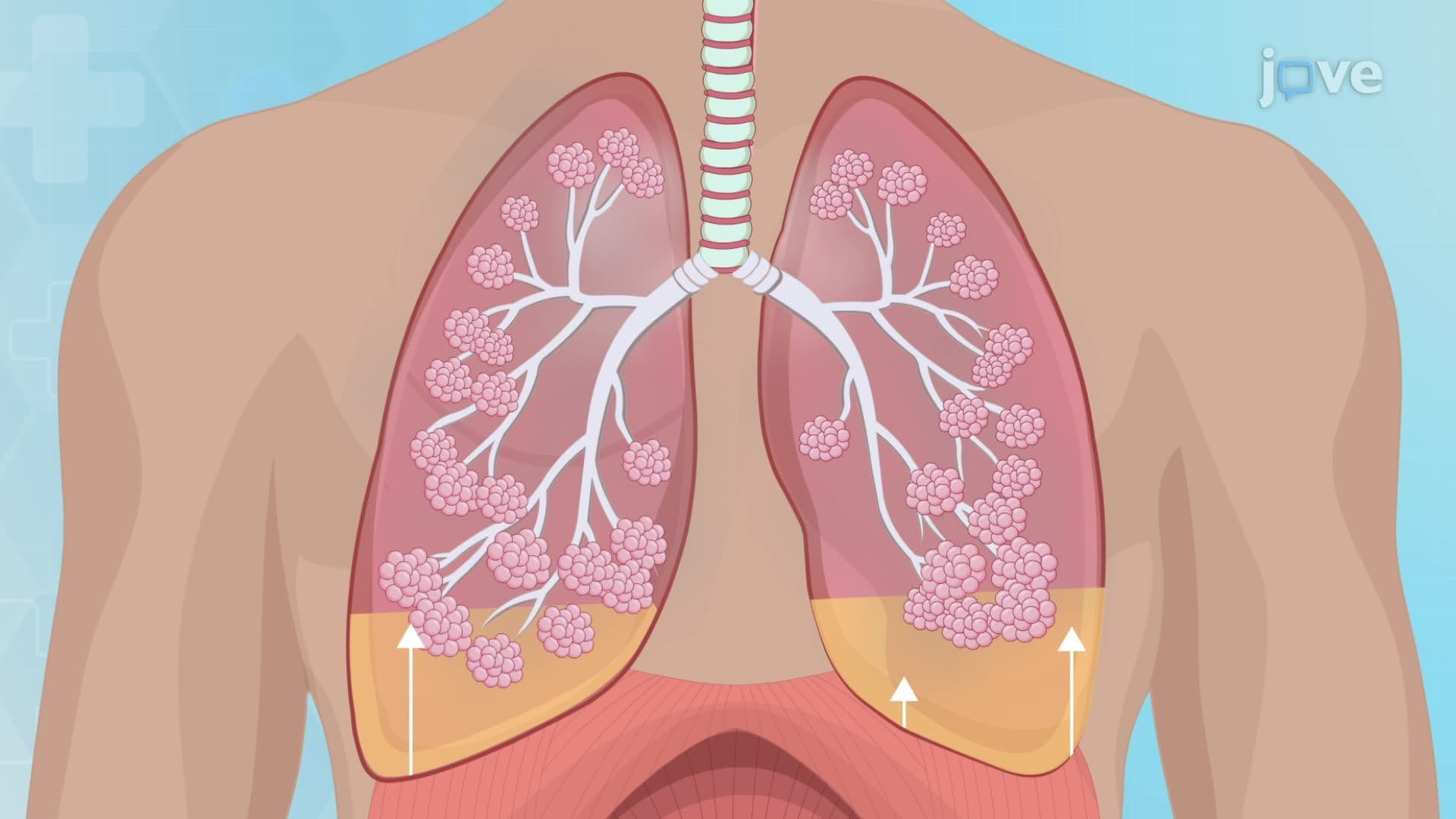
Acute heart failure manifests as a medical emergency, typically bringing patients to major medical centers like Mayo Clinic or Cleveland Clinic with life-threatening symptoms. The hallmark presentation involves rapid-onset pulmonary edema, where fluid accumulates in lung alveoli due to elevated left-sided pressures. Patients exhibit severe dyspnea (difficulty breathing), often with respiratory rates exceeding 30 breaths per minute-a critical finding that nursing students must recognize on NCLEX examinations.
The classic "pink, frothy sputum" results from plasma proteins mixing with alveolar fluid, creating a distinctive foam that emergency physicians immediately recognize. Orthopnea (difficulty breathing when lying flat) forces patients to sleep propped up on multiple pillows, while paroxysmal nocturnal dyspnea causes sudden awakening with breathlessness. Physical examination reveals jugular venous distension-visible neck vein swelling indicating elevated right heart pressures-and lung auscultation demonstrates crackles and wheezes from fluid-filled airways.
Chronic heart failure develops insidiously over months to years, allowing compensatory mechanisms to partially adapt. Unlike acute presentations, these patients often present to outpatient clinics with fatigue as their primary complaint-a symptom that significantly impacts quality of life for the 6.2 million Americans living with heart failure according to the American Heart Association.
The edema pattern in chronic cases follows gravity, typically beginning in dependent areas like ankles and legs (peripheral edema) before progressing to hepatomegaly (enlarged liver) and ascites (abdominal fluid accumulation). This progression reflects the body's struggle to maintain fluid balance as cardiac output decreases. Students studying for AP Biology or preparing for pre-med prerequisites should understand how this relates to Starling forces and capillary dynamics.
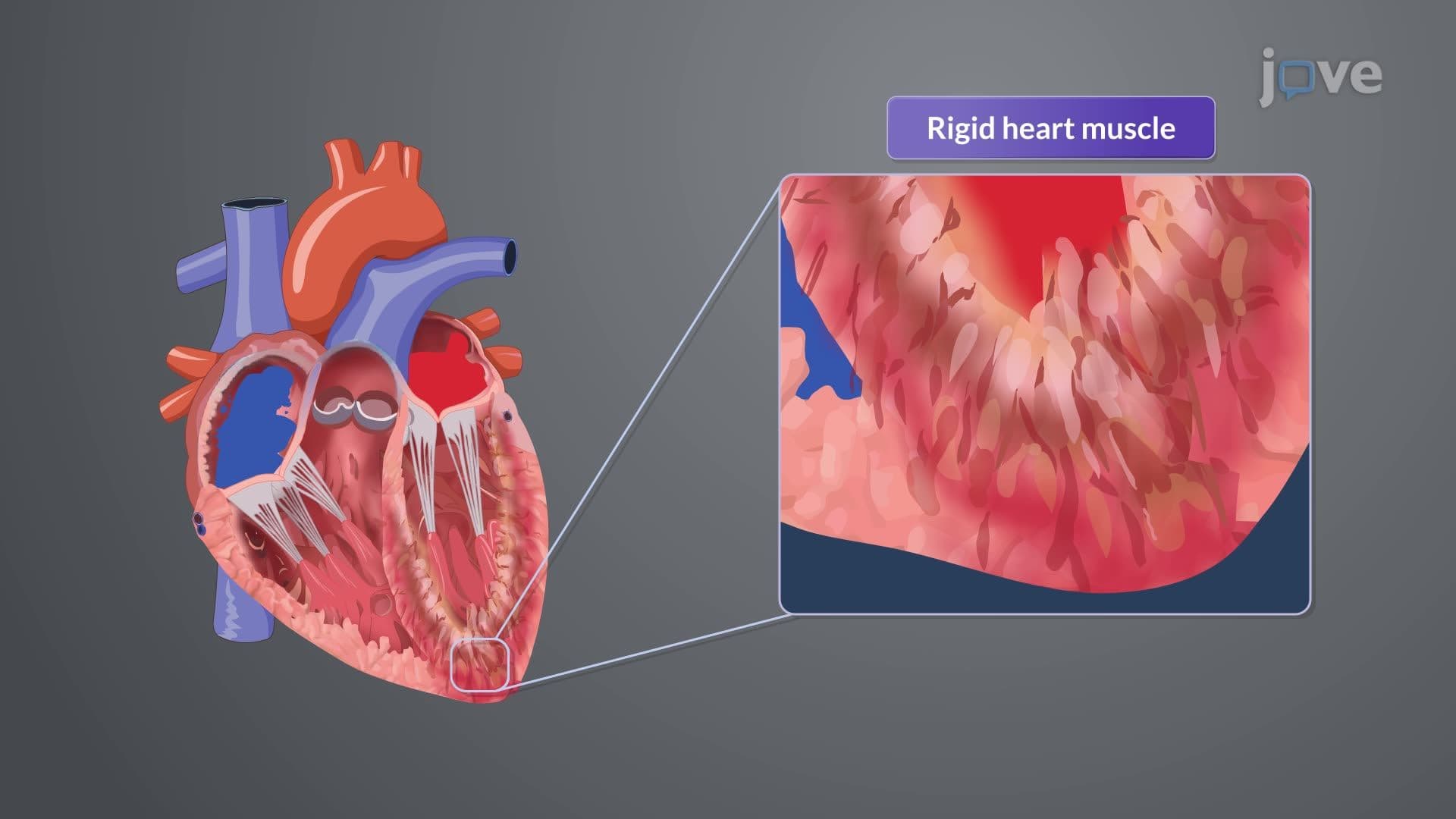
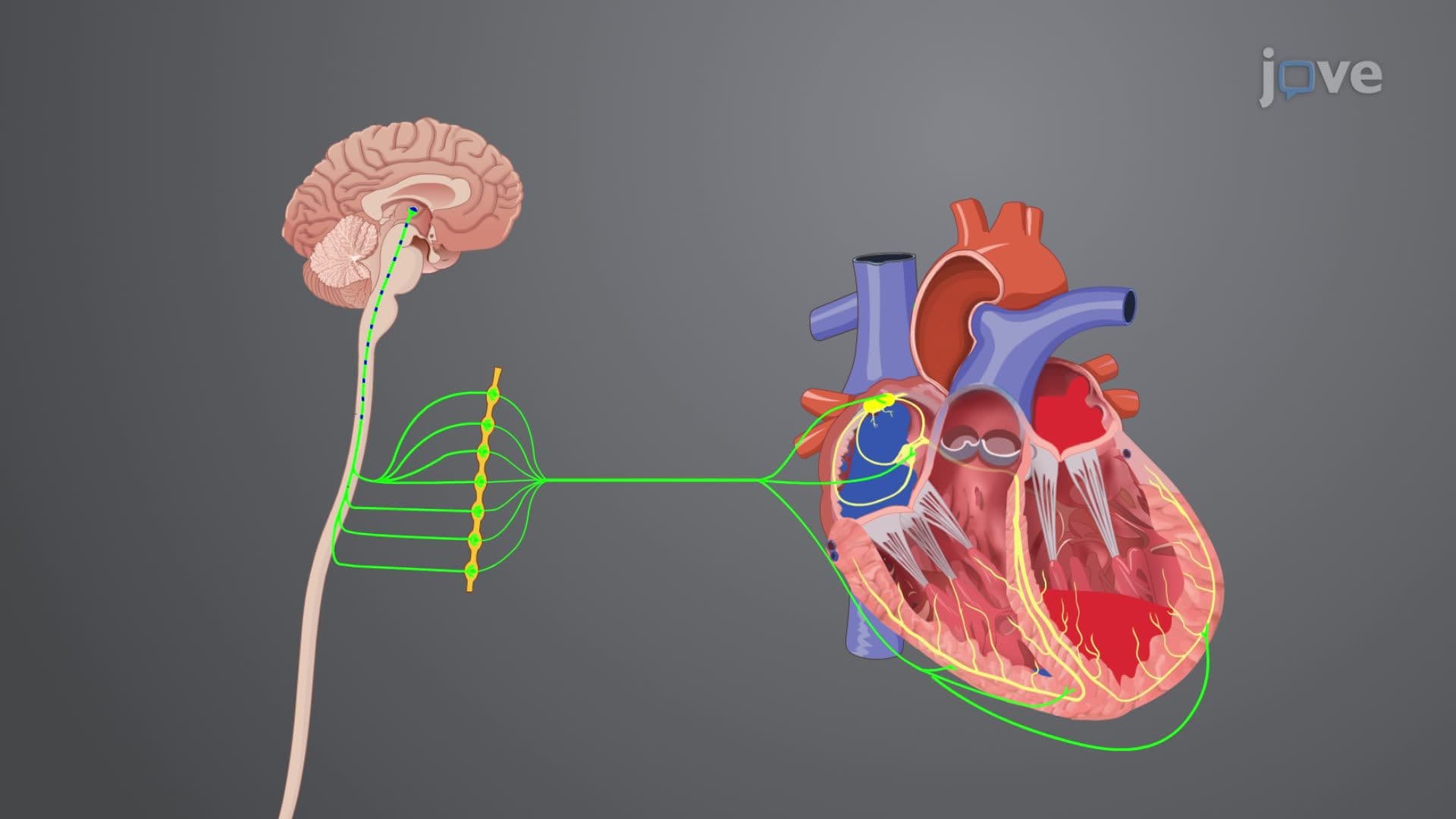
Both acute and chronic presentations share certain cardiovascular findings that appear frequently on standardized exams. Abnormal heart sounds including S3 gallop (indicating volume overload) and S4 gallop (suggesting decreased ventricular compliance) provide crucial diagnostic information. Tachycardia represents a compensatory mechanism to maintain cardiac output despite reduced stroke volume.
Neurological symptoms in chronic cases-including dizziness, lightheadedness, and syncope-result from decreased cerebral perfusion. These symptoms often prompt patients to seek medical care at community hospitals across the US, where physicians must differentiate heart failure from other causes of similar presentations.
Related Micro-courses