Loading video…


 7 Concepts
 931 views

Video Summary: Heart Failure Iv Classification and Diagnostic Assessment
Did you know that nearly 6.2 million Americans live with heart failure, yet many don't understand how doctors classify this complex condition? Heart failure IV: classification and diagnostic assessment reveals the systematic approach cardiologists use to categorize patients and guide treatment decisions. The Cleveland Clinic, for example, uses these classification systems to determine whether a patient needs basic lifestyle modifications or advanced interventions like ventricular assist devices. Watch the full video on JoVE Coach to master this concept with expert-led visuals and step-by-step explanations.
The systematic approach to heart failure IV: classification and diagnostic assessment forms the backbone of modern cardiovascular medicine. This comprehensive evaluation system enables healthcare providers to categorize patients accurately, predict outcomes, and tailor treatment strategies. Understanding these classification systems is essential for students pursuing healthcare careers and appears frequently on standardized exams like the MCAT and USMLE.
The NYHA functional classification system evaluates patients based on their symptom severity during daily activities. Class I patients experience no limitations-they can climb stairs, walk briskly, or exercise without cardiac symptoms. These individuals might have underlying heart disease but maintain normal functional capacity. Class II patients notice slight limitations during ordinary activities like walking several blocks or climbing one flight of stairs.
Class III represents marked functional impairment, where patients experience symptoms with minimal exertion such as walking one block or light housework. The Mayo Clinic frequently uses this classification to determine when patients need cardiac rehabilitation programs. Class IV patients have the most severe limitations, experiencing symptoms even at rest and requiring assistance with basic activities of daily living.
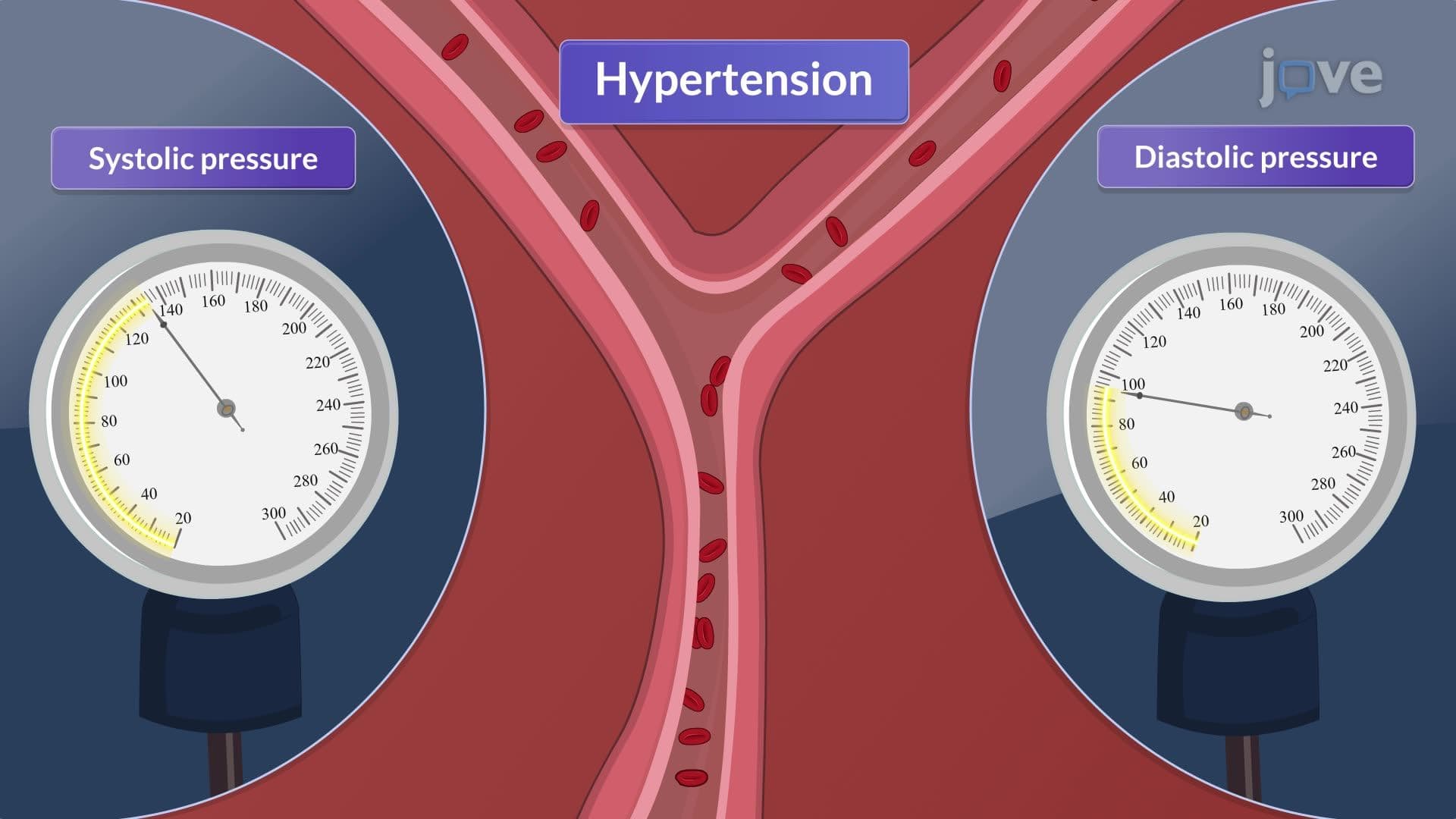
The AHA staging system (A-D) focuses on disease progression rather than symptoms alone. Stage A identifies high-risk patients without structural heart disease-individuals with diabetes, hypertension, or family history of cardiomyopathy. The American Diabetes Association estimates that diabetic patients have a 2-4 times higher risk of developing heart failure, making Stage A identification crucial for prevention.
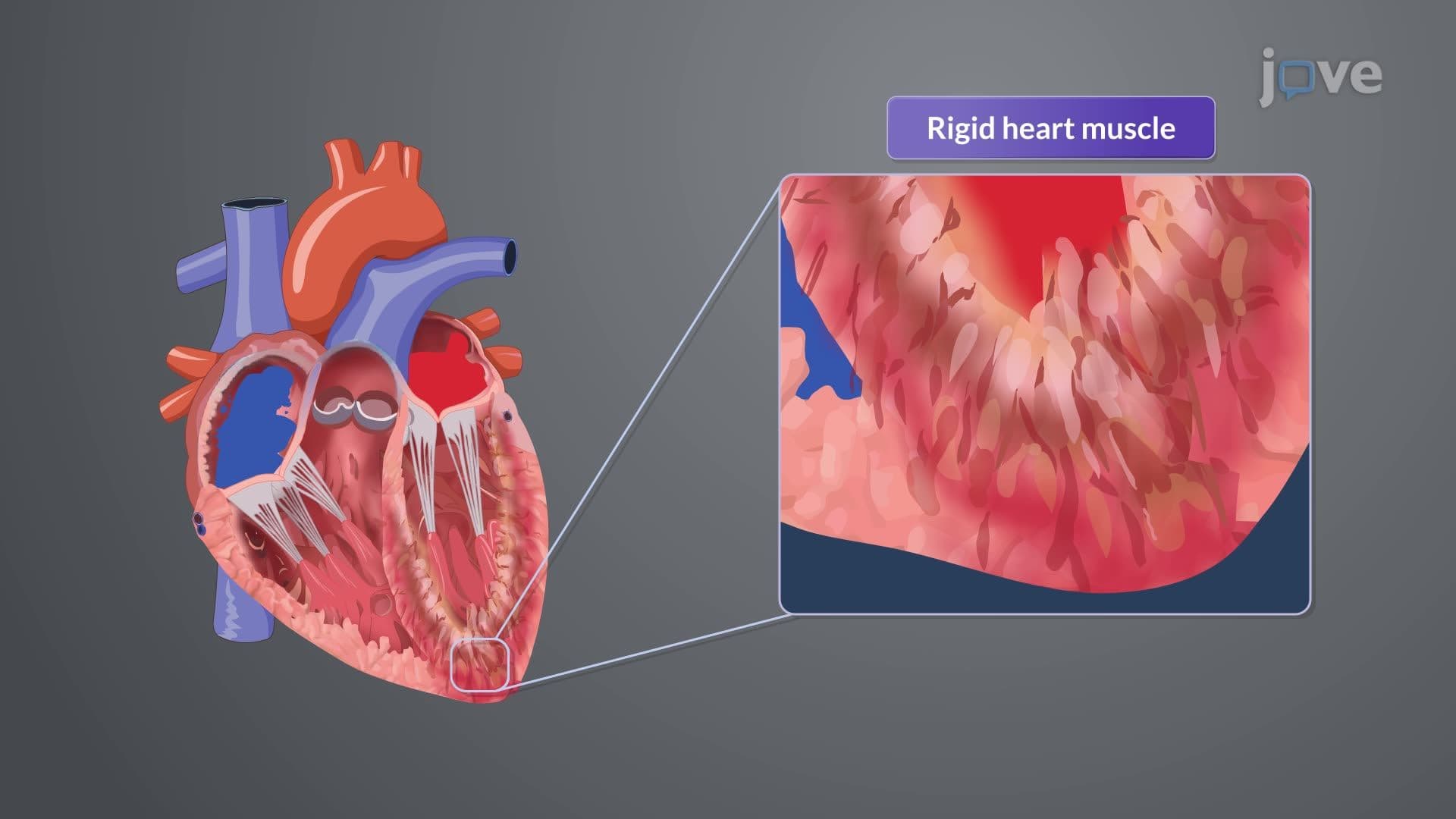
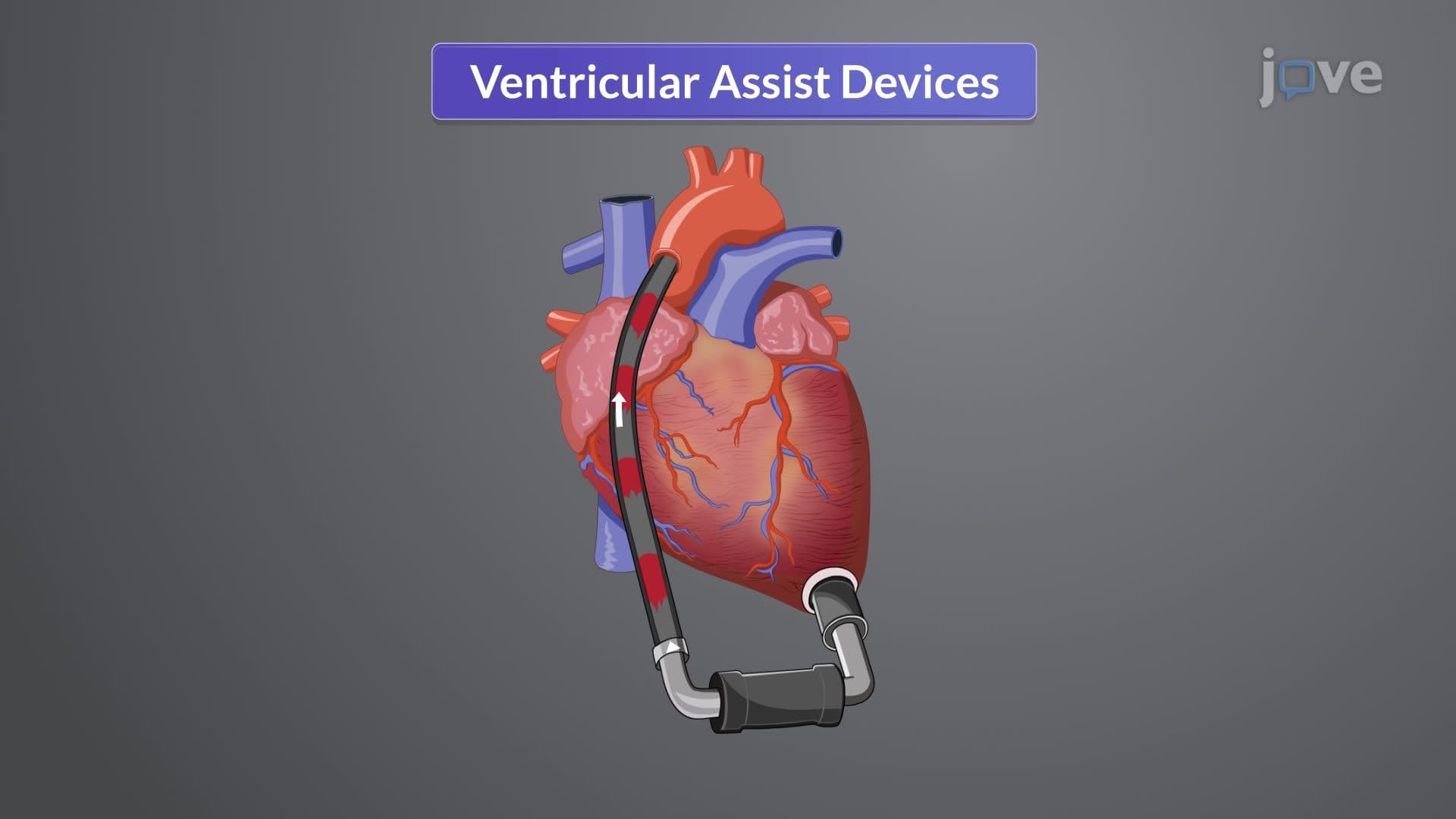
Stage B patients have developed structural changes like left ventricular hypertrophy or previous myocardial infarction but remain asymptomatic. Treatment typically includes ACE inhibitors or beta-blockers to prevent progression. Stage C encompasses symptomatic patients with structural heart disease, requiring comprehensive management including medications, lifestyle modifications, and potentially implantable devices. Stage D represents end-stage disease where patients need advanced interventions like heart transplantation or mechanical circulatory support.
These classification systems guide treatment algorithms used in major medical centers nationwide. For example, patients in NYHA Class I-II might receive optimal medical therapy, while Class III-IV patients may need cardiac resynchronization therapy or ventricular assist devices. The integration of both systems provides comprehensive patient assessment-staging indicates disease severity while functional class reflects current symptom burden and quality of life impact.
Related Micro-courses