Loading subject page…

931 views

Video Summary: Heart Failure V Medical Management Explained
Every 36 seconds in the US, someone dies from cardiovascular disease, making heart failure V medical management a critical skill for healthcare providers. This comprehensive approach involves both emergency interventions for acute episodes and long-term strategies to prevent deterioration. Consider a patient arriving at Houston Methodist Hospital with severe shortness of breath-immediate positioning, oxygen therapy, and precise medication protocols can mean the difference between recovery and cardiac arrest. Watch the full video on JoVE Coach to master this concept with expert-led visuals and step-by-step explanations.
Heart Failure V Medical Management represents a systematic approach to treating both acute and chronic heart failure through evidence-based interventions. This protocol emphasizes immediate stabilization followed by long-term optimization of cardiac function. The "V" designation typically refers to the fifth iteration or version of standardized treatment guidelines, reflecting decades of clinical research and refinement in cardiovascular care.
When patients present with acute heart failure-such as those seen in emergency departments at Mayo Clinic or Cleveland Clinic-immediate intervention focuses on reducing cardiac workload and improving oxygenation. High Fowler's positioning (sitting upright at 60-90 degrees) leverages gravity to reduce venous return, effectively decreasing preload on the struggling heart. Continuous monitoring of ECG, oxygen saturation, and arterial blood pressure provides real-time assessment of treatment effectiveness.
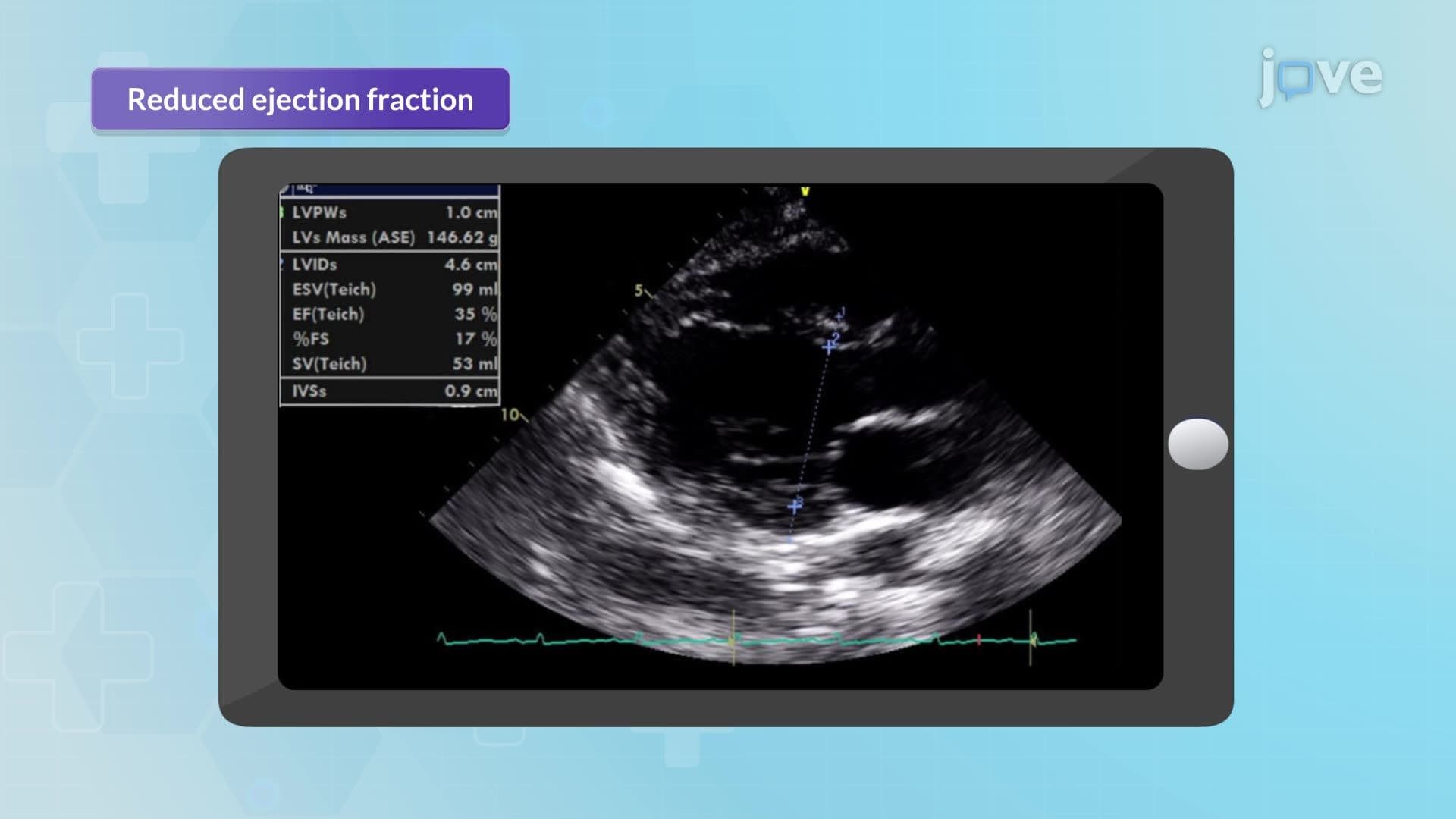
Pharmacological management centers on three key mechanisms: preload reduction, afterload reduction, and contractility enhancement. Furosemide, a loop diuretic, rapidly removes excess fluid through increased sodium and water excretion. Nitroglycerin serves as a potent vasodilator, reducing both preload (through venous dilation) and afterload (through arterial effects). For patients with cardiogenic shock or severely reduced ejection fraction, dobutamine provides positive inotropic support by increasing myocardial contractility without significantly increasing heart rate.
Long-term management focuses on neurohormonal modulation and symptom prevention. ACE inhibitors like lisinopril block the conversion of angiotensin I to angiotensin II, reducing vasoconstriction and aldosterone secretion. This mechanism appears frequently on MCAT cardiovascular passages and USMLE Step 1 examinations. Angiotensin II receptor blockers (ARBs) such as losartan provide similar benefits for patients who develop ACE inhibitor-induced cough.
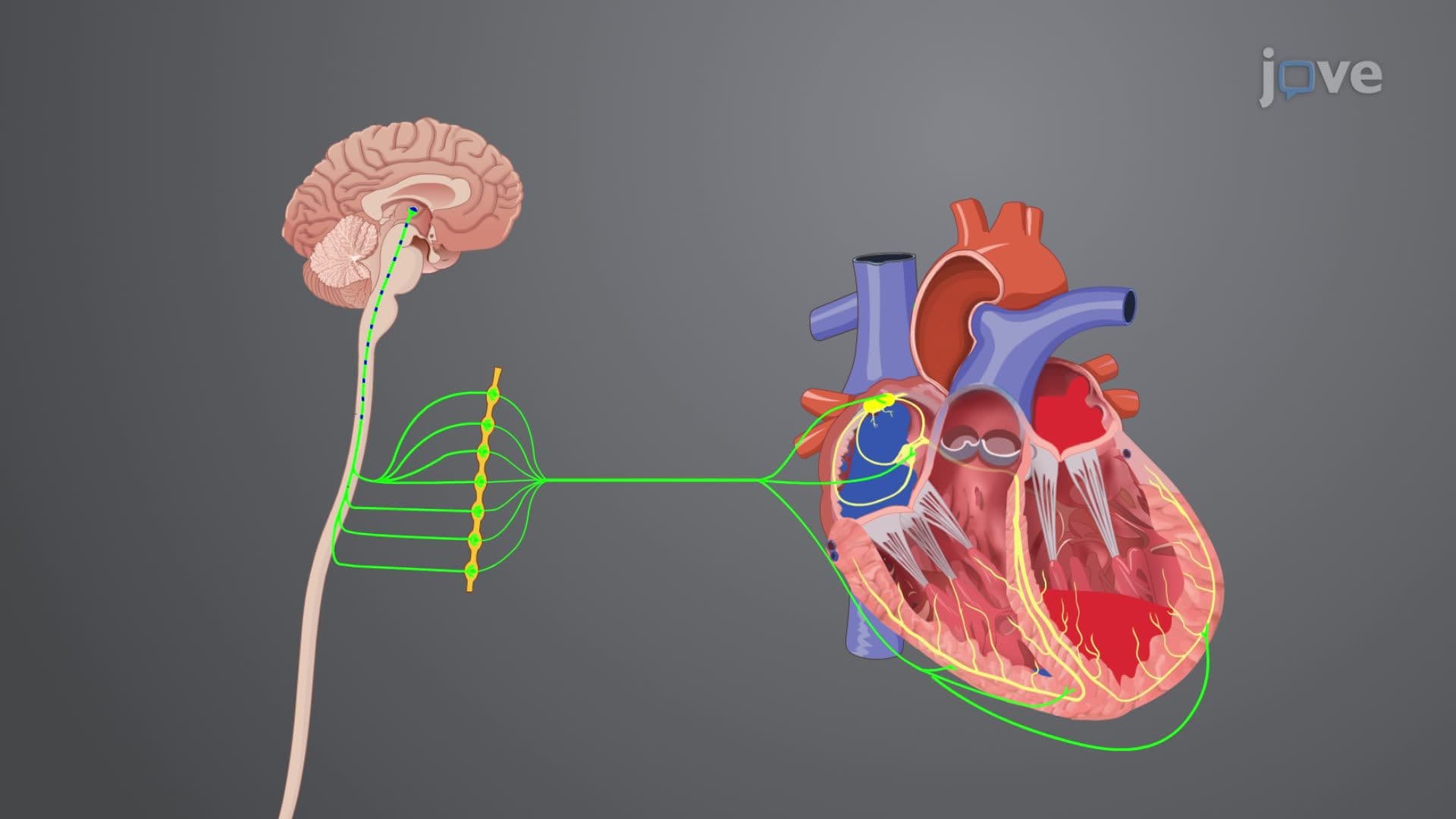
The combination of isosorbide dinitrate and hydralazine offers an alternative approach, particularly effective in African American populations as demonstrated in landmark trials. Digitalis modulates sodium-potassium ATPase pumps, indirectly increasing intracellular calcium and improving contractility while simultaneously affecting the autonomic nervous system to reduce excessive renin secretion.
These concepts frequently appear in AP Biology cardiovascular units, nursing school pharmacology courses, and medical licensing examinations. Students preparing for the NCLEX-RN should focus on medication administration protocols and monitoring parameters. Pre-med students encountering these topics in physiology courses should understand the Frank-Starling mechanism and how these interventions optimize cardiac output curves-knowledge essential for MCAT success and medical school cardiovascular blocks.
Related Micro-courses