Loading subject page…

931 views

Video Summary: Heart Failure Vi Adjunct Therapies Explained
Did you know that nearly 6.2 million Americans live with heart failure, and many require advanced therapies beyond standard medications? Heart failure VI adjunct therapies represent critical interventions that can mean the difference between life and death for patients with severe cardiac dysfunction. These specialized treatments, from implantable cardioverter-defibrillators to dietary modifications, help manage complex cases seen daily at major US cardiac centers like the Mayo Clinic. Watch the full video on JoVE Coach to master this concept with expert-led visuals and step-by-step explanations.
Heart failure adjunct therapies represent the advanced interventional strategies employed when standard pharmacological treatments prove insufficient. These therapies address the complex pathophysiology of heart failure through mechanical, procedural, and lifestyle interventions that target specific complications arising from cardiac dysfunction.
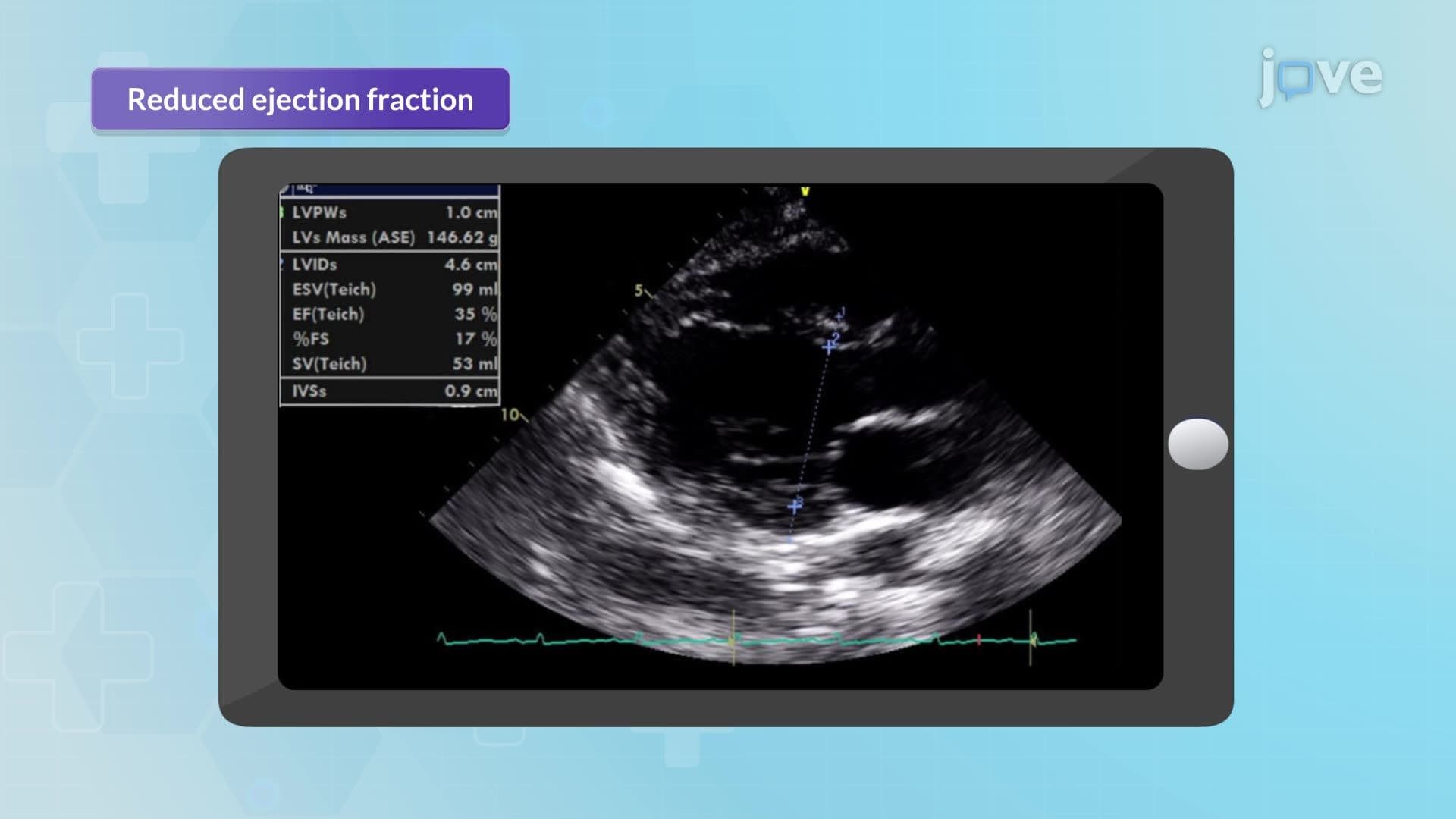
The most sophisticated adjunct therapies involve implantable cardiac devices. Implantable cardioverter-defibrillators (ICDs) serve as life-saving interventions for patients with ejection fractions below 35% who face sudden cardiac death risk. These devices continuously monitor heart rhythms and deliver electrical shocks when life-threatening arrhythmias occur. Major US cardiac centers like Cleveland Clinic report significant mortality reduction in appropriate ICD candidates.
Cardiac resynchronization therapy (CRT) addresses the electrical conduction delays common in advanced heart failure. When the QRS complex duration exceeds 120 milliseconds on electrocardiogram, ventricular contractions become uncoordinated, reducing cardiac efficiency. CRT devices pace both ventricles simultaneously, restoring synchronized contractions and improving hemodynamic function. This therapy proves particularly beneficial for New York Heart Association Class III and IV patients who remain symptomatic despite optimal medical management.
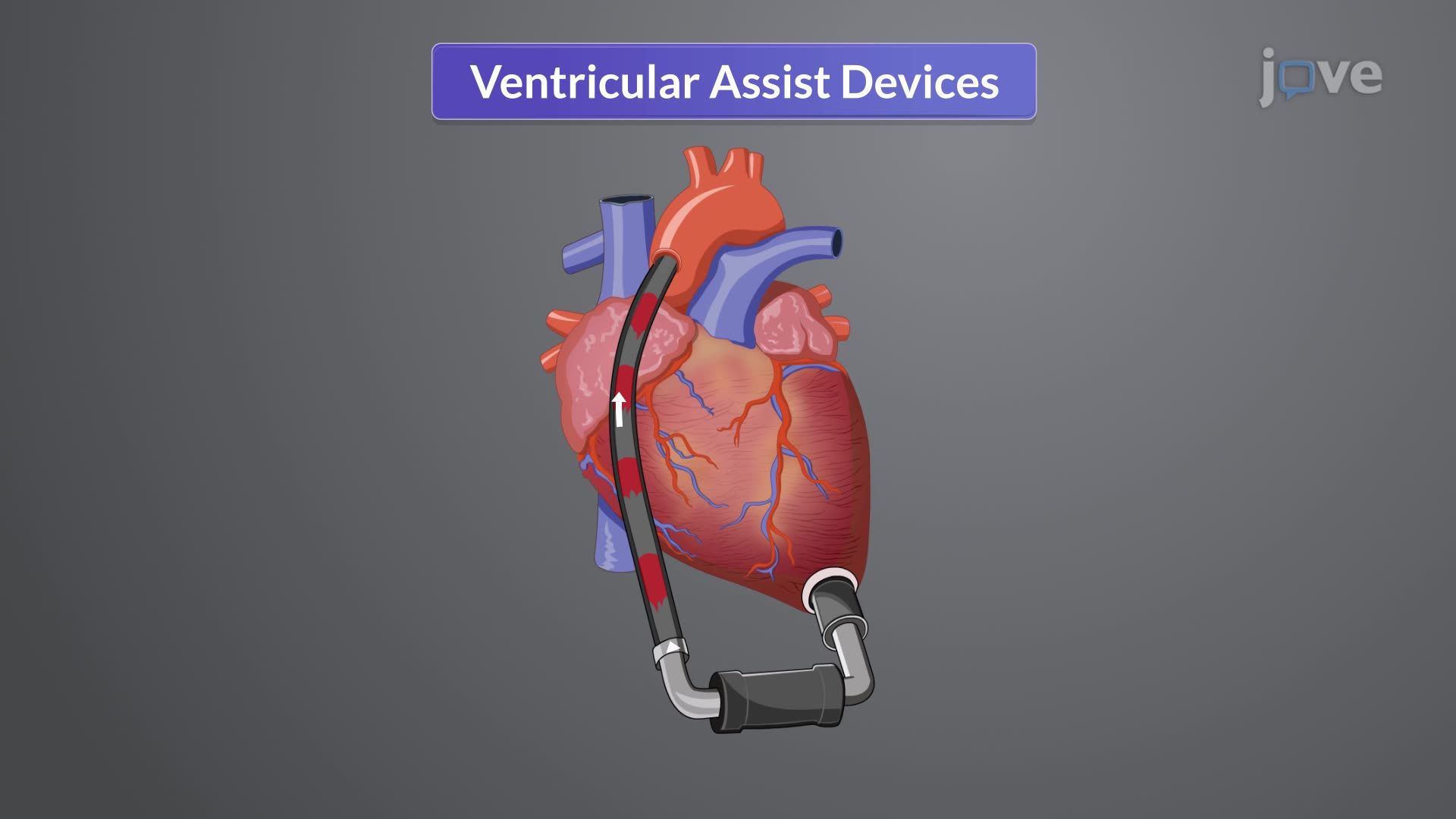
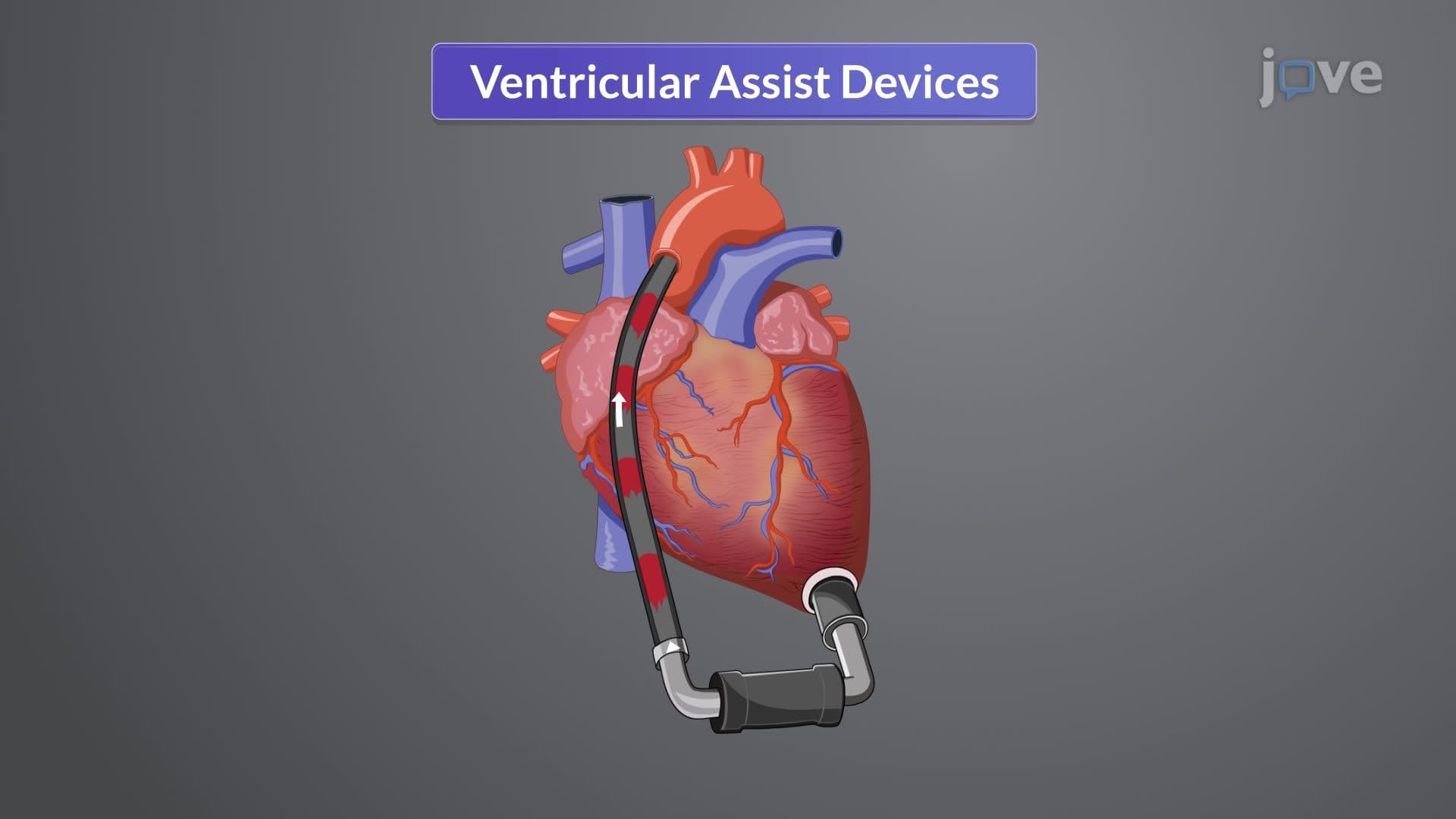
Ventricular assist devices (VADs) represent the most advanced mechanical support option. These pumps assume partial or complete cardiac function, maintaining adequate circulation in patients with severe systolic dysfunction. Bridge-to-transplant and destination therapy VADs have transformed outcomes for end-stage heart failure patients at specialized centers like Columbia University Medical Center.
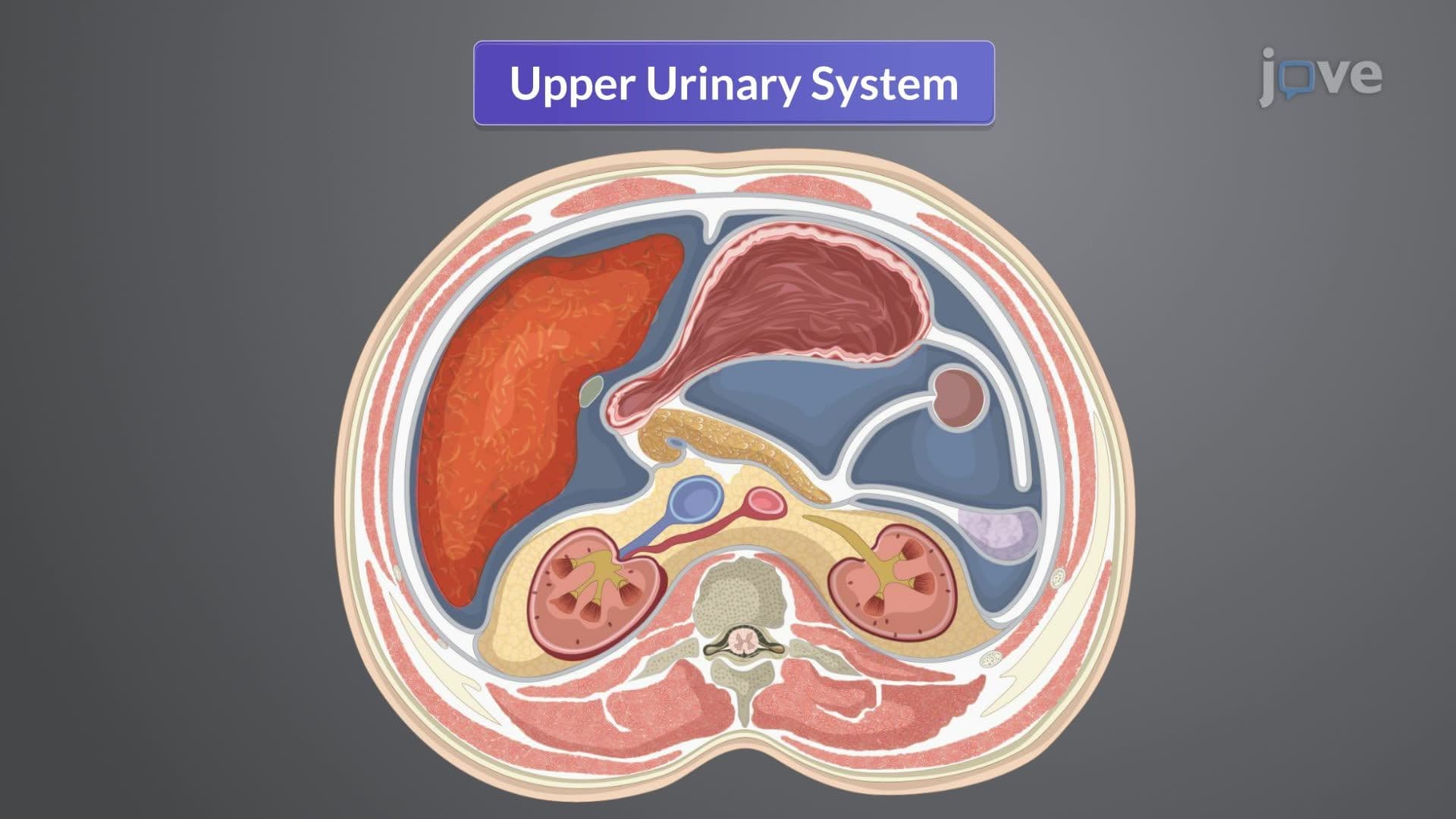
Fluid overload management extends beyond conventional diuretics in refractory cases. Ultrafiltration mechanically removes excess fluid when diuretic resistance develops, particularly useful in acute decompensated heart failure. Hemodialysis becomes necessary when concurrent renal failure complicates volume management, requiring specialized expertise in cardio-renal syndromes.
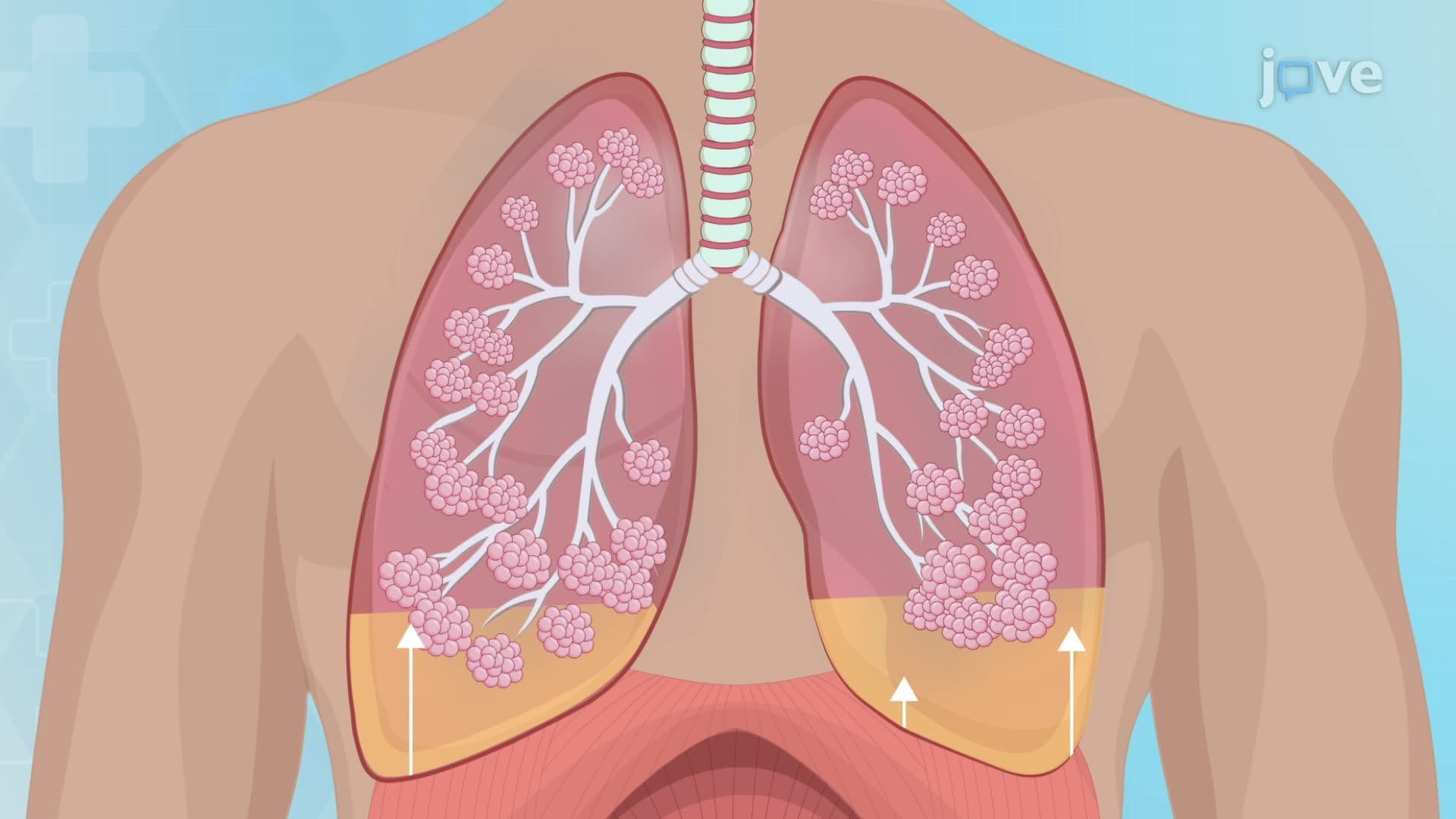
Oxygen therapy addresses the pulmonary congestion and hypoxia characteristic of advanced heart failure. Some patients require continuous supplementation, while others need oxygen only during exertion when cardiac output cannot meet metabolic demands.
These concepts frequently appear in MCAT cardiovascular sections, NCLEX cardiac care questions, and AP Biology circulatory system units. Understanding the progression from medical therapy to advanced interventions helps students grasp disease severity stratification and treatment escalation principles essential for healthcare career preparation.
Related Micro-courses