Loading subject page…
- Medical Surgical Nursing
- Congestive Cardiac Failure
- Heart Failure VII: Nursing Interventions
Micro-course: Congestive Cardiac Failure
931 views
Learn key concepts and earn your certificate.

Heart Failure VII: Nursing Interventions

00:00
01:30
Video Summary: Heart Failure Vii Nursing Interventions Explained
Did you know that heart failure affects over 6 million Americans, making heart failure VII nursing interventions one of the most critical skills for healthcare professionals? When a patient at Houston Methodist Hospital presents with shortness of breath and swollen ankles, nurses must quickly implement systematic assessments and targeted interventions to prevent life-threatening complications. Heart Failure VII Nursing Interventions Explained provides the essential framework for managing these complex patients through evidence-based care protocols. Watch the full video on JoVE Coach to master this concept with expert-led visuals and step-by-step explanations.
- Understand Heart Failure VII Nursing Interventions Explained as a comprehensive approach to managing patients with decreased cardiac output and associated complications
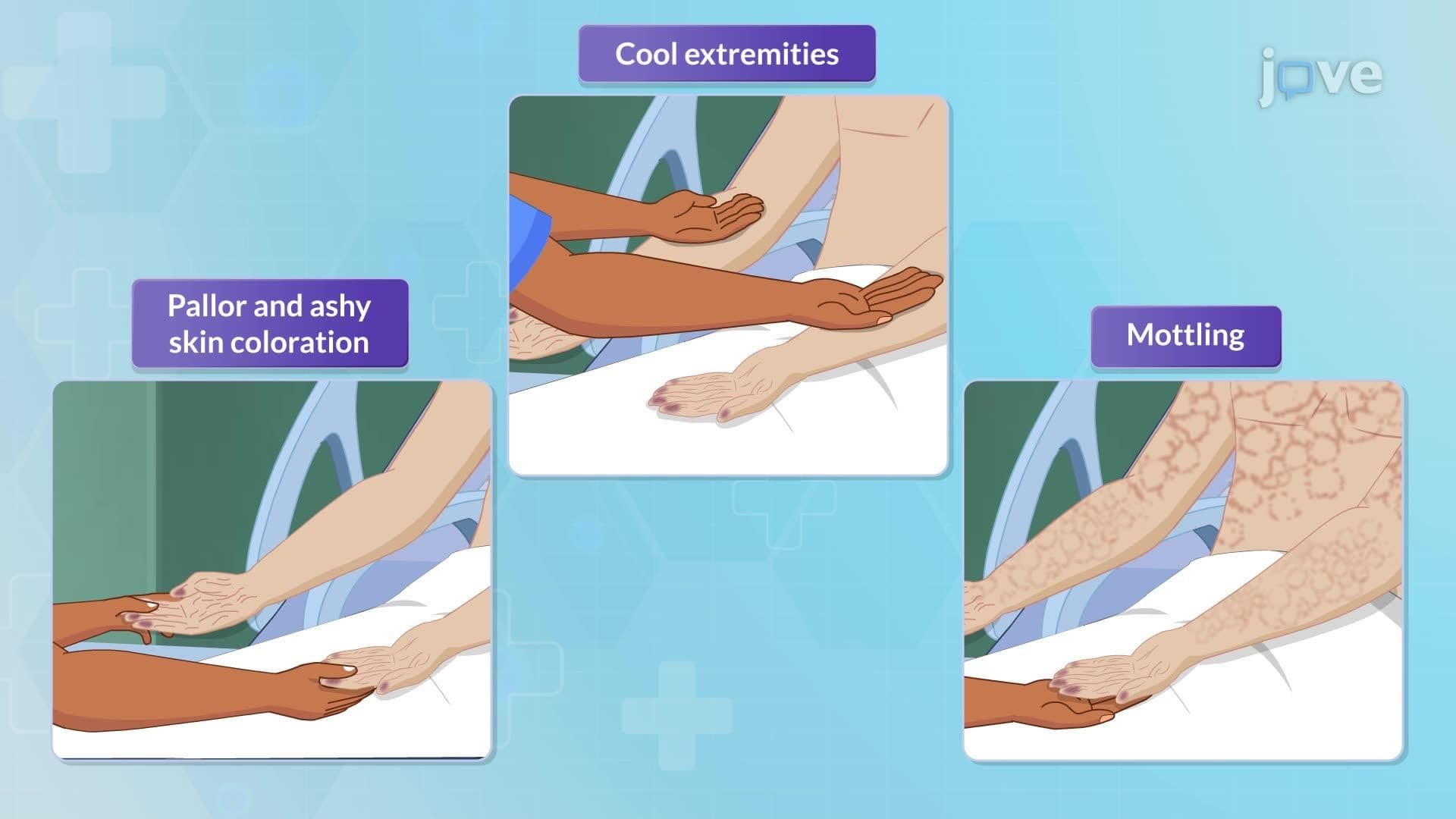
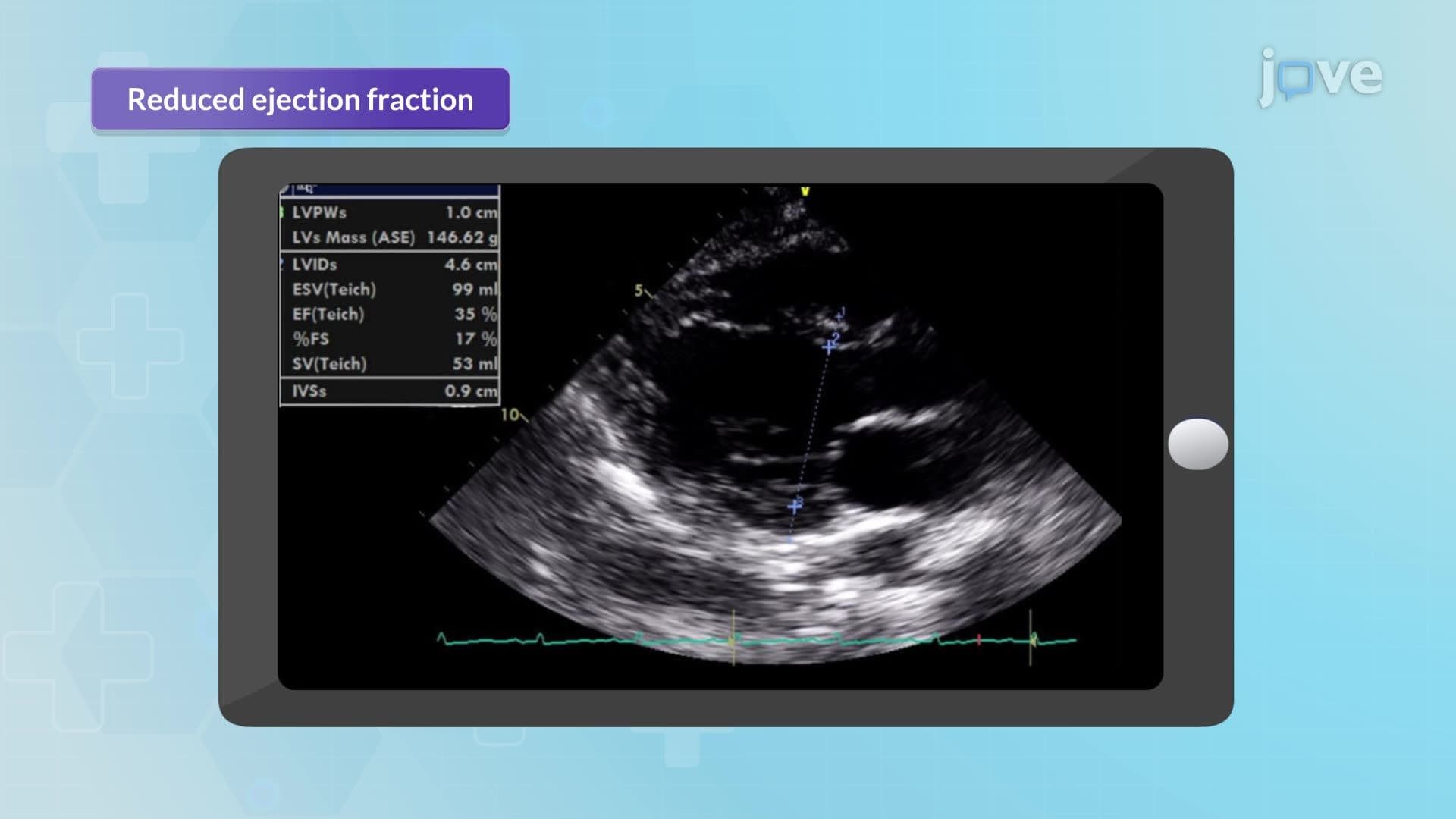
- Identify key assessment parameters including jugular vein distention, orthopnea, and diagnostic markers like BNP levels and ejection fraction
- Analyze the relationship between decreased myocardial contractility and clinical manifestations such as peripheral edema and activity intolerance
- Apply systematic nursing interventions including fluid restriction, medication administration, and positioning techniques to optimize patient outcomes
- Evaluate the effectiveness of interventions through continuous monitoring of vital signs, oxygen saturation, and daily weight measurements
- Recognize appropriate nursing diagnoses for heart failure patients, particularly impaired cardiac output and activity intolerance
- Explore patient education strategies focusing on dietary sodium restrictions and activity modification
- Compare different positioning techniques and their physiological rationale for improving respiratory function in heart failure patients
Understanding Heart Failure VII Nursing Interventions in Clinical Practice
Heart failure VII nursing interventions represent a systematic, evidence-based approach to managing patients with compromised cardiac function. This advanced level of care builds upon fundamental nursing principles while incorporating specialized techniques for patients experiencing complex cardiovascular complications. In major medical centers like the Mayo Clinic and Cleveland Clinic, nurses routinely apply these interventions to prevent readmissions and improve patient quality of life.
Comprehensive Assessment and Diagnostic Integration
The foundation of effective heart failure management begins with thorough assessment techniques that extend beyond basic vital signs. Nurses must evaluate jugular vein distention as an indicator of elevated central venous pressure, assess for orthopnea (difficulty breathing when lying flat), and interpret diagnostic results including electrocardiograms and B-type natriuretic peptide (BNP) levels. These assessment skills are frequently tested on the NCLEX-RN examination and form the basis for developing accurate nursing diagnoses. Students preparing for the MCAT will also encounter questions about the pathophysiology underlying these clinical findings, particularly the relationship between decreased myocardial contractility and compensatory mechanisms.
Evidence-Based Intervention Strategies
Implementation of heart failure nursing interventions requires understanding both the physiological rationale and practical application of each technique. Elevating the head of the bed to 30-45 degrees reduces venous return and decreases cardiac workload, while fluid restriction typically limits intake to 1.5-2 liters daily based on physician orders. Daily weight monitoring serves as the most sensitive indicator of fluid retention, with weight gains exceeding 2-3 pounds indicating potential decompensation. These interventions are standard practice in cardiac units at institutions like Johns Hopkins Hospital and are essential knowledge for students taking the HESI A2 or TEAS nursing entrance examams.
Patient Education and Long-Term Management
Successful heart failure management extends beyond acute interventions to include comprehensive patient education focusing on dietary modifications and lifestyle adaptations. Sodium restriction typically involves limiting intake to 2-3 grams daily, requiring nurses to teach patients how to read nutrition labels and identify hidden sodium sources in processed foods. Activity modification strategies help patients balance rest and exercise to prevent symptom exacerbation while maintaining functional capacity. These educational components are frequently emphasized in AP Biology courses covering human physiology and appear regularly on college-level pathophysiology examinations.
Frequently Asked Questions
Heart Failure VII Nursing Interventions are advanced, systematic approaches to managing patients with complex cardiac dysfunction and decreased myocardial contractility. These interventions are crucial because they address multiple physiological systems simultaneously, preventing complications like pulmonary edema and cardiogenic shock. They form the foundation of evidence-based cardiac nursing practice and are essential for improving patient outcomes and reducing hospital readmissions.
The NCLEX-RN frequently tests heart failure interventions through priority-setting questions, medication administration scenarios, and patient education topics. Nursing students can expect questions about fluid restriction rationales, positioning techniques, and signs of worsening heart failure. HESI A2 and TEAS exams may include pathophysiology questions about cardiac output and compensatory mechanisms.
Heart failure VII interventions represent an advanced level of care that integrates complex assessment skills, multiple medication management, and sophisticated monitoring techniques. Unlike basic cardiac care, these interventions address the multisystem effects of heart failure including respiratory compromise, fluid overload, and activity intolerance. They require understanding of hemodynamic principles and advanced diagnostic interpretation.
In major medical centers, nurses implement these interventions through standardized protocols that include hourly assessments, telemetry monitoring, and multidisciplinary team communication. For example, cardiac nurses at these facilities use electronic health records to track daily weights, fluid balance, and medication responses while coordinating with cardiologists, dietitians, and physical therapists.
Heart failure nursing interventions build logically on basic anatomy and physiology concepts, making them accessible to dedicated students regardless of prior medical experience. The key is understanding the underlying pathophysiology first, then connecting interventions to their physiological rationale. Students who master basic cardiac function typically succeed with these advanced concepts.
Focus on understanding the "why" behind each intervention rather than memorizing procedures. Create concept maps linking pathophysiology to clinical manifestations to nursing interventions. Practice with NCLEX-style questions and case studies, and use active learning techniques like teaching concepts to classmates.
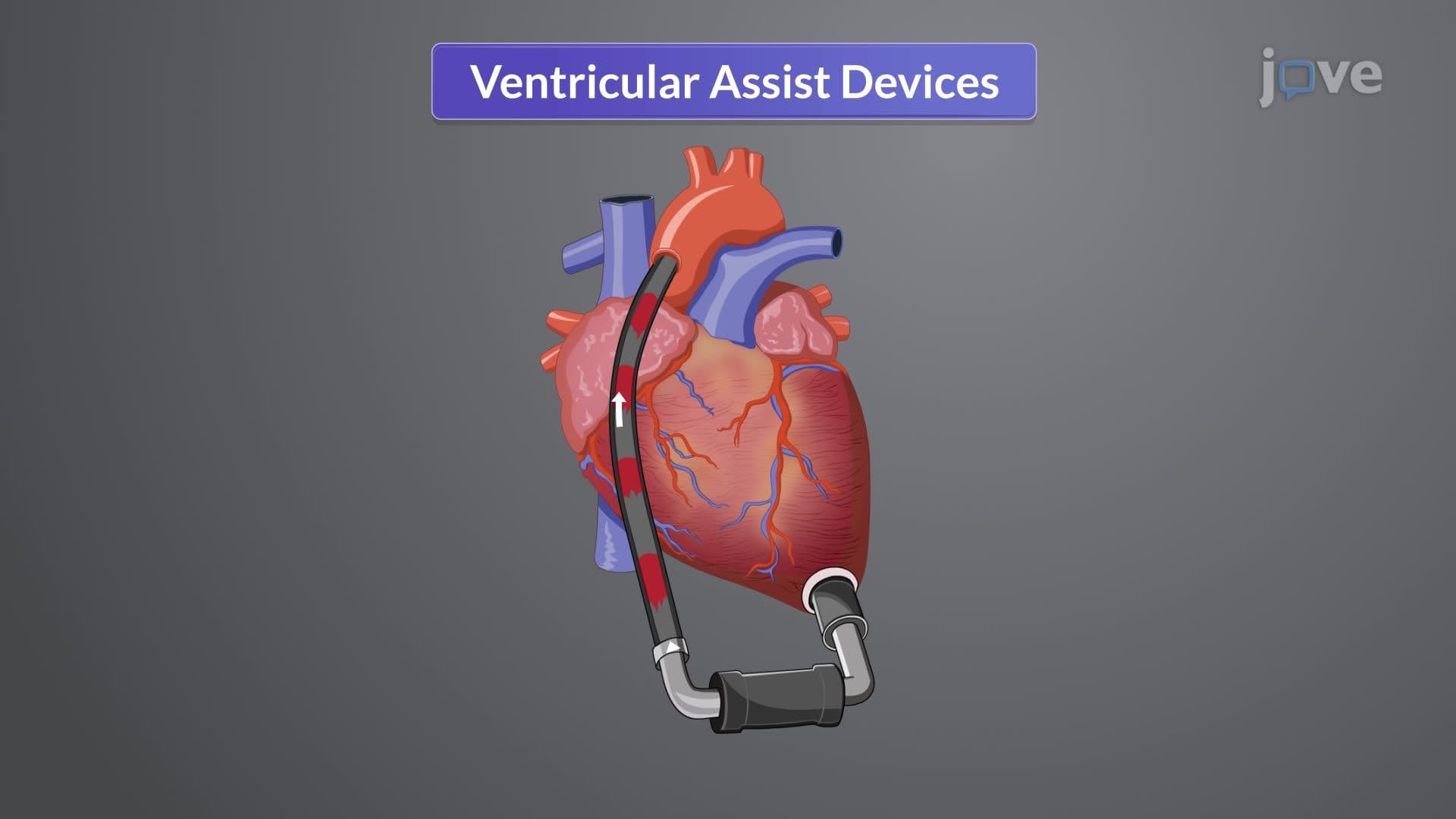
Heart failure nursing interventions provide an excellent foundation for studying cardiac pharmacology, hemodynamic monitoring, and advanced cardiac life support protocols. Students should next explore topics like cardiac catheterization, mechanical assist devices, and cardiac rehabilitation programs to build comprehensive cardiovascular nursing knowledge.
Absolutely! The MCAT includes cardiovascular physiology questions that directly relate to heart failure pathophysiology, including concepts like Frank-Starling mechanism, afterload, and neurohormonal compensation. Understanding these nursing interventions provides practical context for theoretical physiological concepts tested on the exam.
Related Micro-courses
7 Concepts
27 Concepts