Loading subject page…

931 views

Video Summary: What Is Heart Failure I Introduction
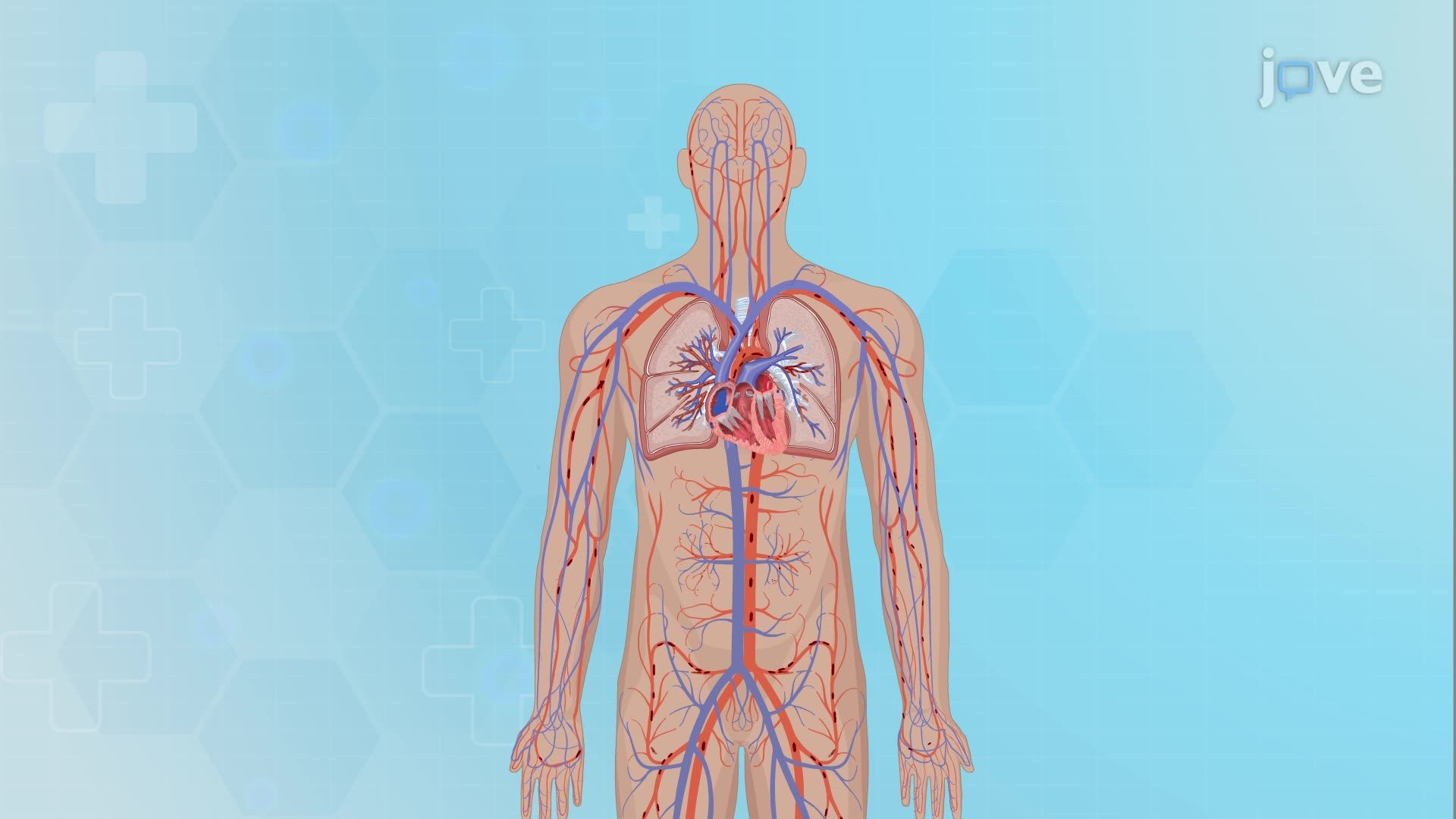
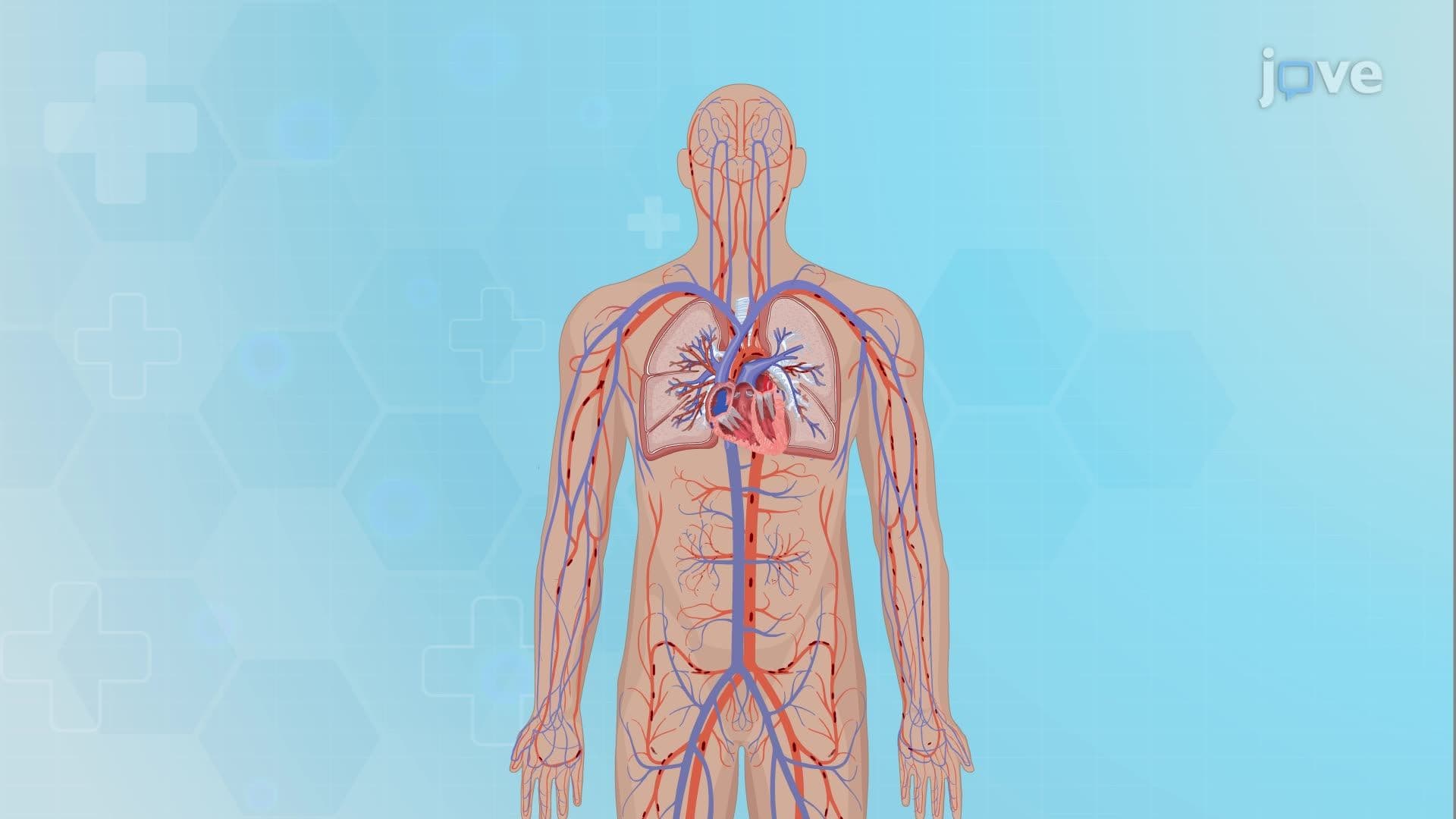
Every 36 seconds, someone in the United States dies from cardiovascular disease, with heart failure I introduction representing one of the most critical conditions affecting over 6 million Americans. Understanding what is heart failure I introduction begins with recognizing how structural or functional cardiac disorders prevent the heart from pumping adequate blood to meet the body's needs. Consider a 65-year-old patient at Mayo Clinic whose coronary artery disease progresses to heart failure-this exemplifies how myocardial damage disrupts essential cardiac functions. Watch the full video on JoVE Coach to master this concept with expert-led visuals and step-by-step explanations.
Heart failure I introduction establishes the fundamental framework for understanding one of cardiology's most complex syndromes. Unlike common misconceptions, heart failure doesn't mean the heart stops working-rather, it represents a clinical syndrome where the heart cannot pump sufficient blood to meet the body's metabolic demands. This condition affects approximately 6.2 million adults in the United States, making it a critical topic for students preparing for healthcare careers and standardized exams like the MCAT, USMLE, and AP Biology.
The heart failure I introduction definition centers on understanding how structural or functional cardiac disorders disrupt normal pumping mechanisms. Cardiac output depends on four essential factors: preload (venous return), afterload (arterial pressure), contractility (muscle strength), and heart rate. When myocardial damage occurs-whether from coronary artery disease, hypertension, or cardiomyopathies-these factors become compromised, leading to inadequate tissue perfusion.
Consider a patient at Cleveland Clinic with a history of myocardial infarction. The damaged myocardium loses contractility, reducing the heart's ability to eject blood effectively. This exemplifies how what is heart failure I introduction in detail involves understanding the cascade from initial injury to clinical syndrome.
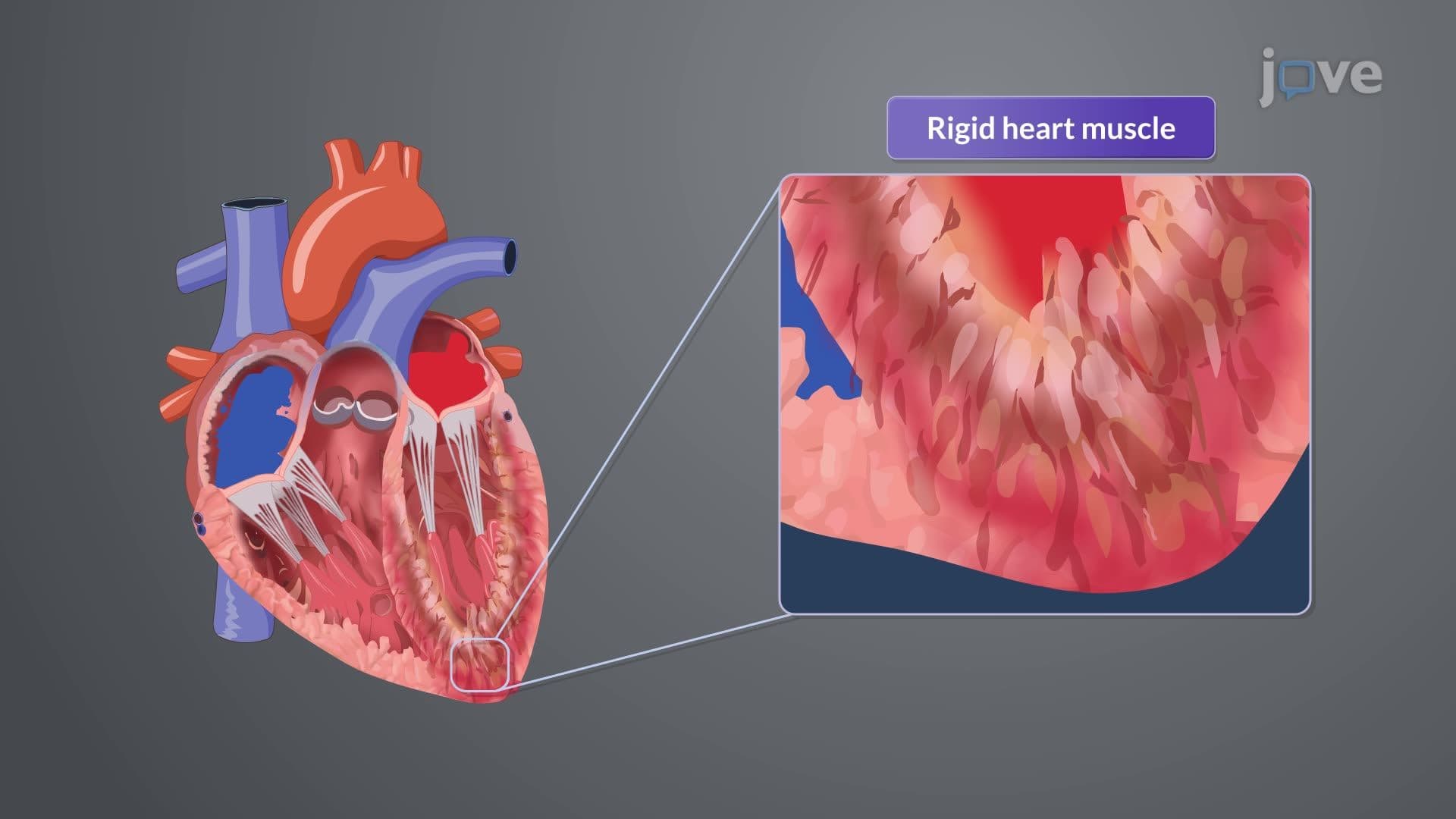
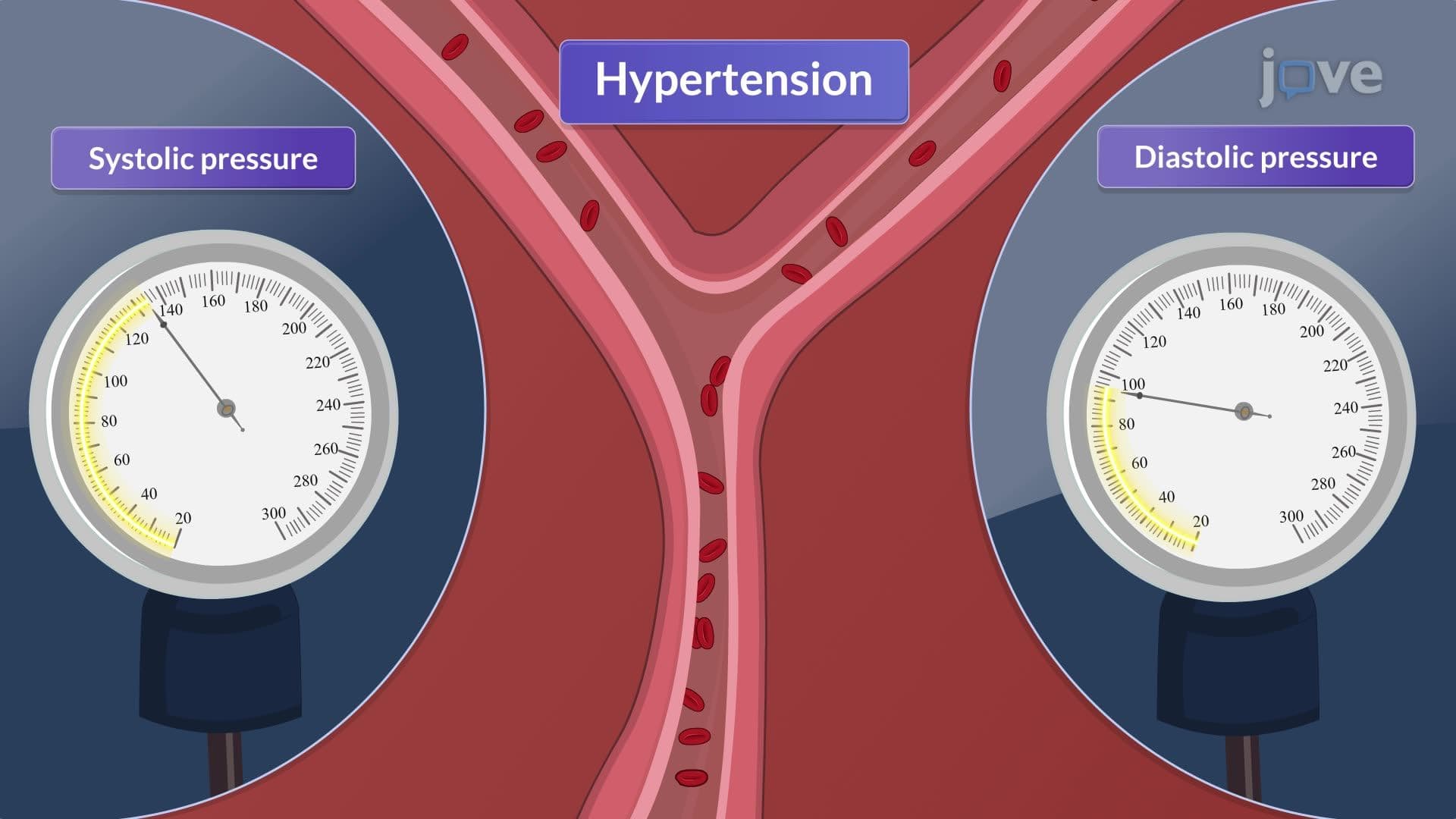
Heart failure I basics include recognizing that coronary artery disease remains the leading cause in the United States, accounting for approximately 60-70% of cases. Ischemic damage from myocardial infarction creates areas of non-functional tissue, reducing overall cardiac performance. Hypertension, affecting nearly half of American adults, increases afterload and causes compensatory myocardial hypertrophy that eventually becomes maladaptive.
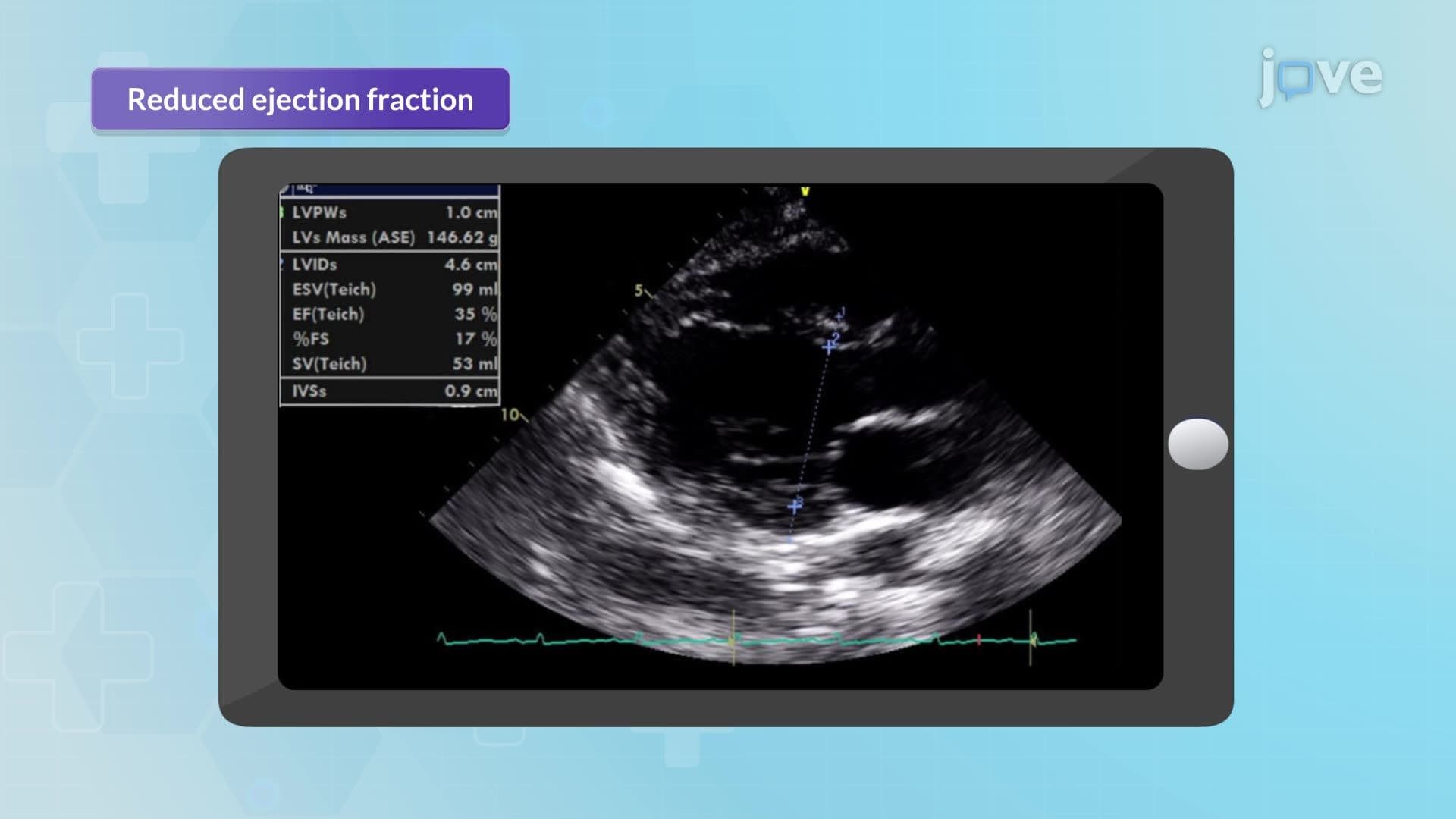
Cardiomyopathies represent another crucial category, with dilated cardiomyopathy causing progressive ventricular dilation and reduced ejection fraction. Students studying for the NCLEX or HESI A2 should understand how these conditions progress from compensated to decompensated states.
For students preparing for standardized exams, heart failure I introduction study guide concepts frequently appear in cardiovascular pathophysiology questions. The MCAT may test understanding of Frank-Starling mechanisms, while AP Biology examines structural-functional relationships in cardiac muscle. College anatomy and physiology courses emphasize how systemic conditions like chronic kidney disease and diabetes mellitus contribute to heart failure development through volume overload and metabolic dysfunction.
Understanding these foundational concepts prepares students for advanced topics including pharmacological interventions, diagnostic criteria, and classification systems used in clinical practice at institutions like Johns Hopkins and Massachusetts General Hospital.
Related Micro-courses