Loading subject page…

931 views

Video Summary: What Is Heart Failure Ii Pathophysiology
Every 36 seconds, someone in the United States dies from cardiovascular disease, with heart failure affecting over 6 million Americans. Understanding heart failure ii pathophysiology reveals how the body's compensatory mechanisms actually worsen cardiac function over time. When examining patients at Houston Methodist Hospital, cardiologists observe how the sympathetic nervous system and renin-angiotensin system create a dangerous cycle of cardiac deterioration. What is Heart Failure II Pathophysiology demonstrates these complex molecular cascades that transform protective responses into pathological processes. Watch the full video on JoVE Coach to master this concept with expert-led visuals and step-by-step explanations.
Heart failure ii pathophysiology represents a complex cascade of compensatory mechanisms that paradoxically worsen cardiac function. Unlike the initial pump failure described in Heart Failure I, this advanced pathophysiology focuses on how the body's attempts to maintain adequate circulation ultimately accelerate cardiac deterioration. At major US medical centers like the Cleveland Clinic and Mayo Clinic, this concept forms the foundation for understanding why heart failure patients experience progressive symptoms despite initial therapeutic interventions.
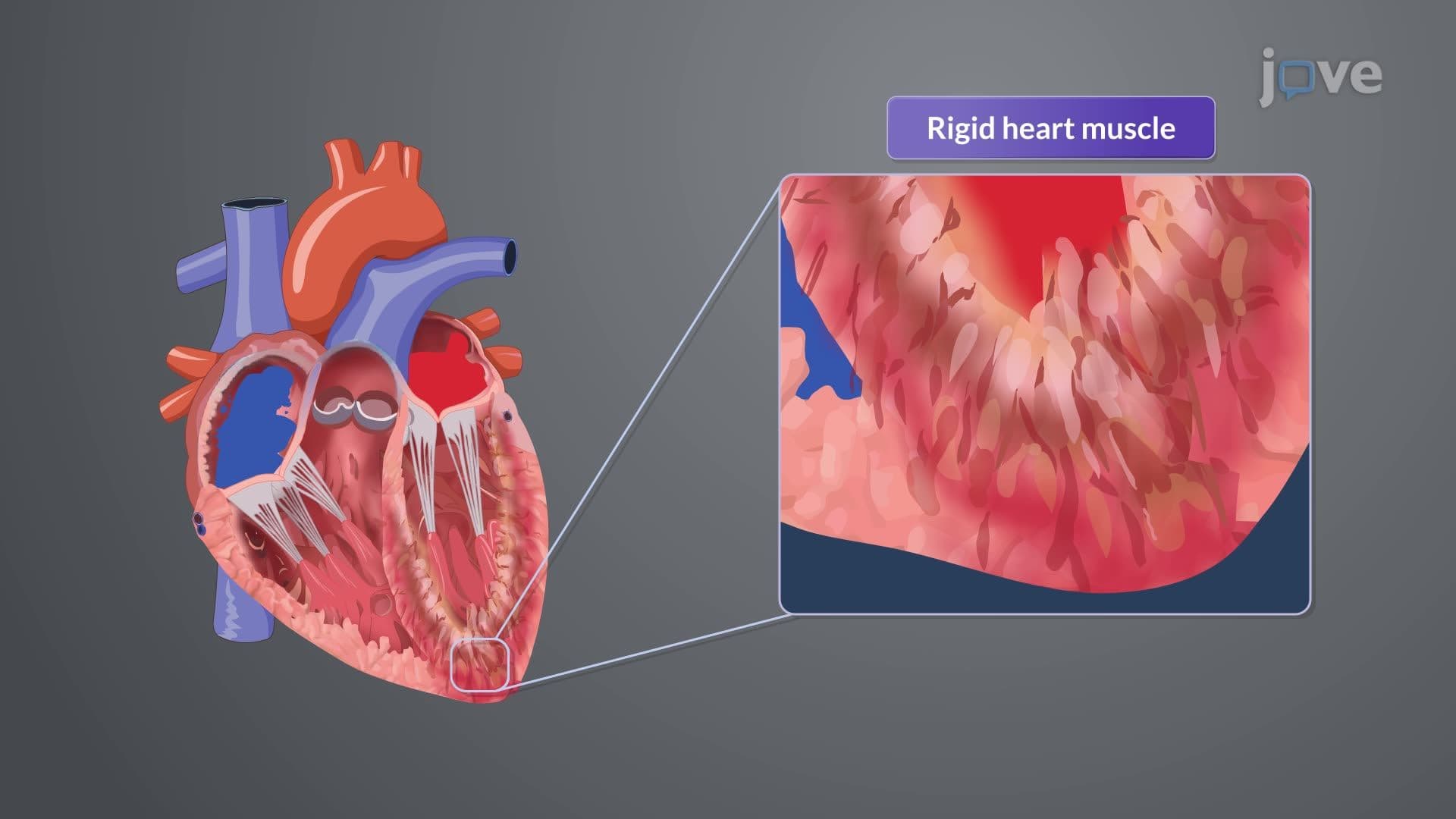
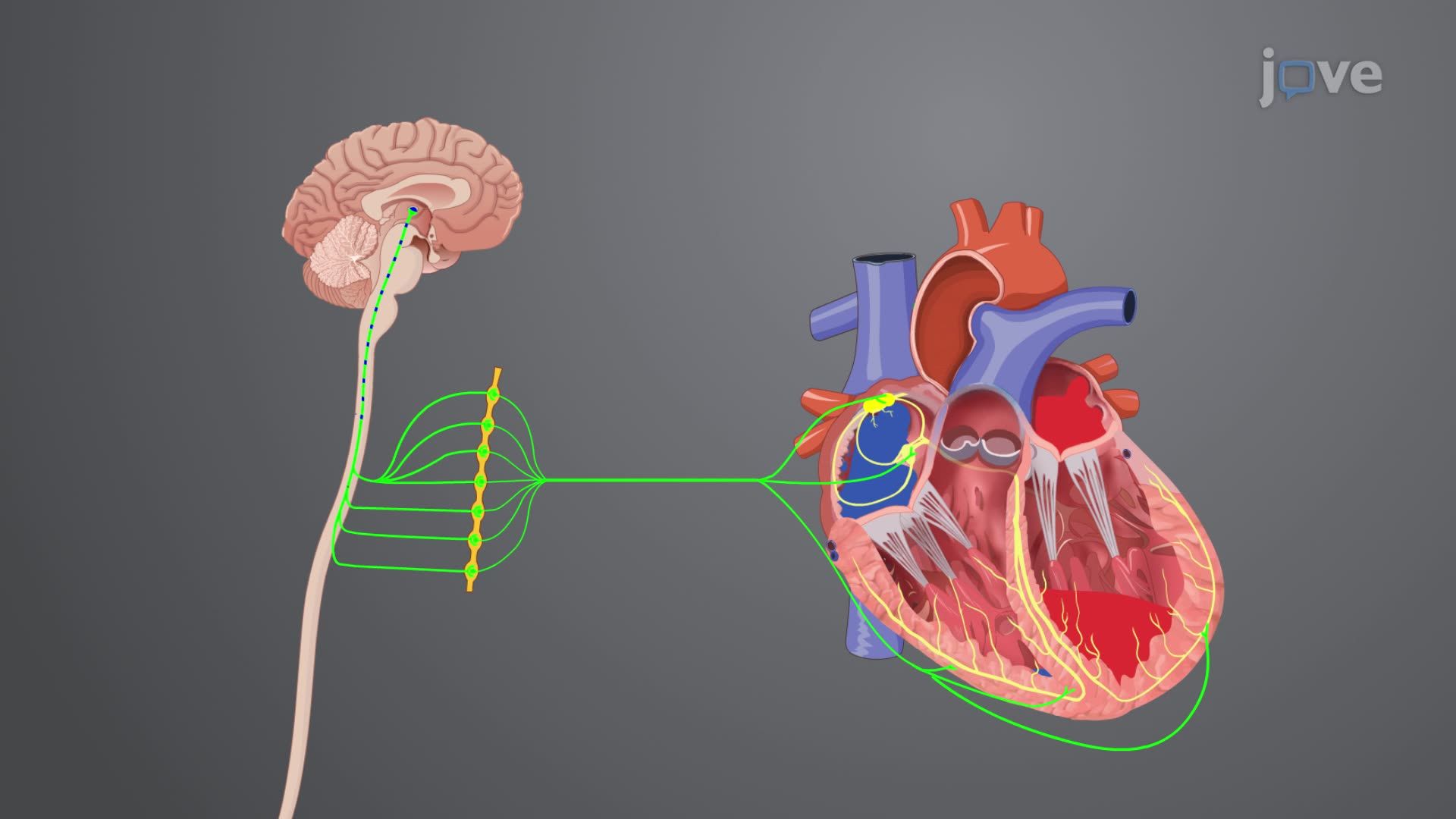
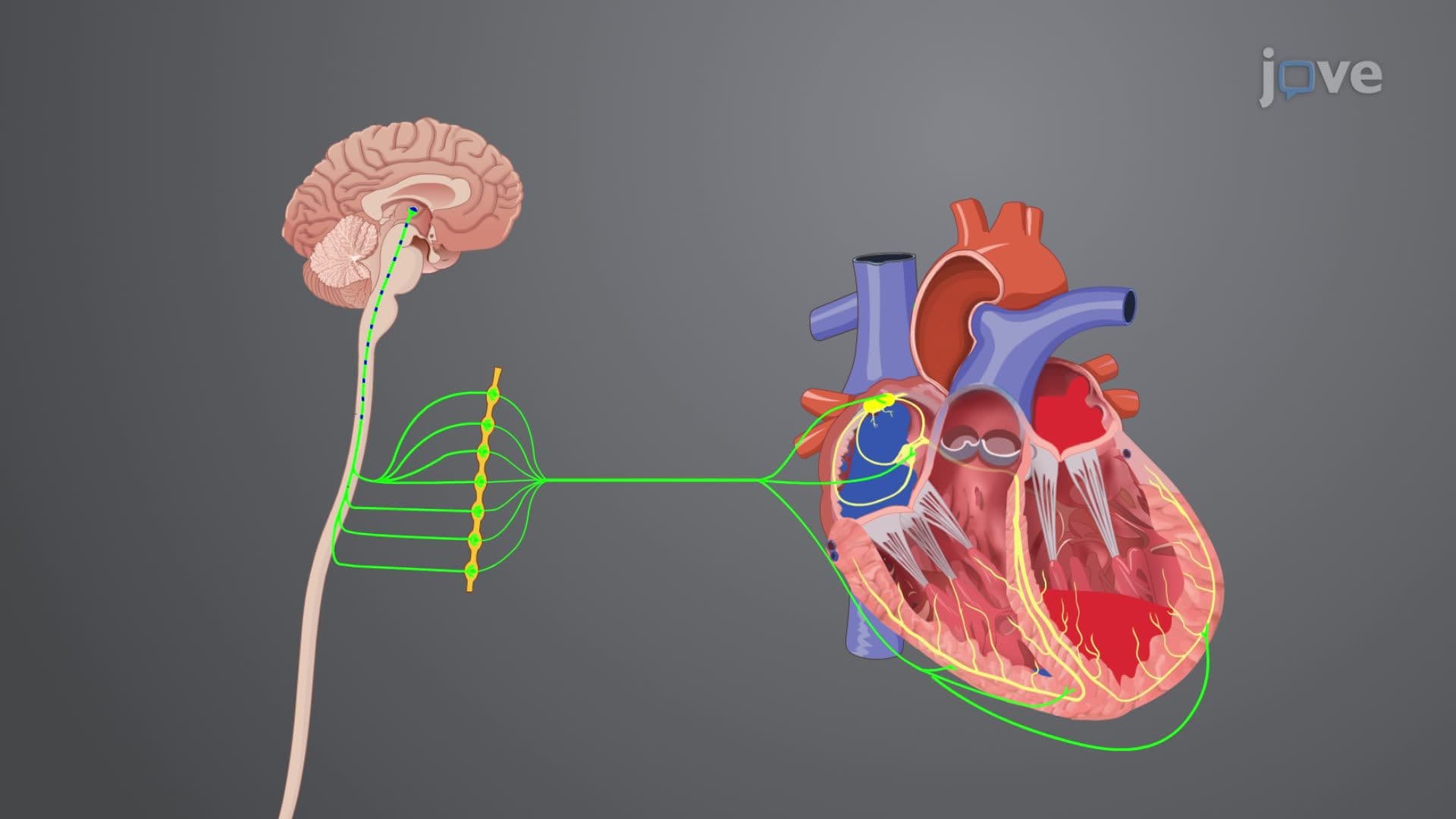
The heart failure ii pathophysiology definition begins with baroreceptor dysfunction. These specialized mechanoreceptors in the aortic arch and carotid sinuses normally detect blood pressure changes within milliseconds. In systolic heart failure, reduced stroke volume triggers these sensors to activate the sympathetic nervous system. This releases epinephrine and norepinephrine, increasing heart rate from a normal 60-80 beats per minute to potentially over 100 beats per minute. While this initially improves cardiac output, chronic sympathetic stimulation damages cardiomyocytes through calcium overload and oxidative stress.
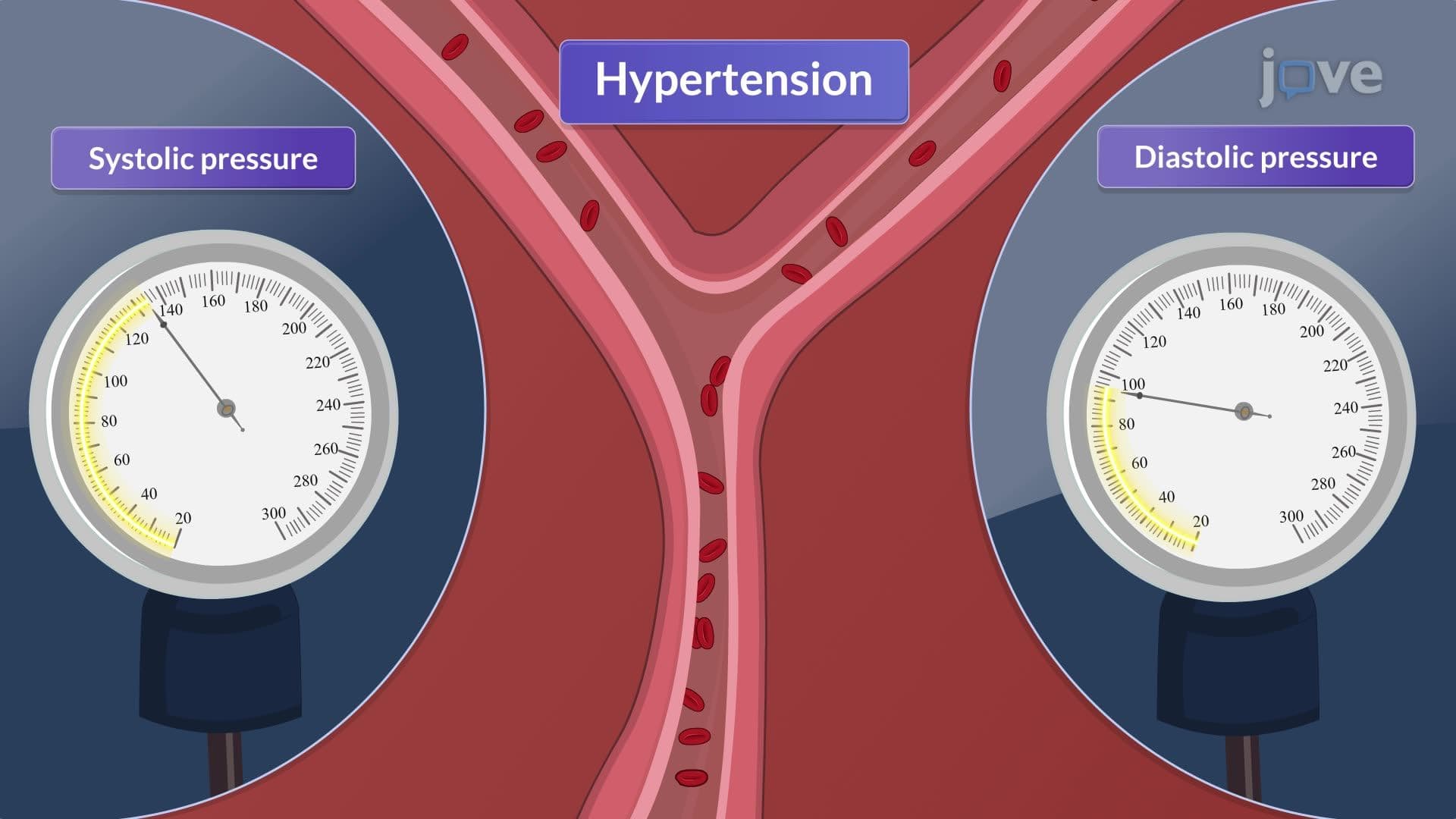
What is heart failure ii pathophysiology in detail encompasses the kidney's response to reduced perfusion. Juxtaglomerular cells release renin when renal blood flow drops below normal thresholds. This enzyme converts circulating angiotensinogen (produced by the liver) into angiotensin I. Pulmonary capillaries contain angiotensin-converting enzyme (ACE), which transforms angiotensin I into the powerful vasoconstrictor angiotensin II. Students preparing for the MCAT or AP Biology exams should understand that angiotensin II increases systemic vascular resistance by 20-30%, forcing the weakened left ventricle to work harder against increased afterload.
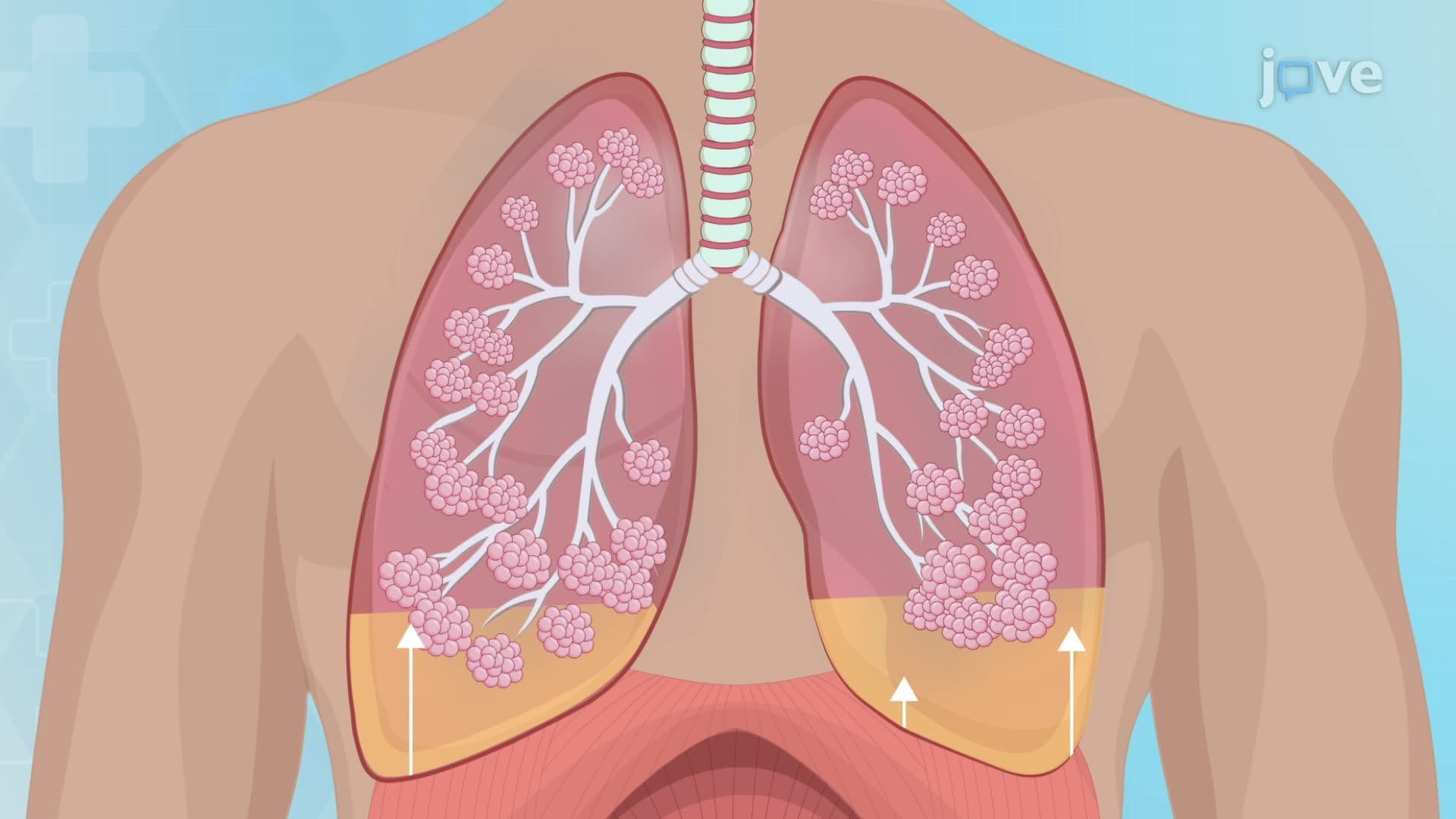
The heart failure ii pathophysiology overview reveals how aldosterone release creates a vicious cycle. This mineralocorticoid causes renal sodium retention, expanding blood volume by 10-15%. While increased preload temporarily improves stroke volume through the Frank-Starling mechanism, chronic volume overload stretches cardiac chambers beyond optimal sarcomere length. Natriuretic peptides (BNP and ANP) attempt to counteract this process through vasodilation and diuresis, but their effects become insufficient as heart failure progresses. College physiology courses emphasize how this imbalance leads to pulmonary edema, the hallmark finding in emergency departments across US hospitals from Johns Hopkins to UCLA Medical Center.
Related Micro-courses