Loading subject page…

2,474 views

Video Summary: Acute Coronary Syndrome I Introduction Explained
Every 40 seconds, someone in the United States suffers a heart attack-but did you know that acute coronary syndrome I introduction encompasses more than just classic heart attacks? This critical cardiovascular emergency includes three distinct conditions: unstable angina, NSTEMI, and STEMI, each presenting unique diagnostic challenges in emergency departments from Johns Hopkins to UCLA Medical Center. Understanding Acute Coronary Syndrome I Introduction Explained is essential for recognizing how blocked coronary arteries create life-threatening situations. Watch the full video on JoVE Coach to master this concept with expert-led visuals and step-by-step explanations.
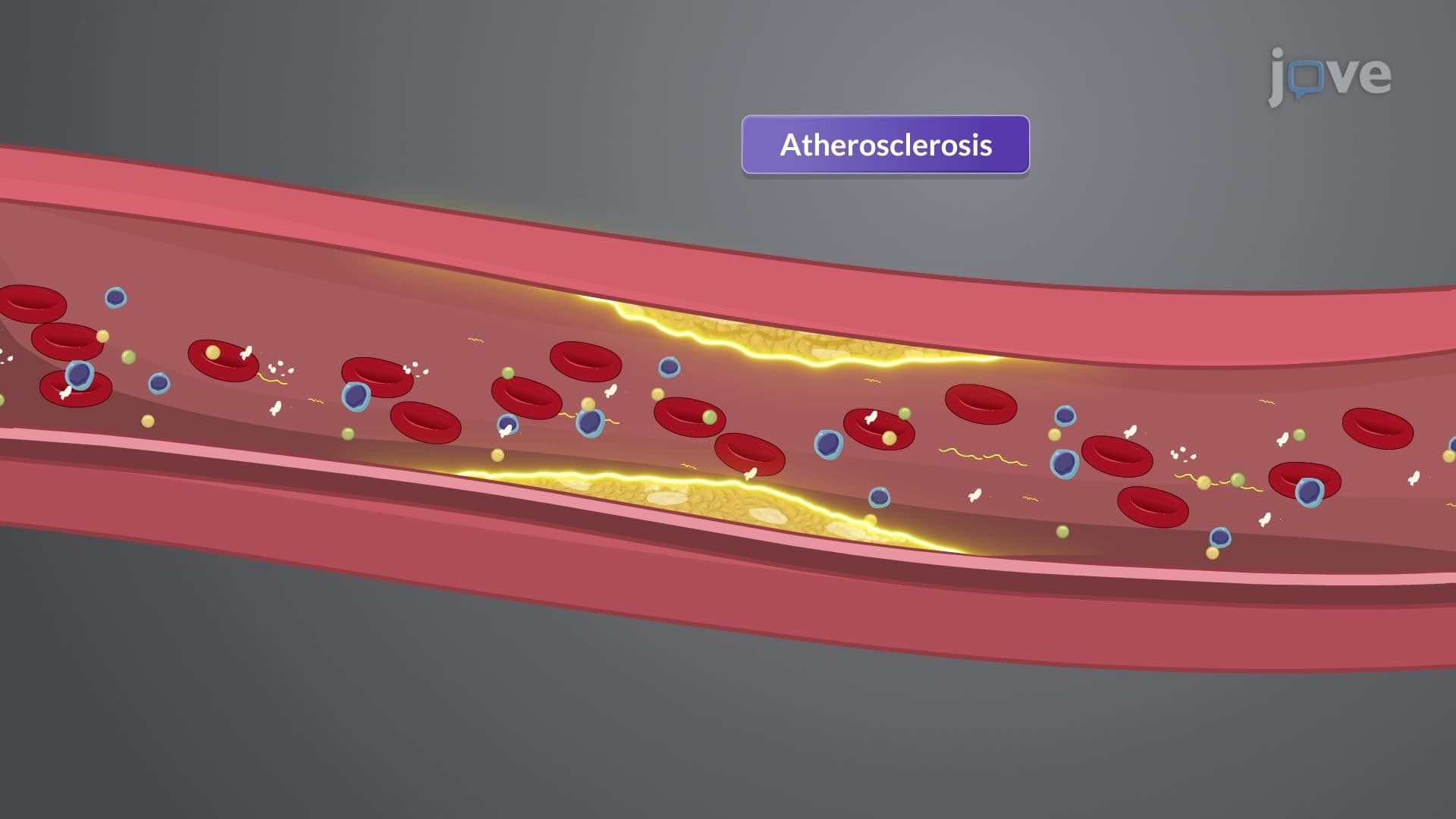
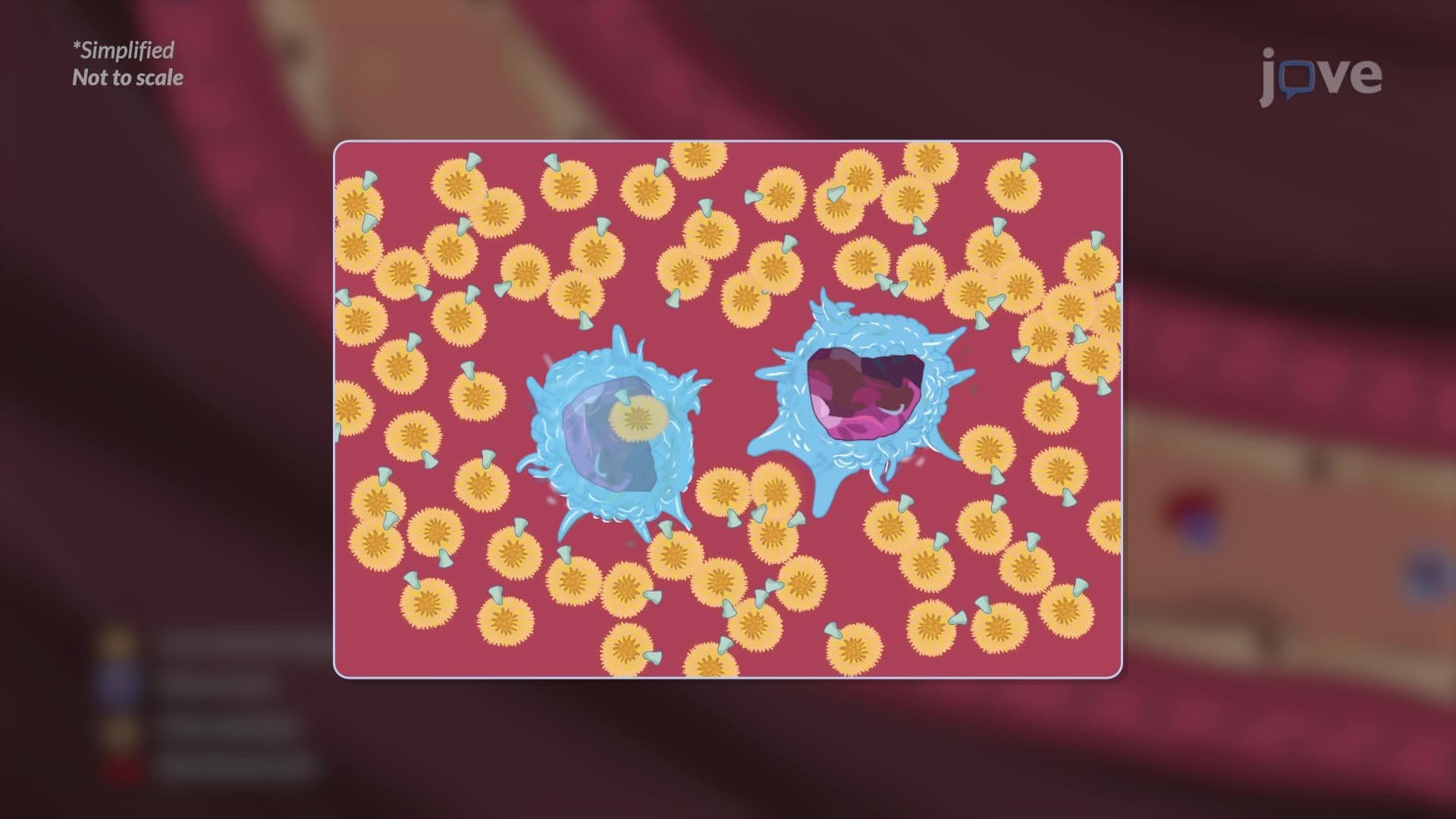
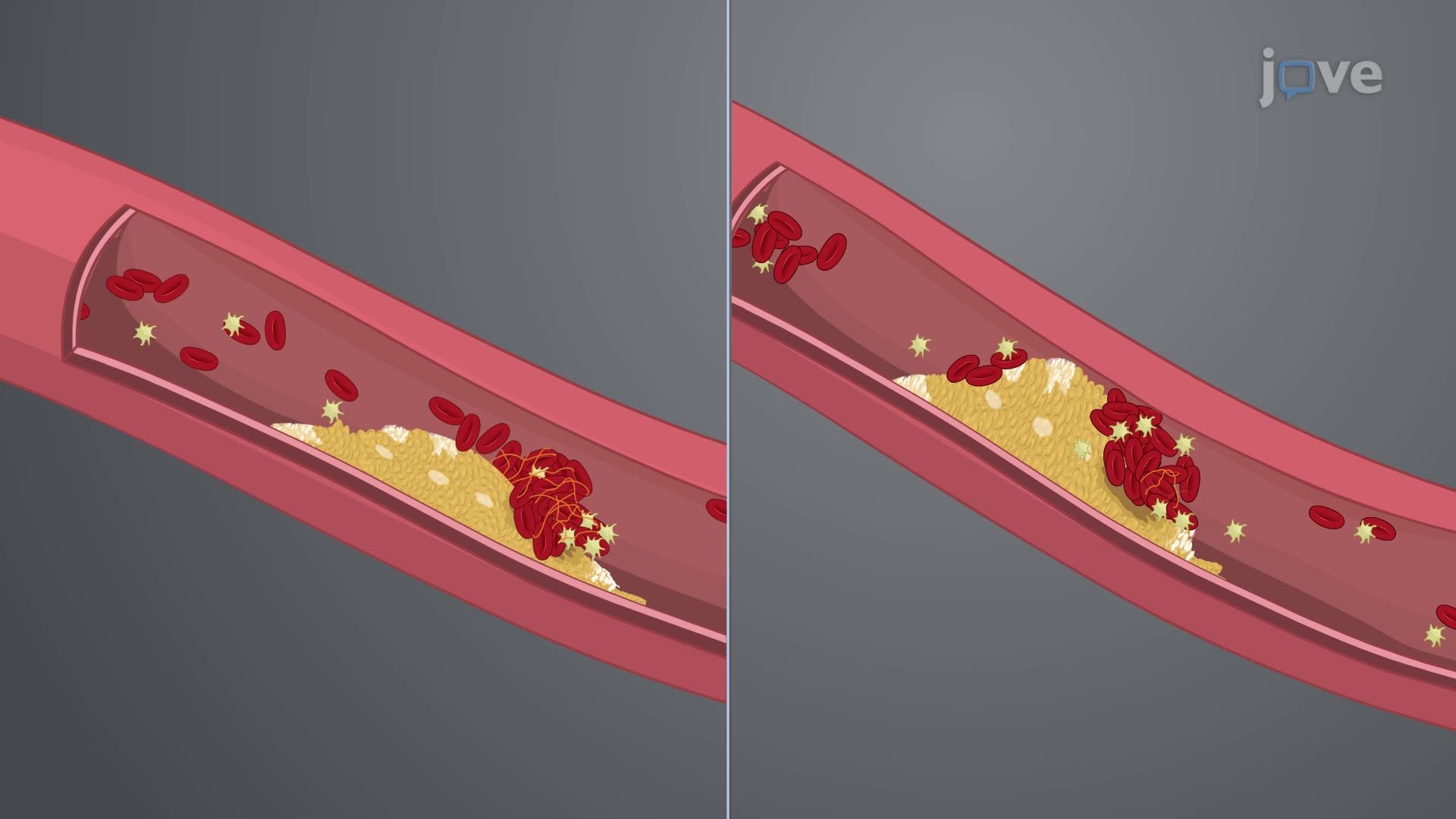
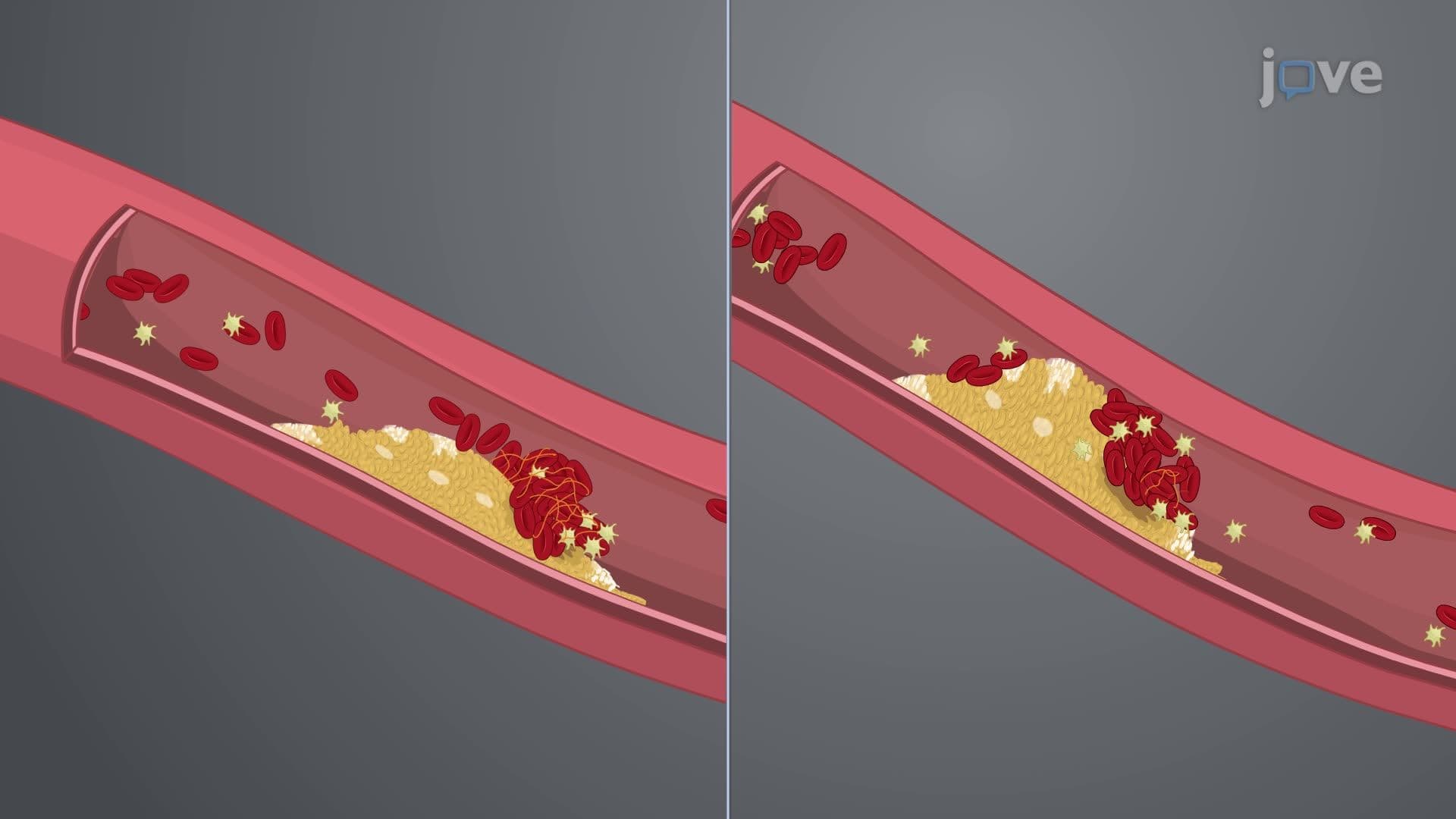
Acute Coronary Syndrome represents one of the most critical cardiovascular emergencies encountered in American hospitals, affecting over 1.5 million patients annually. The pathophysiology begins with atherosclerotic plaques-fatty deposits that accumulate in coronary arteries over years. When these plaques suddenly rupture, they trigger thrombus (blood clot) formation, creating the acute obstruction that defines ACS. This process differs from stable coronary artery disease, where narrowed arteries cause predictable chest pain only during exertion.
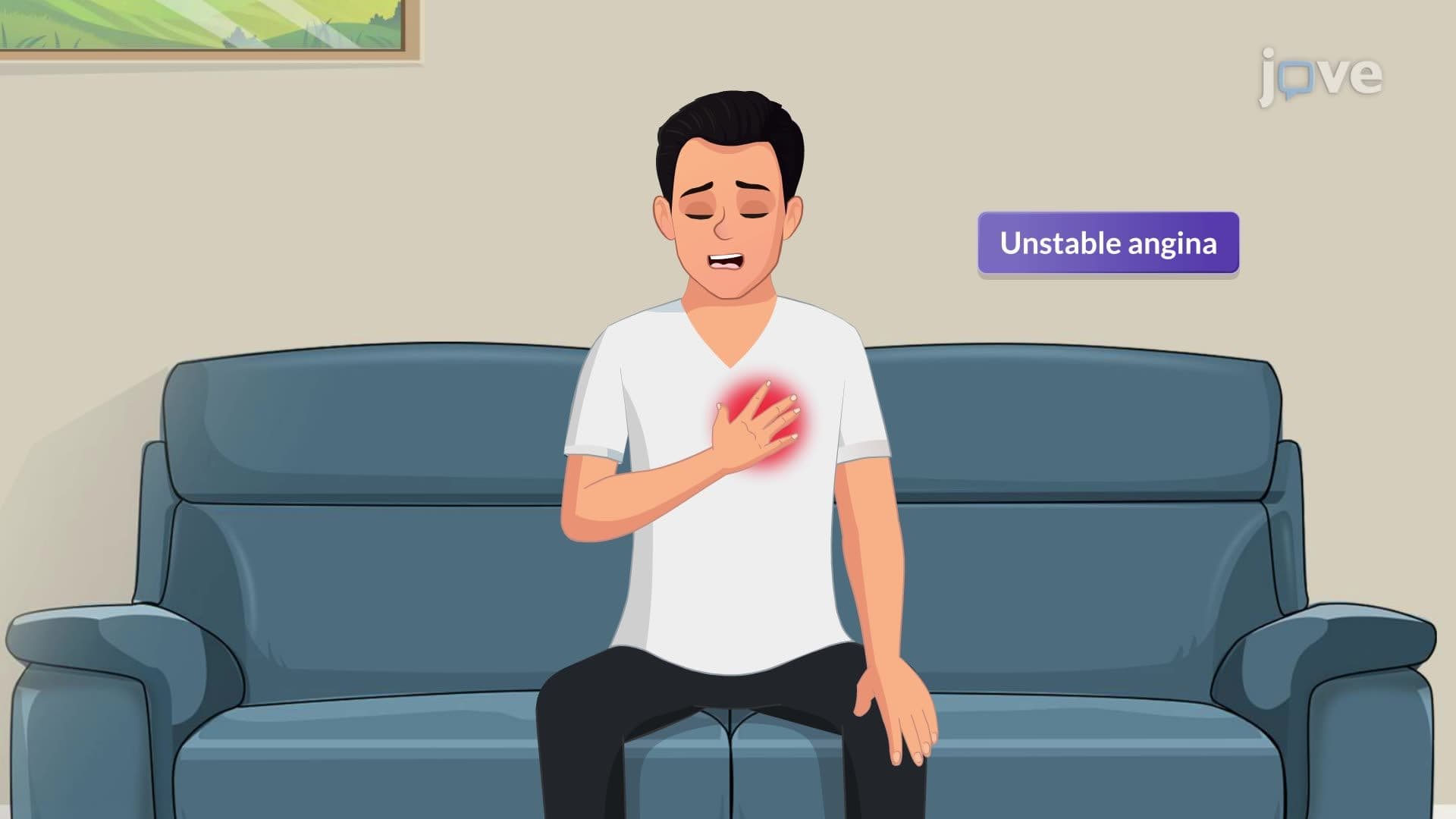
The ACS spectrum encompasses three distinct entities, each requiring different treatment approaches. Unstable angina presents the mildest form, where patients experience chest pain at rest or with minimal activity-a dramatic change from their baseline. These patients typically show transient ECG changes and minimal cardiac enzyme elevation, indicating threatened but not yet damaged heart muscle.
NSTEMI (Non-ST-Elevation Myocardial Infarction) represents partial-thickness heart muscle damage, typically affecting the subendocardium-the inner layer of the heart wall closest to the blood supply. Patients present with elevated cardiac biomarkers, confirming actual tissue death, while ECG changes include ST-depression or T-wave inversions without the classic ST-elevation pattern.
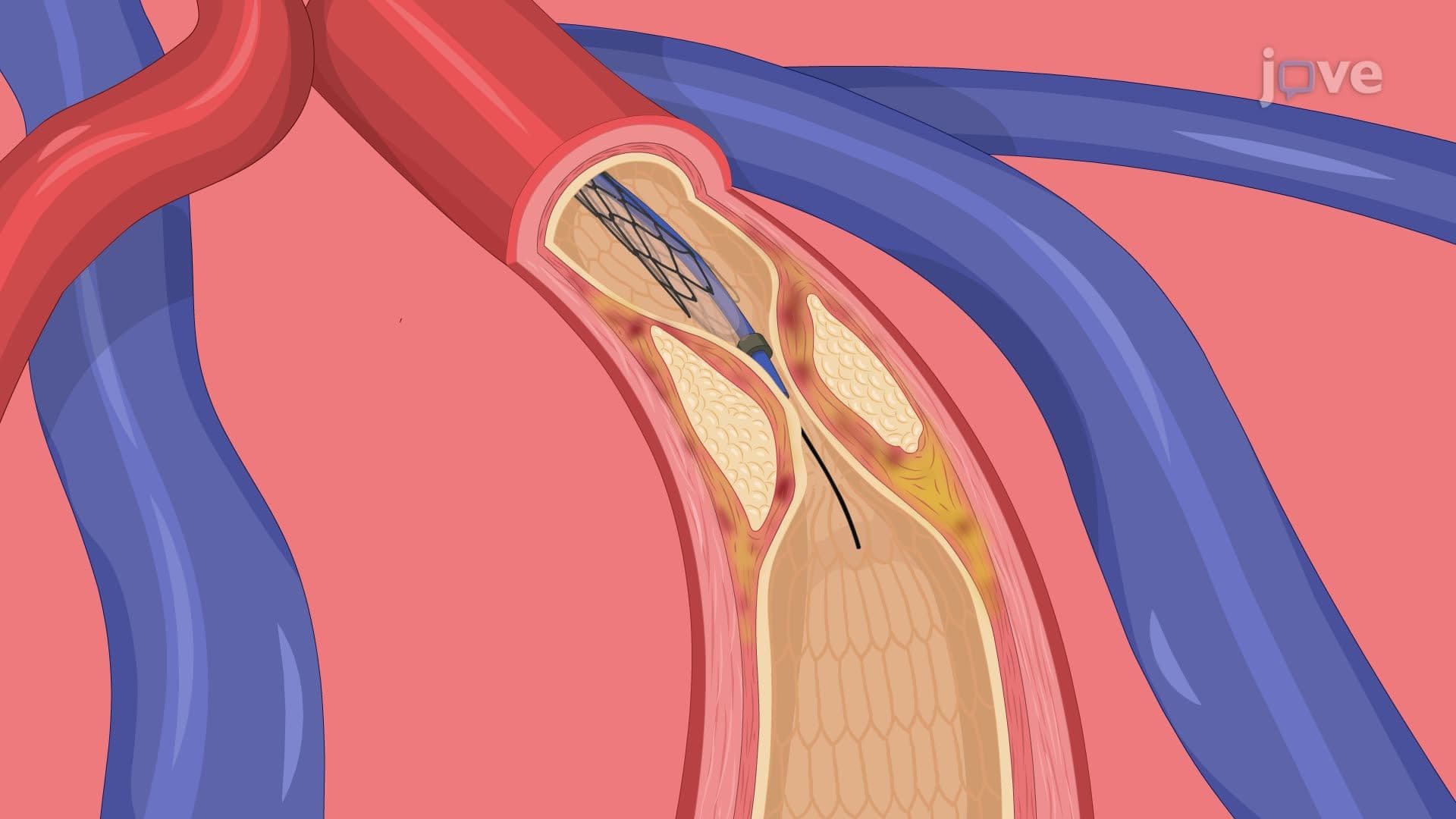
STEMI (ST-Elevation Myocardial Infarction) constitutes the most severe form, involving complete coronary artery occlusion leading to transmural infarction-full-thickness heart muscle death. The hallmark persistent ST-elevation on ECG reflects extensive tissue damage requiring immediate intervention, typically primary percutaneous coronary intervention (PCI) within 90 minutes of hospital arrival.
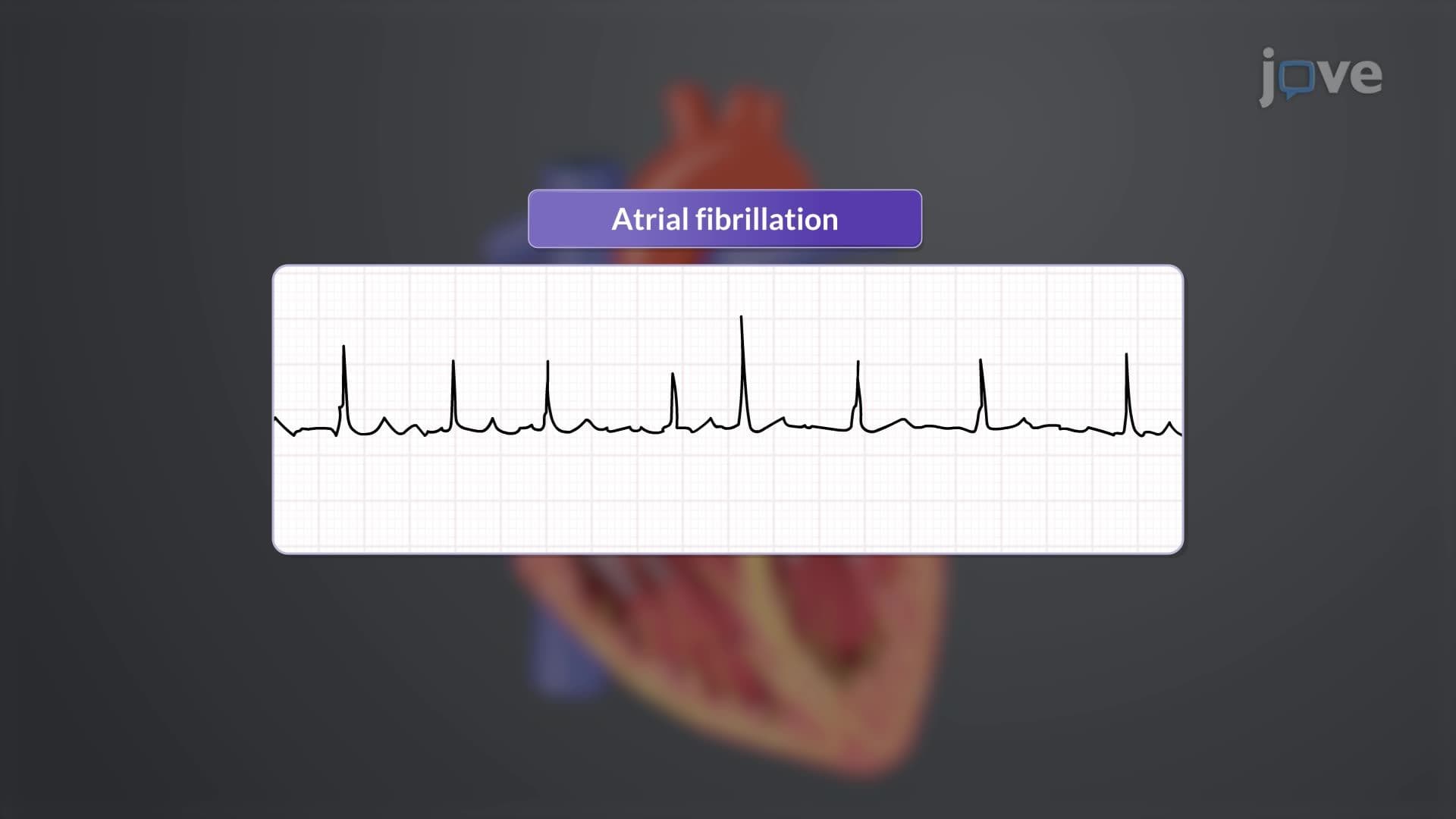
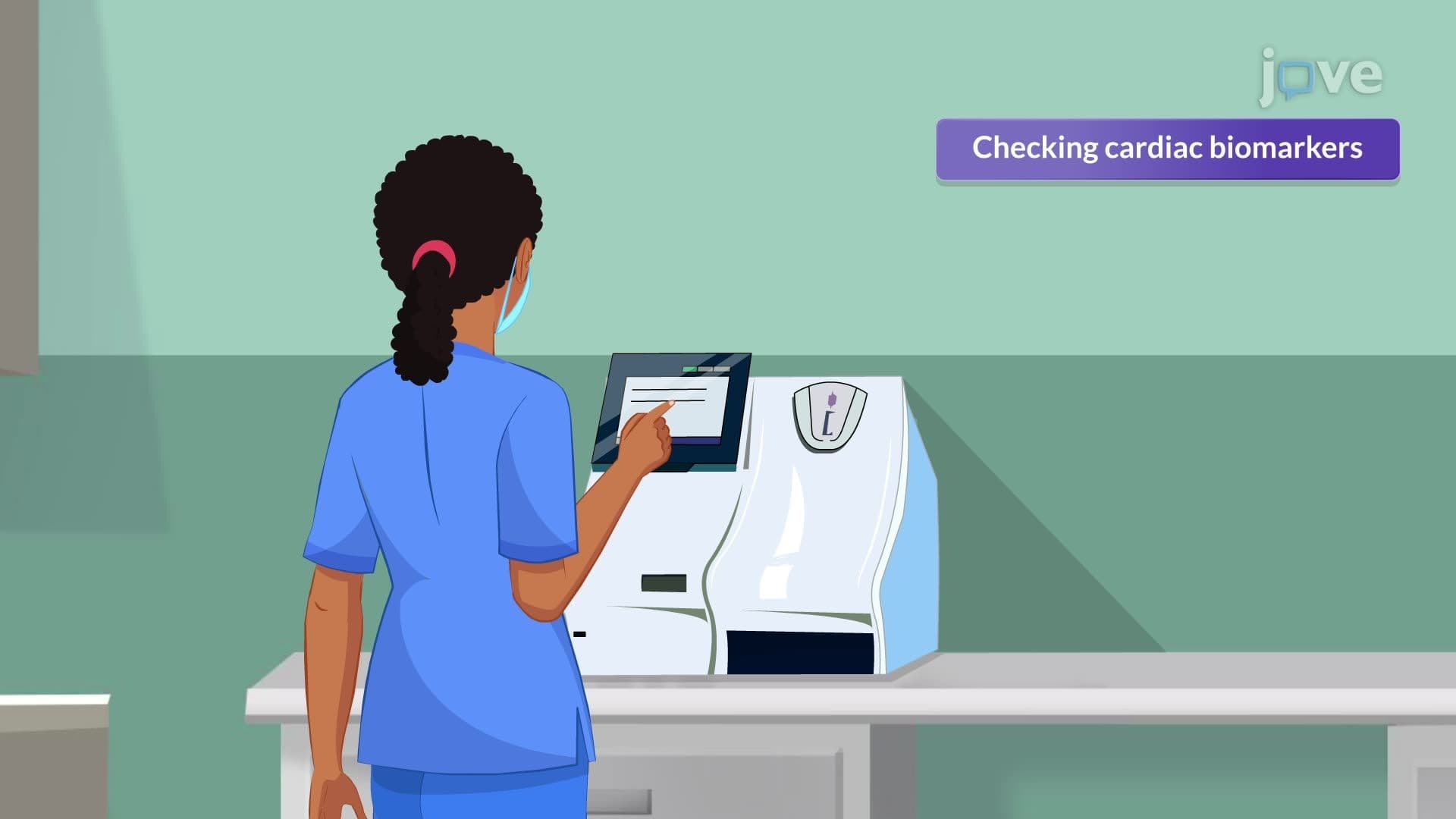
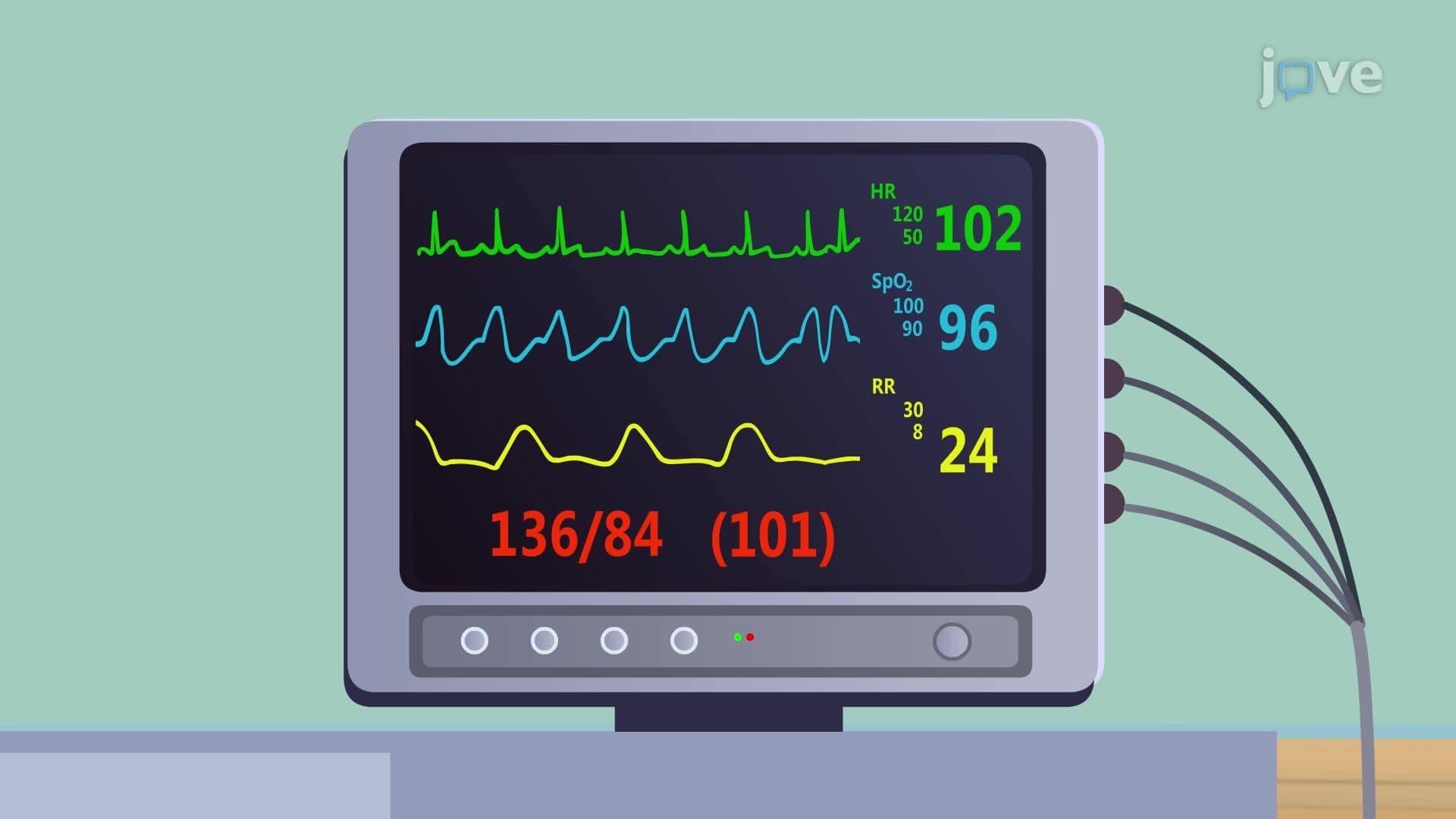
Modern ACS diagnosis relies on integrating clinical presentation, ECG findings, and cardiac biomarkers. High-sensitivity troponin assays, now standard in major medical centers like Mayo Clinic and Cleveland Clinic, can detect minute amounts of cardiac muscle protein released during injury. The timing of biomarker elevation varies: troponin rises within 3-4 hours and remains elevated for days, while CK-MB peaks earlier but returns to normal more quickly.
For students preparing for the MCAT or nursing school entrance exams like HESI A2, understanding these diagnostic timelines proves crucial. AP Biology students studying cardiovascular physiology will encounter ACS as an example of how homeostatic mechanisms fail during acute disease states.
Related Micro-courses