Loading subject page…

2,474 views
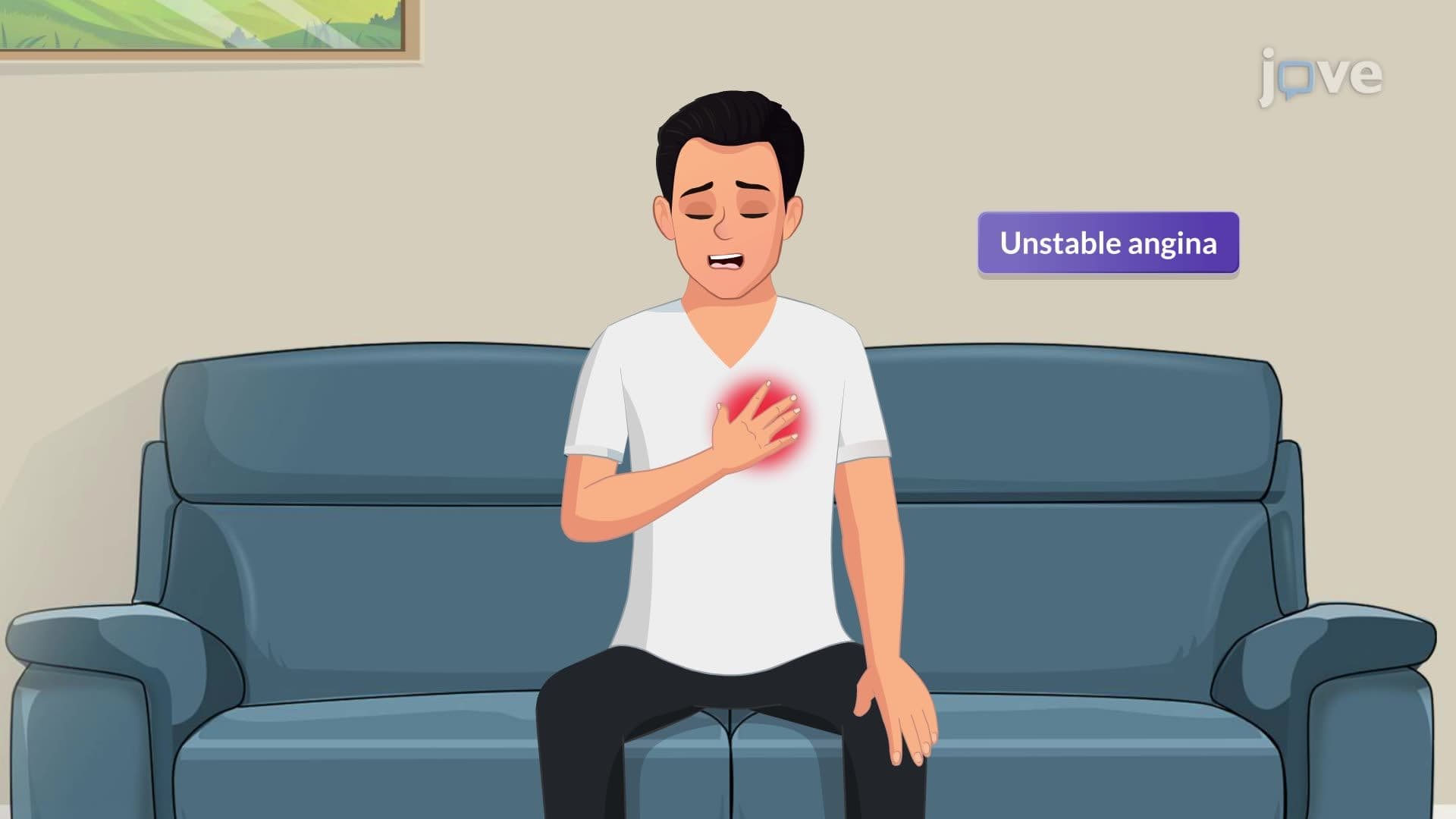

Video Summary: Acute Coronary Syndrome Ii Pathophysiology Explained
Did you know that every 36 seconds, someone in the United States dies from cardiovascular disease? Acute Coronary Syndrome II Pathophysiology Explained reveals the deadly cascade that occurs when coronary artery plaques rupture, triggering blood clots that can completely block heart arteries. This process affects over 805,000 Americans annually who experience heart attacks. Watch the full video on JoVE Coach to master this concept with expert-led visuals and step-by-step explanations.
The pathophysiology of acute coronary syndrome represents one of medicine's most critical emergency cascades. Unlike stable coronary artery disease, ACS involves dynamic plaque rupture that can rapidly progress from chest discomfort to life-threatening myocardial infarction. This process affects approximately 1.5 million Americans annually and serves as a cornerstone topic in AP Biology, pre-med courses, and nursing programs.
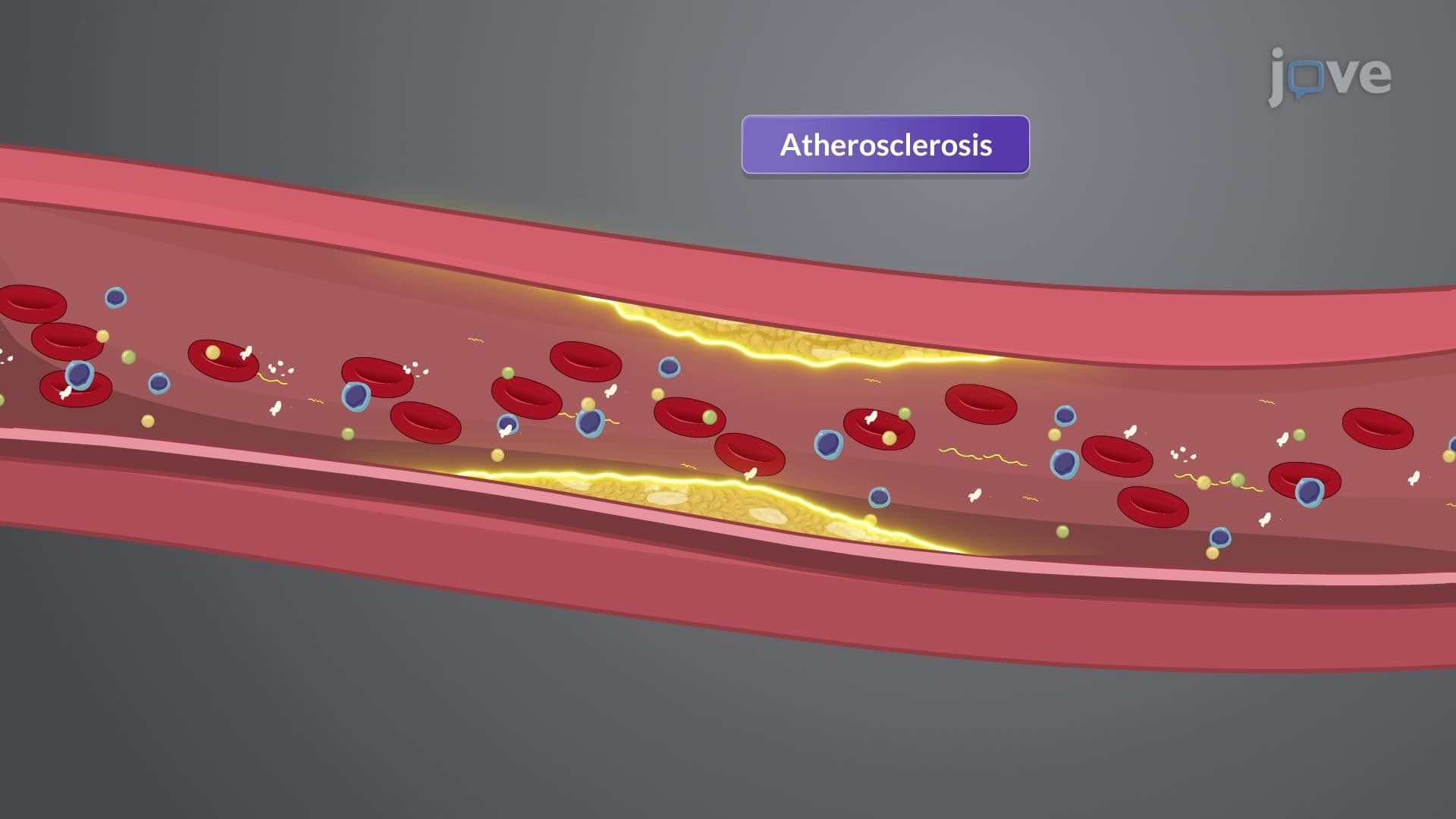
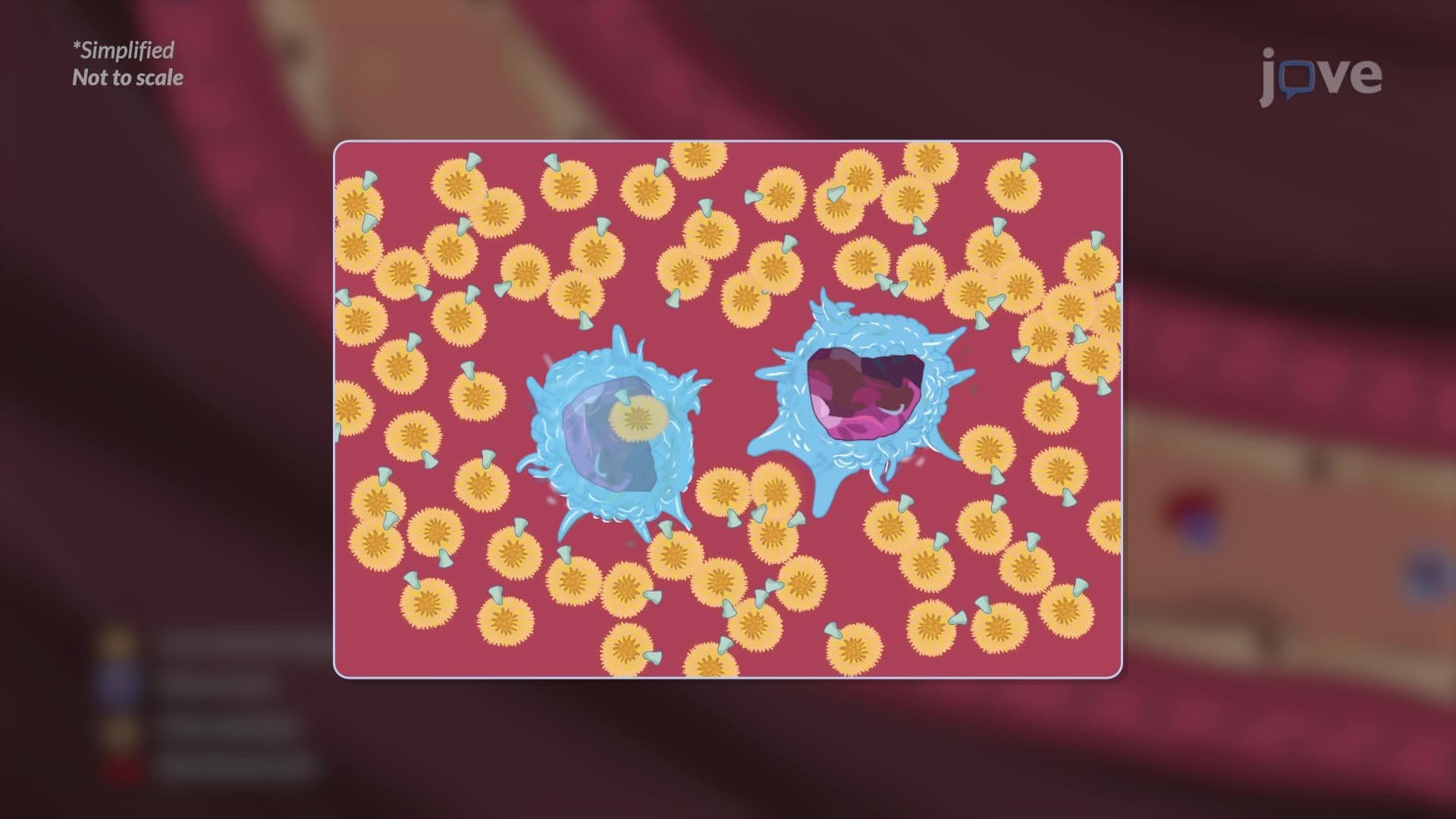
The foundation of ACS begins with atherosclerotic plaque formation in coronary arteries. These plaques develop over decades through lipid accumulation, inflammatory cell infiltration, and smooth muscle cell proliferation. The most dangerous plaques contain large lipid cores covered by thin fibrous caps-a structure that makes them vulnerable to rupture. Macrophages within these plaques secrete matrix metalloproteinases (MMPs), enzymes that systematically degrade the extracellular matrix proteins that provide structural integrity to the fibrous cap. This enzymatic degradation weakens the cap, creating conditions ripe for sudden rupture.
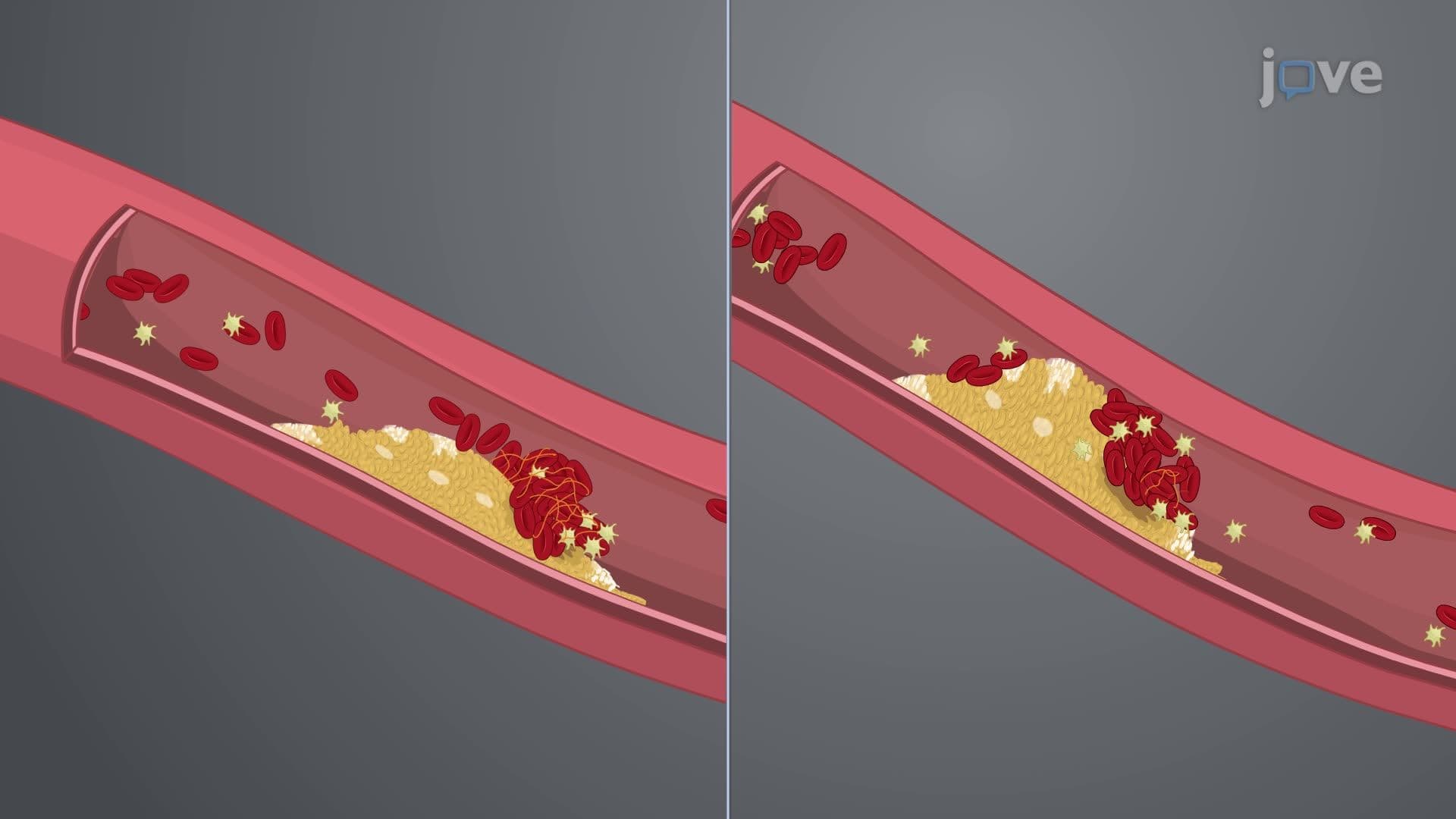
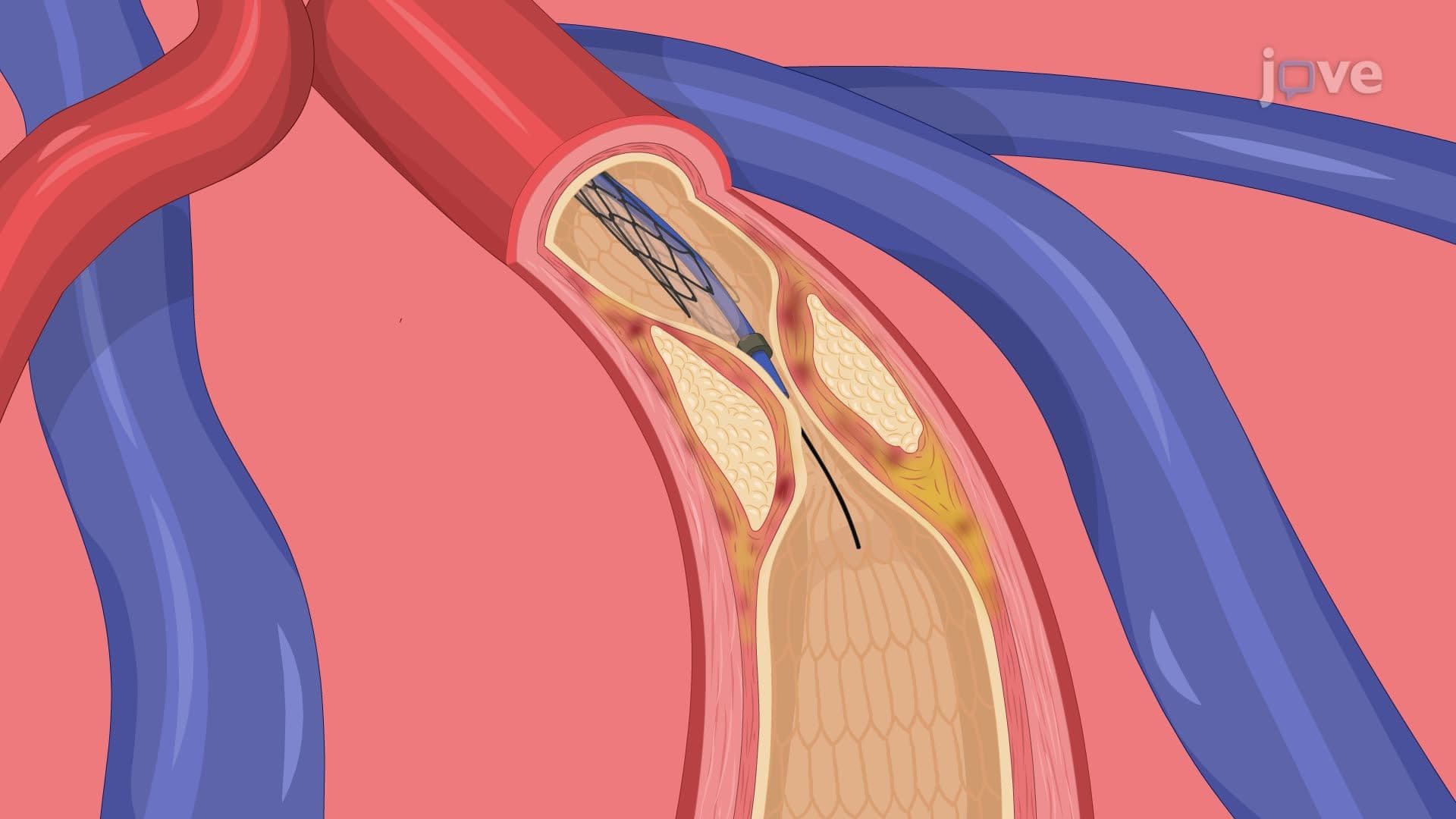
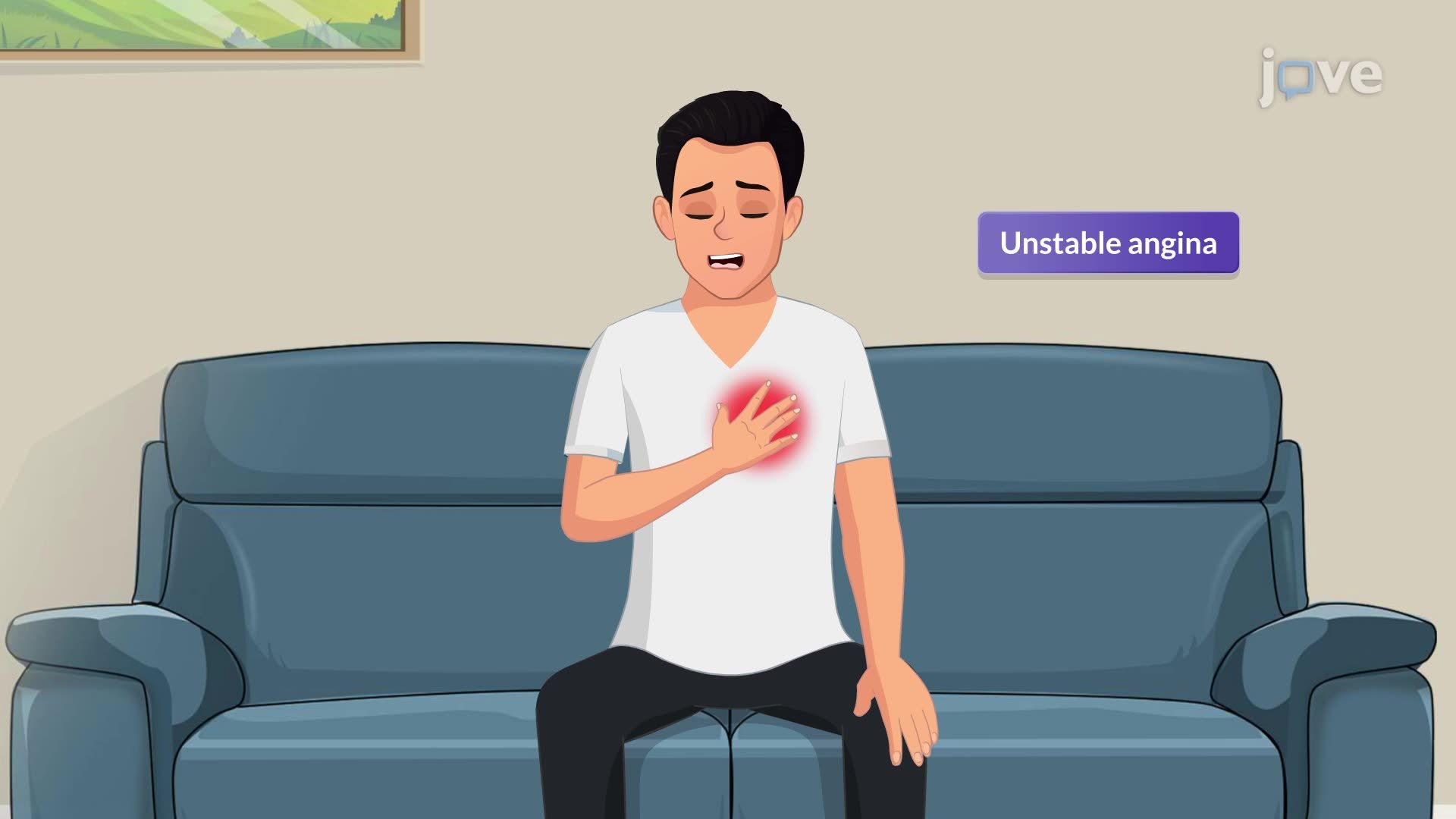
When plaque rupture occurs, the highly thrombogenic lipid core becomes exposed to circulating blood. This exposure immediately triggers the coagulation cascade, with platelets adhering to the exposed surface and forming the initial platelet plug. Simultaneously, the coagulation system activates, converting fibrinogen to fibrin and creating a stable thrombus. The size and stability of this clot determine clinical outcomes: partial occlusion typically produces unstable angina, while complete arterial occlusion results in ST-elevation myocardial infarction (STEMI)-a medical emergency requiring immediate intervention at facilities like Cleveland Clinic or Mayo Clinic.
The downstream effects of coronary occlusion create the classic ACS symptom complex. Myocardial ischemia triggers chest pain through activation of cardiac pain receptors, while autonomic nervous system stimulation produces associated symptoms like diaphoresis, nausea, and lightheadedness. At the cellular level, oxygen deprivation initiates anaerobic metabolism, leading to lactate accumulation and eventual cell death if blood flow isn't restored. This pathophysiology directly correlates with MCAT biochemistry questions and USMLE Step 1 cardiovascular pathology sections, making thorough understanding essential for medical school preparation.
Related Micro-courses