Loading video…

 15 Concepts
 2.5K views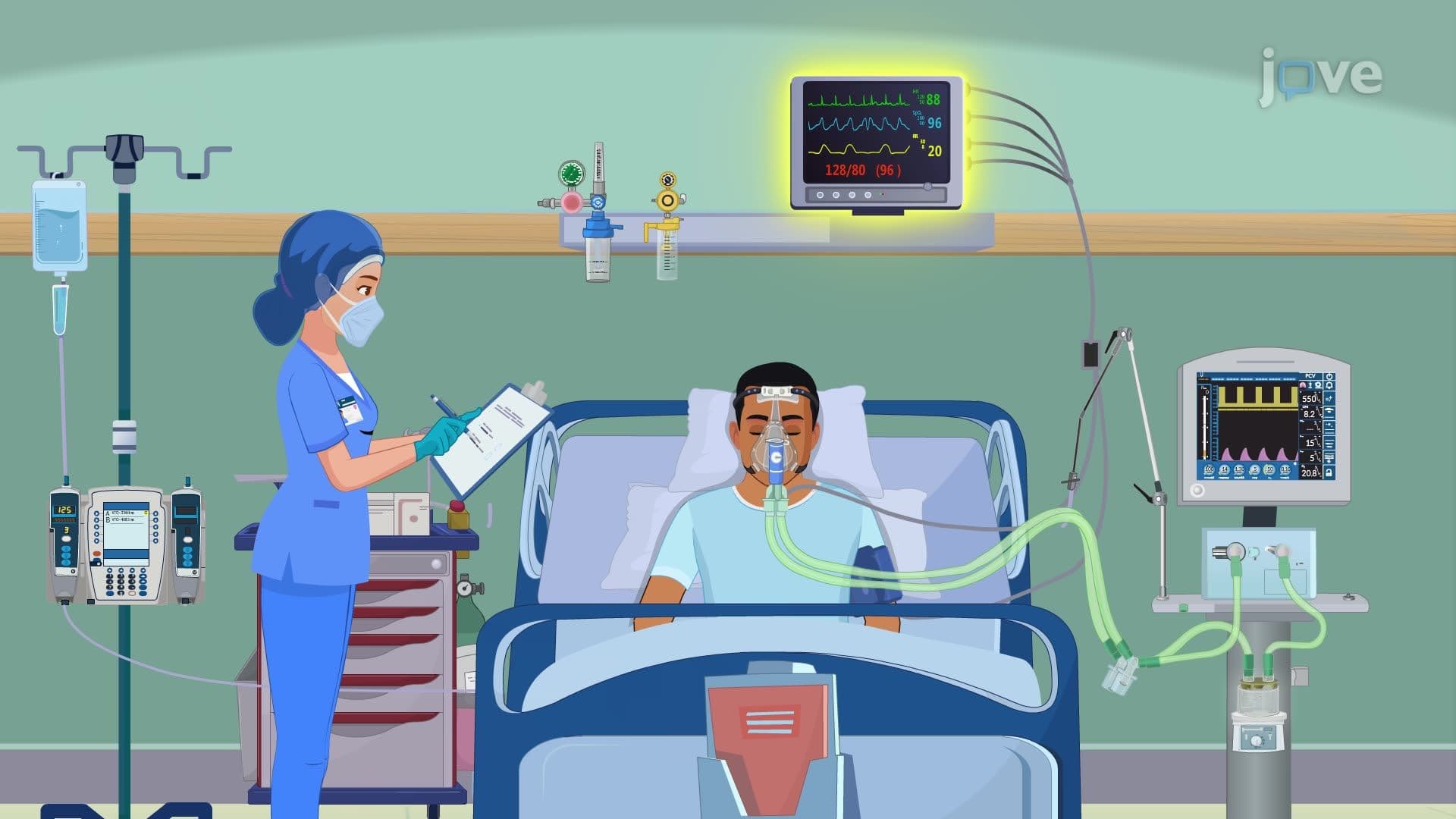

Video Summary: Acute Coronary Syndrome Iv Interprofessional Care Explained
Every year, over 750,000 Americans experience a heart attack, making acute coronary syndrome one of the leading medical emergencies requiring immediate, coordinated team intervention. Acute coronary syndrome IV interprofessional care involves multiple healthcare professionals working together to rapidly stabilize patients, minimize heart muscle damage, and prevent life-threatening complications through evidence-based protocols. At major medical centers like Cleveland Clinic, this coordinated approach has reduced mortality rates by over 30% in the past decade. Watch the full video on JoVE Coach to master this concept with expert-led visuals and step-by-step explanations.
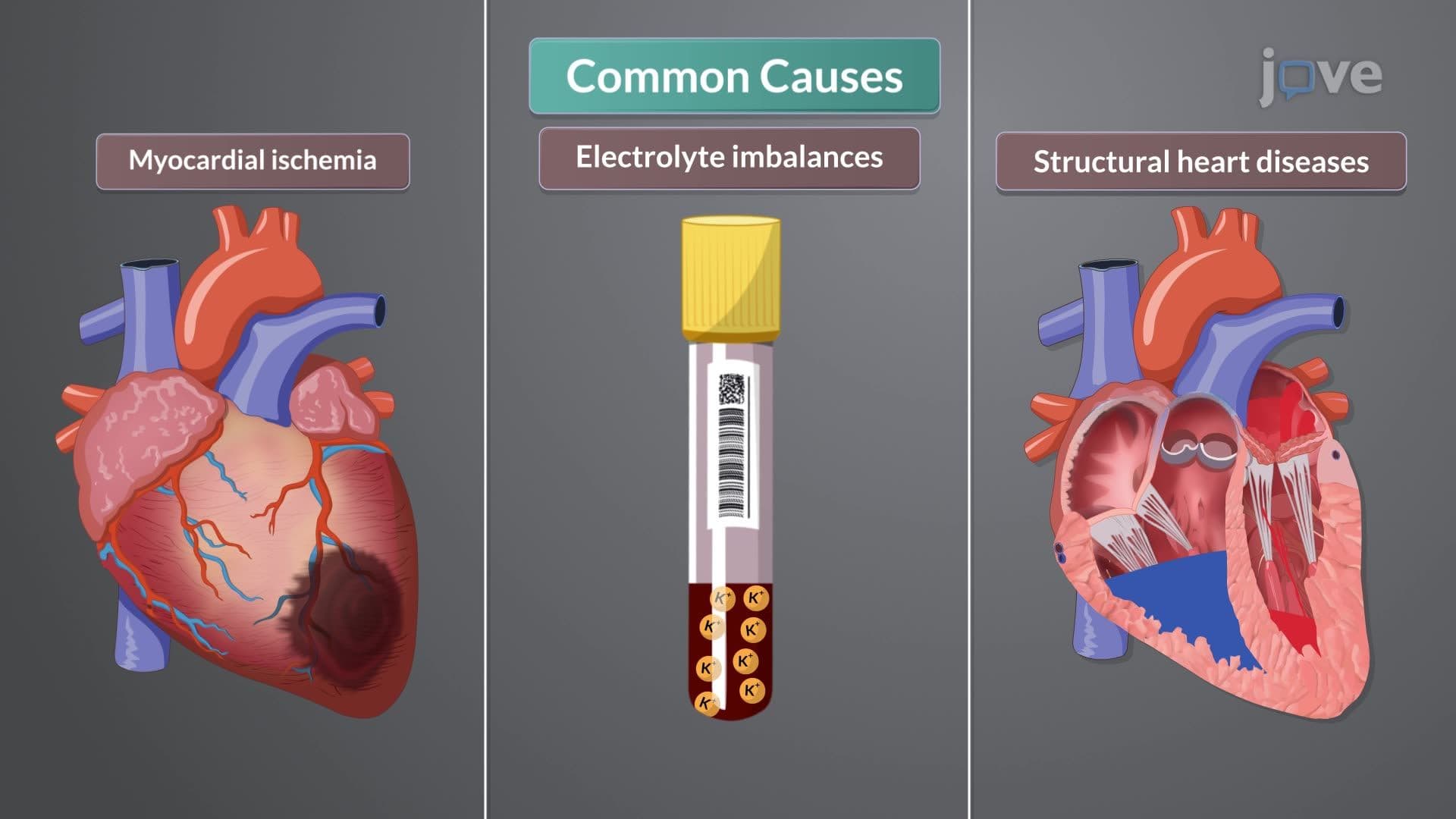
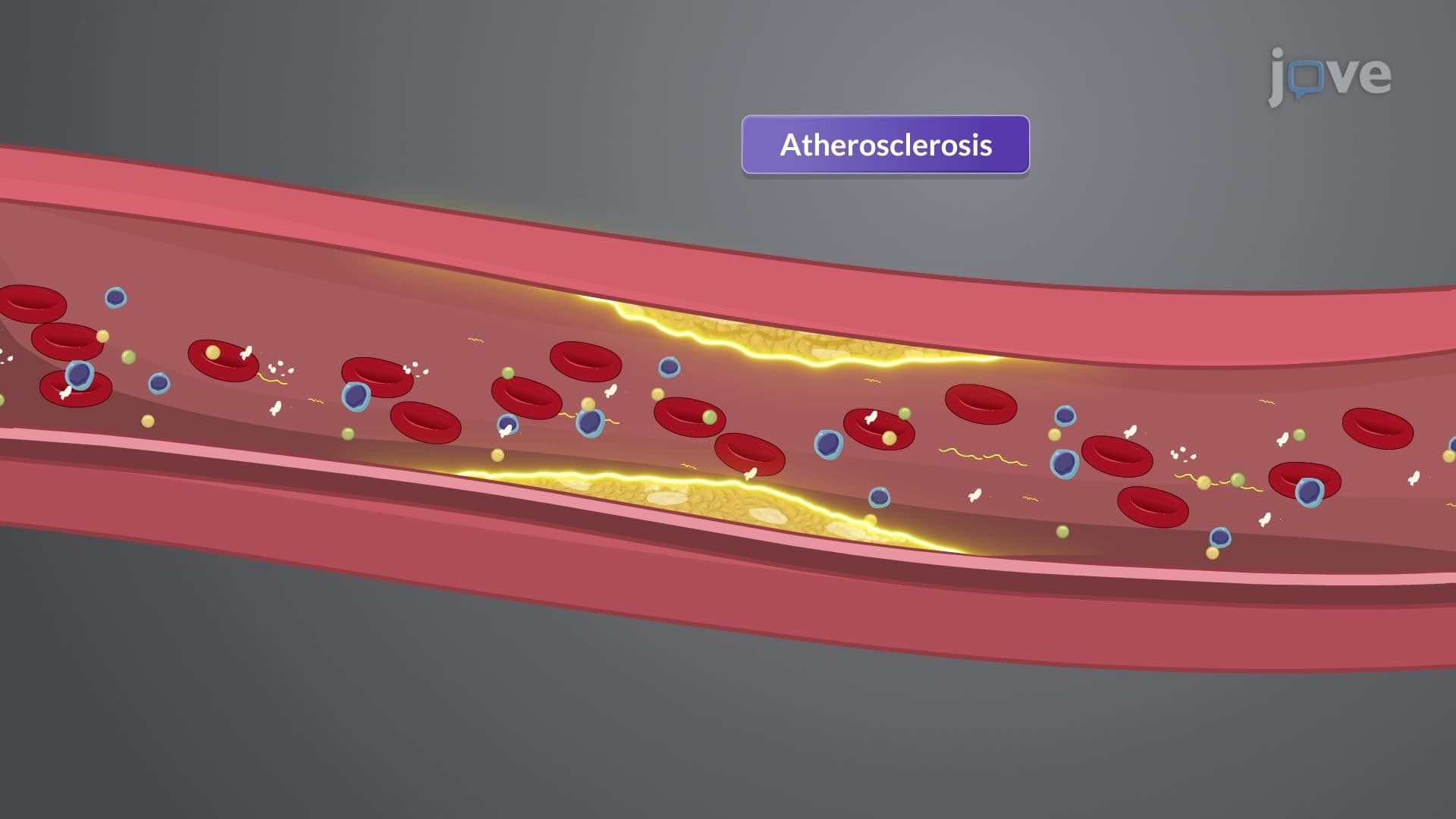
Acute coronary syndrome (ACS) represents a spectrum of conditions including unstable angina, non-ST-elevation myocardial infarction (NSTEMI), and ST-elevation myocardial infarction (STEMI). The interprofessional care approach involves cardiologists, emergency physicians, nurses, pharmacists, and rehabilitation specialists working in coordinated teams to deliver time-sensitive, evidence-based interventions.
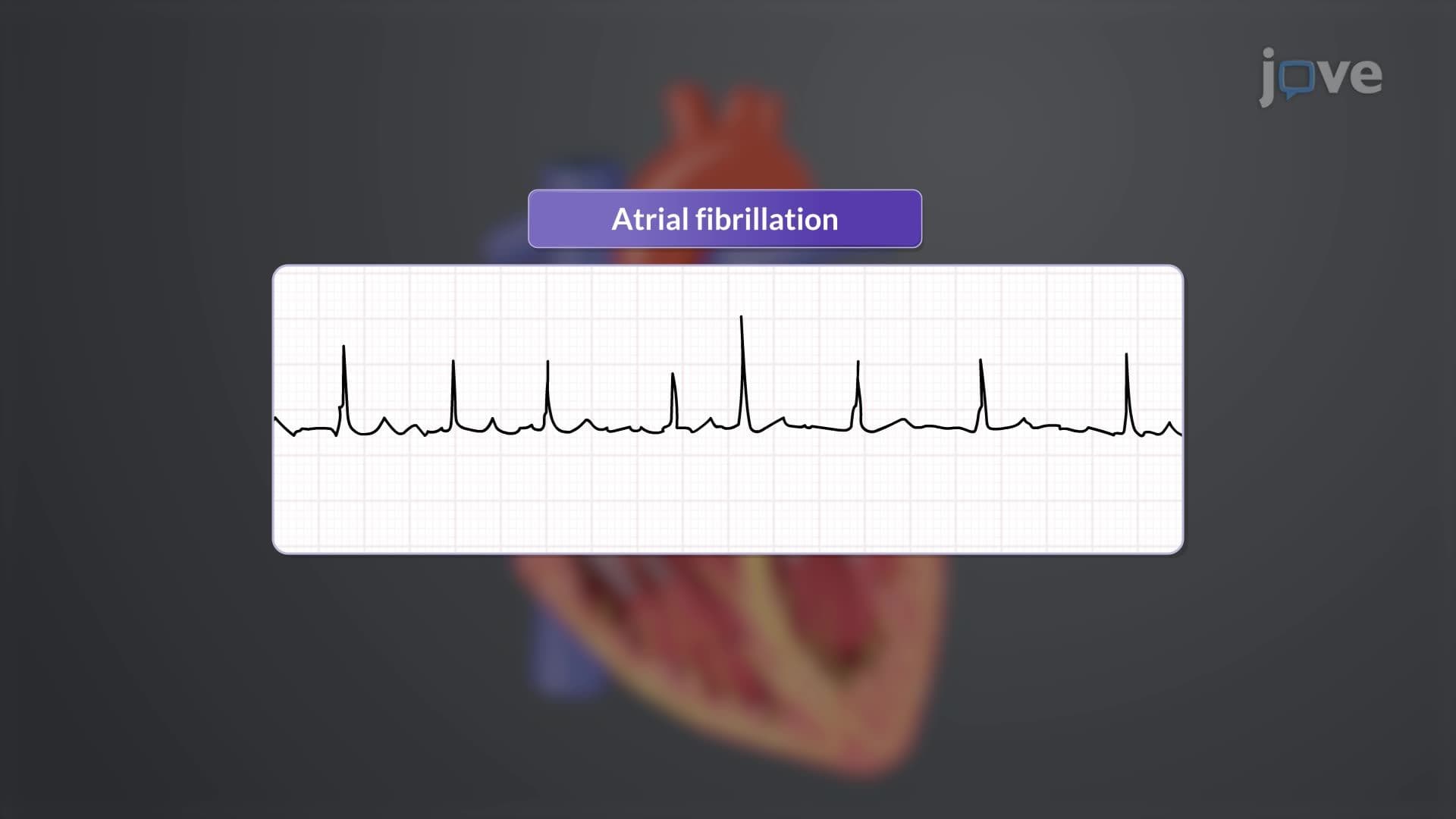
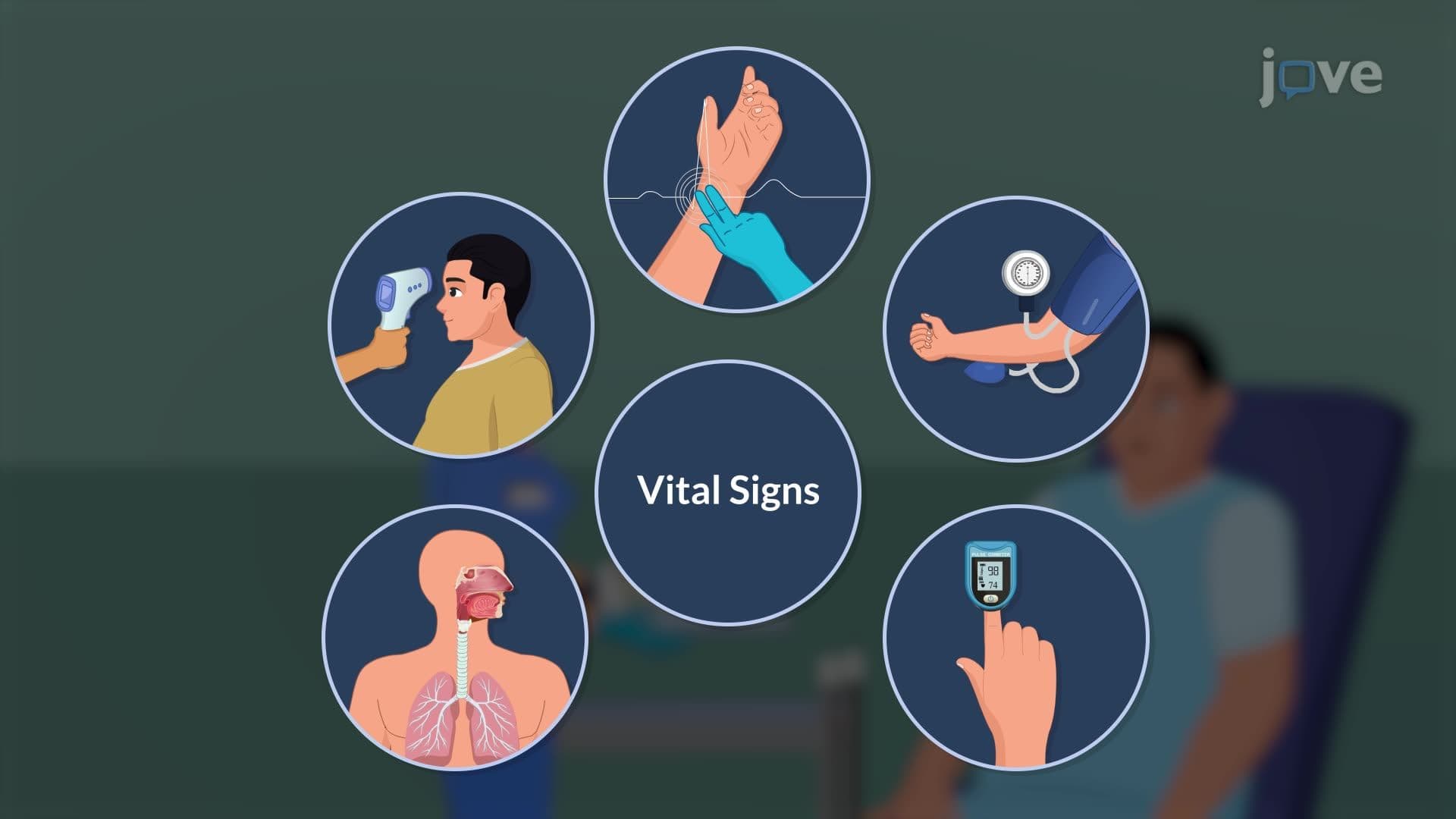
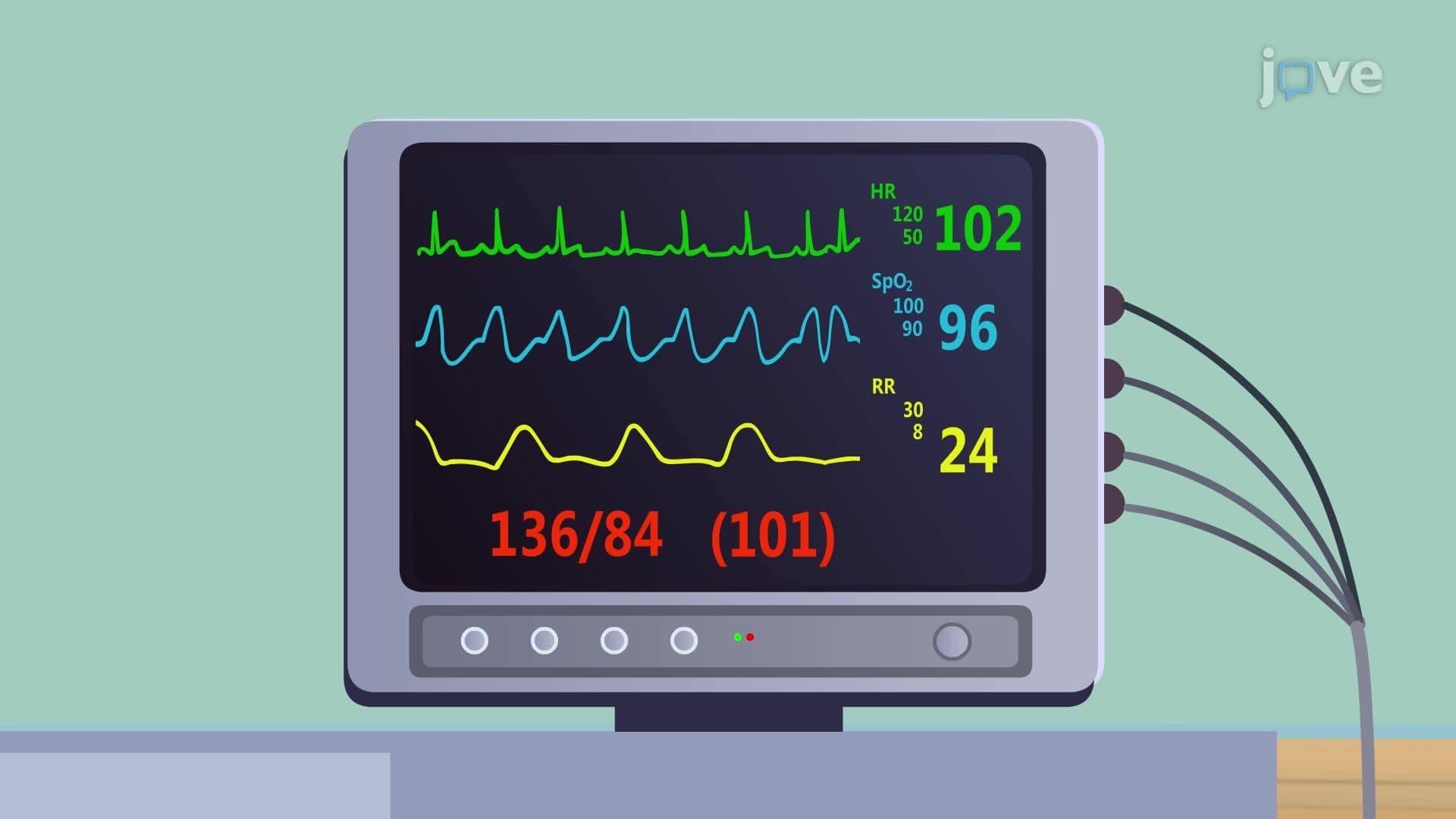
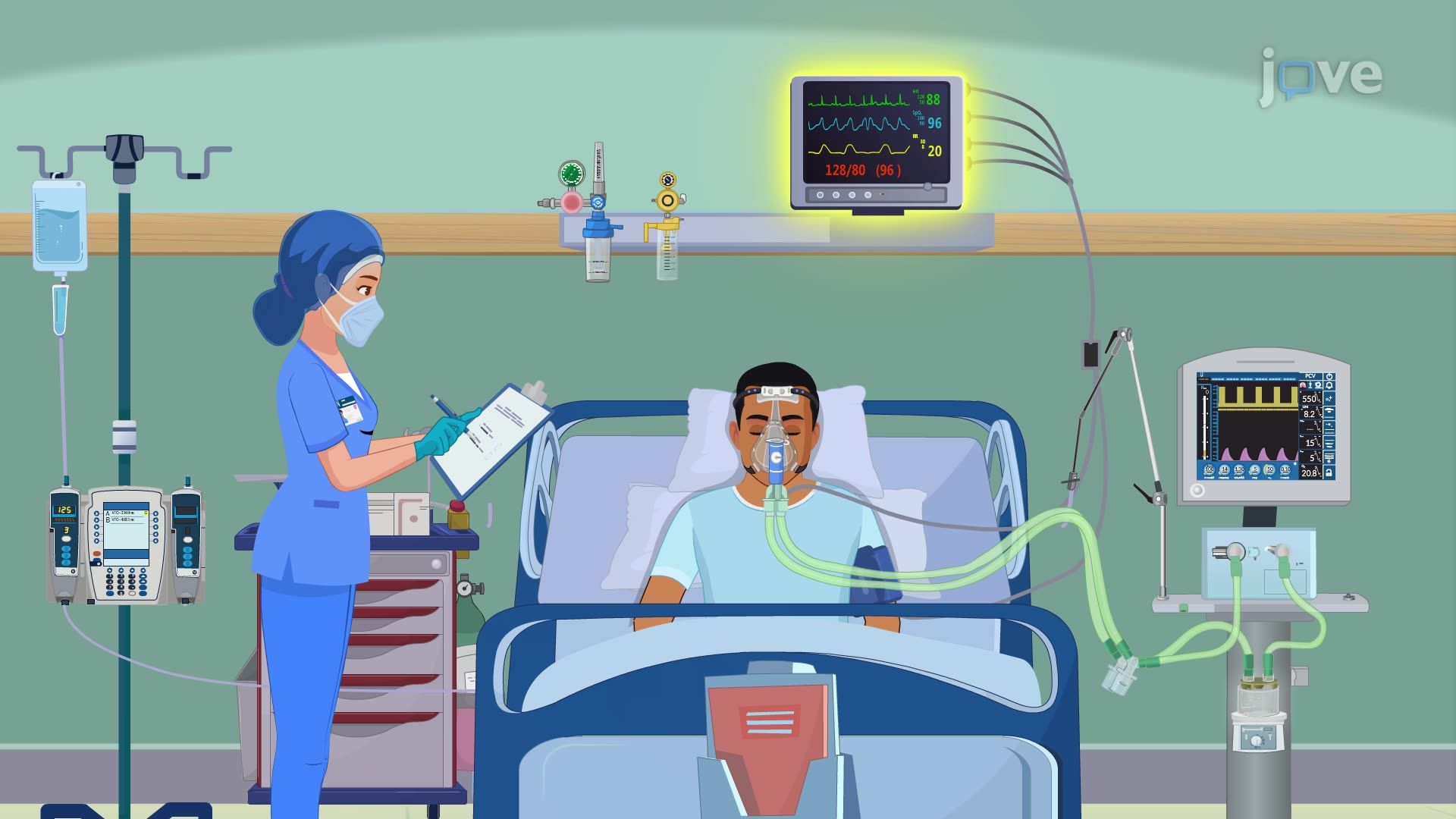
The initial phase focuses on rapid assessment and stabilization. Patients require continuous cardiac monitoring in intensive care units, where specialized nurses can detect arrhythmias and monitor for complications. Oxygen supplementation becomes critical for patients experiencing respiratory distress or maintaining oxygen saturation below 90%. This collaborative approach ensures that respiratory therapists, nurses, and physicians work together to optimize oxygenation while avoiding unnecessary oxygen administration, which recent studies have shown can be harmful in certain ACS patients.
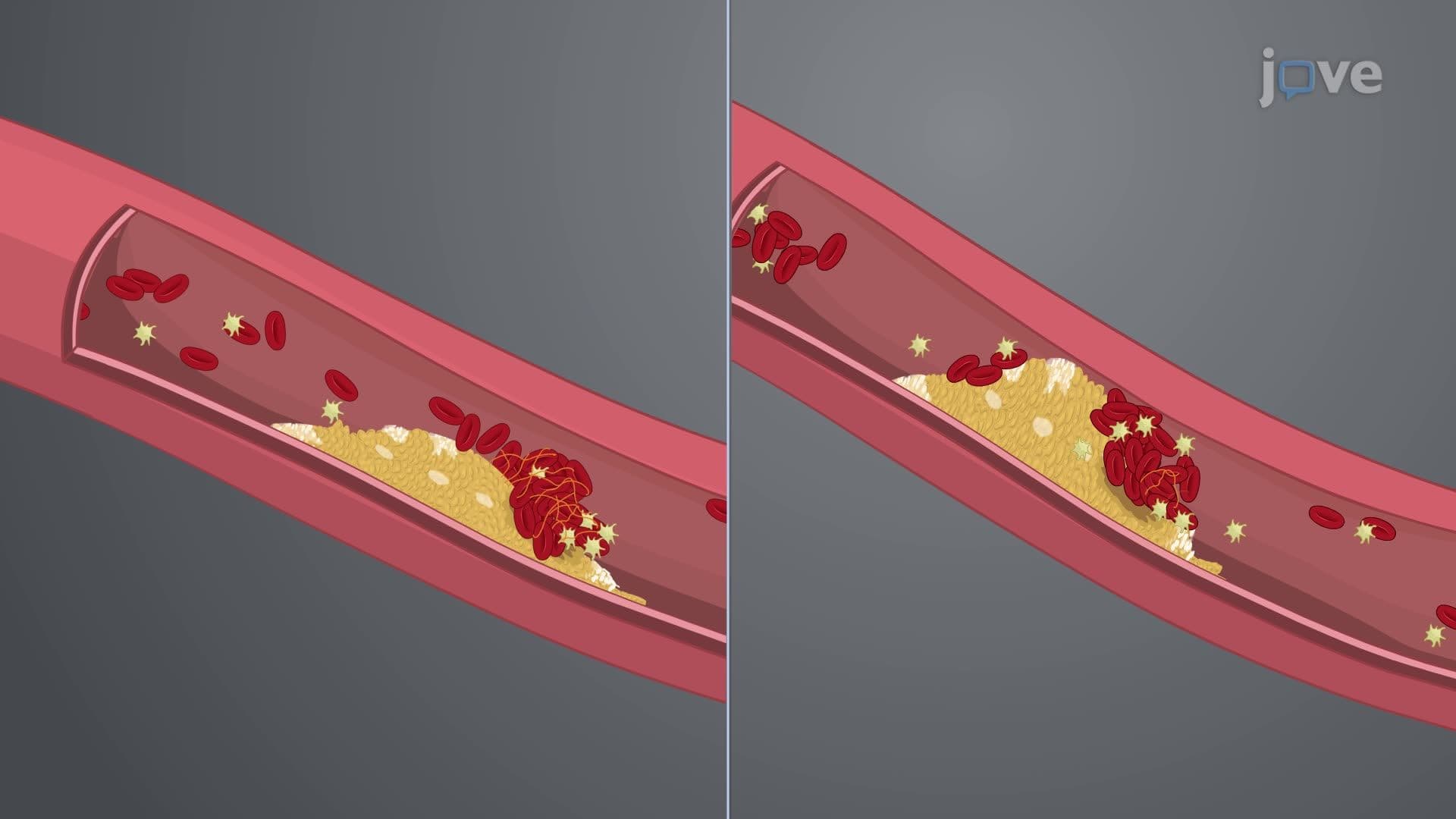
The medication regimen requires careful coordination among healthcare professionals. Pharmacists play crucial roles in dosing calculations and drug interaction monitoring. Aspirin administration (typically 325mg) prevents platelet aggregation and reduces clot formation. Nitroglycerin, administered sublingually or intravenously, provides coronary artery dilation and symptom relief. When nitroglycerin proves insufficient, morphine may be considered, though recent guidelines emphasize caution due to potential adverse outcomes in certain patient populations.
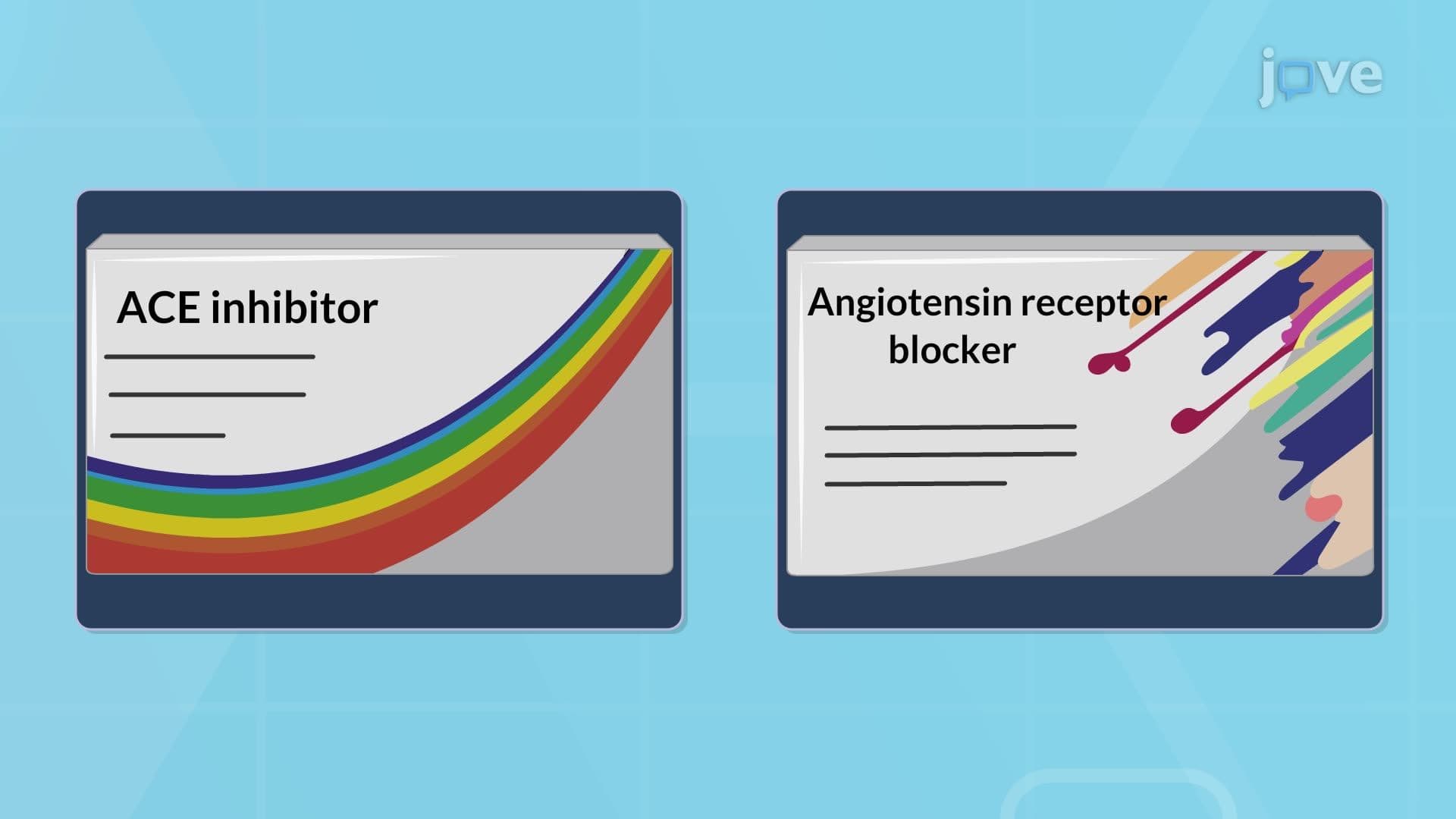
Beta-blockers like metoprolol reduce myocardial oxygen demand by decreasing heart rate and contractility. ACE inhibitors such as lisinopril help prevent ventricular remodeling, particularly important in patients with reduced ejection fraction. The choice between low-molecular-weight heparin (administered subcutaneously) and unfractionated heparin (intravenous) depends on patient-specific factors including kidney function and bleeding risk.
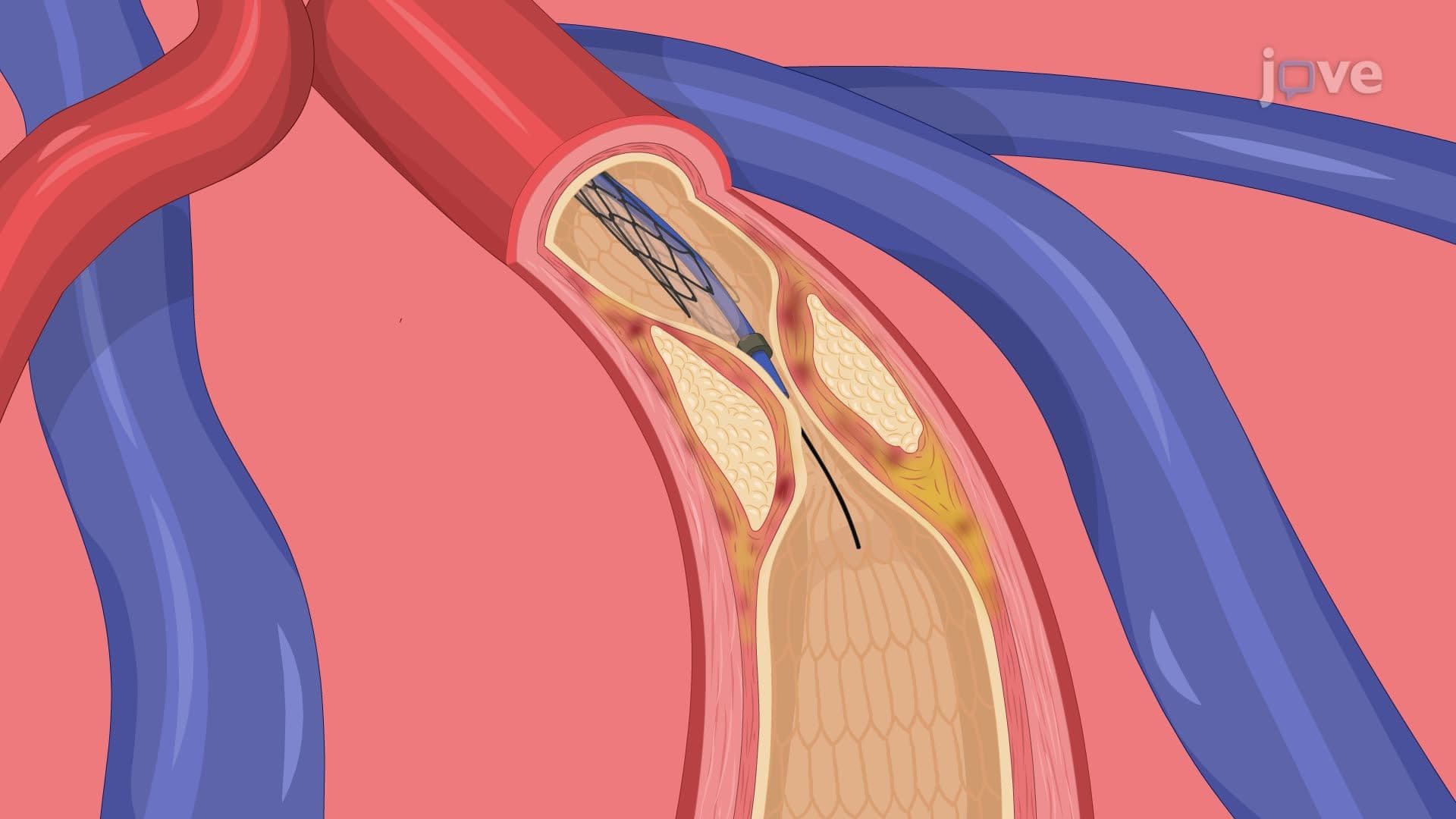
For STEMI patients, the "door-to-balloon" time becomes critical, with national guidelines recommending percutaneous coronary intervention within 90 minutes of hospital arrival. This requires seamless coordination between emergency departments, cardiac catheterization teams, and interventional cardiologists. Post-discharge care involves statins for cholesterol management and comprehensive cardiac rehabilitation programs that address exercise training, nutritional counseling, and psychological support.
Students preparing for MCAT or nursing school entrance exams should understand how this interprofessional model reflects broader healthcare trends toward team-based care, emphasizing communication, shared decision-making, and evidence-based practice protocols.
Related Micro-courses