Loading video…

 15 Concepts
 2.5K views

Video Summary: Acute Coronary Syndrome V Nursing Management Explained
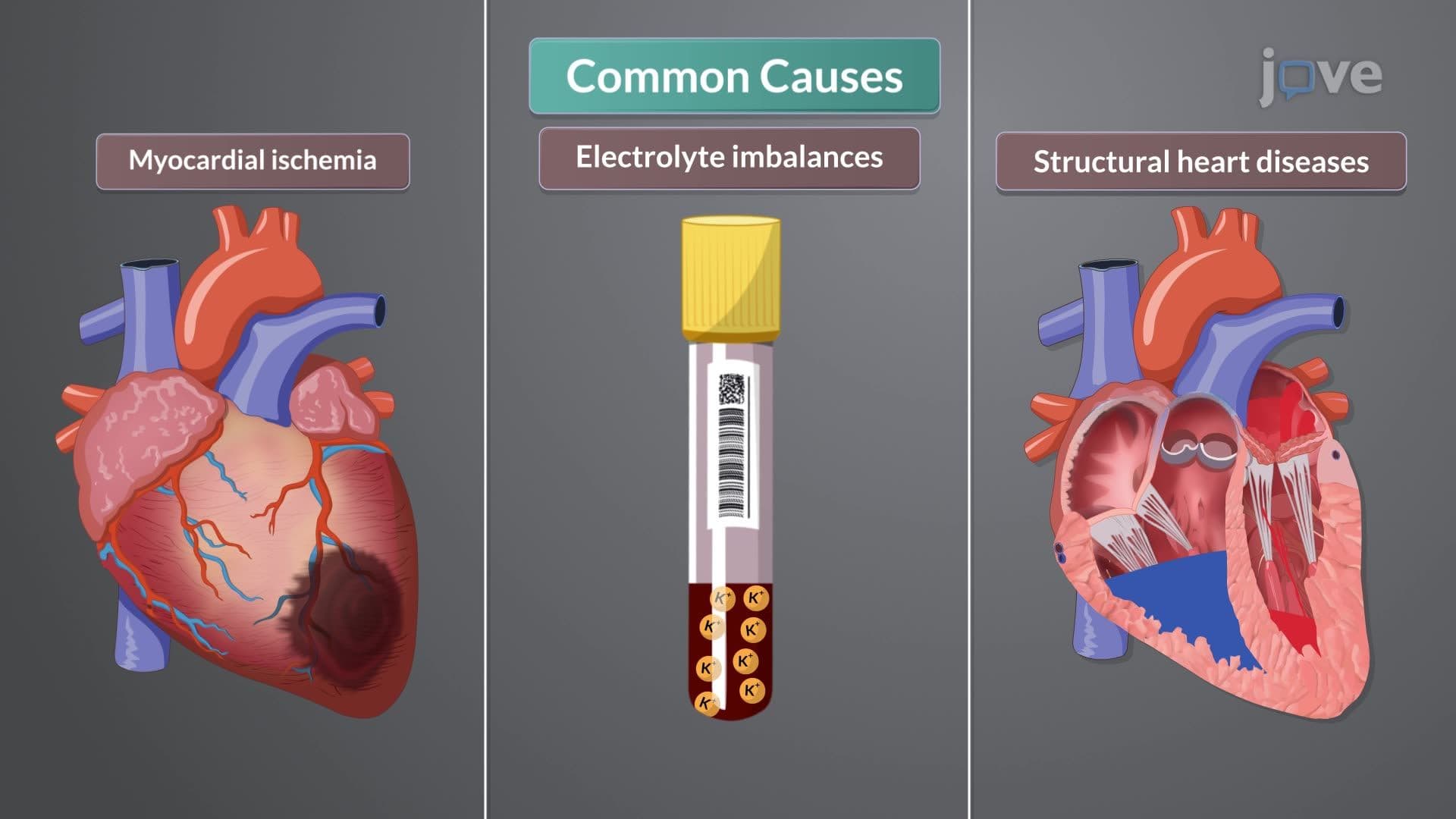
Every 36 seconds, someone in the United States dies from cardiovascular disease, making acute coronary syndrome v nursing management a critical skill for healthcare professionals. This comprehensive approach involves systematic patient assessment, from monitoring vital signs to analyzing 12-lead ECGs, while implementing targeted interventions like oxygen therapy and medication administration. Mayo Clinic nurses use these exact protocols when managing patients experiencing heart attacks or unstable angina. Watch the full video on JoVE Coach to master this concept with expert-led visuals and step-by-step explanations.
Acute coronary syndrome v nursing management represents a systematic, evidence-based approach to caring for patients experiencing life-threatening cardiac events. This comprehensive framework guides nurses through the critical first hours when interventions can mean the difference between life and death. In major US hospitals like Johns Hopkins and Cleveland Clinic, this standardized approach has significantly improved survival rates and patient outcomes.
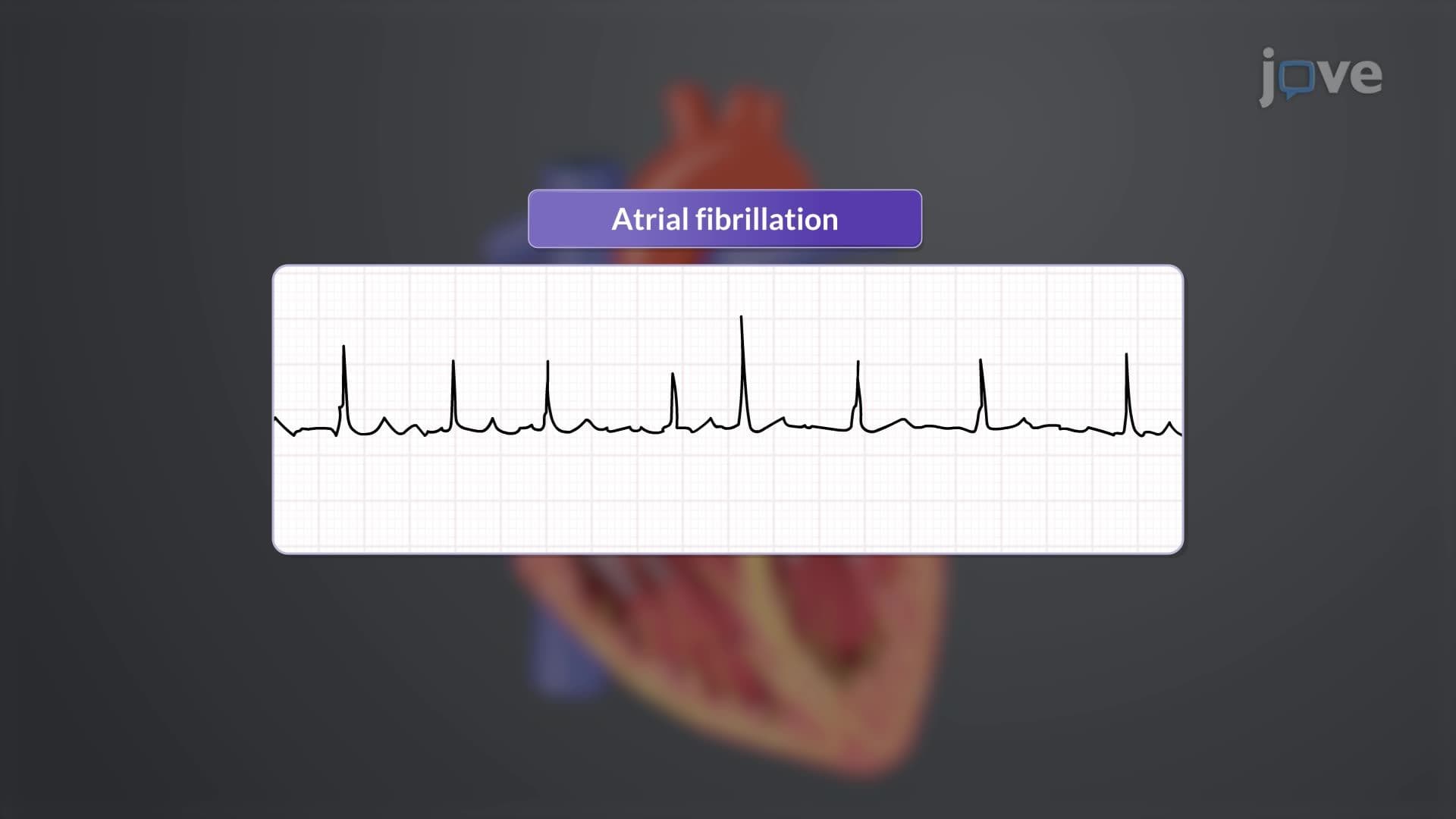
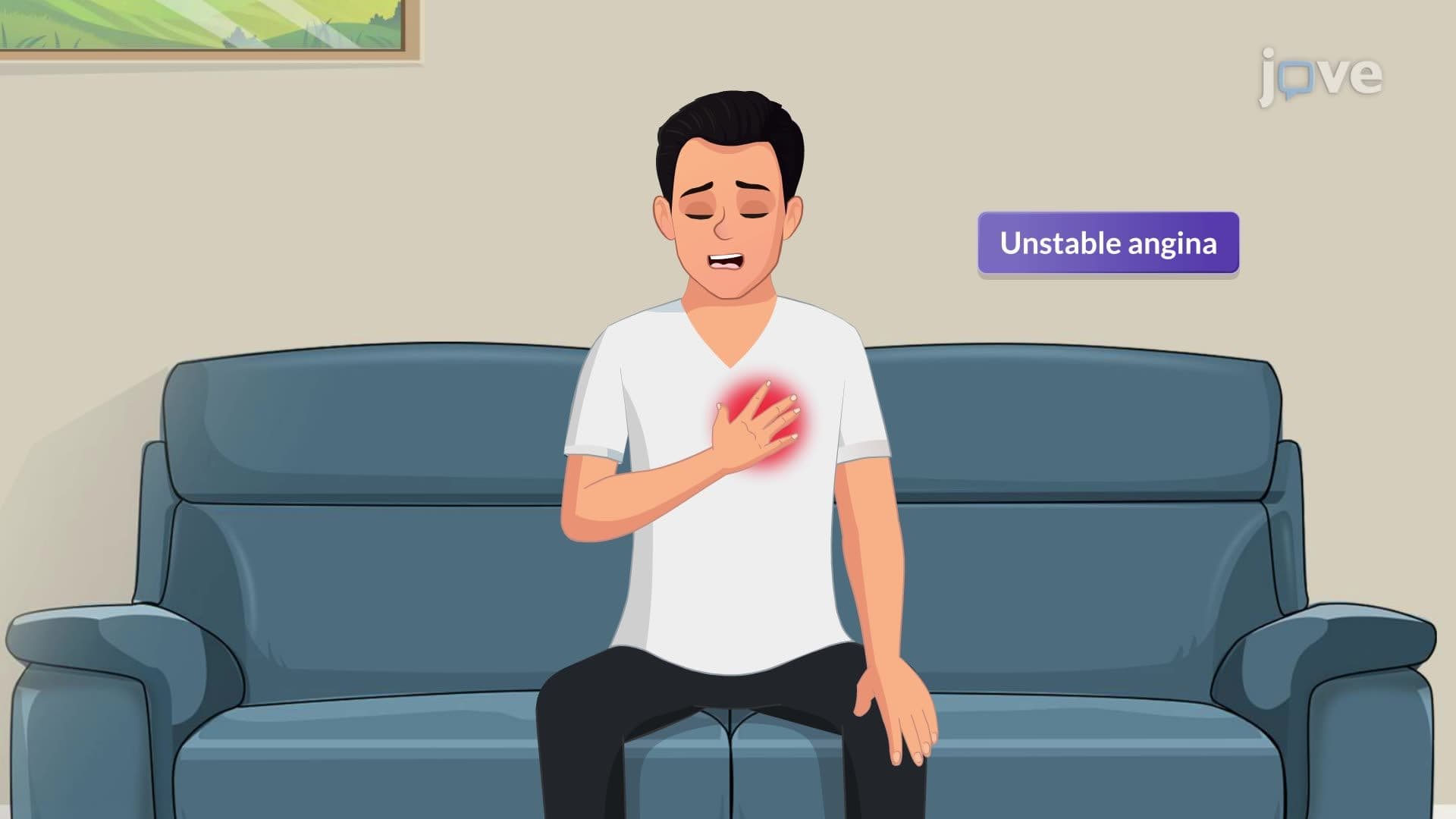
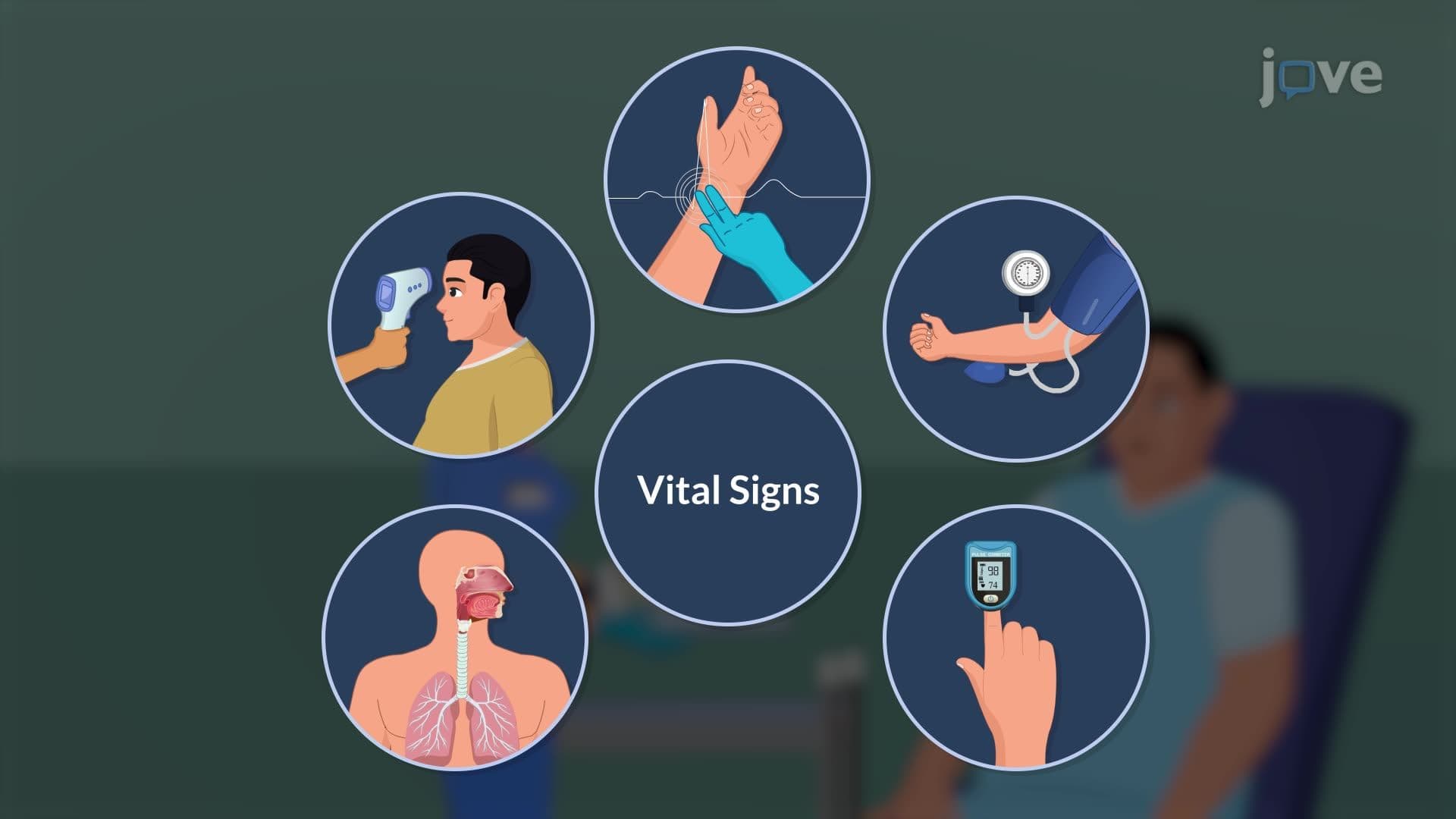
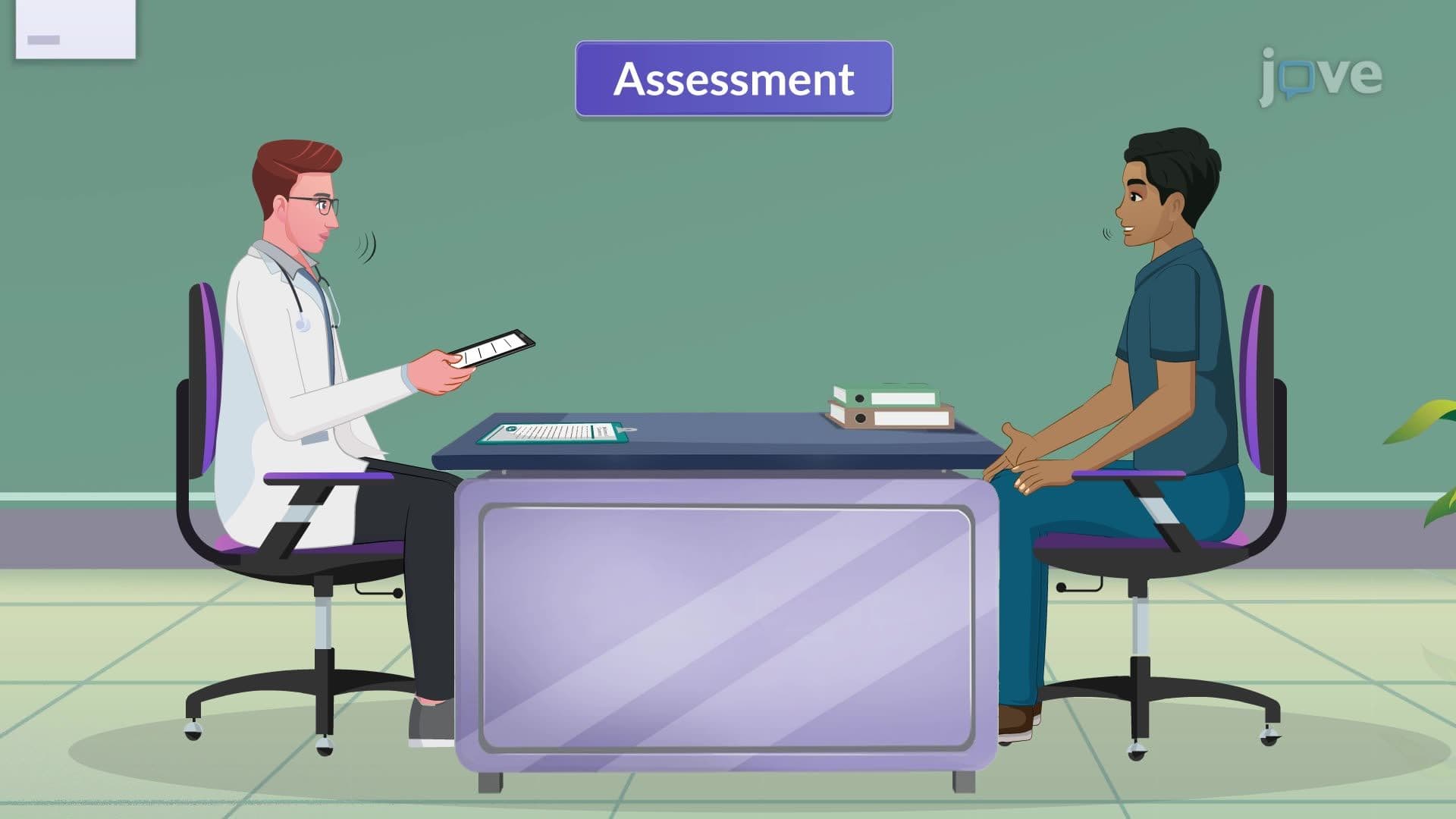
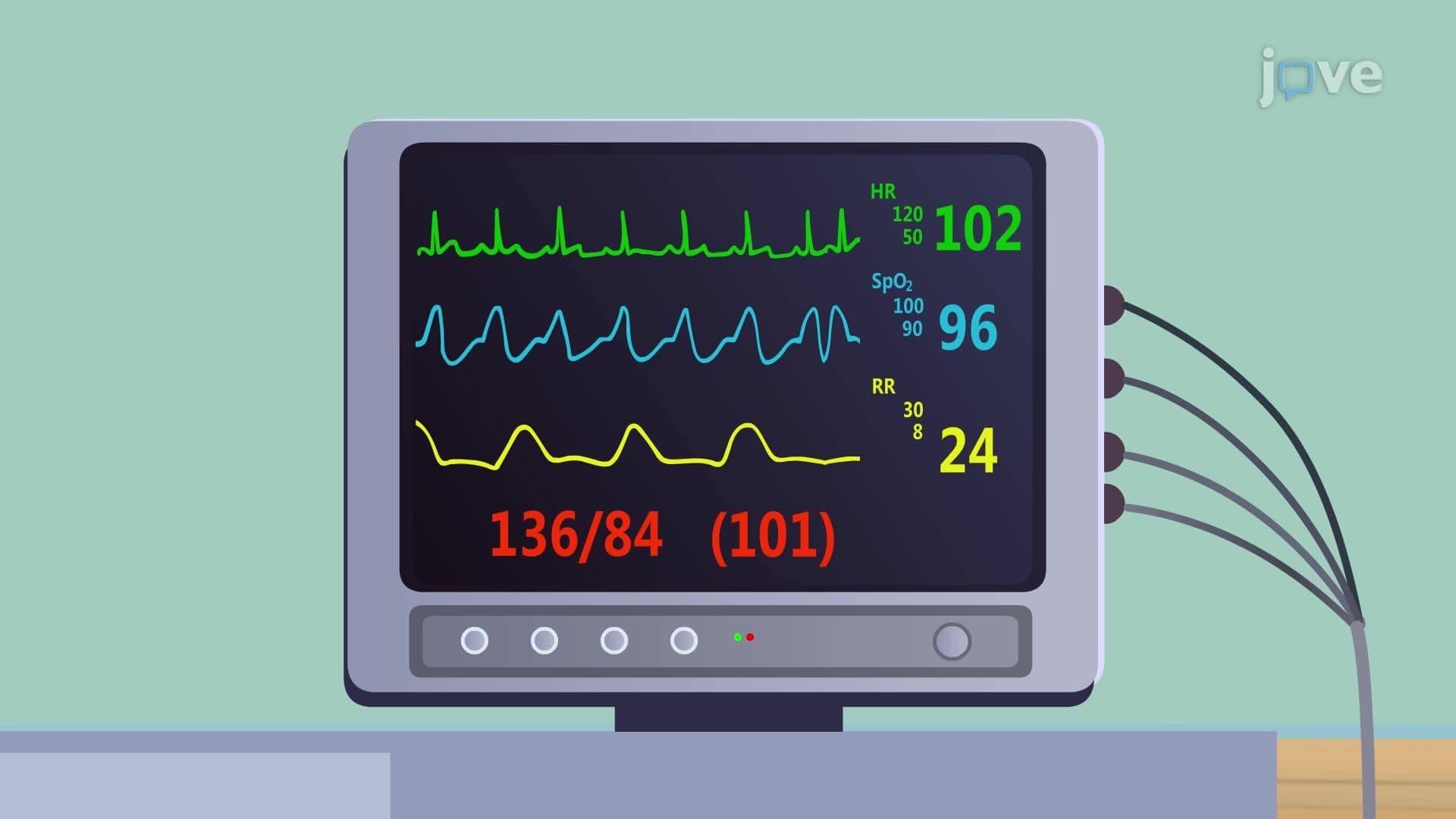
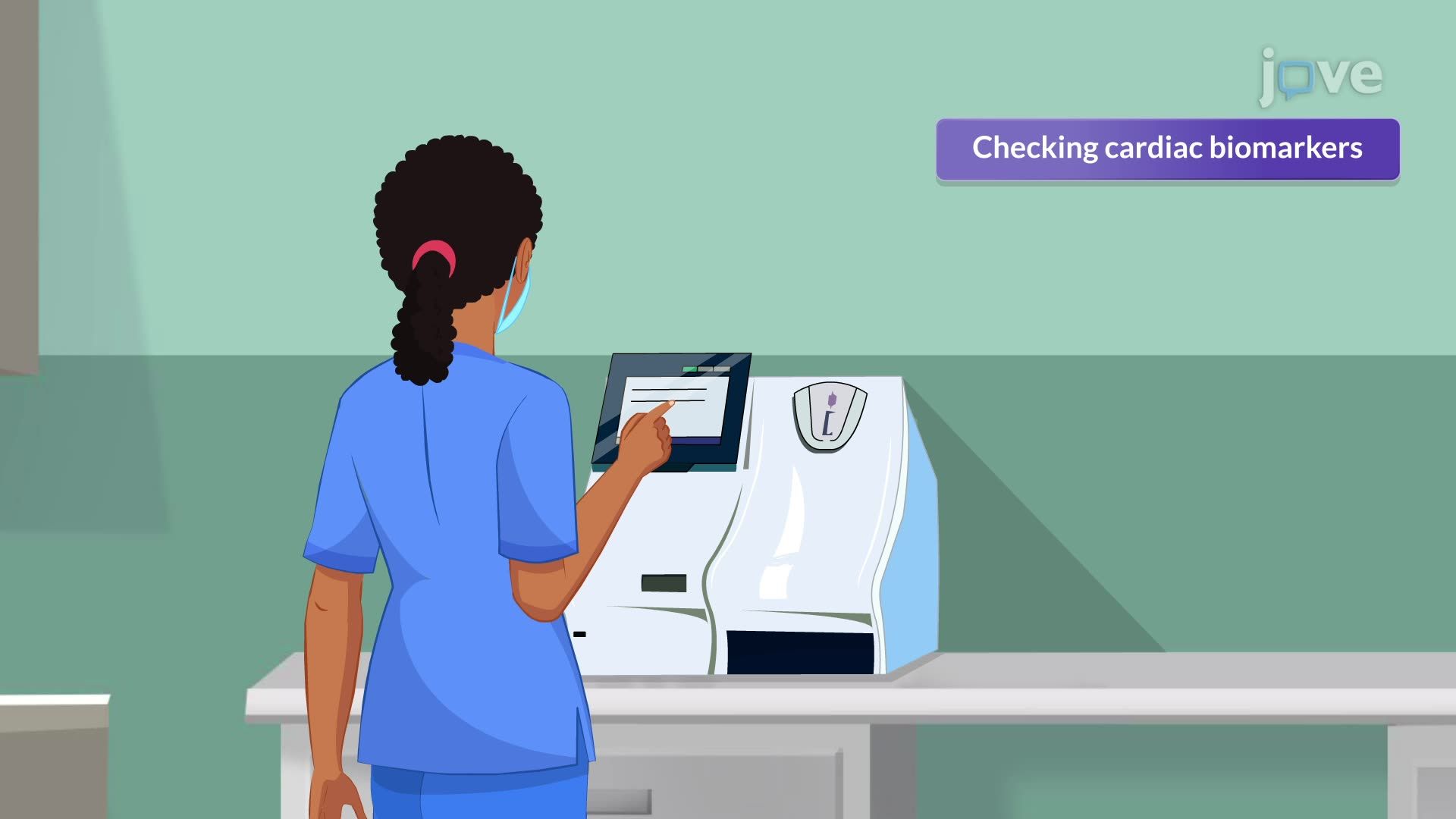
The assessment phase forms the foundation of effective nursing management, beginning with a focused history that explores current symptoms, previous cardiac events, and modifiable risk factors. Nurses systematically evaluate chest pain characteristics using the PQRST method (Provocation, Quality, Region, Severity, Timing), while simultaneously monitoring for signs of hemodynamic instability. Objective assessments include continuous cardiac monitoring, serial 12-lead ECGs to detect ST-segment changes, and trending cardiac biomarkers like troponin I and CK-MB. Physical examination focuses on detecting heart murmurs, S3 or S4 gallops, and signs of heart failure such as jugular venous distention or peripheral edema.
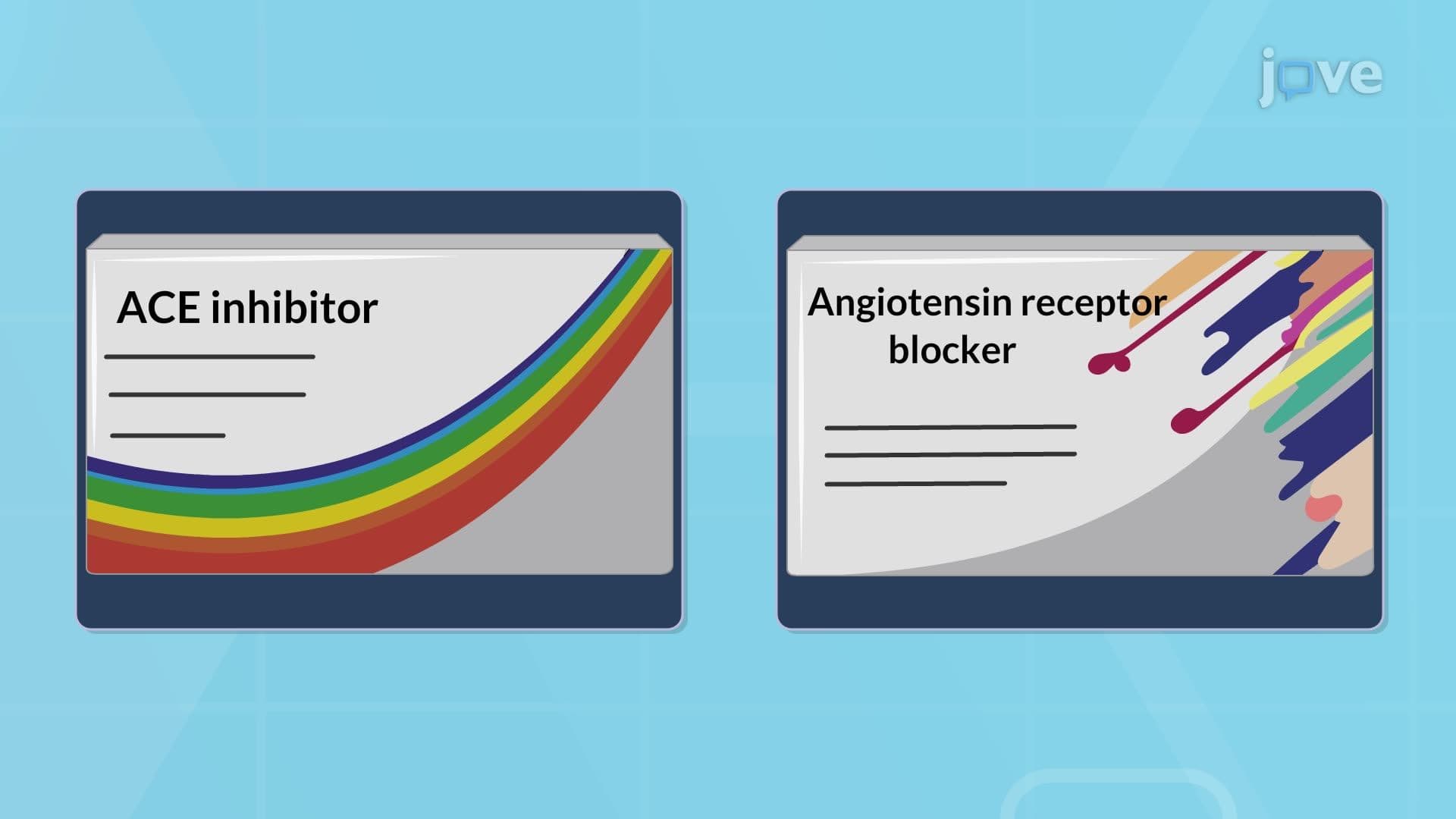
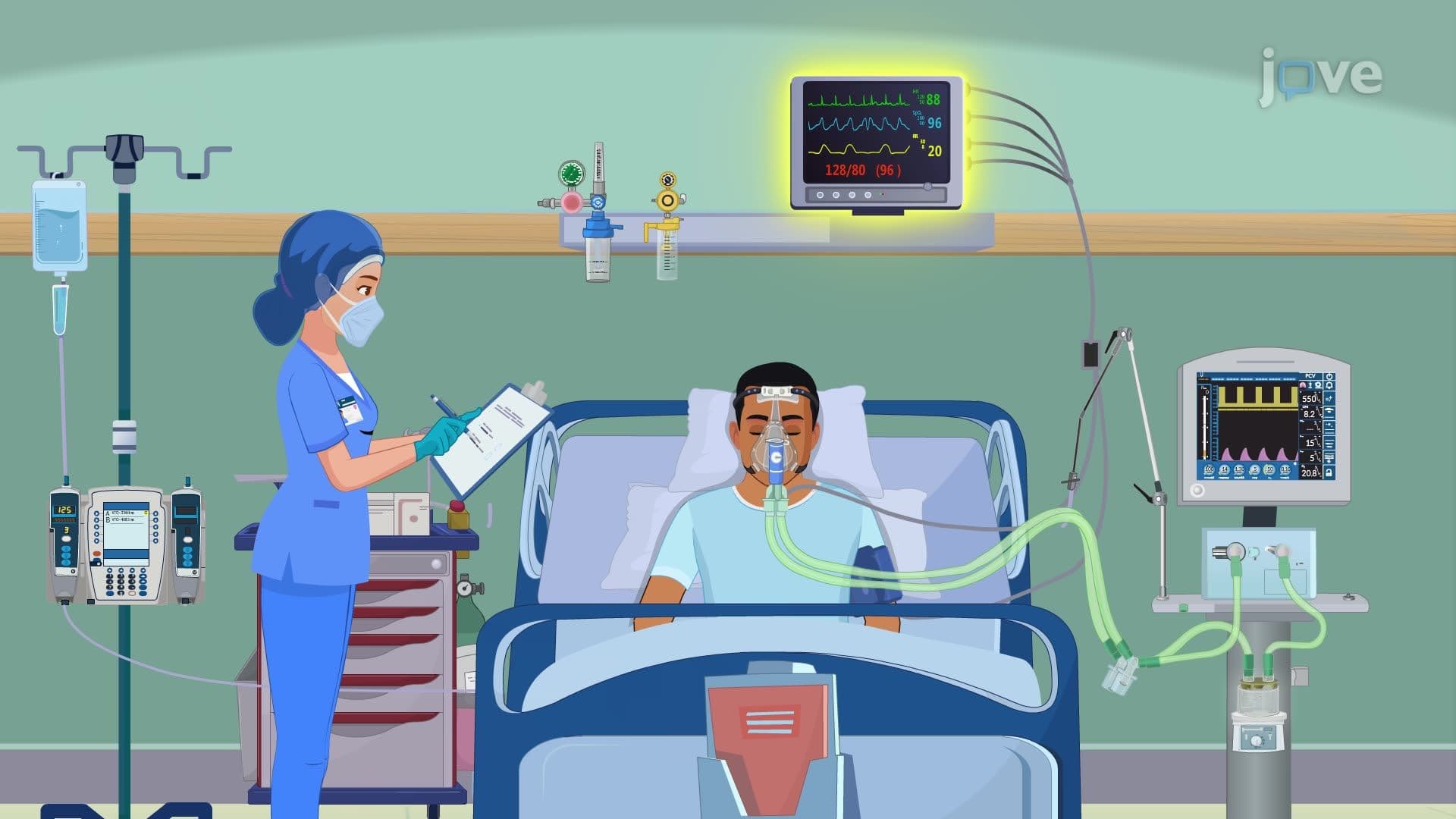
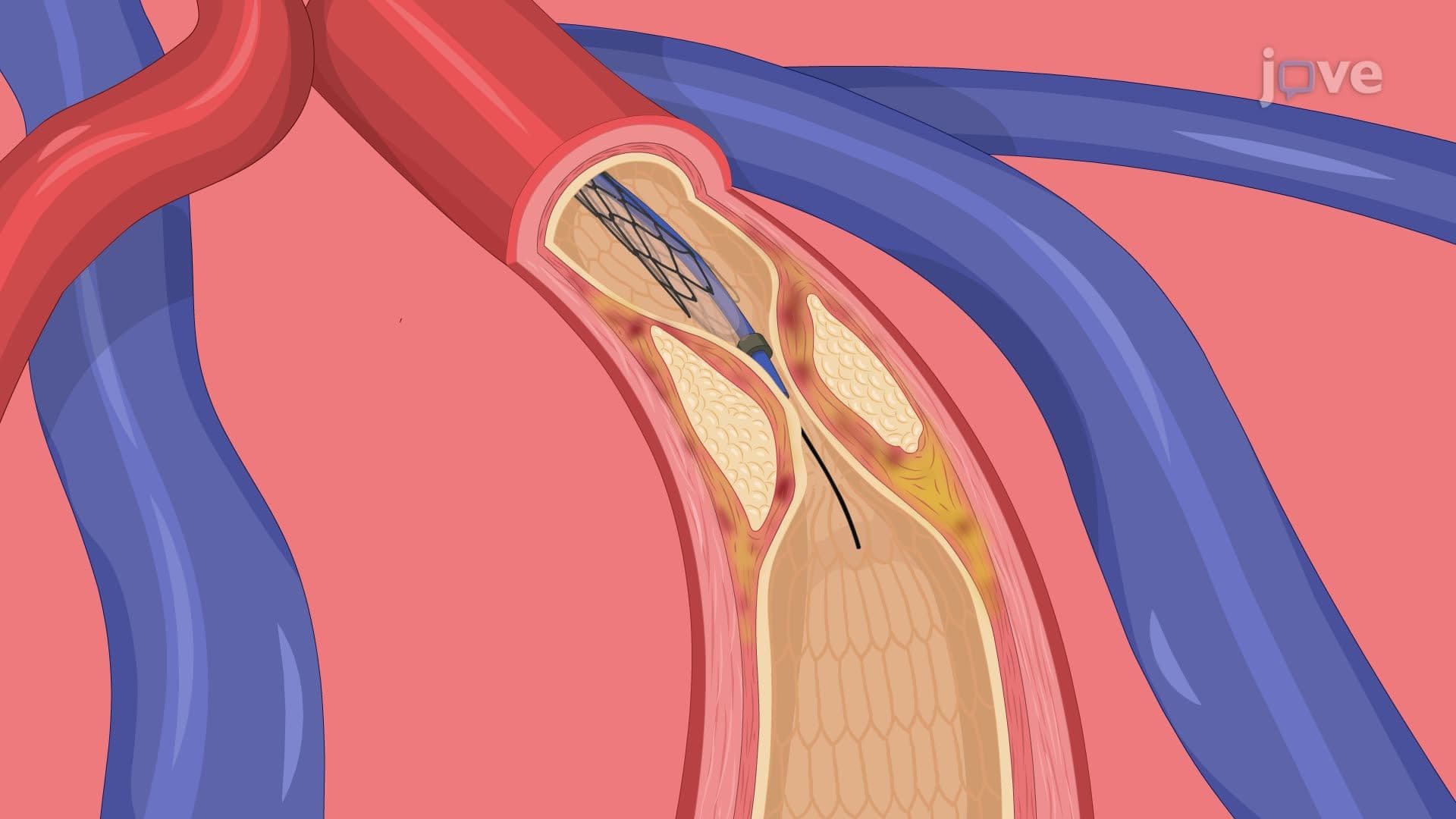
Nursing interventions in ACS management prioritize immediate stabilization while preventing complications. Oxygen therapy maintains adequate tissue perfusion, particularly when oxygen saturation drops below 90%. The high Fowler's position with cardiac table reduces cardiac workload by decreasing venous return, while promoting lung expansion and reducing dyspnea. Medication administration follows strict protocols, including antiplatelet therapy, anticoagulants, and vasodilators as ordered by physicians. Continuous monitoring allows for early detection of arrhythmias, particularly ventricular tachycardia or fibrillation, which require immediate intervention.
Patient education extends beyond the acute phase, focusing on lifestyle modifications that prevent future cardiac events. This includes dietary counseling emphasizing the DASH diet, smoking cessation resources, and cardiac rehabilitation program referrals. Family involvement proves crucial, as studies show patients with strong support systems demonstrate better medication compliance and lifestyle adherence. Regular follow-up care coordination ensures continuity between hospital discharge and outpatient cardiology services.
These concepts frequently appear on the NCLEX-RN examination, particularly in questions addressing prioritization of care, medication administration, and patient teaching. Pre-nursing students preparing for programs at institutions like Duke University or University of Pennsylvania should master these fundamentals, as they form the basis for advanced cardiovascular nursing practice.
Related Micro-courses