Loading video…


 15 Concepts
 2.5K views
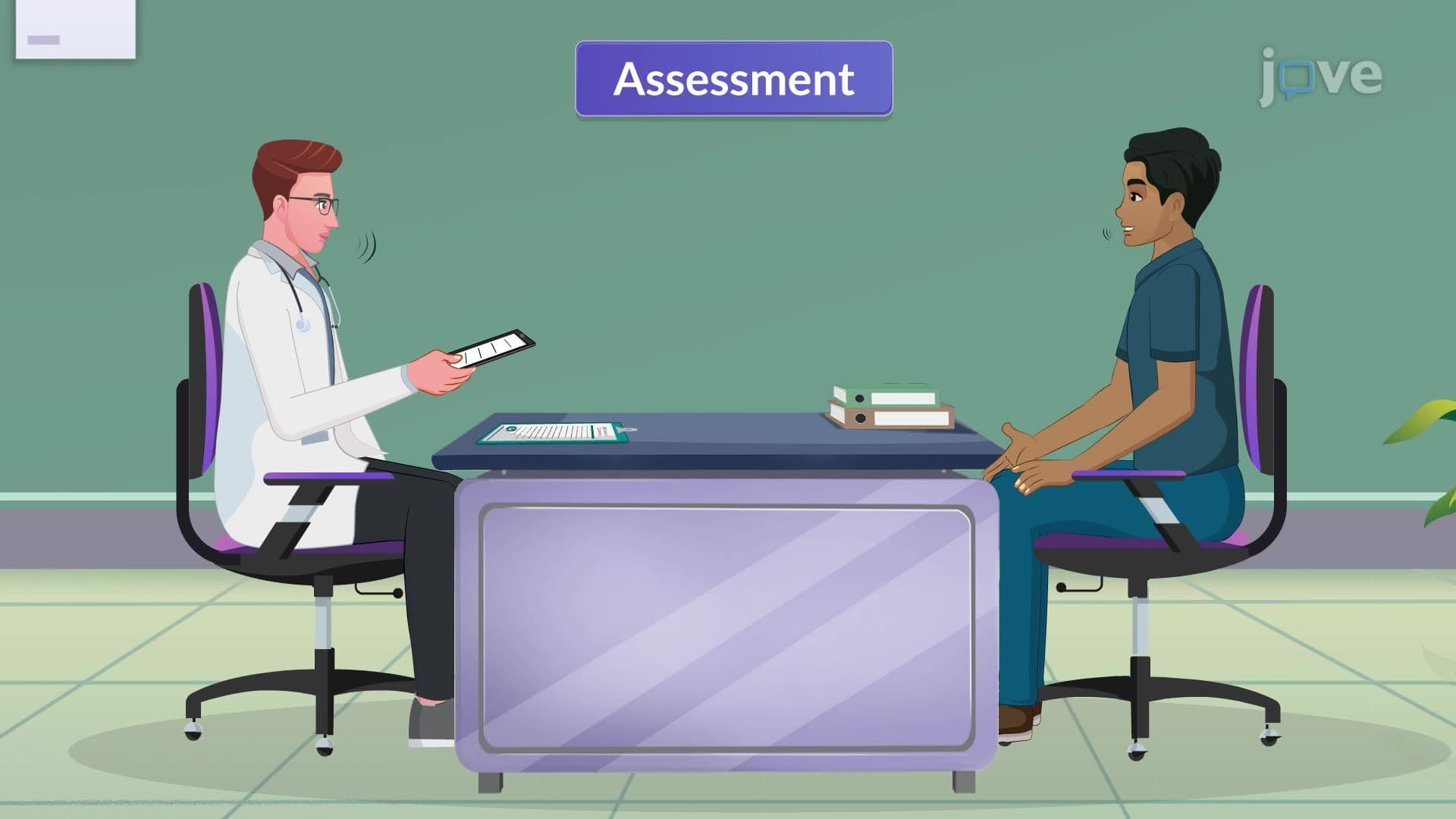

Video Summary: Angina Iii Clinical Manifestations and Assessment Explained
Did you know that chest pain from angina can mimic heartburn so closely that many patients initially visit their primary care doctor thinking they have acid reflux? Angina III clinical manifestations and assessment involves recognizing the distinctive pattern of chest pain, associated symptoms, and diagnostic approaches that help clinicians differentiate cardiac ischemia from other conditions. At Johns Hopkins Hospital, emergency department physicians use systematic assessment protocols to quickly identify angina patients who need immediate intervention. Watch the full video on JoVE Coach to master this concept with expert-led visuals and step-by-step explanations.
Angina represents one of the most critical cardiovascular conditions that healthcare providers encounter in clinical practice. The systematic approach to angina III clinical manifestations and assessment forms the foundation for accurate diagnosis and appropriate treatment planning. This comprehensive evaluation process combines careful symptom recognition with targeted diagnostic testing to identify patients experiencing cardiac ischemia.
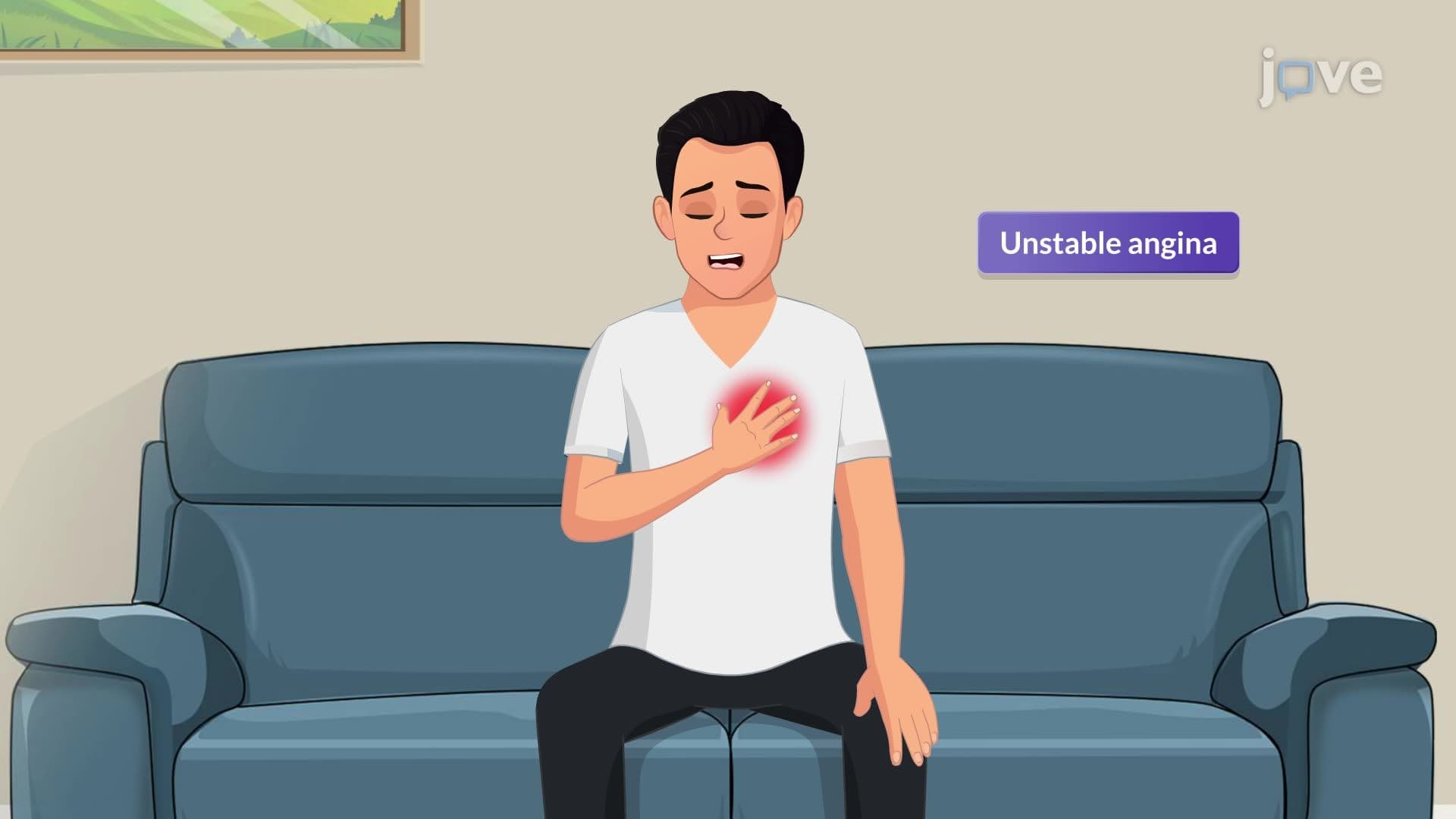
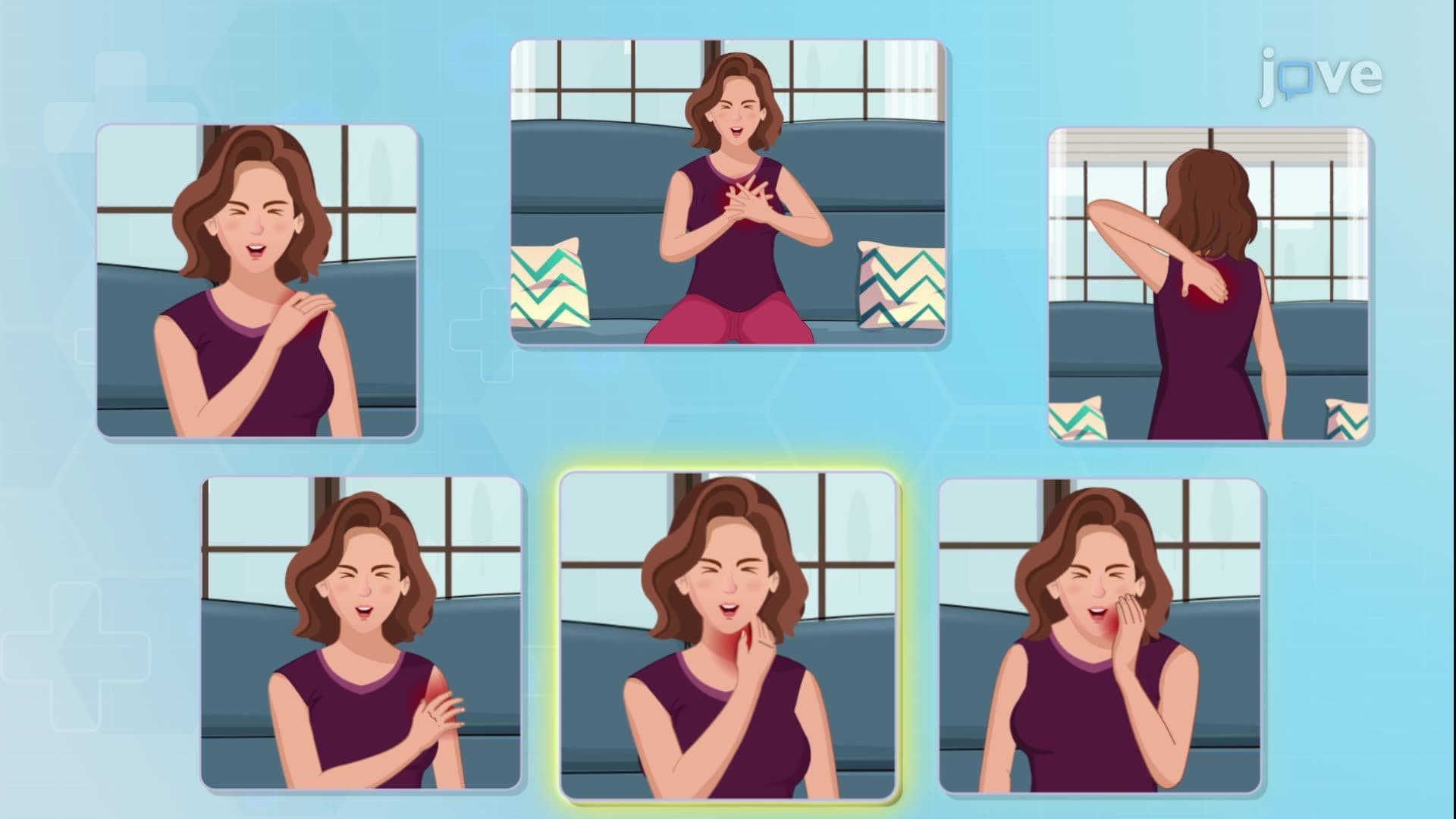
The hallmark symptom of angina-substernal chest pain or pressure-often presents with characteristic radiation patterns that experienced clinicians recognize immediately. However, the clinical picture extends far beyond simple chest discomfort. Patients frequently describe the sensation as "crushing," "squeezing," or "heavy pressure," with pain commonly radiating down the left arm, though it can also affect both arms, the neck, jaw, or back.
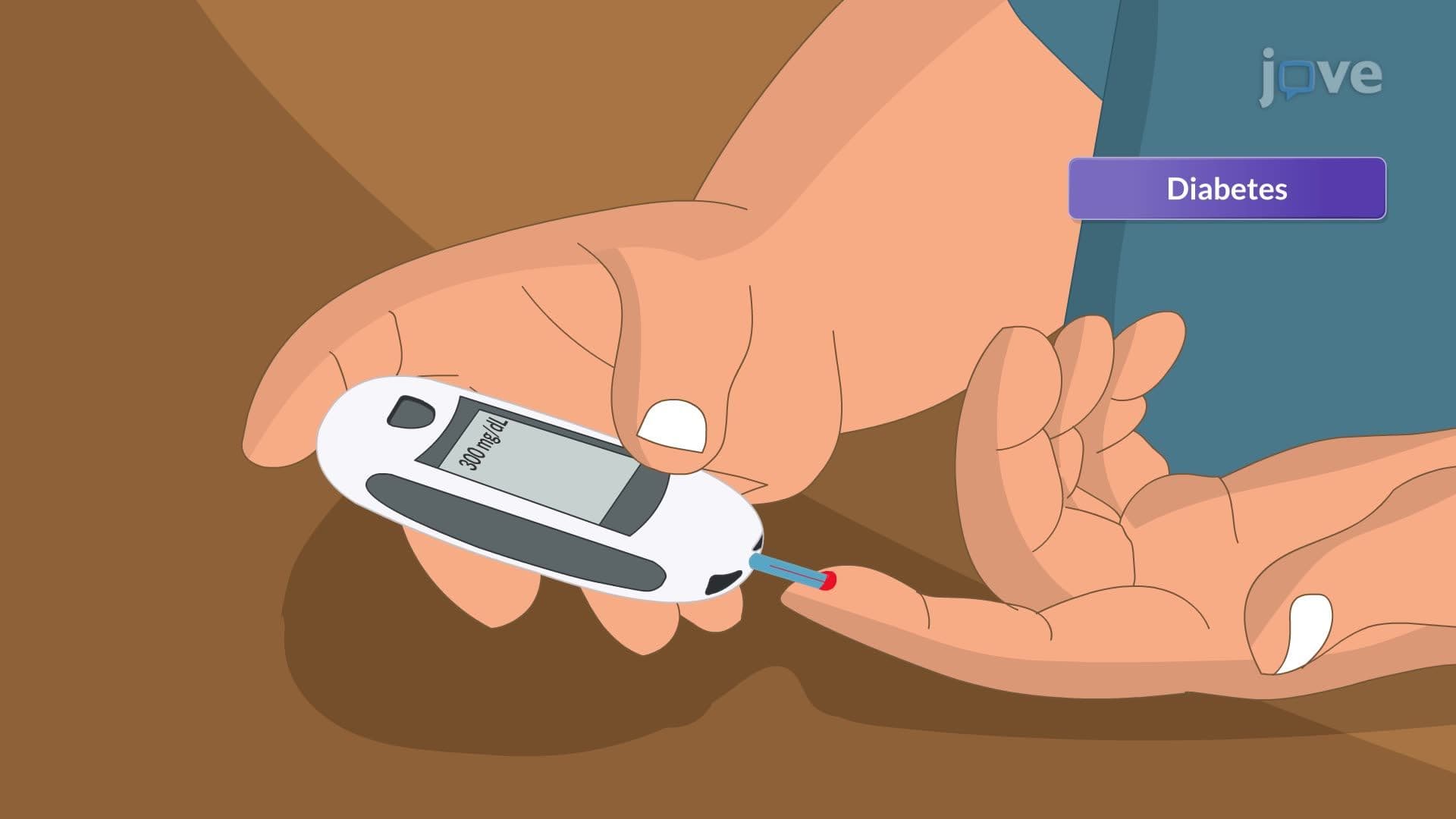
Healthcare providers must remain vigilant for atypical presentations, particularly in women, elderly patients, and those with diabetes. These populations may experience "silent" ischemia or present with predominantly gastrointestinal symptoms, fatigue, or shortness of breath rather than classic chest pain. At Massachusetts General Hospital, emergency medicine residents are trained to recognize that up to 30% of angina cases may present atypically, making comprehensive assessment skills essential.
The assessment process begins with meticulous history-taking that explores symptom onset, duration, triggers, and relieving factors. Clinicians systematically evaluate cardiovascular risk factors including hypertension, diabetes, smoking history, family history of coronary artery disease, and hyperlipidemia. This information helps stratify patient risk and guide subsequent diagnostic decisions.
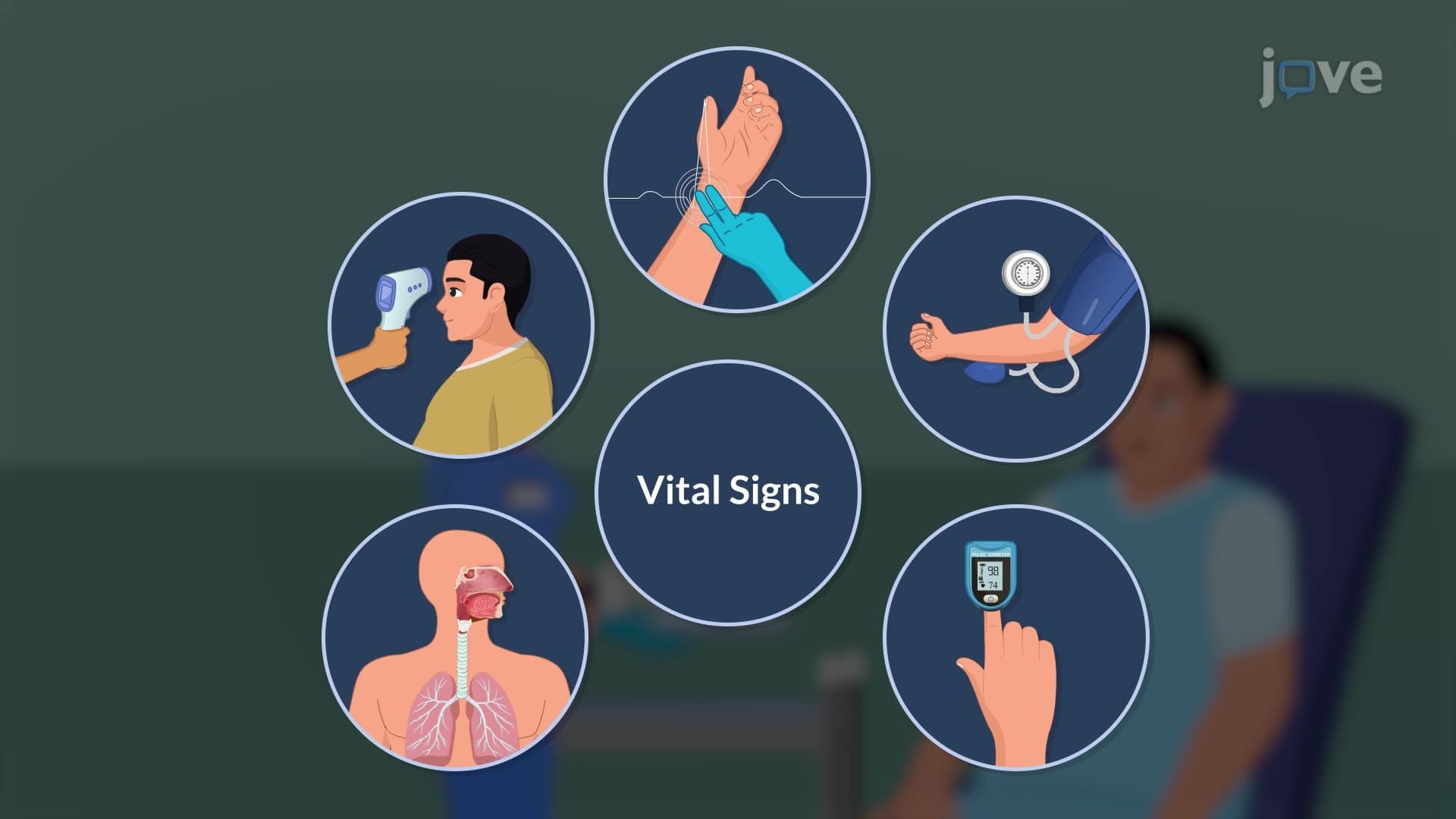
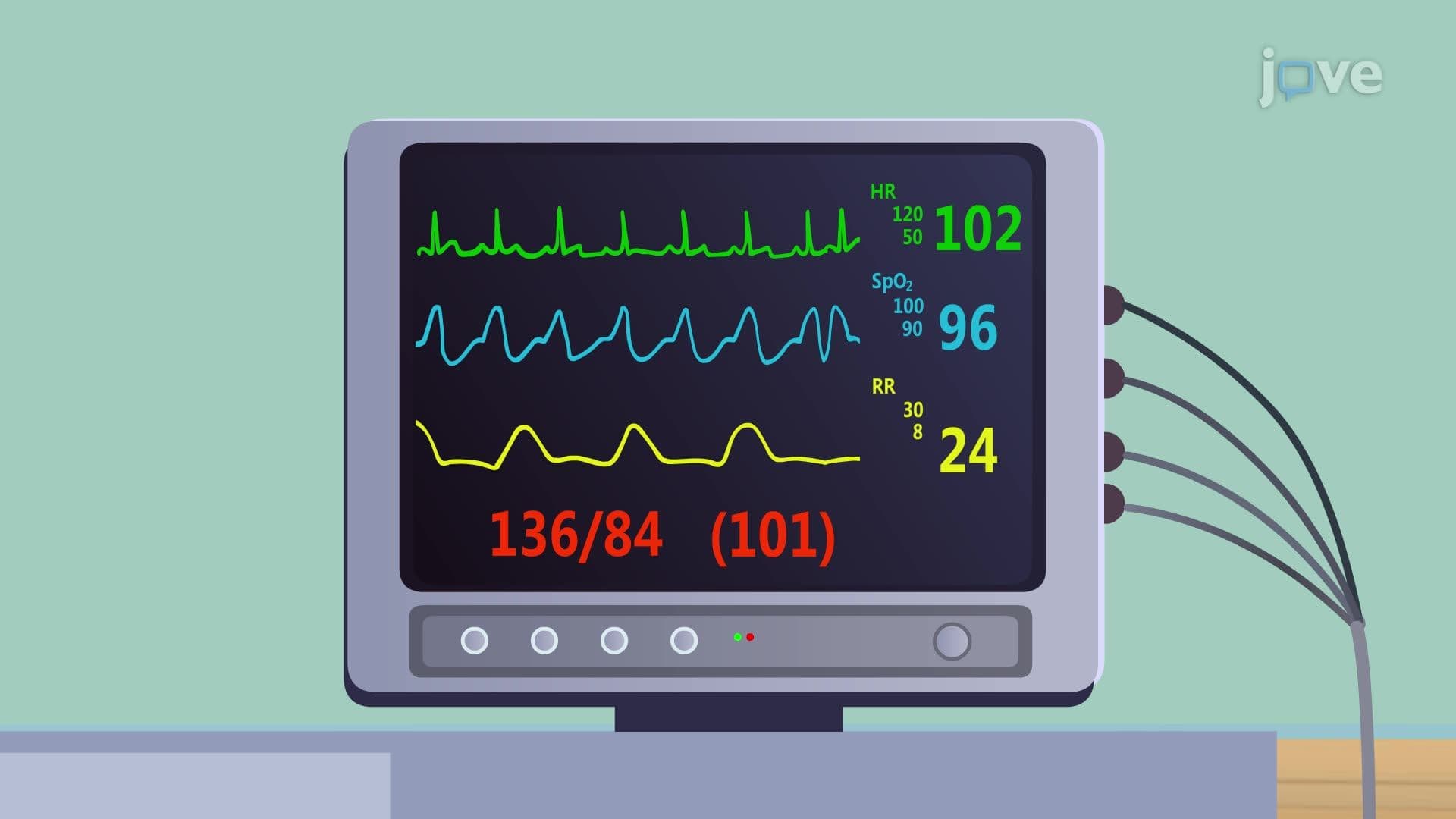
Physical examination focuses on cardiovascular system evaluation, including careful auscultation for heart murmurs, gallops, or irregular rhythms that might indicate underlying cardiac dysfunction. Signs of heart failure, such as peripheral edema, jugular venous distention, or pulmonary rales, provide crucial diagnostic clues about the severity of cardiac compromise.
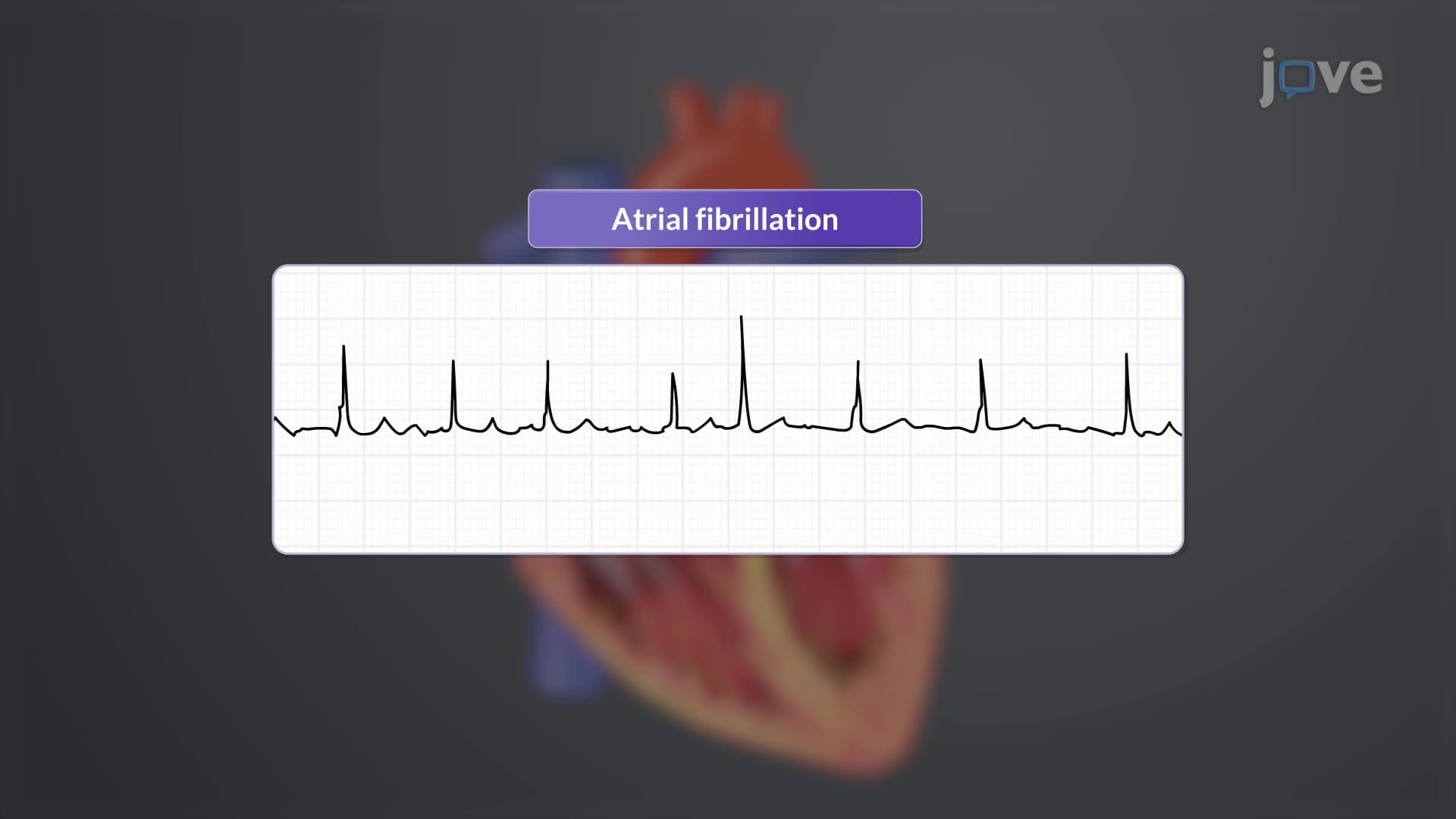
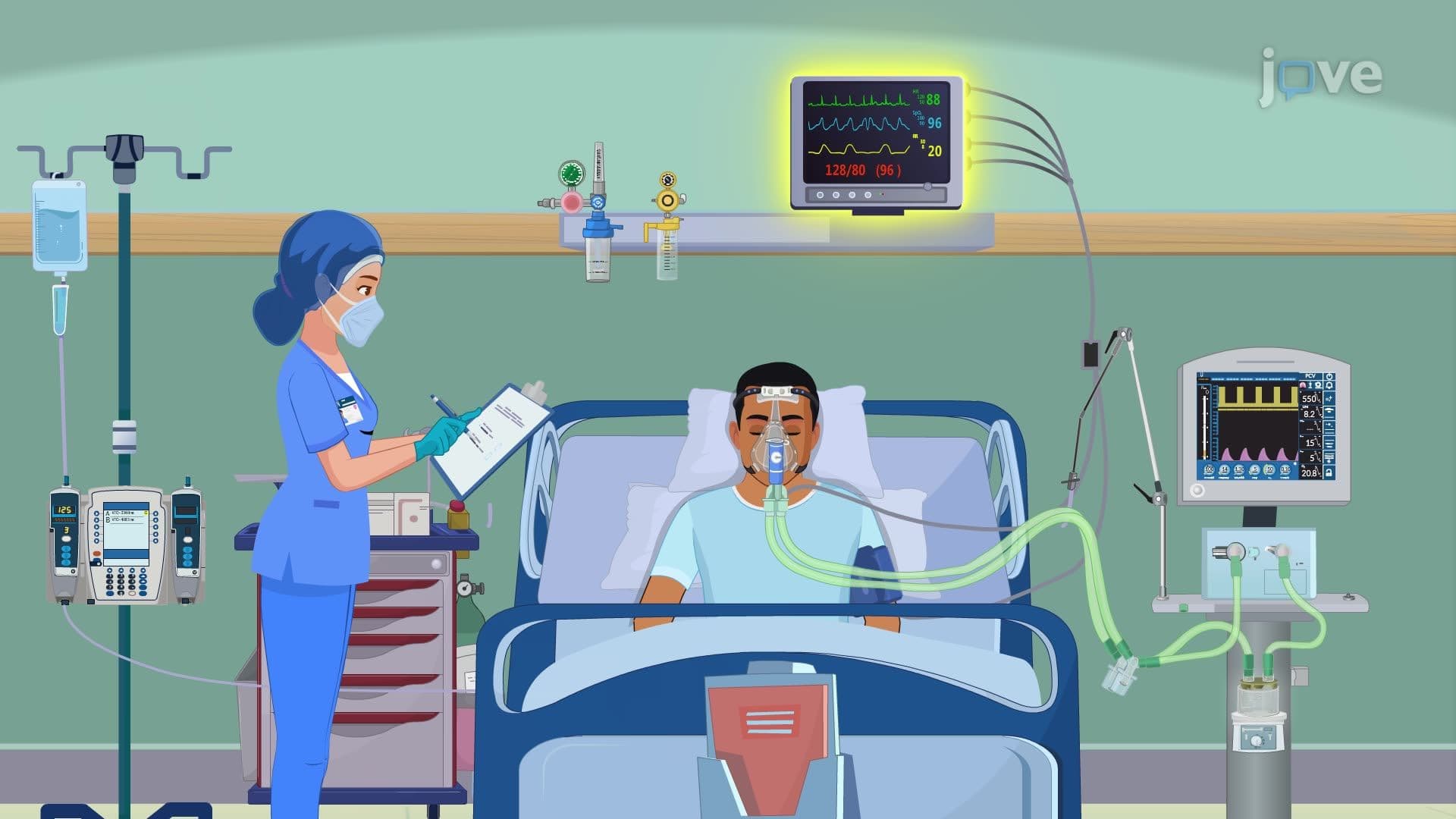
Modern angina assessment integrates multiple diagnostic modalities to create a comprehensive clinical picture. The 12-lead electrocardiogram serves as the initial diagnostic tool, revealing acute changes like ST-segment elevation or depression, T-wave inversions, or pathological Q-waves that indicate myocardial damage. However, normal ECG findings don't rule out angina, as many patients with significant coronary artery disease maintain normal resting ECGs between episodes.
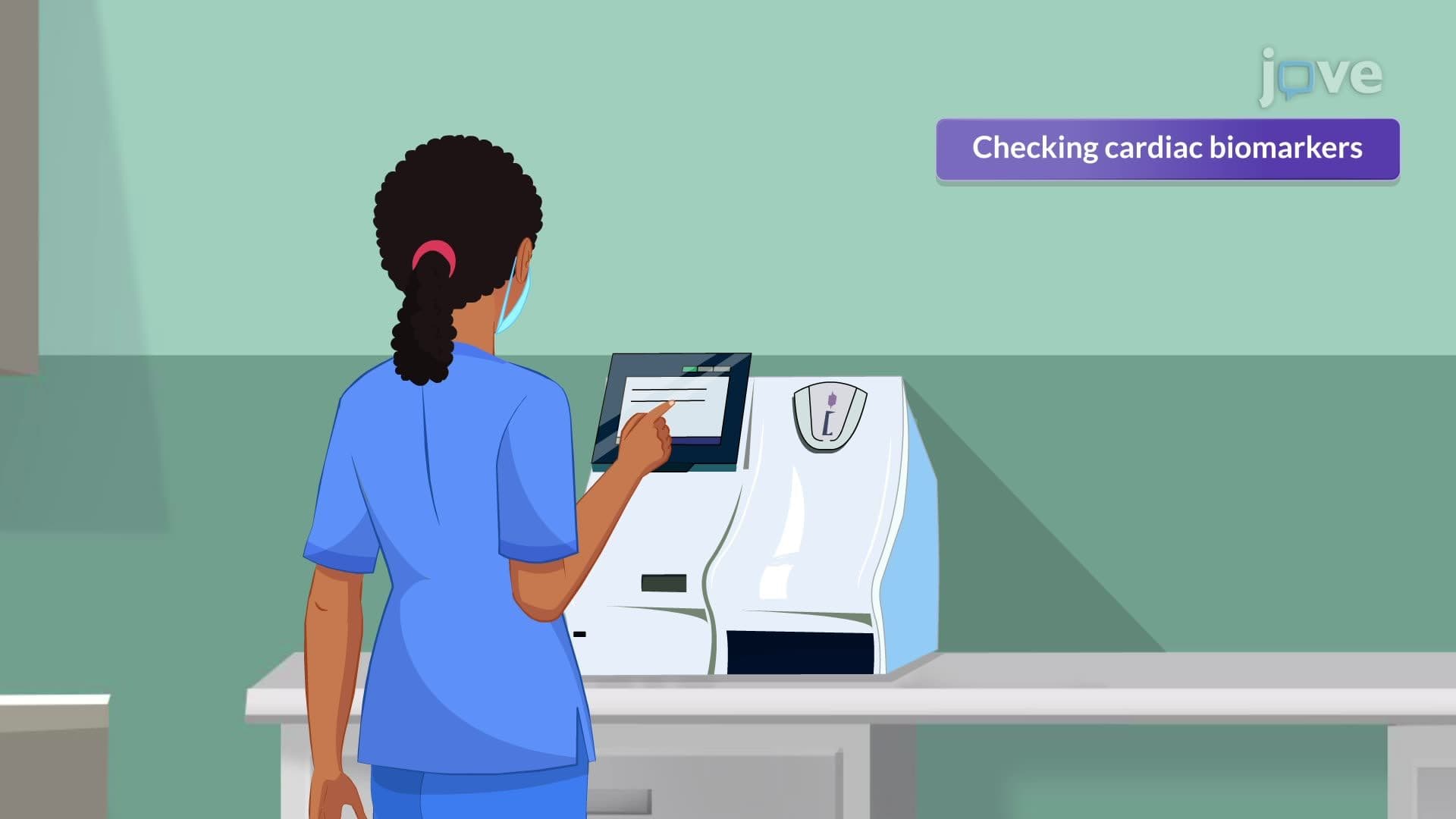
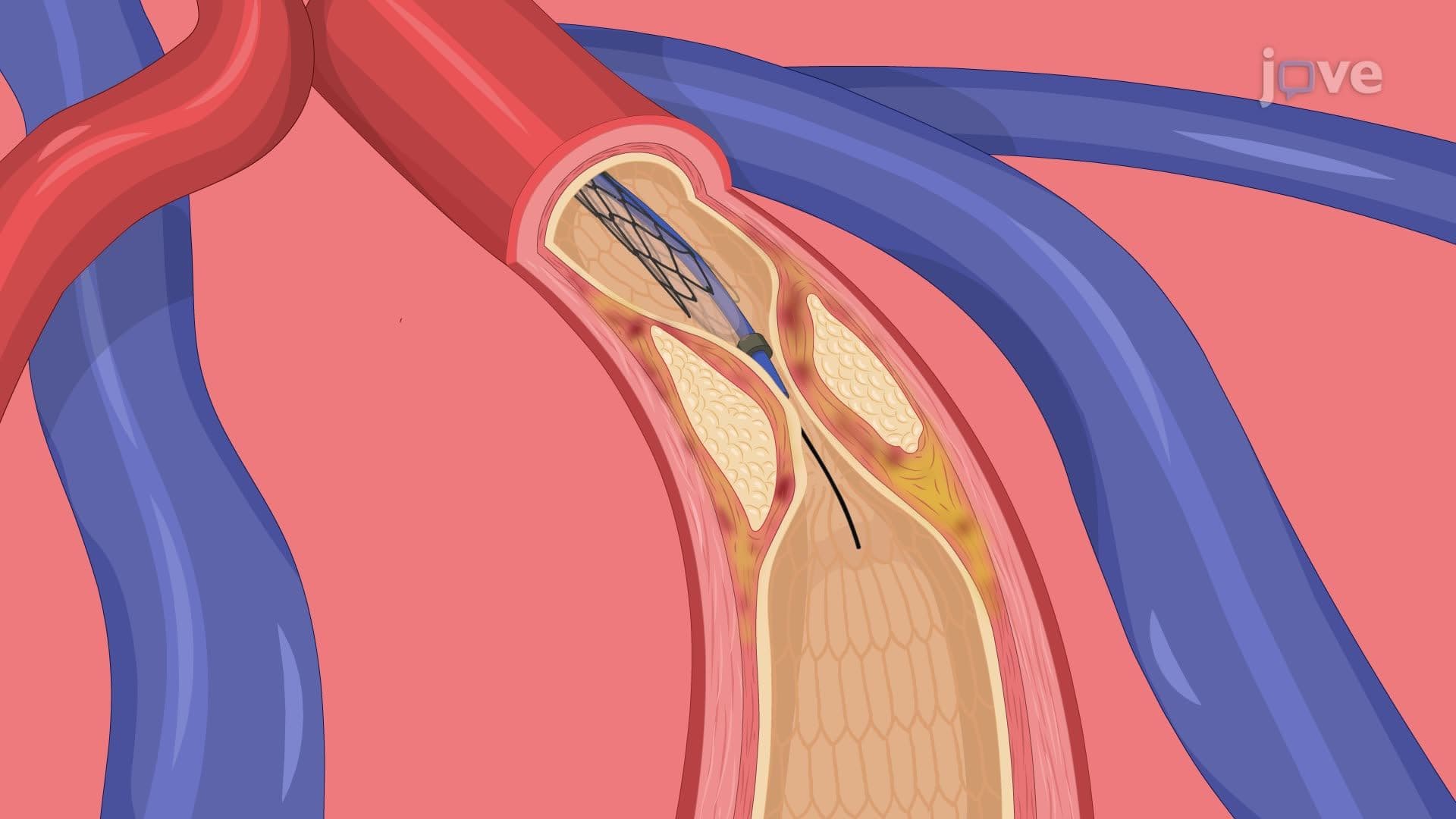
Exercise stress testing provides functional assessment of coronary circulation, revealing exercise-induced ischemia that may not be apparent at rest. These tests prove particularly valuable for risk stratification and treatment planning. Advanced imaging techniques, including nuclear perfusion studies and cardiac catheterization, offer detailed visualization of coronary anatomy and help guide interventional decisions.
For students preparing for advanced placement biology exams or pre-health professions coursework, understanding this systematic approach provides essential foundation knowledge for future clinical studies and standardized testing scenarios.
Related Micro-courses