Loading subject page…

2,474 views

Video Summary: Coronary Artery Disease I Introduction Explained
Every 36 seconds, someone in the United States dies from cardiovascular disease, making coronary artery disease i introduction a critical health topic to understand. This coronary artery disease i introduction tutorial covers how atherosclerosis creates plaque buildup in heart arteries, affecting millions of Americans including celebrities like David Letterman who underwent quintuple bypass surgery. The coronary artery disease i introduction concept explores both controllable and uncontrollable risk factors that determine your heart disease likelihood. Watch the full video on JoVE Coach to master this concept with expert-led visuals and step-by-step explanations.
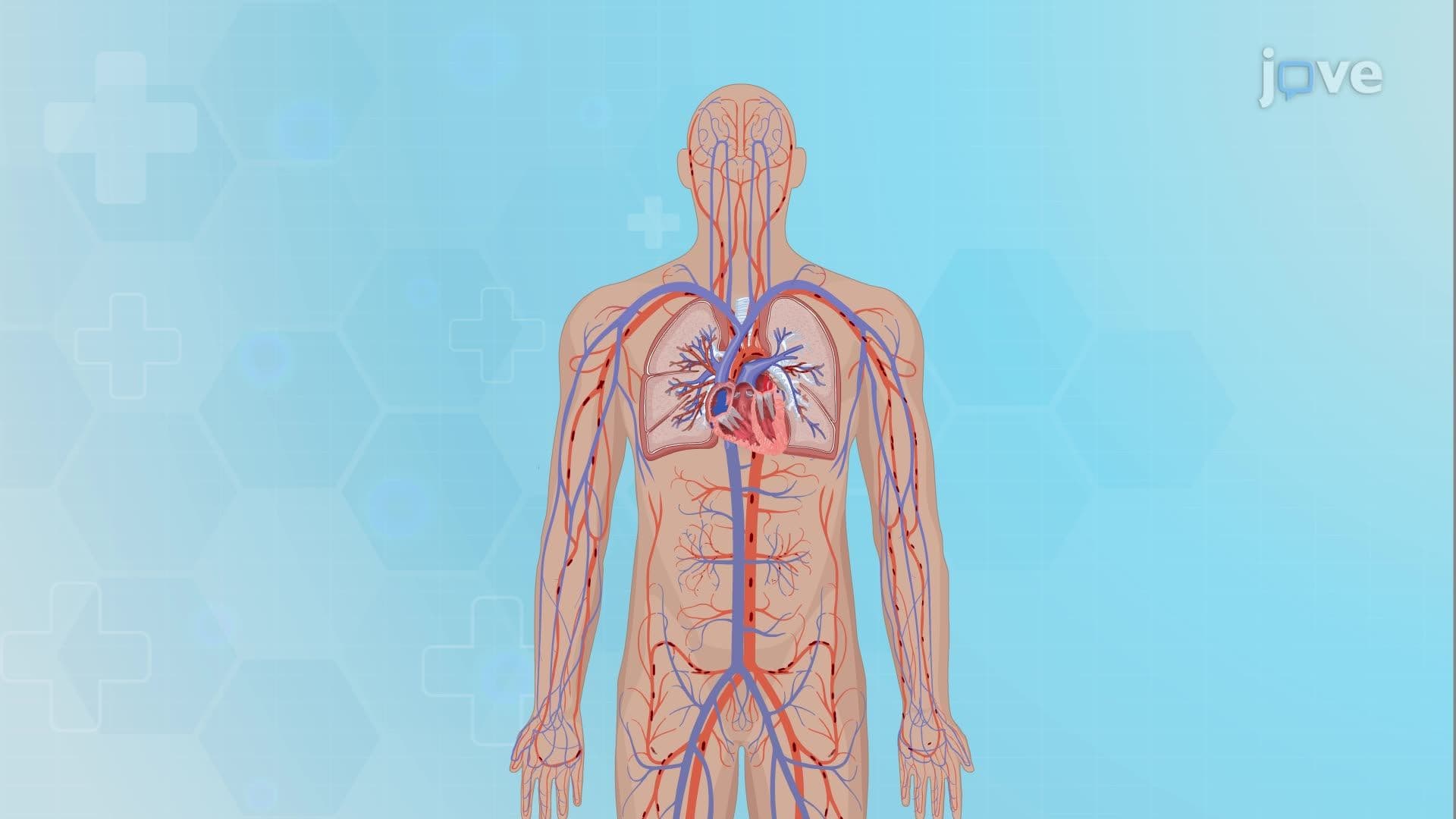
Coronary artery disease represents the most common form of heart disease in the United States, affecting over 18 million Americans according to the CDC. This atherosclerotic condition specifically targets the coronary arteries-the vital blood vessels that supply oxygen and nutrients directly to the heart muscle. When students encounter this topic in AP Biology or college anatomy courses, they'll discover that CAD falls under the broader umbrella of atherosclerosis, a systemic condition affecting arteries throughout the body.
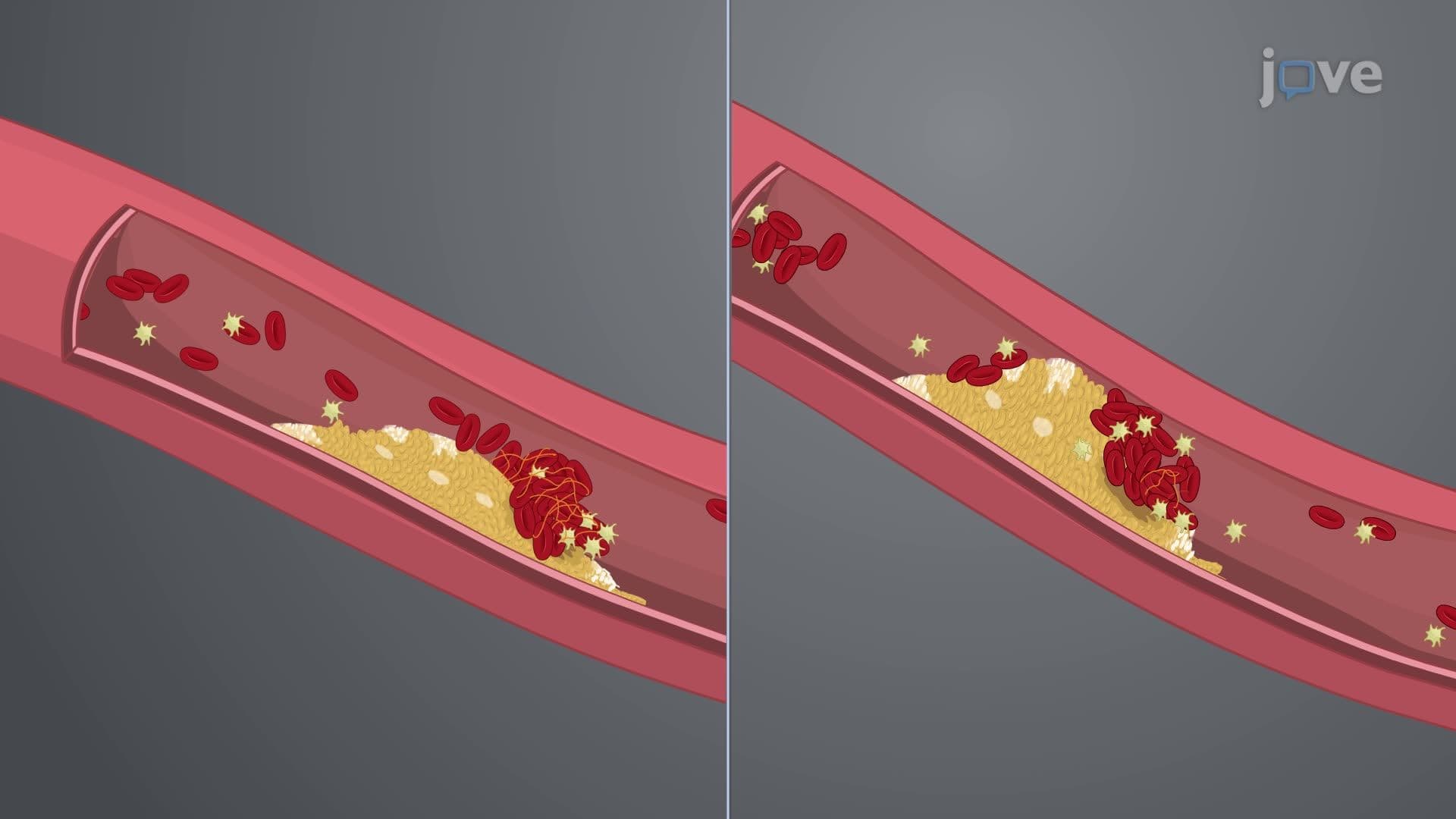
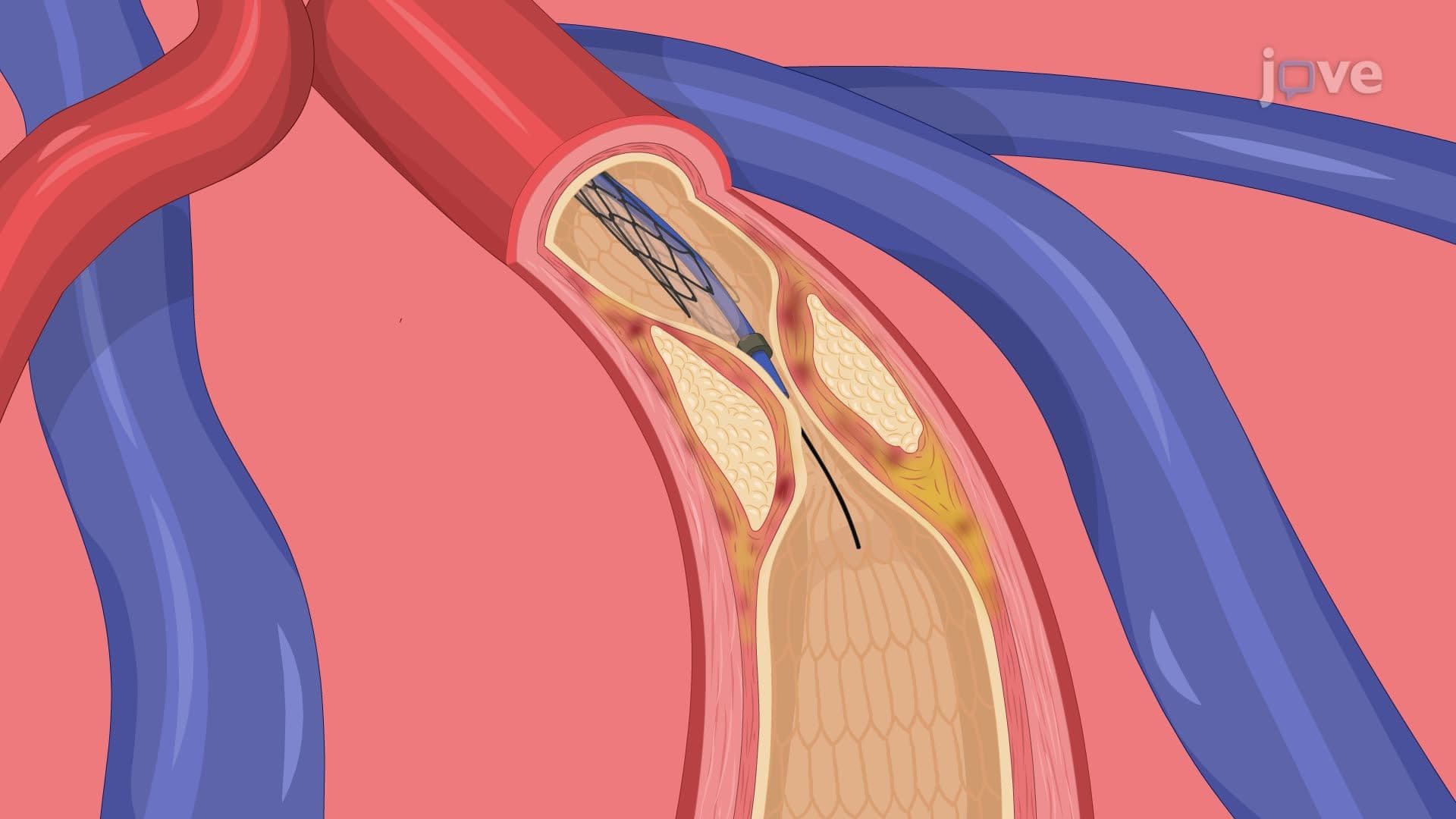
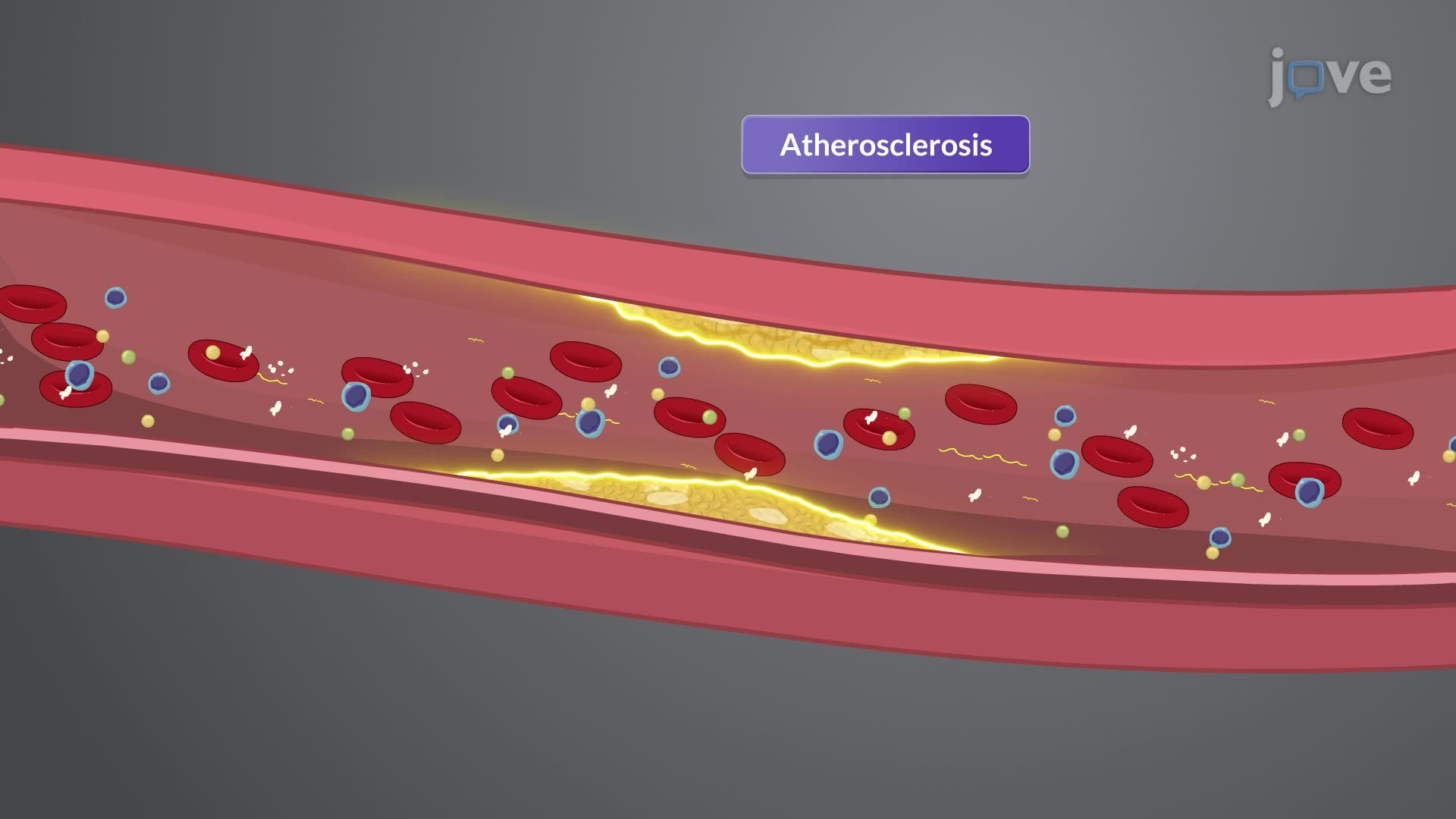
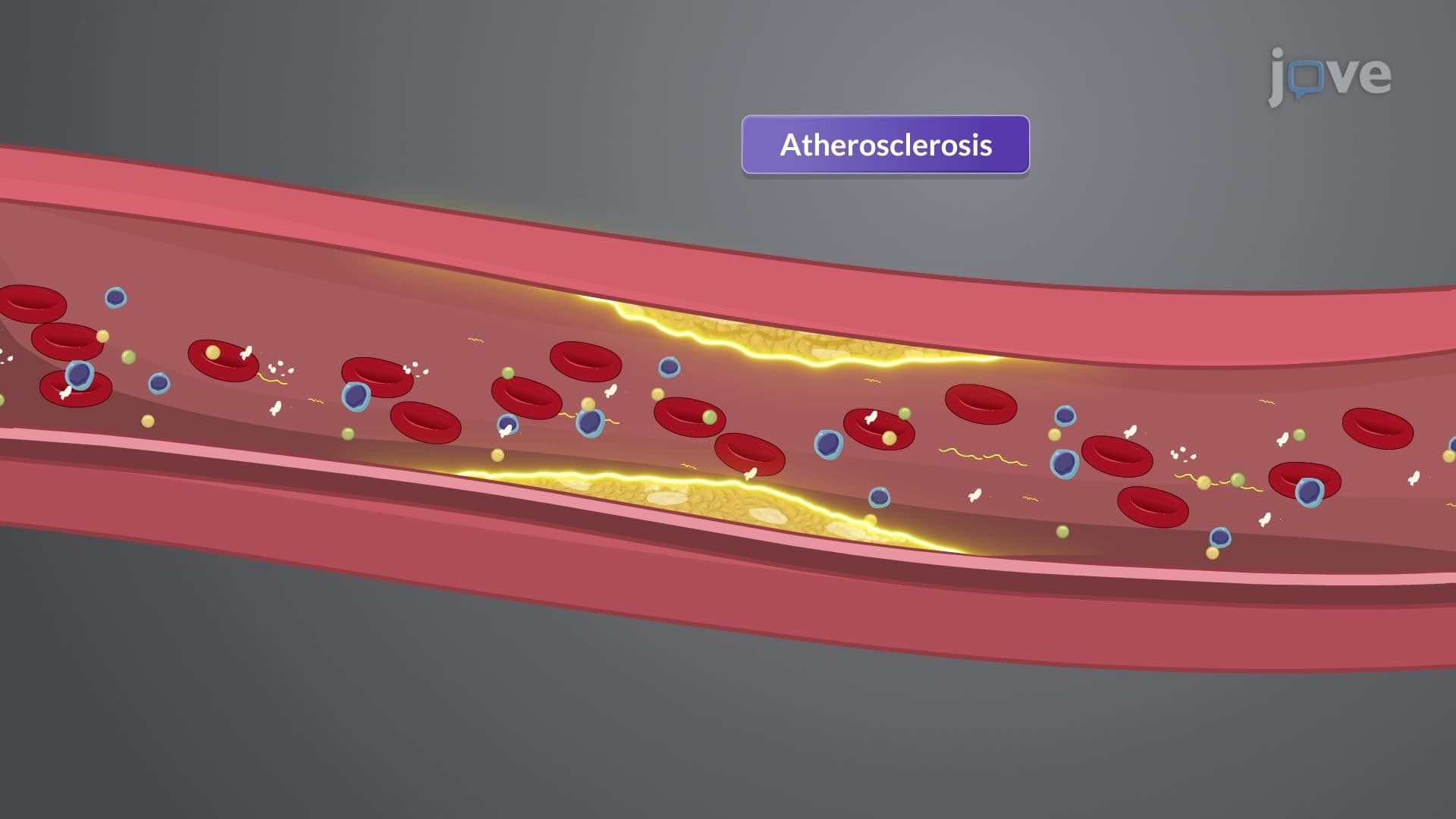
The pathophysiology begins with endothelial dysfunction in artery walls, creating an environment where low-density lipoprotein (LDL) cholesterol can penetrate and oxidize. This triggers an inflammatory cascade, attracting white blood cells that transform into foam cells, eventually forming the characteristic atherosclerotic plaque containing cholesterol, fatty deposits, inflammatory cells, calcium deposits, and fibrin networks.
Medical professionals classify CAD risk factors into two distinct categories that students will encounter on standardized tests like the MCAT. Non-modifiable risk factors include chronological age, with statistical data showing increased risk for men over 45 and women over 55. This age difference reflects hormonal protection from estrogen in premenopausal women. Genetic predisposition plays a crucial role-having a first-degree relative with early CAD (before age 55 in men, 65 in women) significantly elevates personal risk.
Modifiable risk factors offer hope for prevention and represent key intervention points in clinical practice. Smoking cessation remains the single most impactful lifestyle change, as tobacco use accelerates atherosclerosis through multiple mechanisms including endothelial damage and increased inflammation. Hypertension, defined as blood pressure consistently above 130/80 mmHg under current American Heart Association guidelines, creates mechanical stress on artery walls while promoting plaque formation.
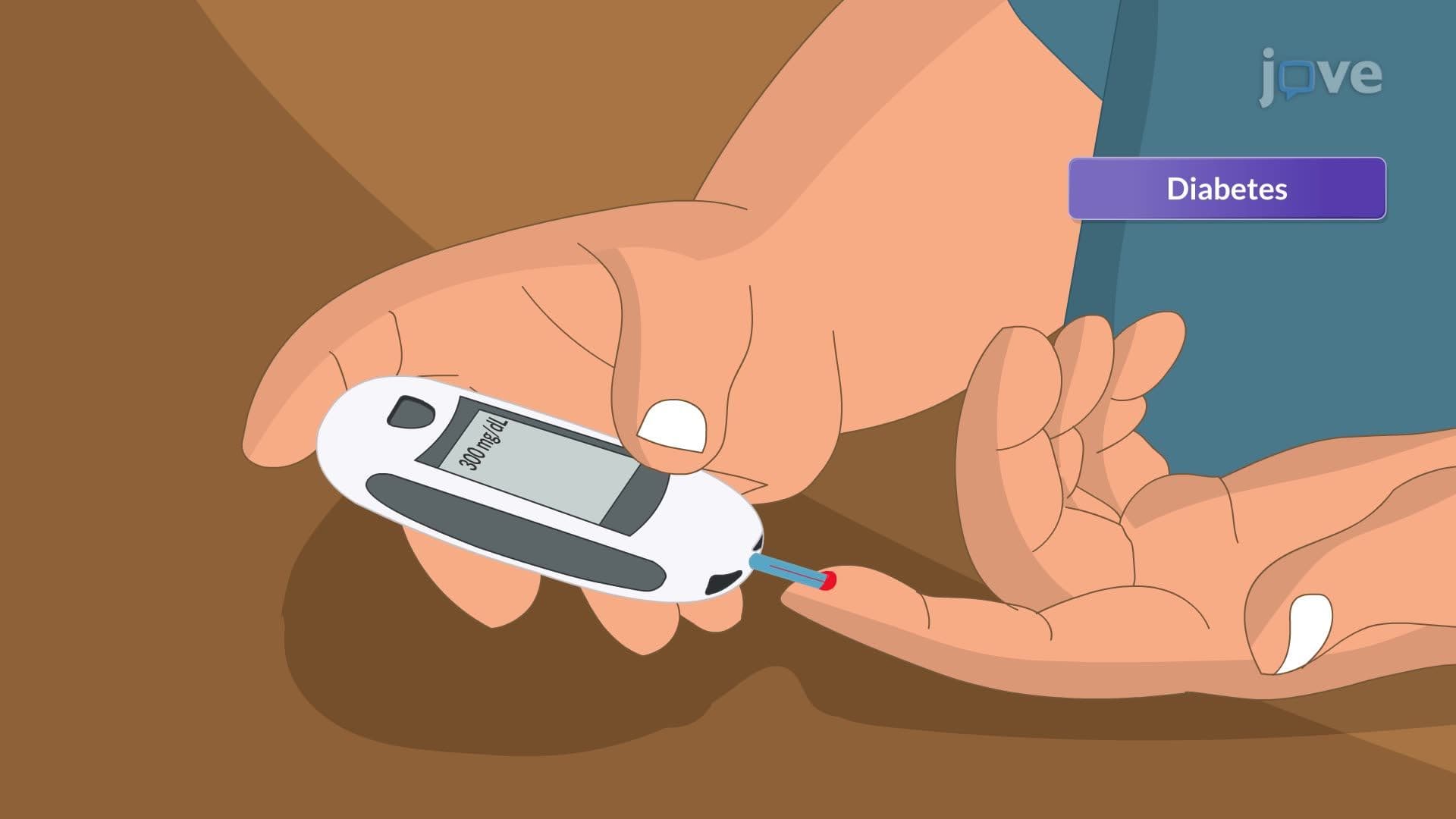
The relationship between diabetes and CAD is particularly significant for pre-med students preparing for the MCAT or USMLE Step 1. Both Type 1 and Type 2 diabetes accelerate atherosclerosis through advanced glycation end products (AGEs) and chronic hyperglycemia-induced inflammation. Obesity, specifically defined as BMI exceeding 30 kg/m², correlates strongly with CAD risk, while central adiposity (waist circumference over 40 inches in men, 35 inches in women) indicates metabolically active visceral fat that promotes insulin resistance and systemic inflammation.
Contemporary research increasingly recognizes psychosocial factors as legitimate cardiovascular risk factors. Chronic stress elevates cortisol levels, promoting hypertension and metabolic dysfunction. Depression and anxiety disorders correlate with poor medication adherence, unhealthy lifestyle choices, and direct physiological effects including increased platelet aggregation and endothelial dysfunction-concepts that frequently appear on nursing exams like the NCLEX-RN.
Related Micro-courses