Loading subject page…


2,474 views


Video Summary: Coronary Artery Disease Iv Preventive Measures Explained
Did you know that heart disease remains the leading cause of death in the United States, claiming over 650,000 lives annually? Understanding coronary artery disease IV preventive measures can dramatically reduce these statistics through evidence-based interventions. The American Heart Association reports that implementing proper cholesterol management and lifestyle modifications prevented approximately 200,000 heart attacks between 2010-2020. Coronary Artery Disease IV Preventive Measures Explained demonstrates how targeted prevention strategies effectively combat cardiovascular risk factors. Watch the full video on JoVE Coach to master this concept with expert-led visuals and step-by-step explanations.
Coronary artery disease prevention represents a multi-faceted approach targeting modifiable cardiovascular risk factors through evidence-based interventions. Unlike reactive treatment strategies, preventive measures focus on addressing underlying pathophysiological mechanisms before clinical manifestations develop. The "IV" designation typically refers to the fourth level or stage of comprehensive prevention protocols, emphasizing advanced risk stratification and targeted interventions for high-risk populations.
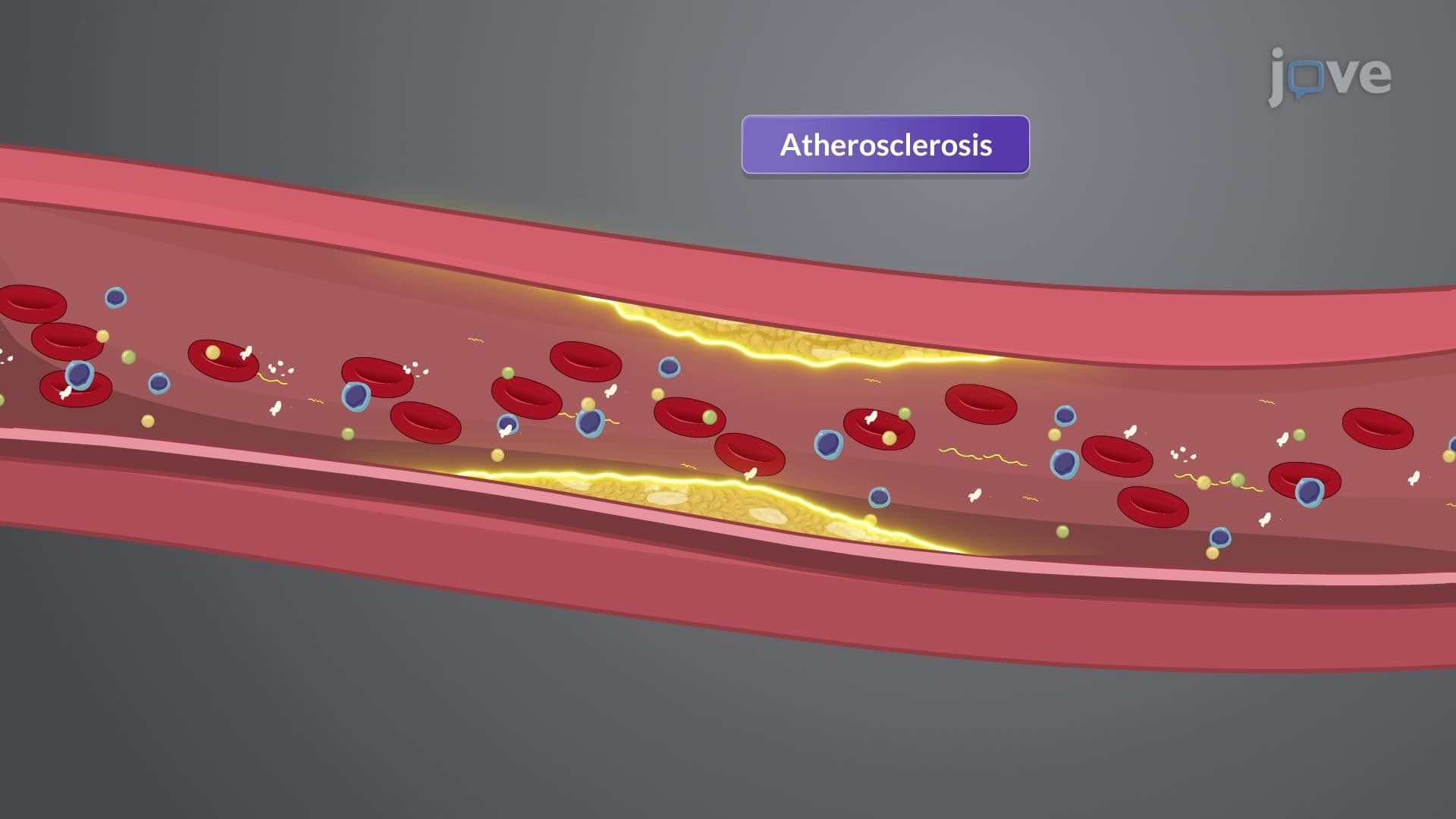
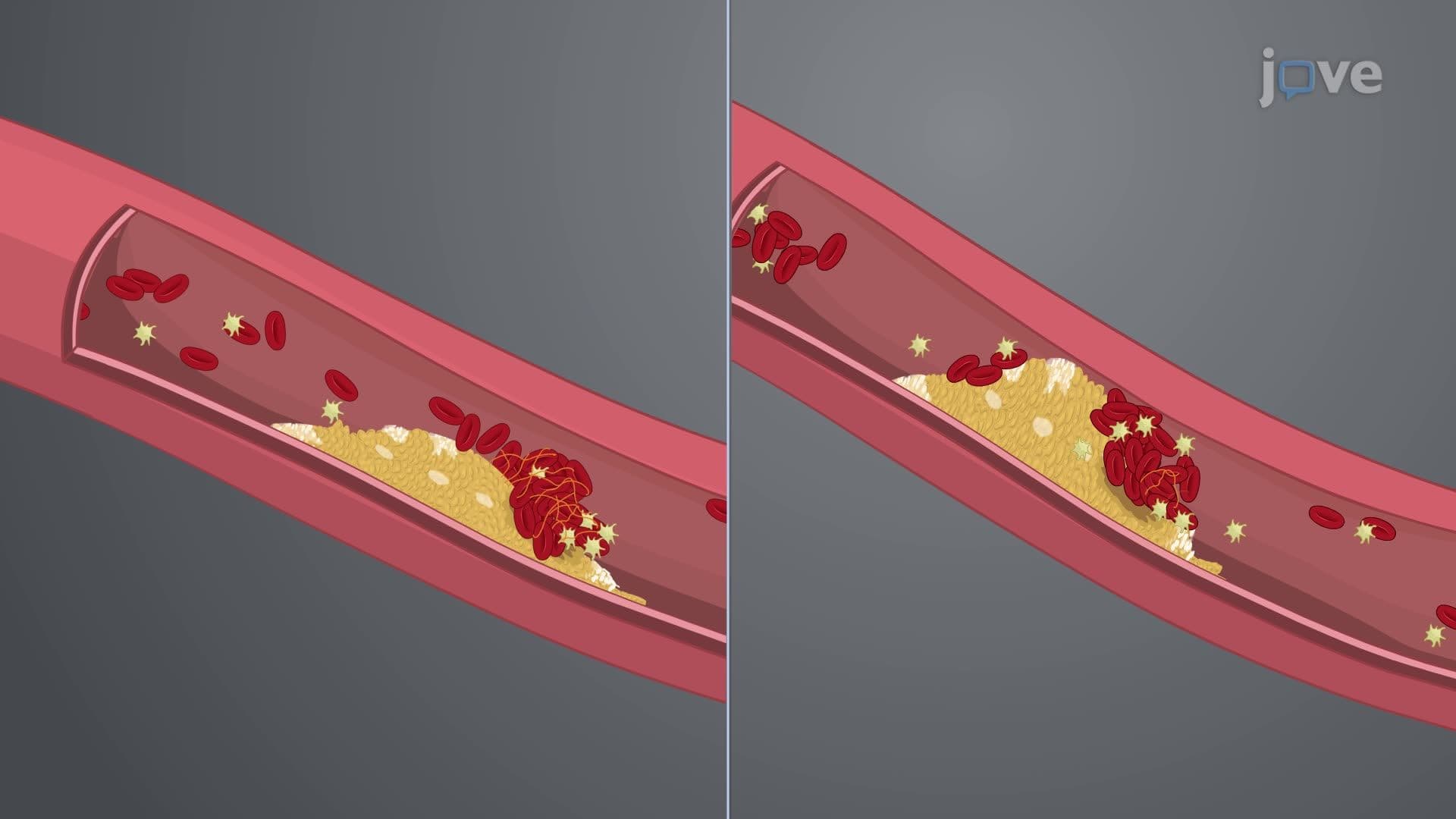
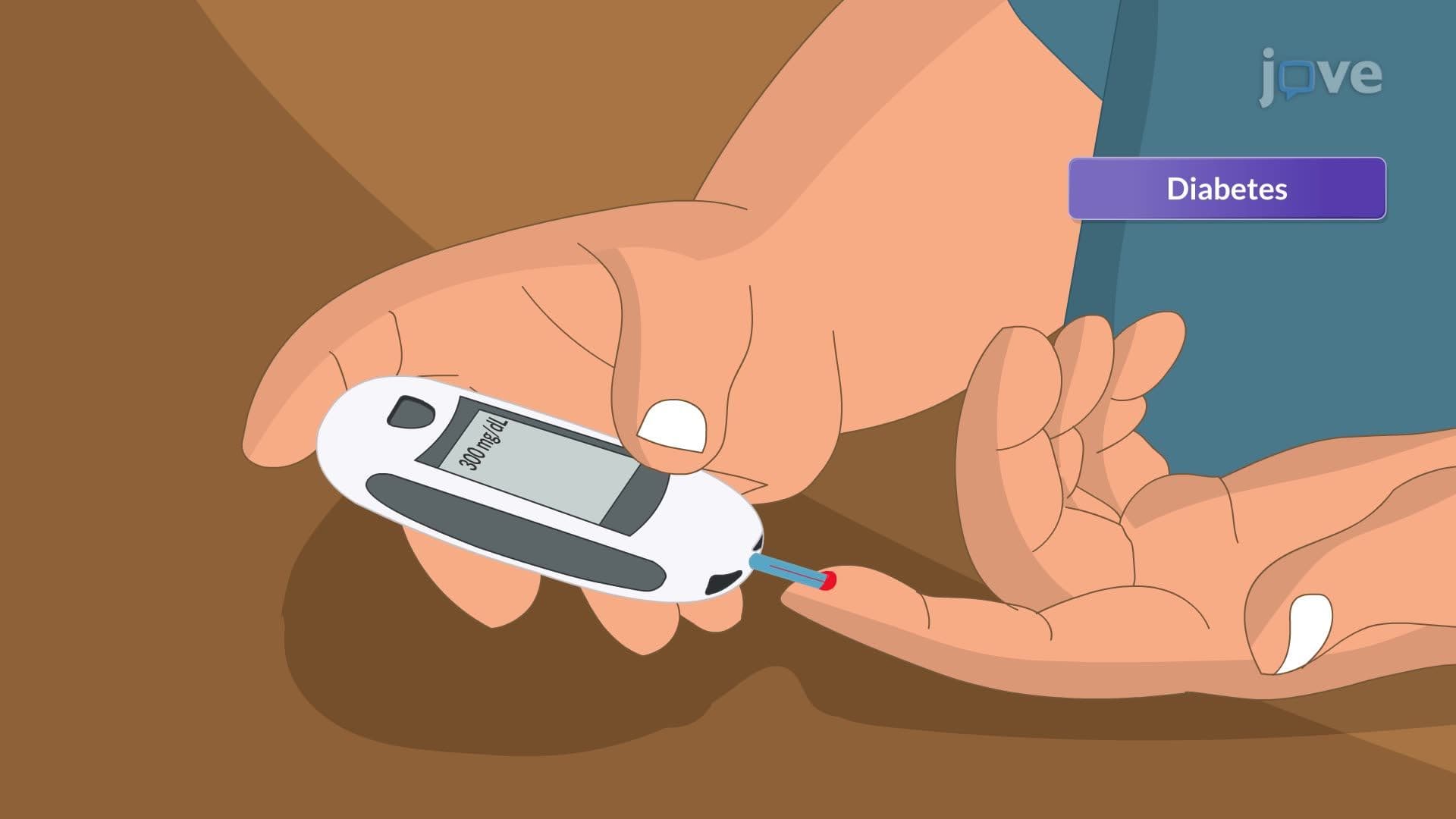
Effective lipid management forms the cornerstone of coronary artery disease prevention. Low-density lipoprotein (LDL) cholesterol, often called "bad cholesterol," directly contributes to atherosclerotic plaque formation within coronary vessels. Current American College of Cardiology guidelines recommend maintaining LDL levels below 100 mg/dL for most patients, with more aggressive targets below 70 mg/dL for individuals with existing cardiovascular disease or diabetes. High-density lipoprotein (HDL) cholesterol provides protective effects by facilitating reverse cholesterol transport, removing excess cholesterol from arterial walls. Target HDL levels differ by gender due to hormonal influences: men should maintain levels above 40 mg/dL, while women require levels above 50 mg/dL. These targets frequently appear on MCAT examinations and college-level pathophysiology courses, requiring students to understand both numerical thresholds and underlying mechanisms.
Heart-healthy nutrition emphasizes Mediterranean-style eating patterns rich in omega-3 fatty acids, antioxidants, and fiber while minimizing pro-inflammatory components. The DASH (Dietary Approaches to Stop Hypertension) diet, extensively studied in US populations, demonstrates significant cardiovascular benefits through increased consumption of fruits, vegetables, whole grains, and lean proteins. Simultaneously, limiting saturated fats to less than 7% of total calories and eliminating trans fats reduces atherogenic lipid profiles. Sodium restriction below 2,300 mg daily (ideally 1,500 mg for high-risk individuals) helps control blood pressure, a major cardiovascular risk factor.
Regular physical activity provides multiple cardiovascular benefits, including improved HDL cholesterol levels, enhanced endothelial function, and reduced inflammation. The American Heart Association recommends 150 minutes of moderate-intensity exercise weekly, typically achieved through 30-minute sessions five days per week. Activities like brisk walking, swimming, or cycling effectively meet these guidelines. Smoking cessation yields immediate and long-term cardiovascular benefits, with risk reduction beginning within 24 hours and approaching non-smoker levels within 2-5 years. US medical licensing examinations, including the USMLE Step 1 and Step 2, frequently test knowledge of these evidence-based recommendations and their physiological rationale.
Related Micro-courses