Loading subject page…

2,474 views

Video Summary: Coronary Artery Disease V Interprofessional Care Explained
Every year, over 650,000 Americans die from coronary artery disease, making it the leading cause of death nationwide-yet coordinated medical teams can dramatically improve patient outcomes through strategic treatment approaches. Coronary artery disease v interprofessional care represents a comprehensive medical strategy where cardiologists, nurses, pharmacists, and surgeons work together to manage blocked heart arteries. For instance, at Mayo Clinic, interprofessional teams combine medications like statins and beta-blockers with procedures such as angioplasty to restore blood flow to damaged heart muscle. Watch the full video on JoVE Coach to master this concept with expert-led visuals and step-by-step explanations.
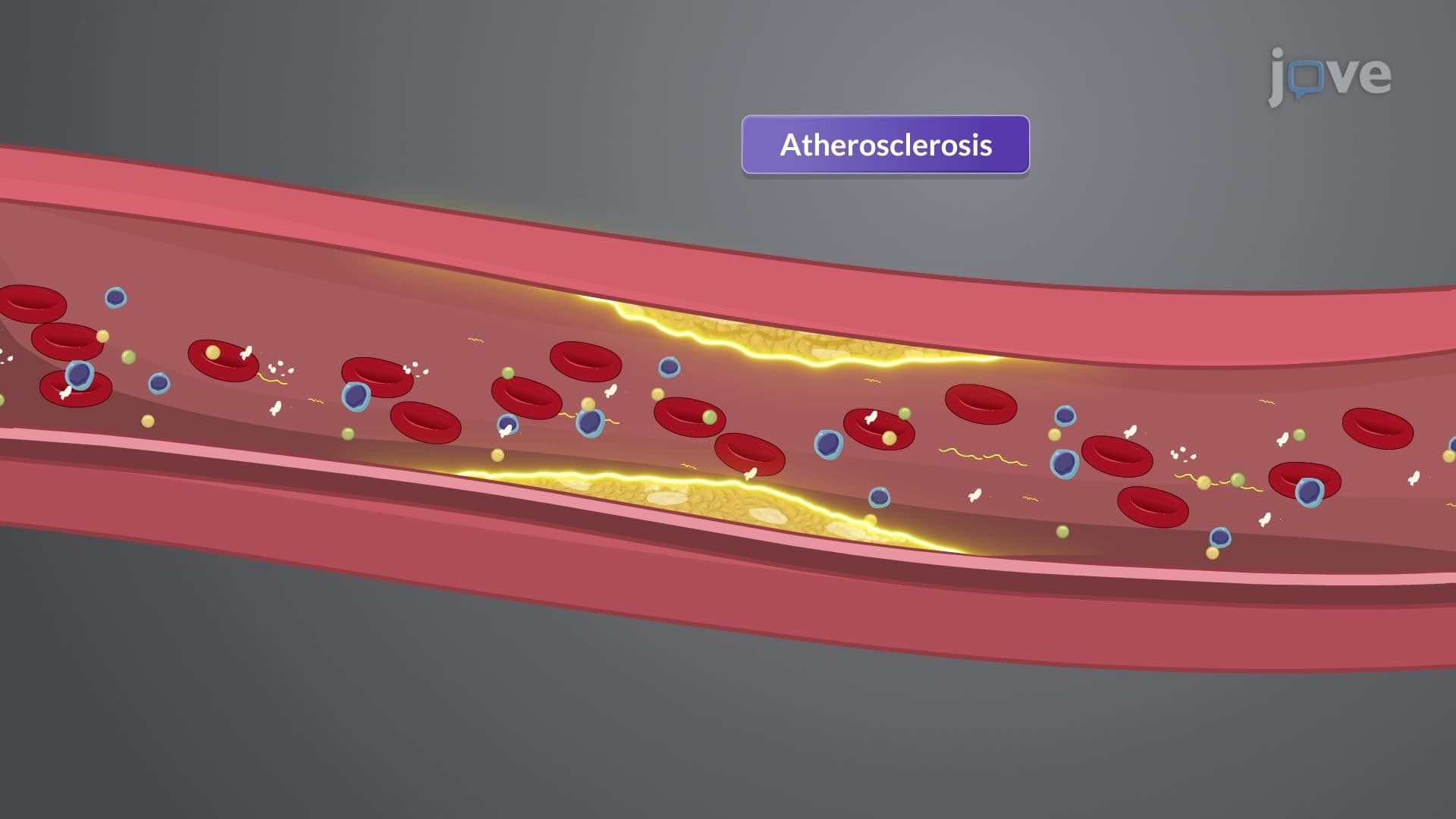
Coronary artery disease affects over 18 million American adults, making interprofessional collaboration essential for optimal patient outcomes. This comprehensive approach involves multiple healthcare specialties working together to address the complex nature of coronary atherosclerosis-the buildup of plaque in heart arteries that restricts blood flow to cardiac muscle.
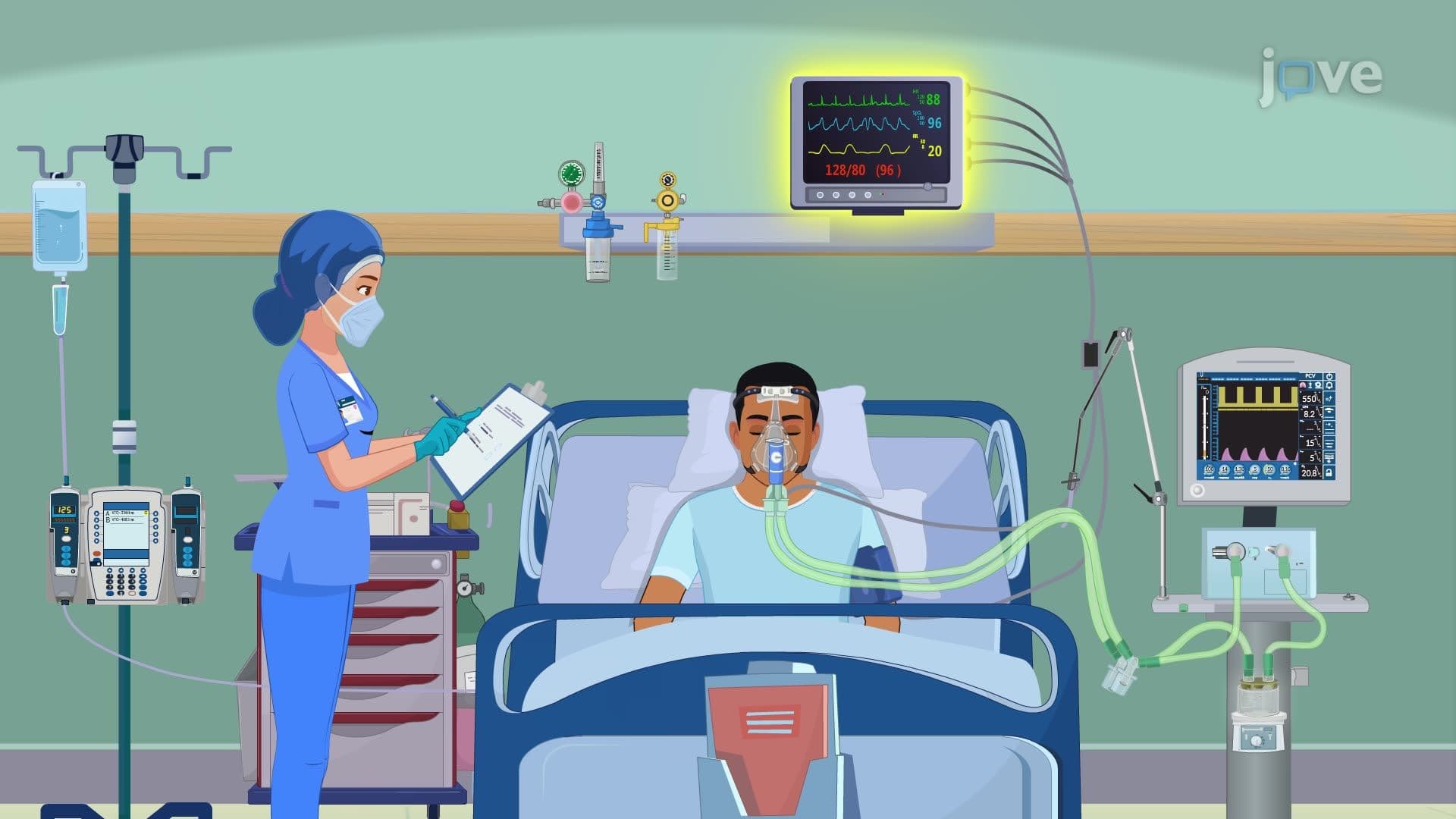
The interprofessional model recognizes that effective cardiac care extends beyond a single physician's expertise. Cardiologists diagnose and manage the condition, clinical pharmacists optimize medication regimens, cardiac surgeons perform revascularization procedures when needed, and specialized nurses provide patient education and monitor treatment responses. This team-based approach has been shown to reduce hospital readmissions by up to 25% and improve long-term survival rates.
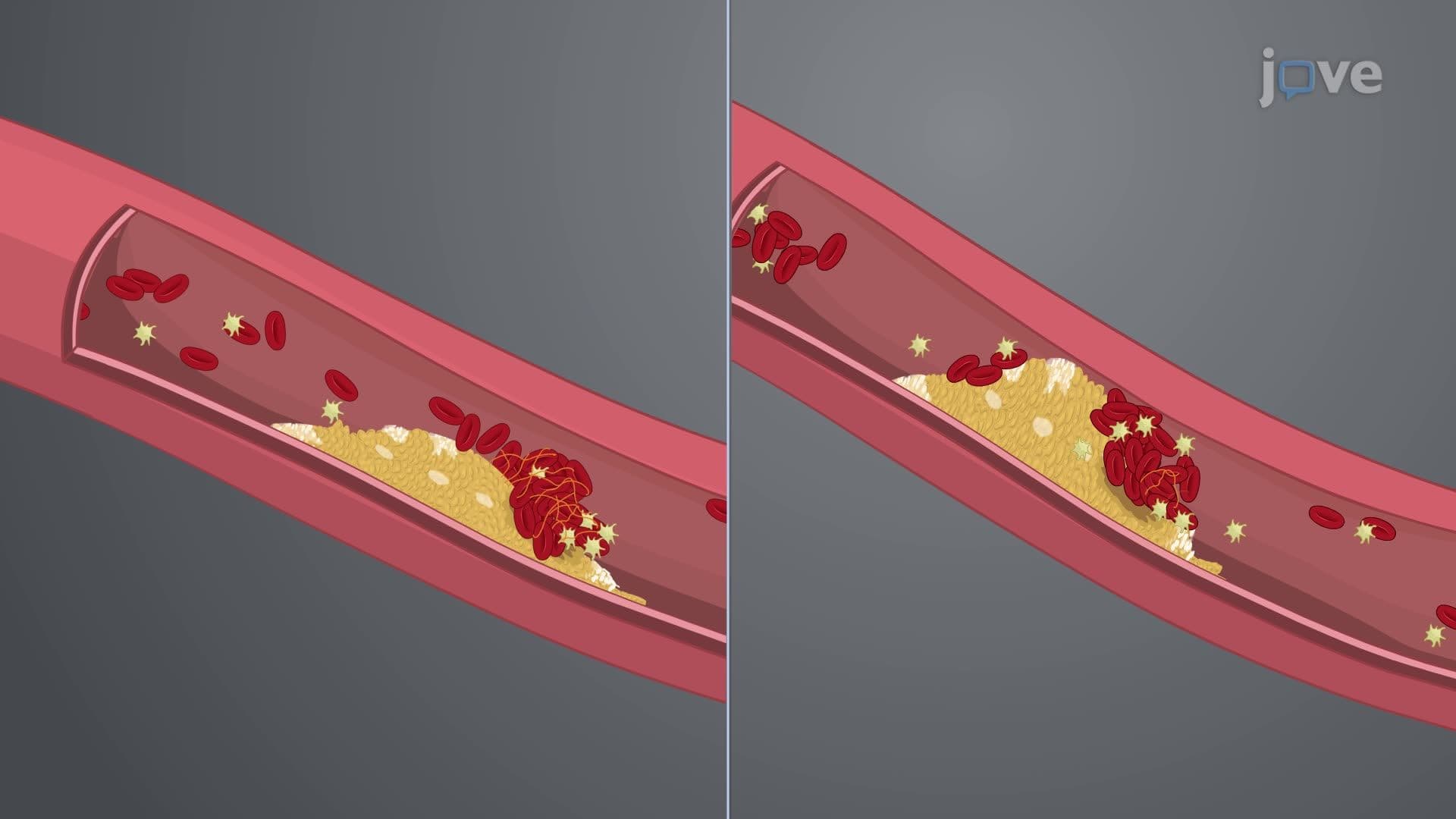
The medication component of interprofessional care follows evidence-based protocols established by the American College of Cardiology and American Heart Association. Antiplatelet therapy, typically aspirin combined with clopidogrel, prevents dangerous blood clots from forming in narrowed arteries. Students preparing for the MCAT should understand that these medications work by inhibiting different pathways in platelet aggregation-aspirin blocks cyclooxygenase-1, while clopidogrel inhibits P2Y12 receptors.
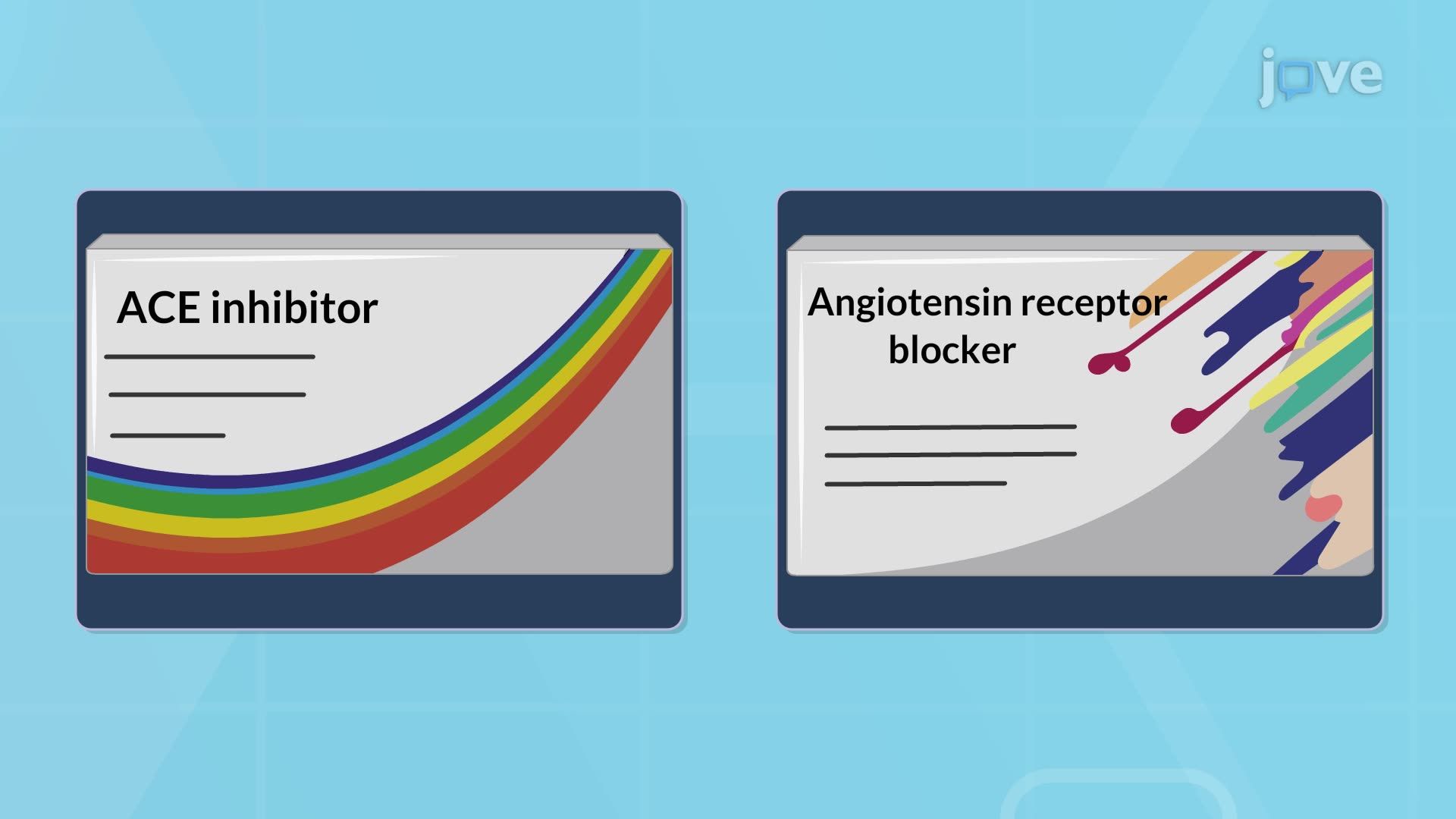
Statin therapy represents another cornerstone of treatment, with medications like atorvastatin and rosuvastatin not only lowering LDL cholesterol but also stabilizing existing atherosclerotic plaques. Beta-blockers such as metoprolol reduce cardiac workload by decreasing heart rate and contractility, while ACE inhibitors like lisinopril provide cardiovascular protection through multiple mechanisms including afterload reduction and prevention of ventricular remodeling.
When medical therapy proves insufficient-typically when patients continue experiencing symptoms despite optimal medication management-the interprofessional team considers revascularization options. This decision-making process involves careful evaluation of factors including symptom severity, extent of coronary disease, patient age, and overall health status.
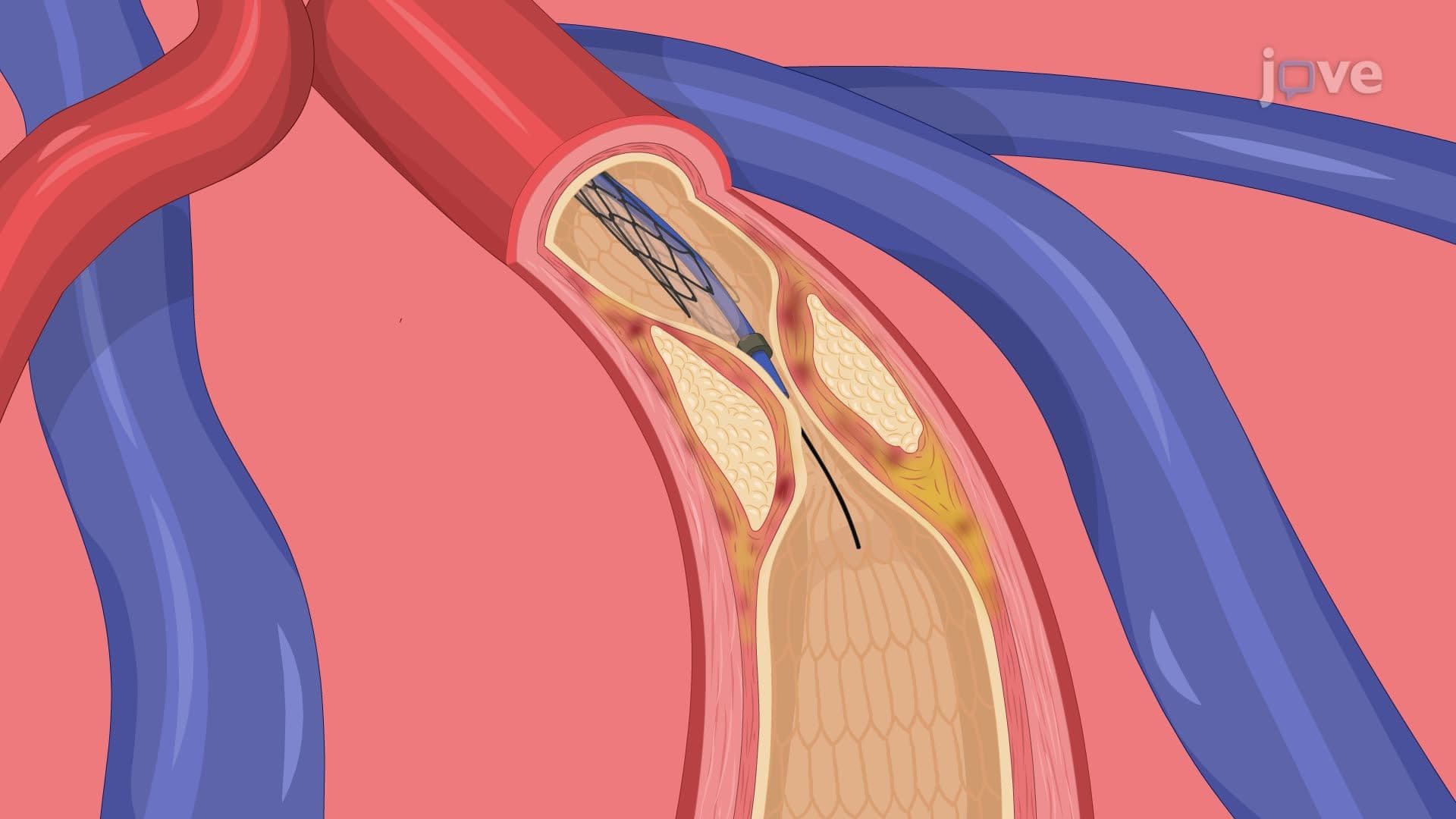
Percutaneous coronary intervention (PCI), commonly performed at major medical centers like Cleveland Clinic and Johns Hopkins, involves threading a catheter through peripheral arteries to reach blocked coronary vessels. The procedure includes balloon angioplasty to compress plaque against artery walls, followed by stent placement to maintain vessel patency. Drug-eluting stents, coated with medications like sirolimus or paclitaxel, help prevent restenosis-a critical concept for AP Biology students studying cellular responses to injury.
For patients with extensive multi-vessel disease or left main coronary artery involvement, coronary artery bypass grafting (CABG) may be preferred. This surgical procedure, typically performed by cardiothoracic surgeons at tertiary care centers, creates new pathways for blood flow using vessels harvested from the patient's chest, leg, or arm. The internal mammary artery represents the gold standard for bypass grafts due to its superior long-term patency rates.
Related Micro-courses