Loading subject page…

2,474 views

Video Summary: What Is Angina I Introduction
Did you know that over 10 million Americans experience angina, yet many mistake it for simple heartburn or stress? Understanding what is angina I introduction reveals how this chest pain condition signals your heart muscle isn't getting enough oxygen-rich blood. Consider a 55-year-old teacher in Chicago who feels crushing chest pressure during her morning jog, this classic angina symptom occurs when narrowed coronary arteries can't meet her heart's increased oxygen demands during exercise. Watch the full video on JoVE Coach to master this concept with expert-led visuals and step-by-step explanations.
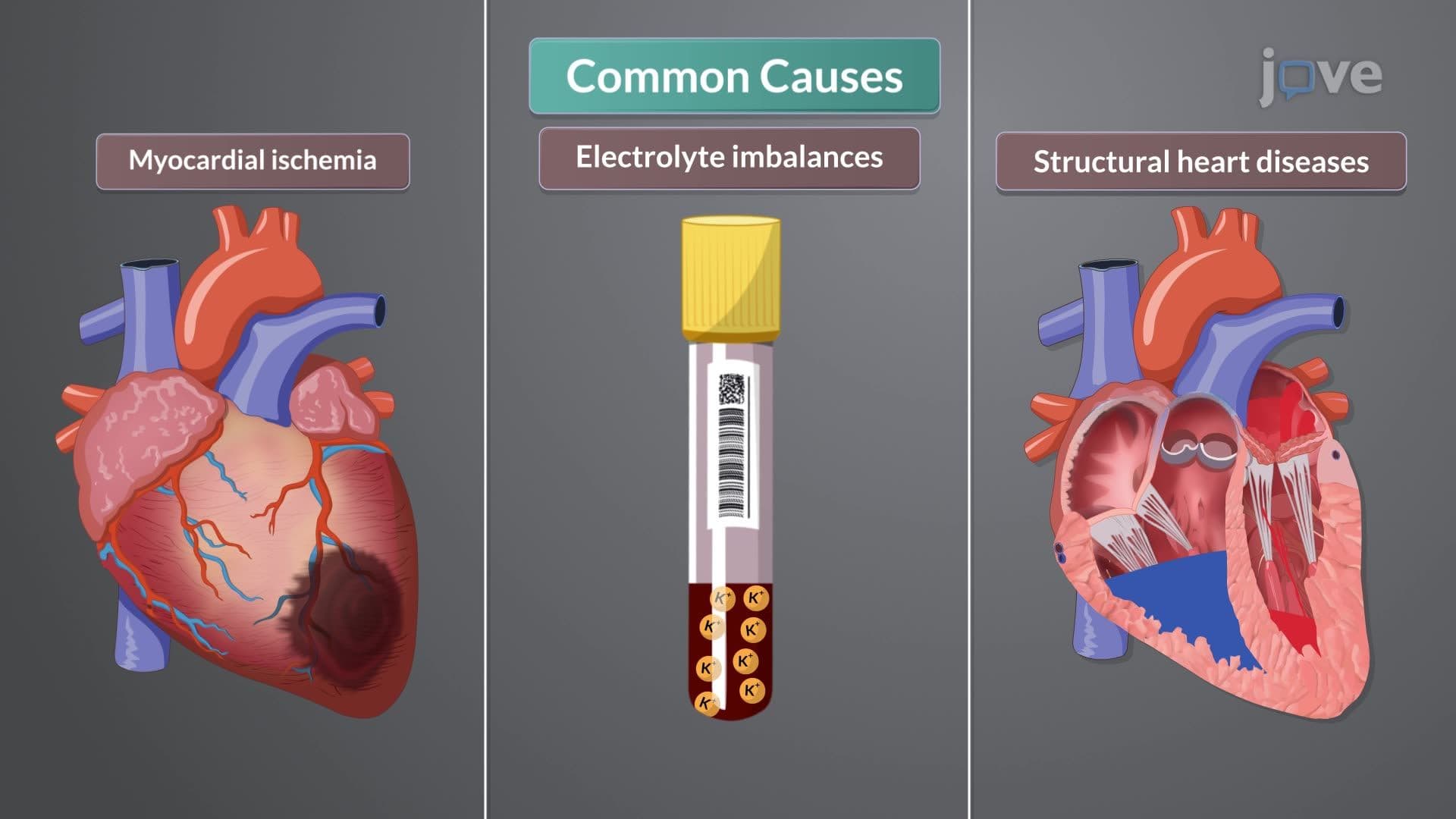
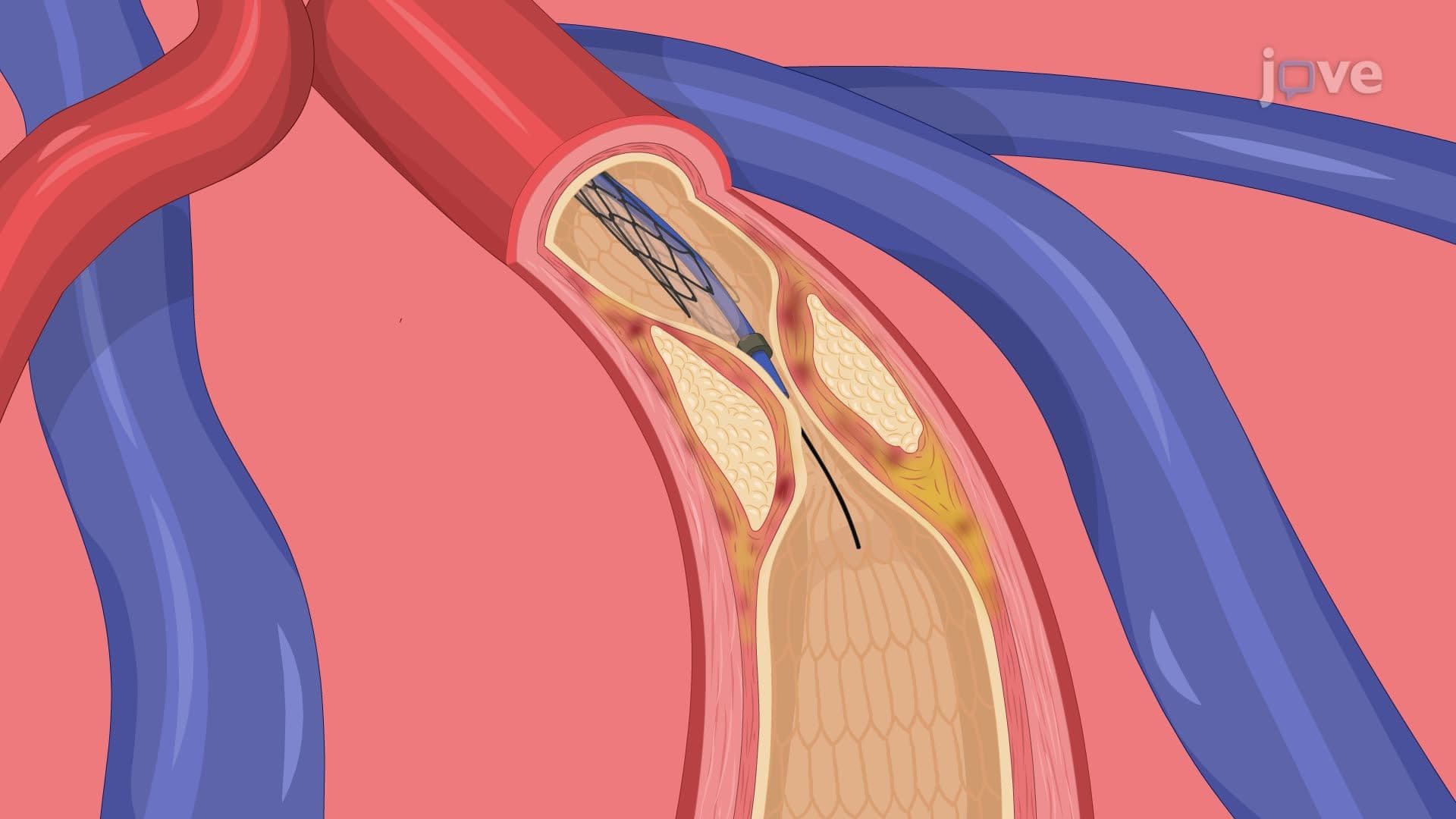
Angina represents one of the most significant cardiovascular conditions affecting millions of Americans, serving as a critical warning sign of underlying coronary artery disease. This chest pain syndrome occurs when your heart muscle, the myocardium, doesn't receive adequate oxygen-rich blood to meet its metabolic demands. Unlike a heart attack where heart tissue dies, angina represents a temporary mismatch between oxygen supply and demand, making early recognition and management crucial for preventing more serious cardiac events.
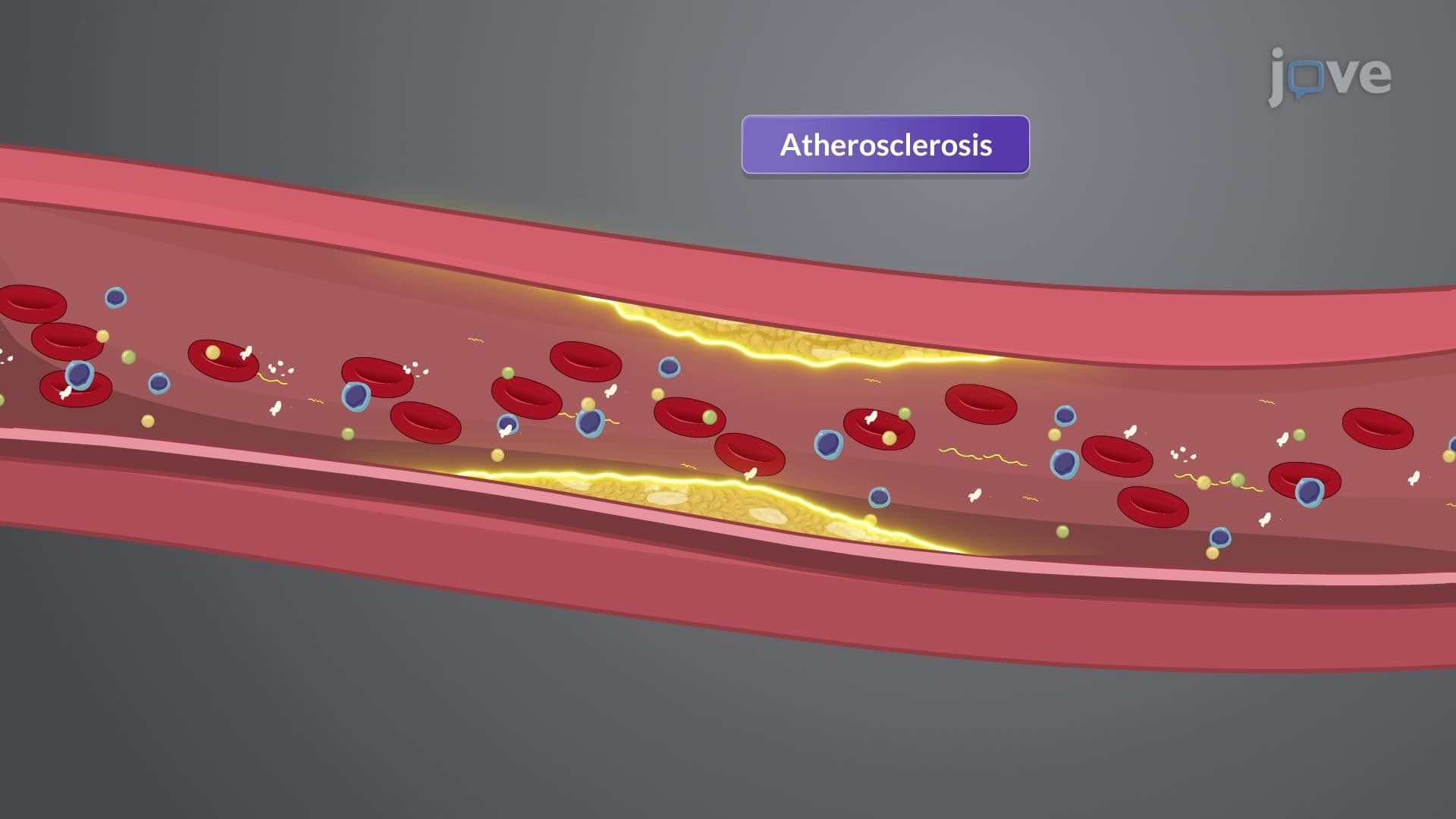
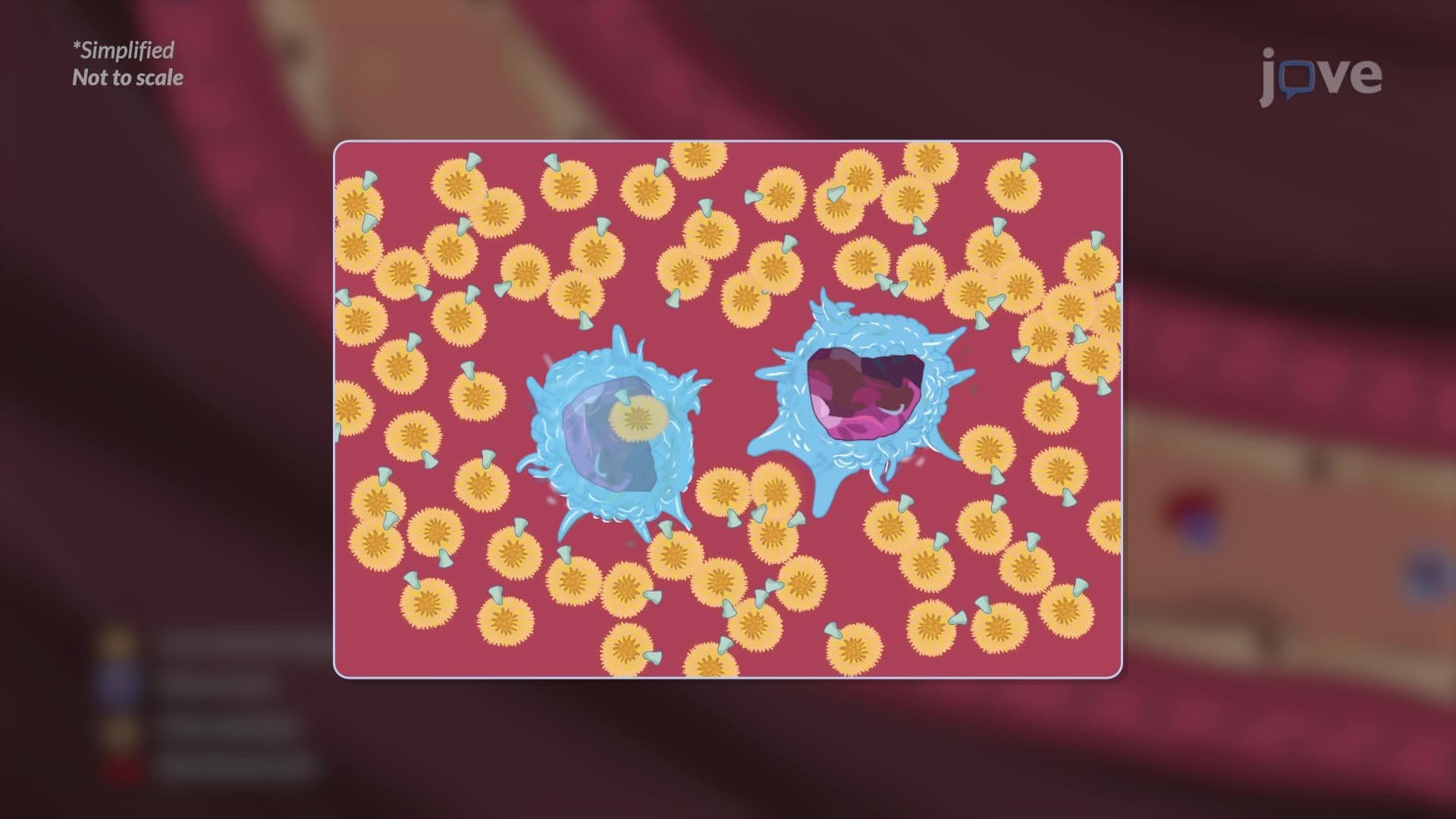
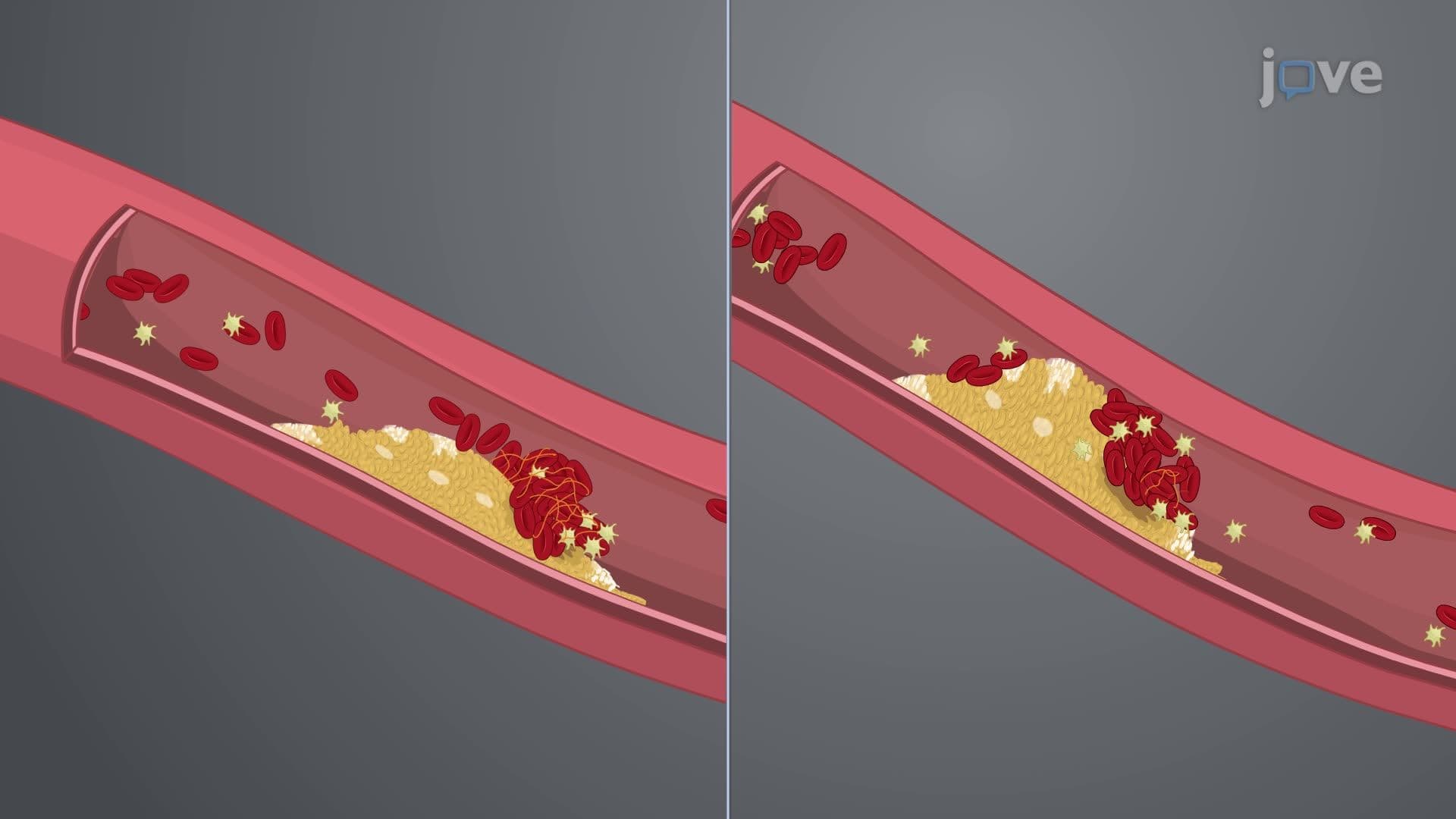
The primary culprit behind angina is atherosclerosis, a progressive condition where fatty deposits called plaques accumulate within coronary artery walls. These plaques contain cholesterol, inflammatory cells, and fibrous tissue that gradually narrow the arterial lumen. When coronary arteries become significantly narrowed, typically by 70% or more, they cannot adequately increase blood flow during times of increased cardiac demand. This restriction creates the perfect setup for anginal episodes, particularly during physical exertion or emotional stress when the heart requires more oxygen.
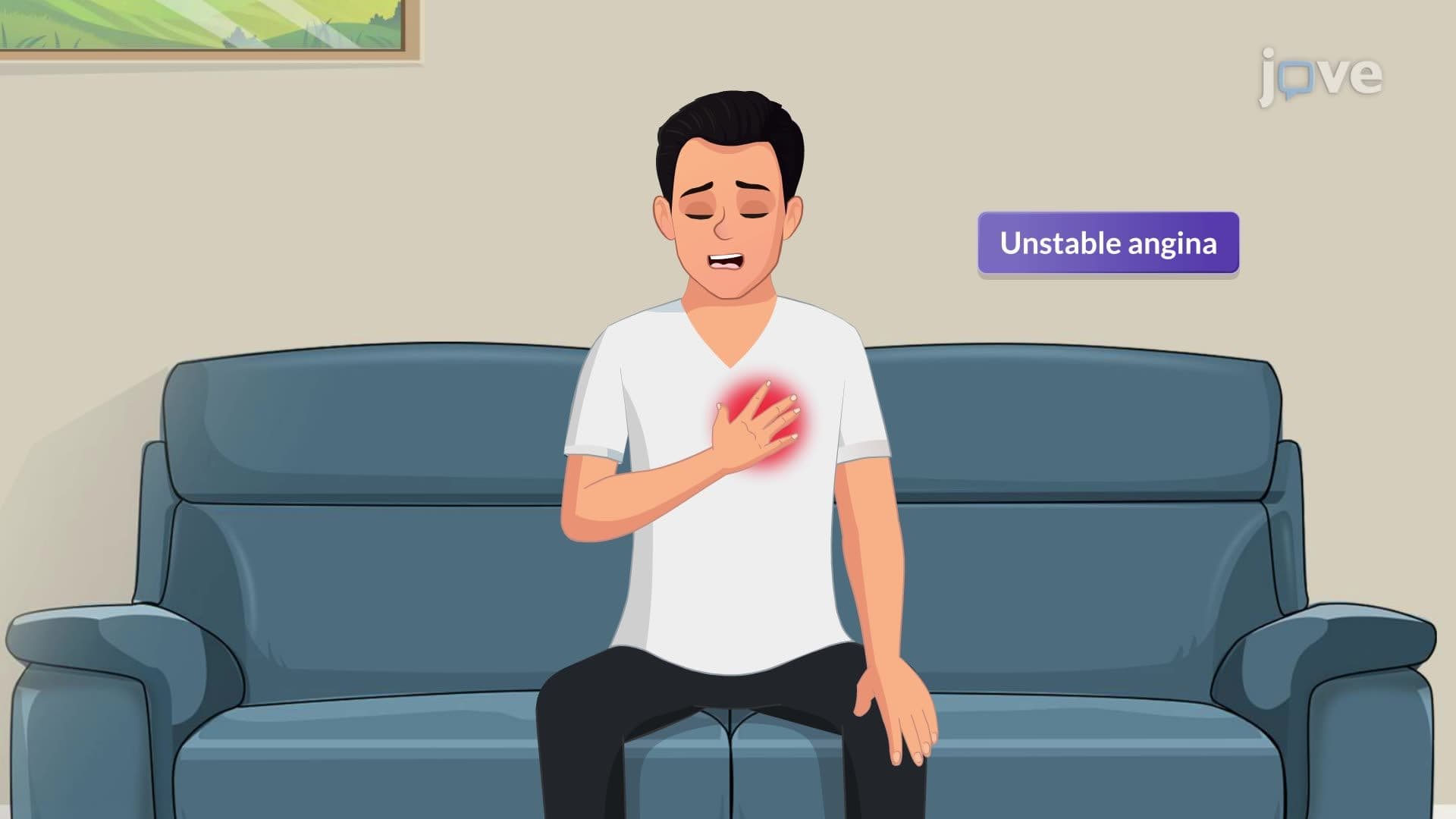
Angina typically manifests as substernal chest discomfort described using terms like "pressure," "squeezing," or "heaviness" rather than sharp pain. Patients often place a clenched fist over their chest when describing symptoms, a gesture called Levine's sign. The pain frequently radiates in predictable patterns: down the left arm, to the jaw, neck, or between the shoulder blades. Understanding these presentation patterns proves essential for healthcare students preparing for clinical rotations and standardized exams like the MCAT or USMLE Step 1.
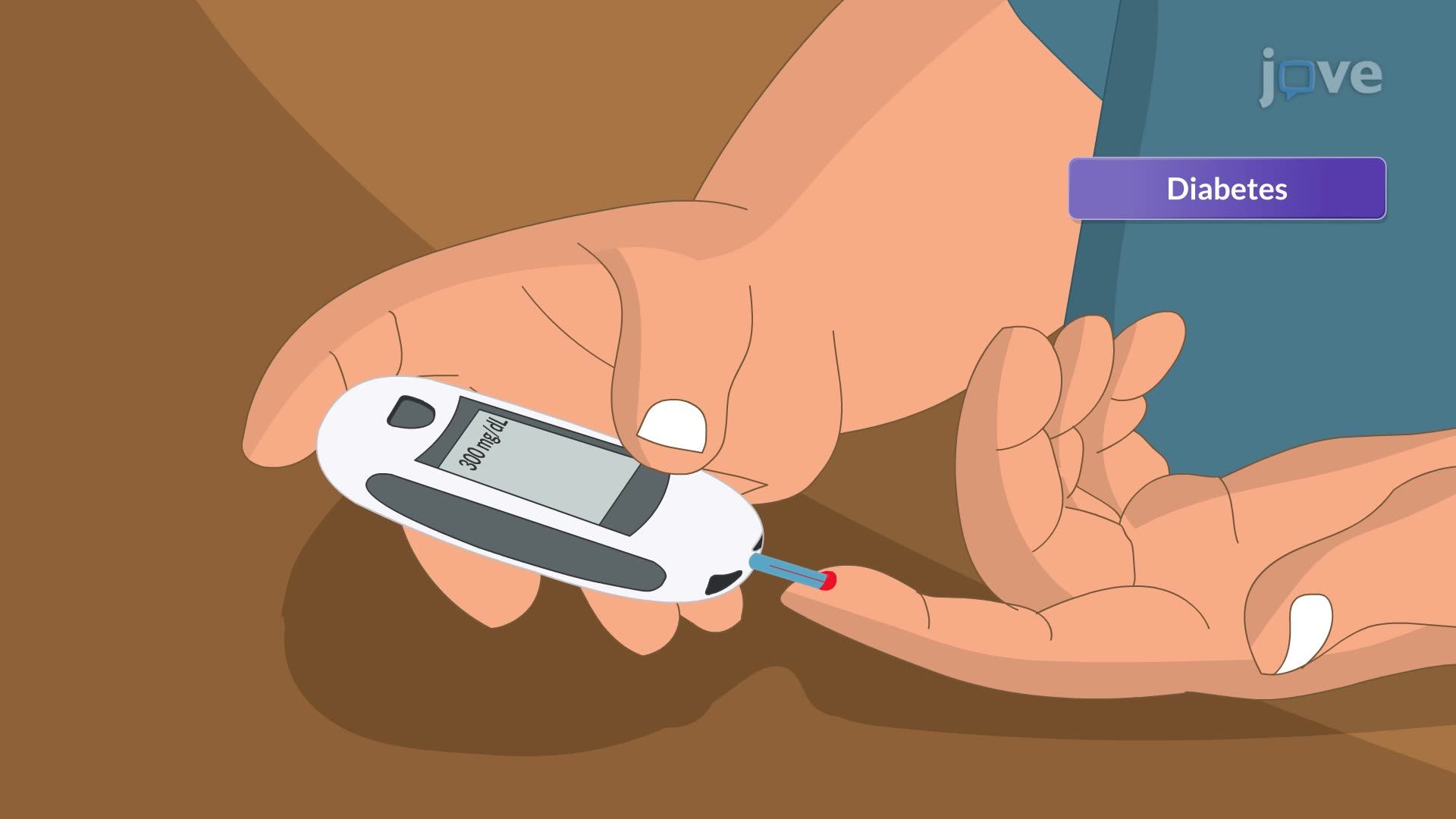
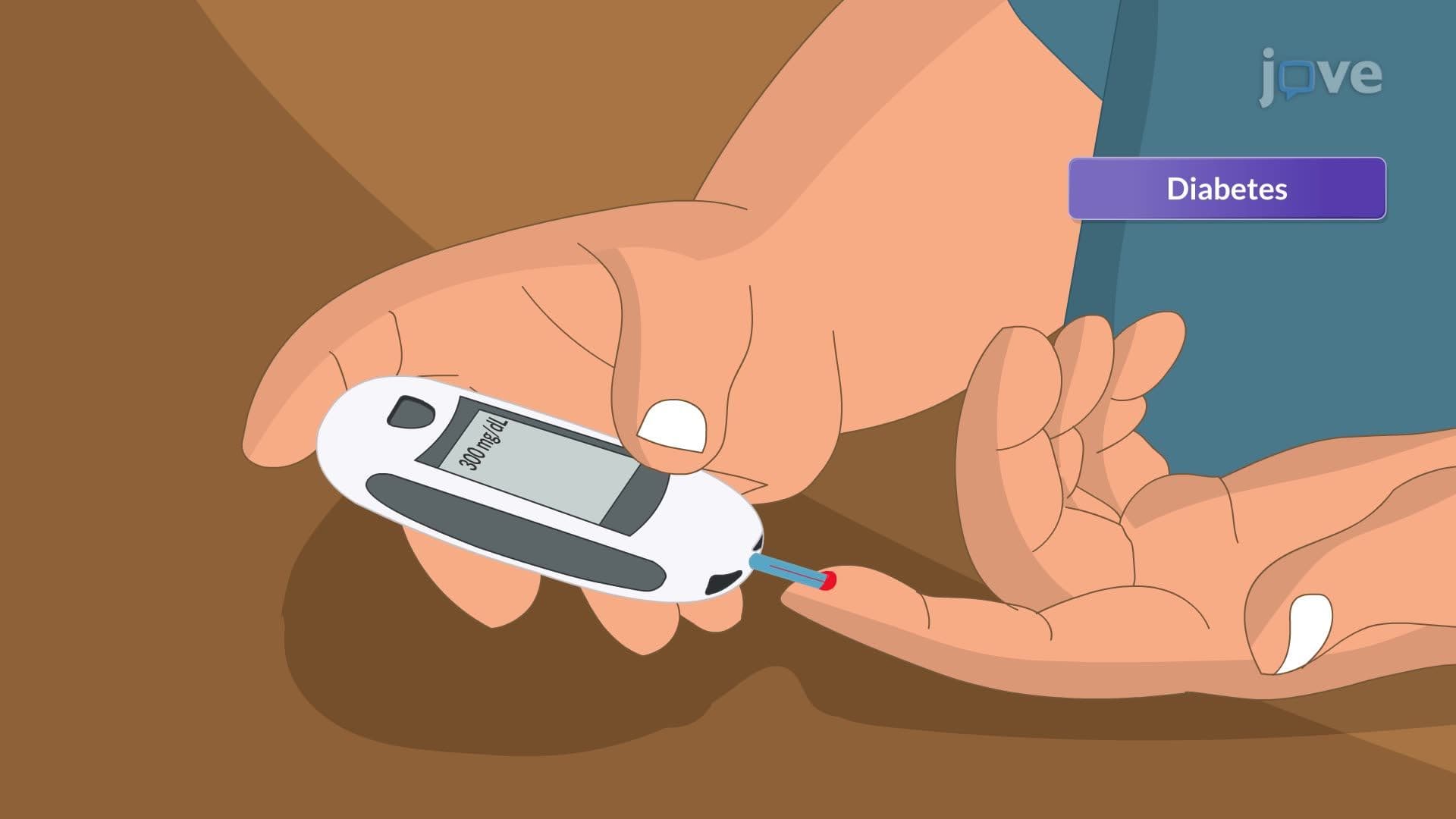
Multiple modifiable and non-modifiable factors contribute to angina development. Non-modifiable risks include advancing age, male gender, and family history of coronary disease. However, the majority of risk factors can be addressed through lifestyle interventions and medical management. Hypertension damages arterial walls, making them more susceptible to plaque formation. Diabetes accelerates atherosclerosis through multiple mechanisms including advanced glycation end-products. Smoking introduces toxins that directly damage endothelial cells while promoting inflammation and thrombosis. For students studying for AP Biology or college-level physiology courses, understanding these interconnected pathways demonstrates how multiple body systems influence cardiovascular health.
Related Micro-courses