Loading subject page…

2,474 views

Video Summary: What Is Angina Ii Classification
Did you know that chest pain affects over 9 million Americans annually, yet many don't realize there are actually four distinct types? Angina II classification systematically categorizes these cardiac conditions based on their underlying mechanisms and clinical presentations. From the predictable pattern of stable angina experienced during a morning jog in Central Park to the dangerous unpredictability of unstable angina that sends patients to emergency rooms across the country, understanding what is Angina II classification helps healthcare providers diagnose and treat millions of patients effectively. Watch the full video on JoVE Coach to master this concept with expert-led visuals and step-by-step explanations.
Angina II classification represents a comprehensive system for categorizing chest pain syndromes based on their underlying cardiac pathophysiology. This classification system proves essential for medical students preparing for the MCAT and healthcare professionals taking board examinations, as it provides a structured approach to differential diagnosis of cardiac chest pain.
The classification system emerged from decades of clinical research at institutions like the Mayo Clinic and Johns Hopkins, where cardiologists observed distinct patterns in patient presentations. Unlike simple chest pain categorization, this system integrates pathophysiology, clinical presentation, and treatment response to create meaningful diagnostic categories.
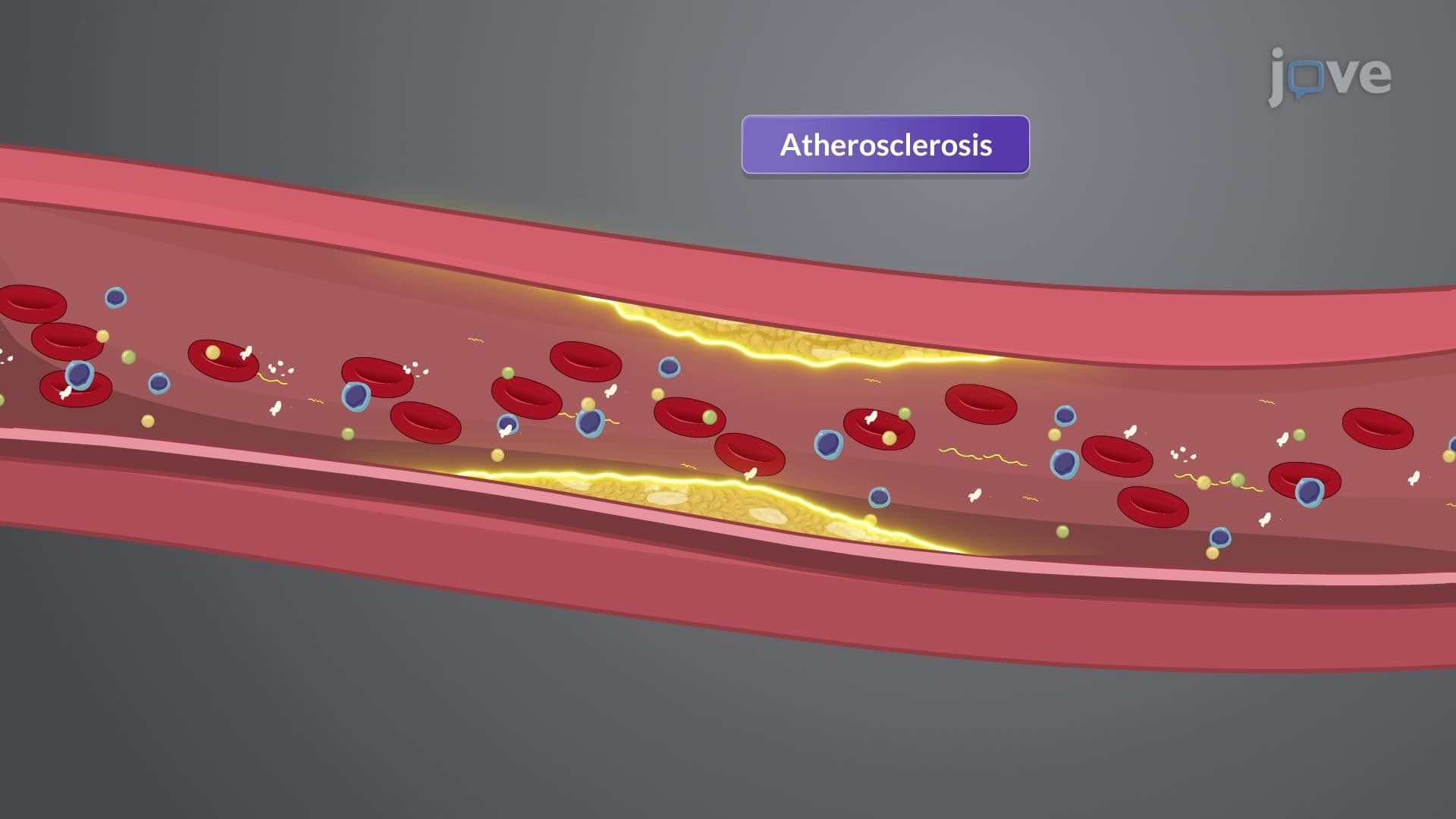
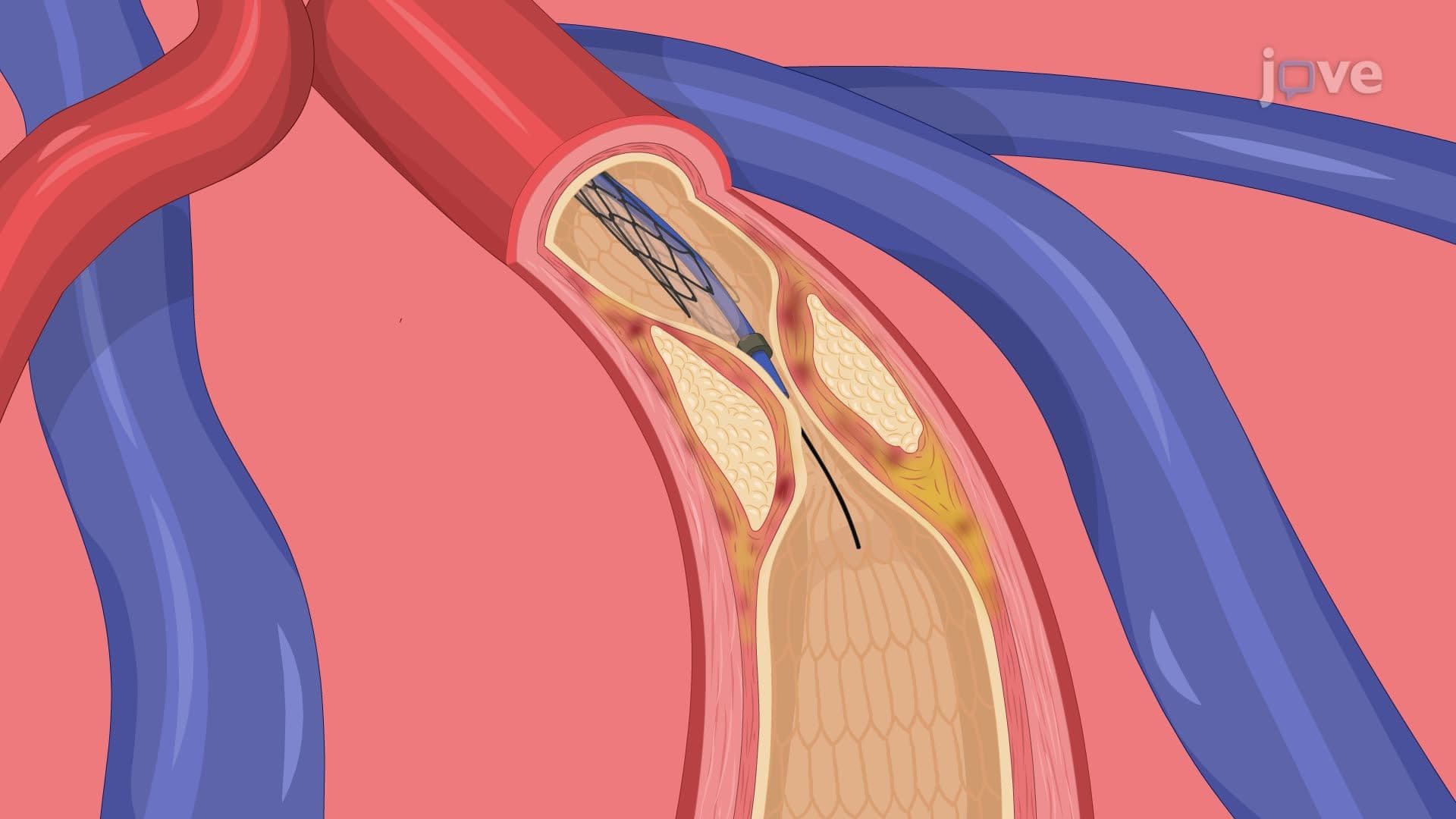
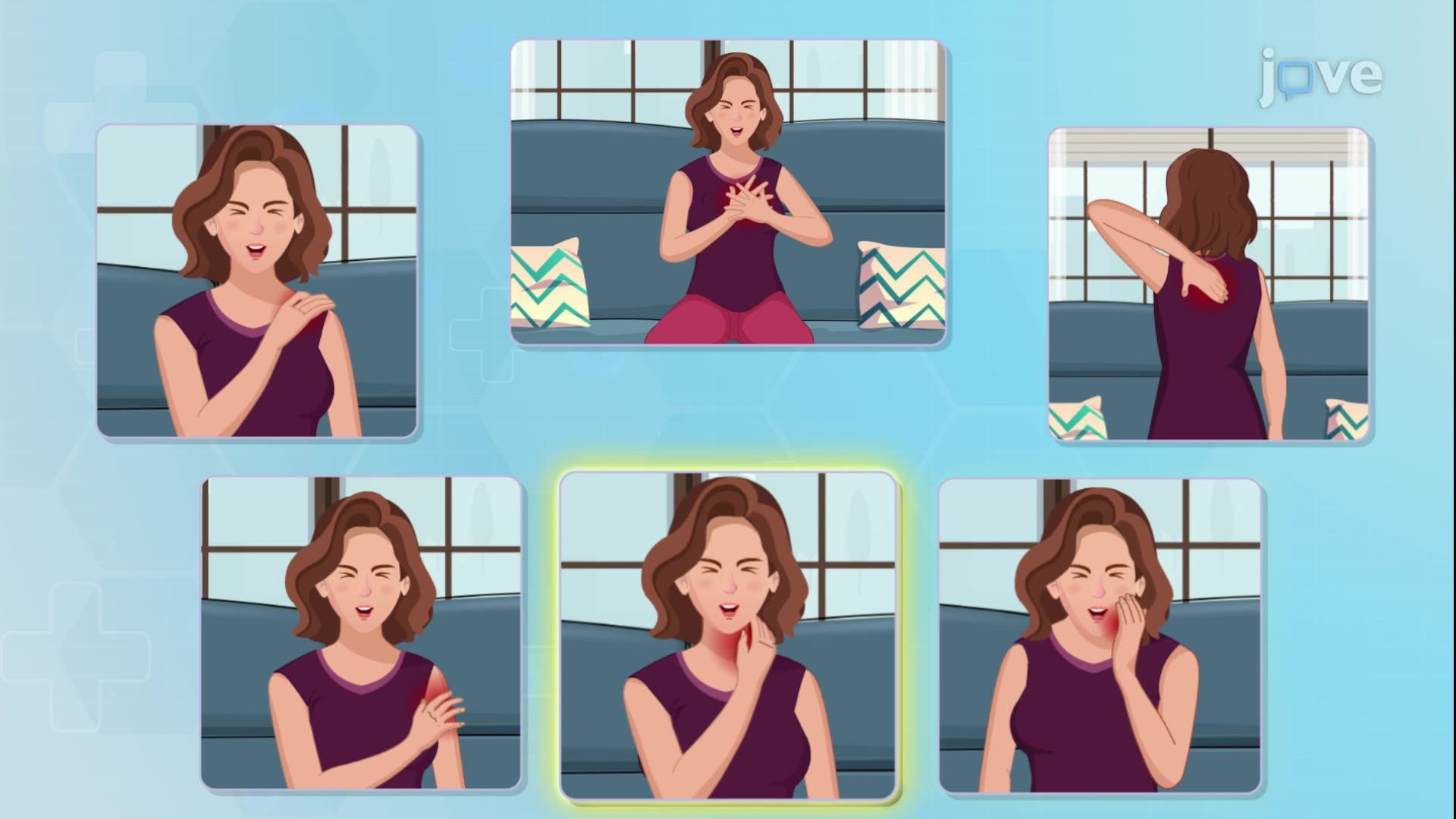
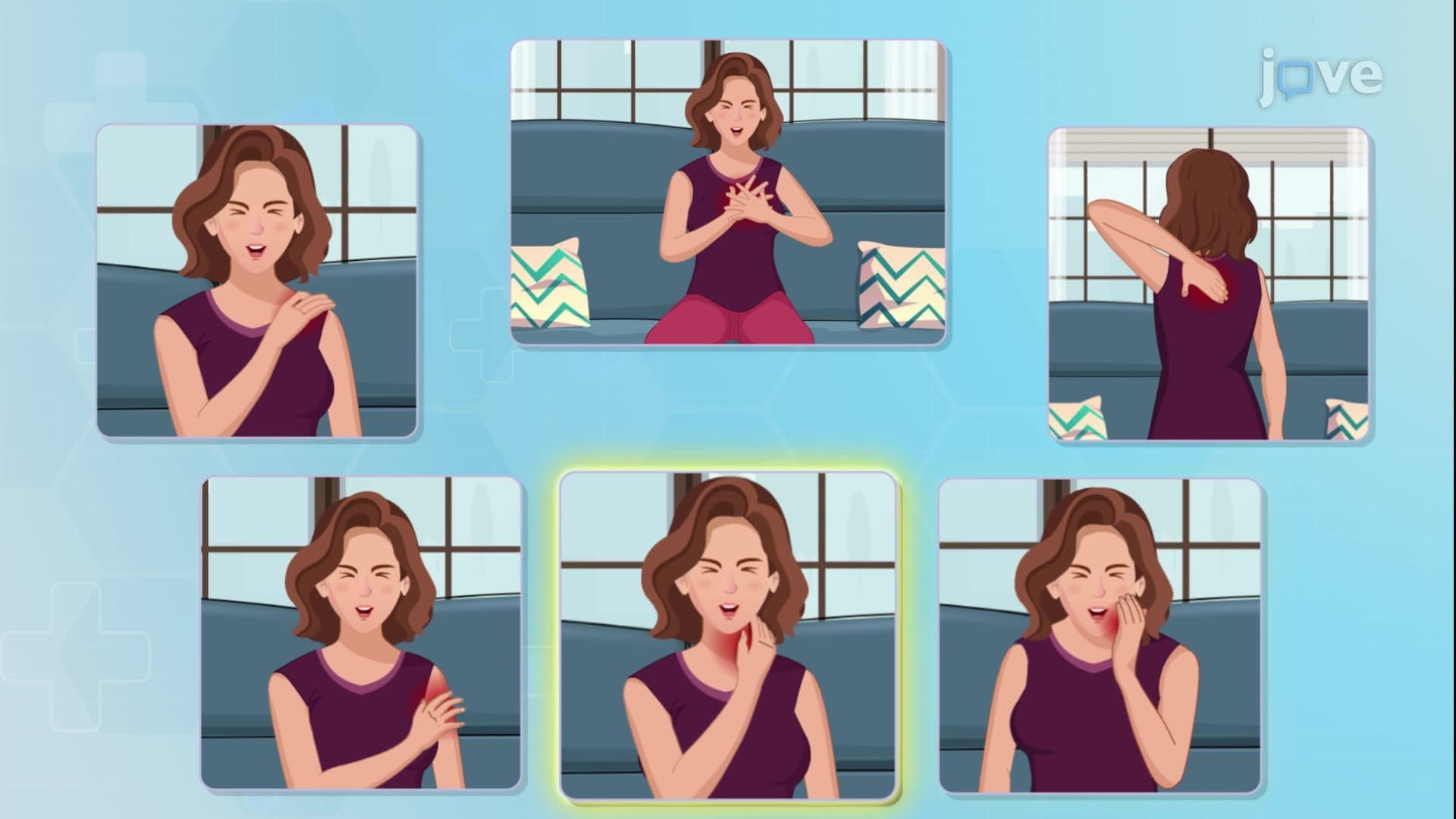
Stable angina, the most common form affecting approximately 4 million Americans, occurs when atherosclerotic plaques gradually narrow coronary arteries by 70% or more. Patients typically describe a predictable pattern-chest discomfort during physical exertion that resolves within 5-15 minutes of rest. The pain often radiates following classic dermatome patterns to the left arm, jaw, or back.
This type responds reliably to nitroglycerin, which dilates coronary arteries and reduces cardiac preload. Medical students studying for AP Biology or college physiology courses should understand that stable angina represents a supply-demand mismatch: cardiac oxygen demand exceeds supply during stress, but baseline flow remains adequate at rest.
Microvascular angina affects the coronary microvasculature-vessels too small to visualize on traditional angiography. This condition predominantly affects women and proves challenging to diagnose because standard cardiac catheterization appears normal. The chest pain often lasts longer and doesn't respond to conventional treatments, reflecting dysfunction in vessels measuring less than 400 micrometers.
Prinzmetal angina, also called vasospastic angina, results from coronary artery spasms that completely occlude blood flow temporarily. Unlike stable angina, it typically occurs at rest, often awakening patients between 2-6 AM. This circadian pattern reflects natural variations in autonomic tone and cortisol levels that predispose to vasospasm.
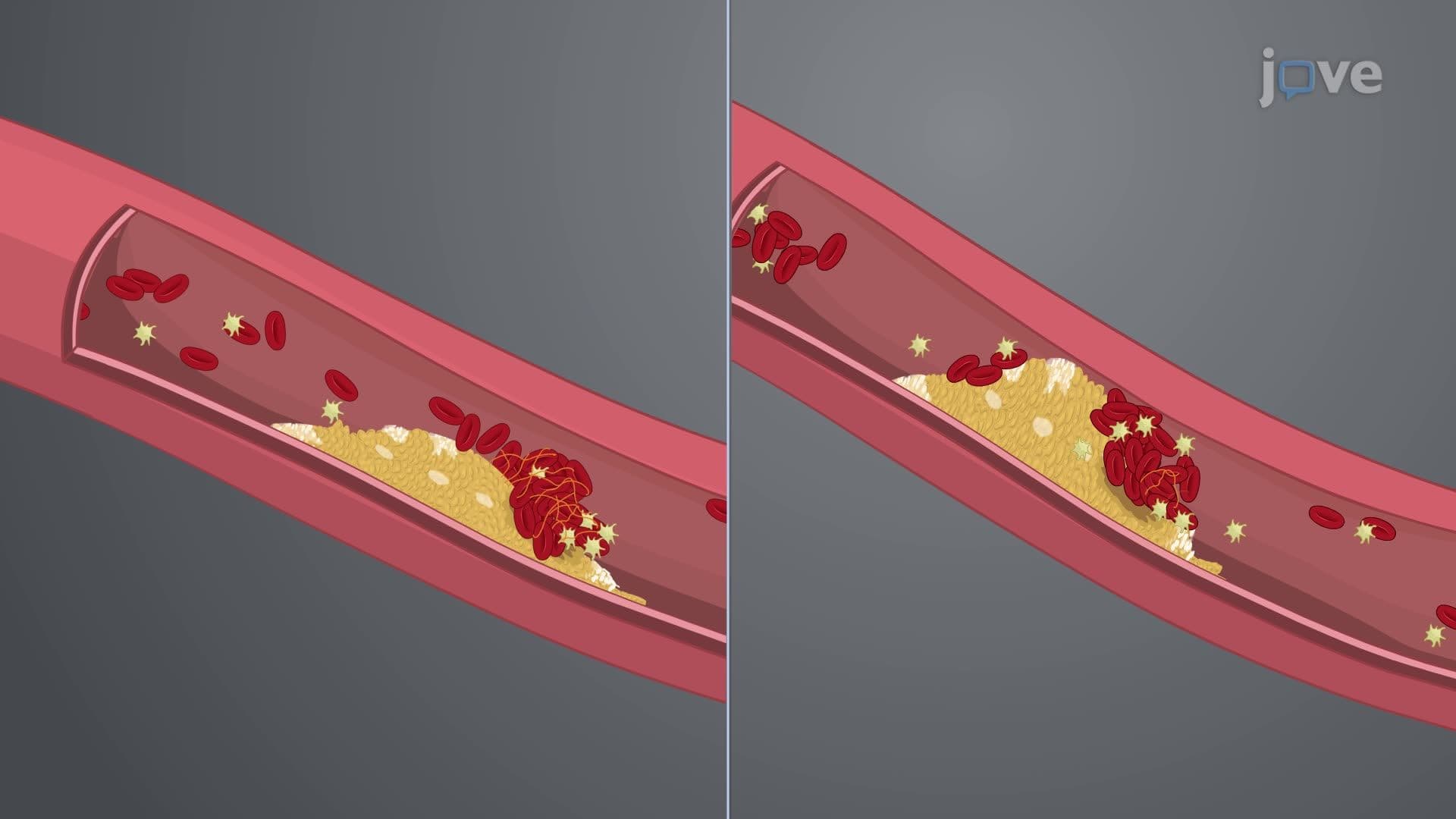
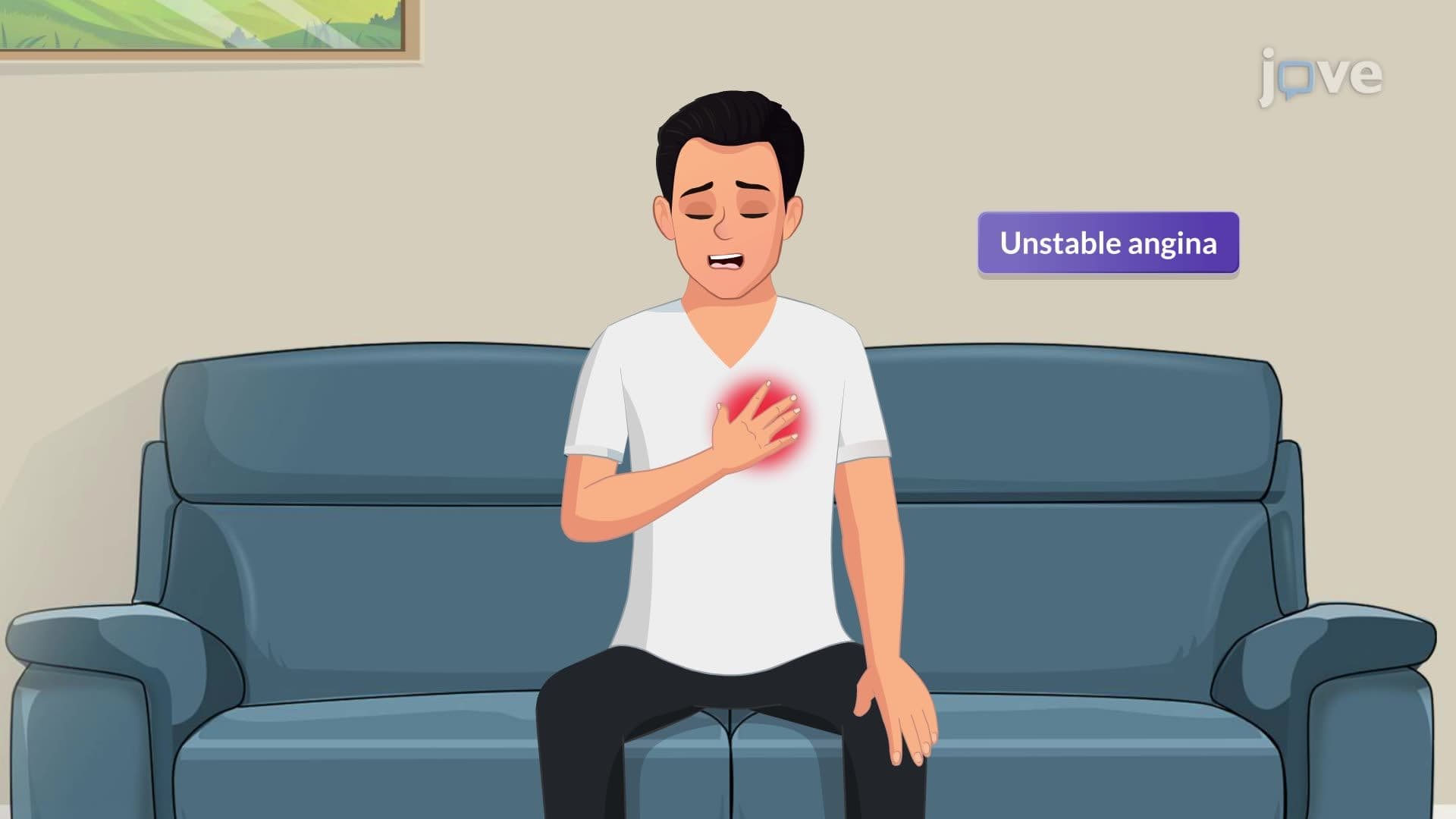
Unstable angina represents acute coronary syndrome, where atherosclerotic plaques rupture and trigger thrombosis. This medical emergency affects over 750,000 Americans annually and requires immediate intervention. Unlike stable angina, the pain occurs unpredictably, lasts longer than 20 minutes, and doesn't respond to rest or nitroglycerin.
Students preparing for the USMLE should recognize unstable angina as part of the acute coronary syndrome spectrum, alongside ST-elevation and non-ST-elevation myocardial infarction. Early recognition and treatment with antiplatelet therapy, anticoagulation, and urgent cardiac catheterization can prevent progression to full myocardial infarction.
Related Micro-courses