Loading video…

 15 Concepts
 2.5K views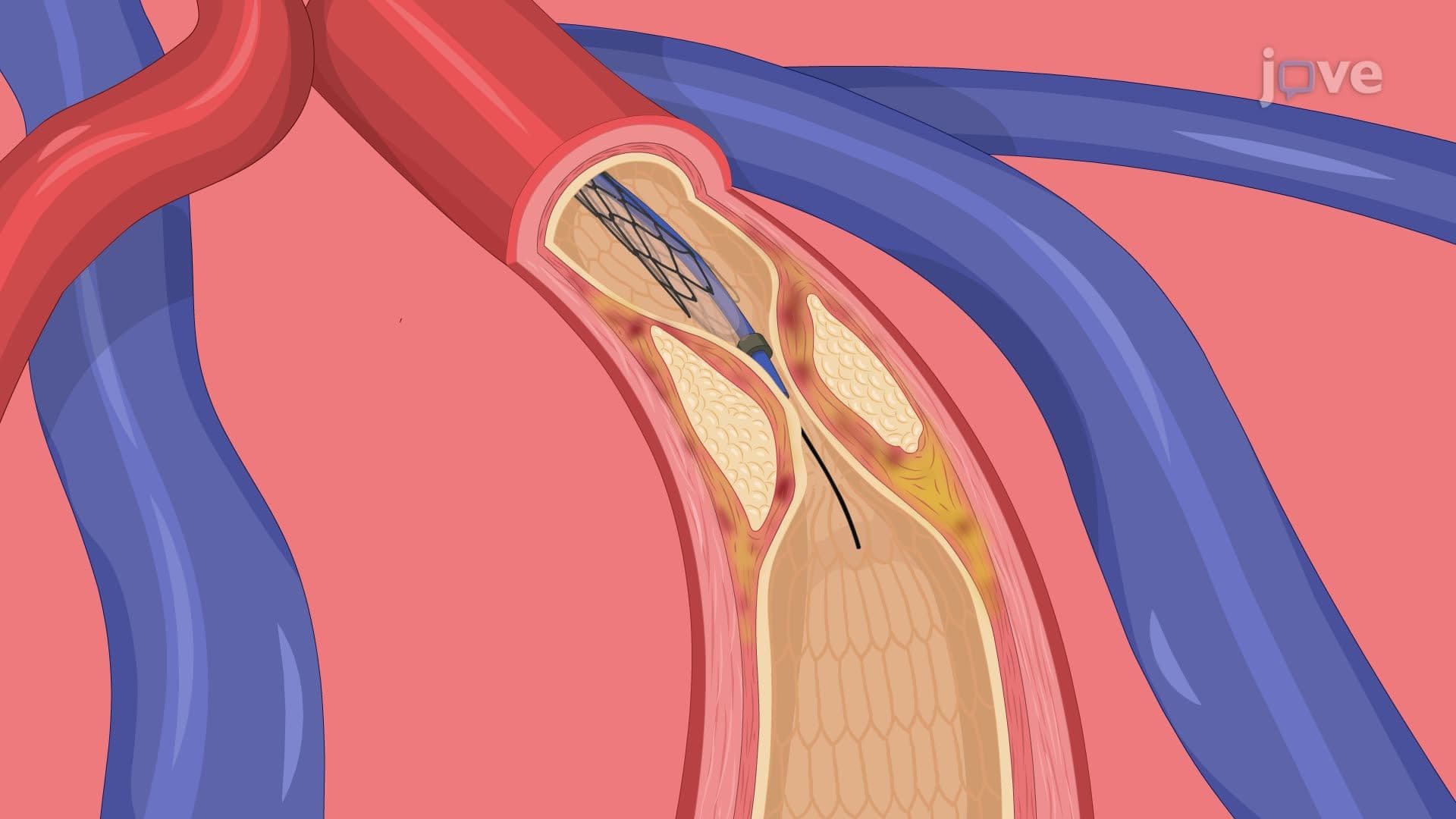

Video Summary: What Is Angina Iv Management
Did you know that over 9 million Americans experience angina, yet many don't understand the critical intravenous treatments that can save lives during acute episodes? Angina IV management involves the systematic administration of intravenous medications and interventions to rapidly address chest pain caused by reduced blood flow to the heart muscle. At Massachusetts General Hospital, emergency departments rely on precise IV protocols including nitroglycerin, heparin, and morphine to stabilize patients experiencing unstable angina. Understanding what is angina IV management is essential for anyone pursuing healthcare careers or studying cardiovascular physiology. Watch the full video on JoVE Coach to master this concept with expert-led visuals and step-by-step explanations.
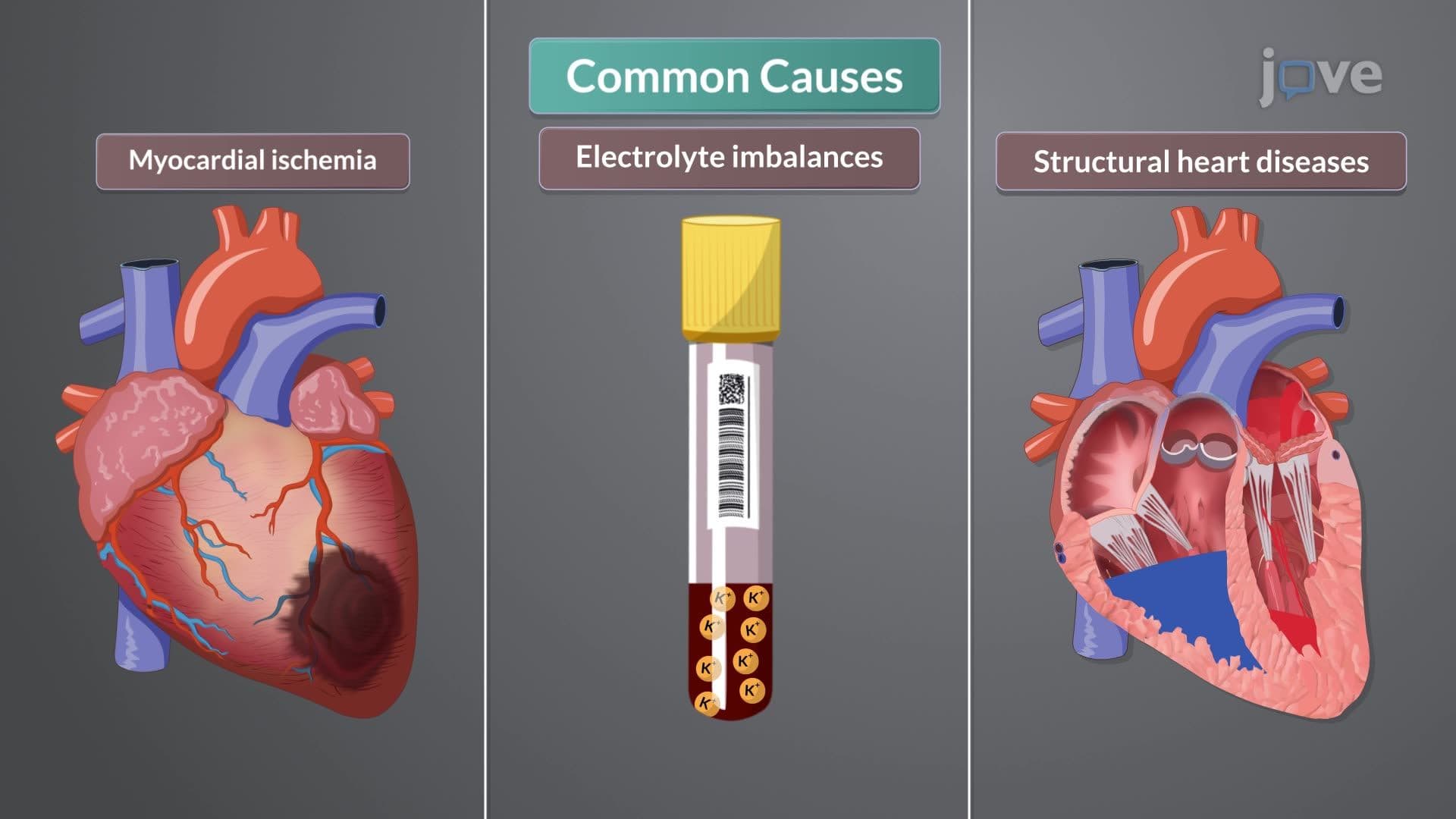
Angina IV management represents a critical component of acute cardiovascular care, focusing on the immediate stabilization of patients experiencing chest pain due to myocardial ischemia. Unlike oral medications that may take 30-60 minutes to achieve therapeutic levels, intravenous administration provides rapid onset of action, typically within 1-5 minutes. This speed is crucial when dealing with unstable angina or acute coronary syndromes where every minute of delayed treatment increases myocardial damage.
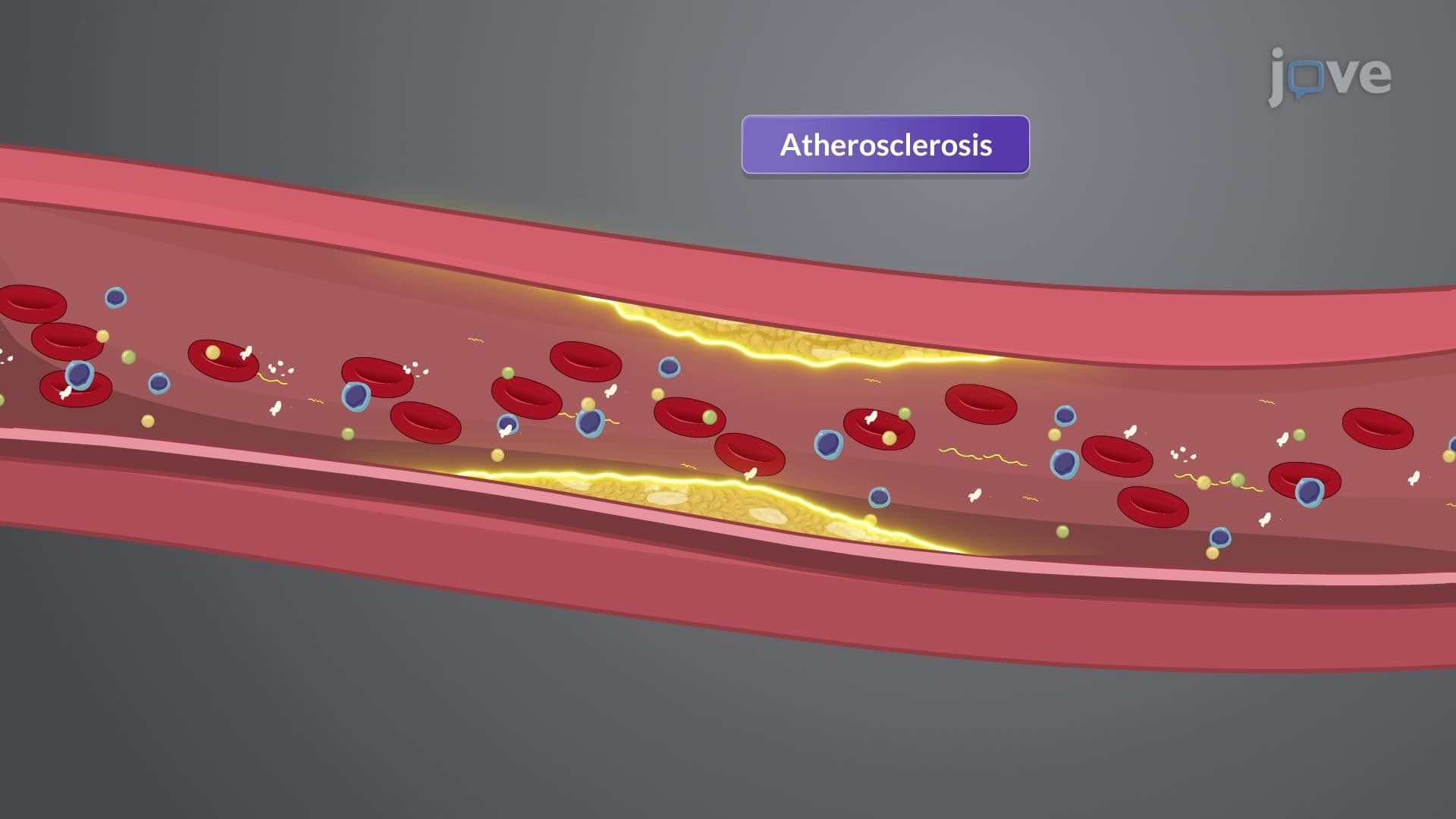
The pathophysiology underlying angina IV management involves addressing the fundamental mismatch between myocardial oxygen supply and demand. IV medications work through multiple mechanisms: vasodilation to improve coronary blood flow, reduction of cardiac workload, and prevention of thrombotic complications. Emergency departments across major US medical centers, including Cleveland Clinic and Johns Hopkins, have standardized protocols that prioritize IV access and immediate medication administration for suspected angina patients.
The foundation of angina IV management rests on several key medication classes, each targeting specific aspects of the ischemic process. Intravenous nitroglycerin serves as the primary vasodilator, administered at initial doses of 5-10 mcg/min with titration based on blood pressure response. This medication works by releasing nitric oxide, which activates guanylyl cyclase and ultimately causes smooth muscle relaxation in both coronary and peripheral vessels.
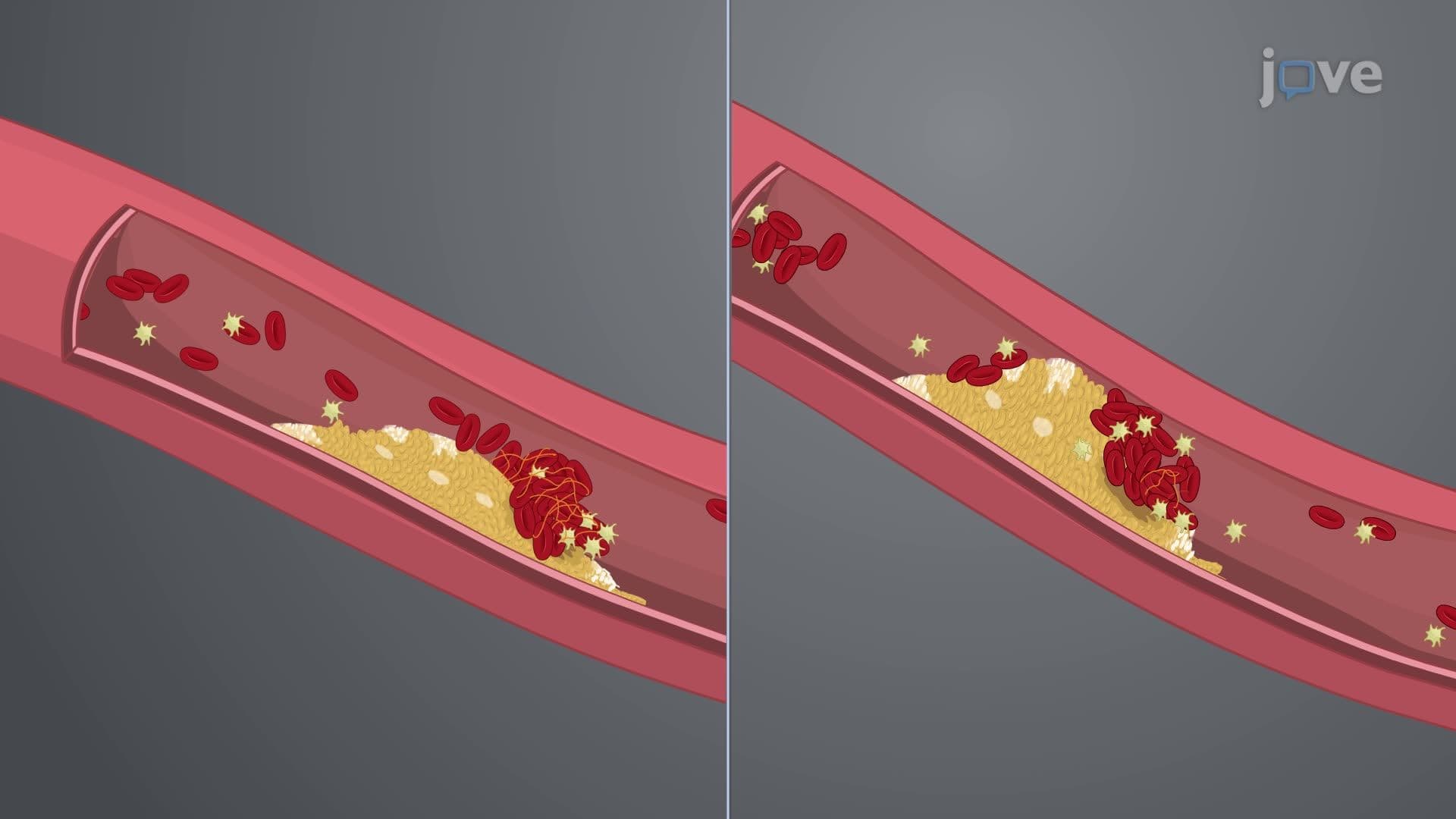
Anticoagulation through IV heparin prevents clot propagation and reduces the risk of complete coronary occlusion. The typical protocol involves a weight-based bolus of 60-70 units/kg followed by continuous infusion of 12-15 units/kg/hour, with activated partial thromboplastin time (aPTT) monitoring every 6 hours. Understanding these dosing parameters is essential for MCAT preparation, particularly in integrated cardiovascular-pharmacology questions.
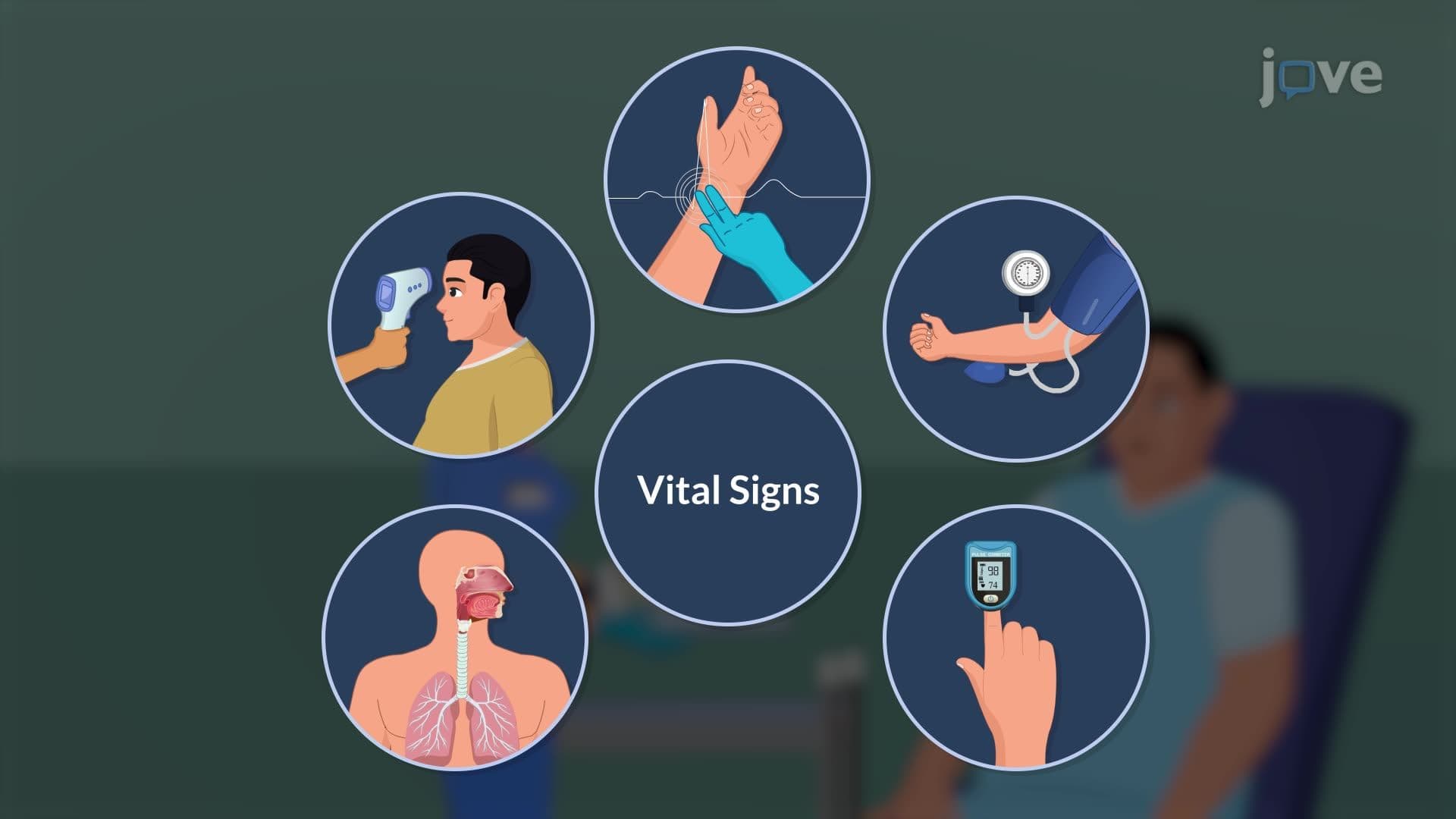
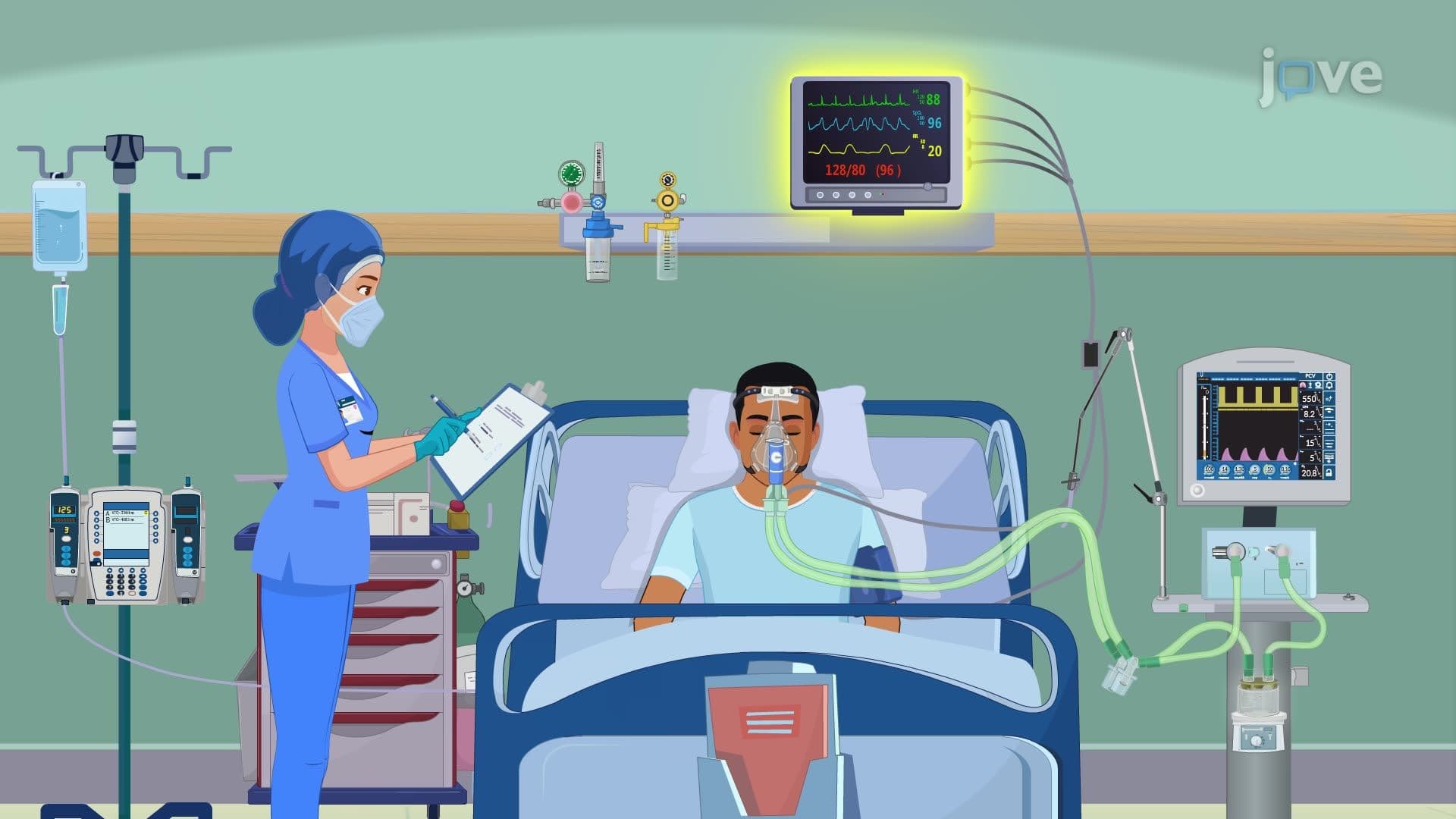
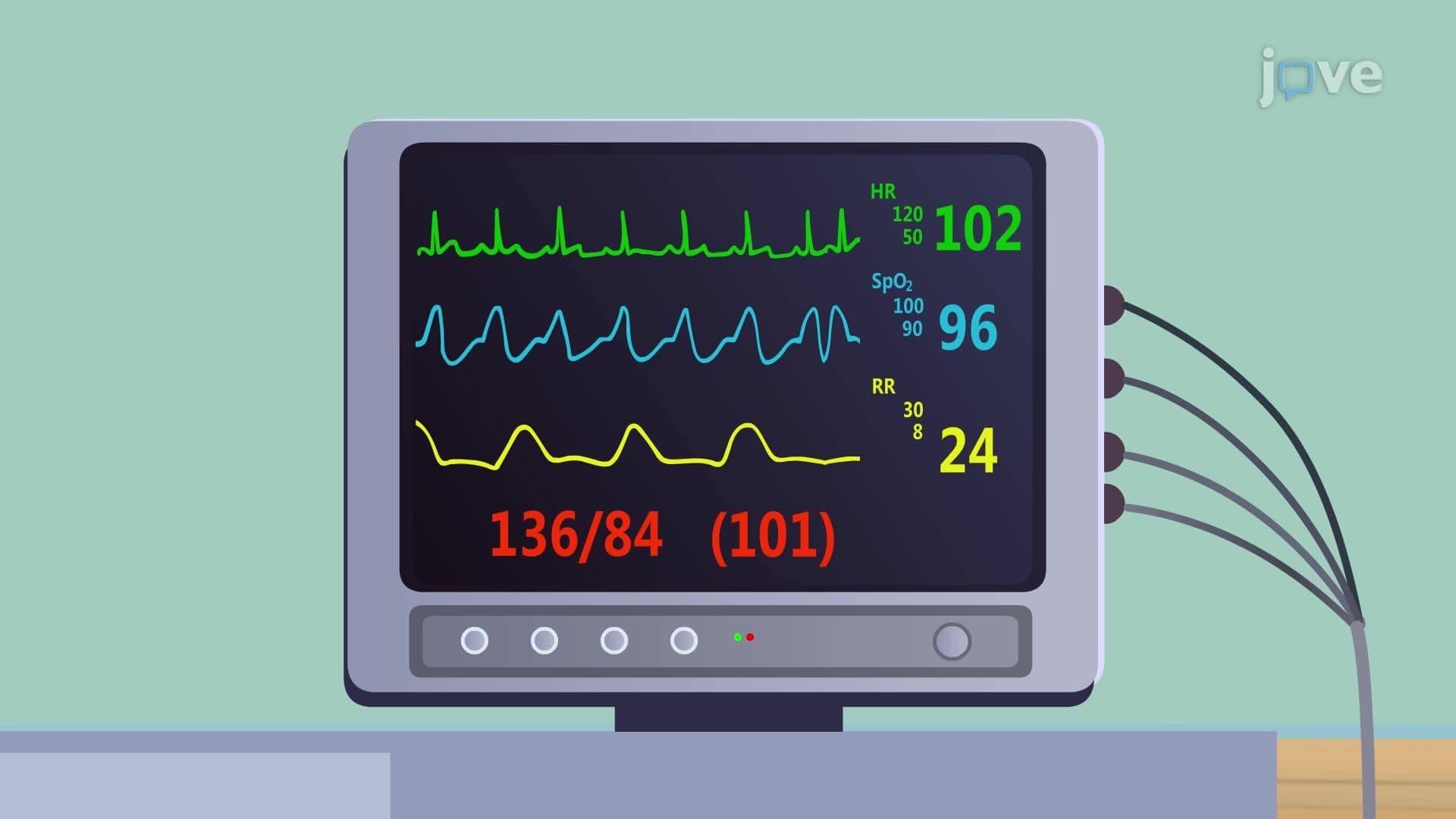
Successful angina IV management requires continuous hemodynamic monitoring and systematic assessment protocols. Blood pressure monitoring becomes critical with IV nitroglycerin, as excessive vasodilation can lead to hypotension and paradoxically worsen myocardial ischemia. The target systolic blood pressure typically remains above 90 mmHg, with dose adjustments made in 5-10 mcg/min increments every 3-5 minutes.
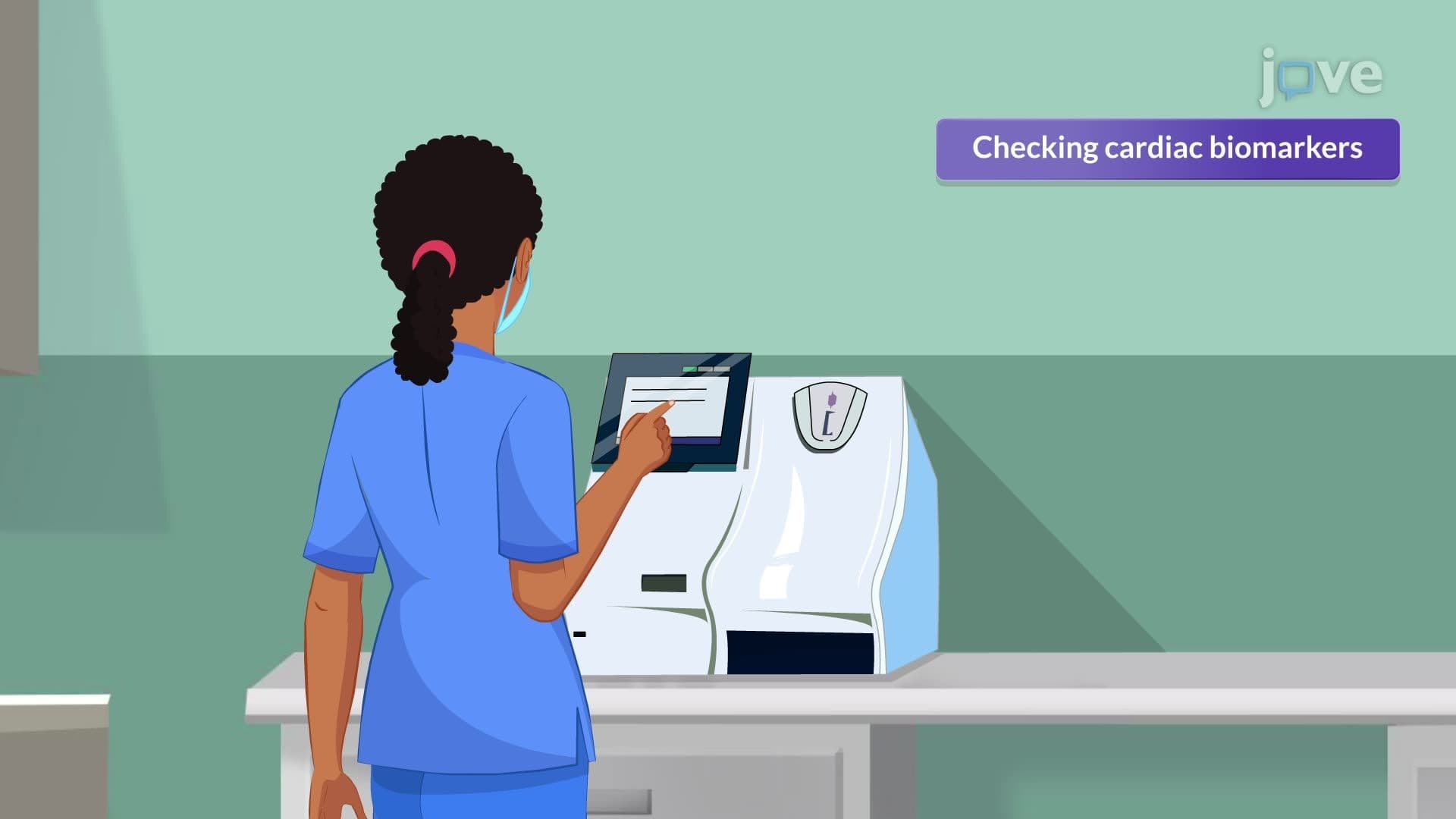
Electrocardiographic monitoring provides real-time feedback on treatment effectiveness, with resolution of ST-segment changes indicating improved coronary perfusion. Pain assessment using standardized scales helps guide medication titration, while serial troponin measurements determine whether the patient is experiencing a myocardial infarction requiring more aggressive intervention. These monitoring principles frequently appear in NCLEX-RN examinations and college-level pathophysiology courses.
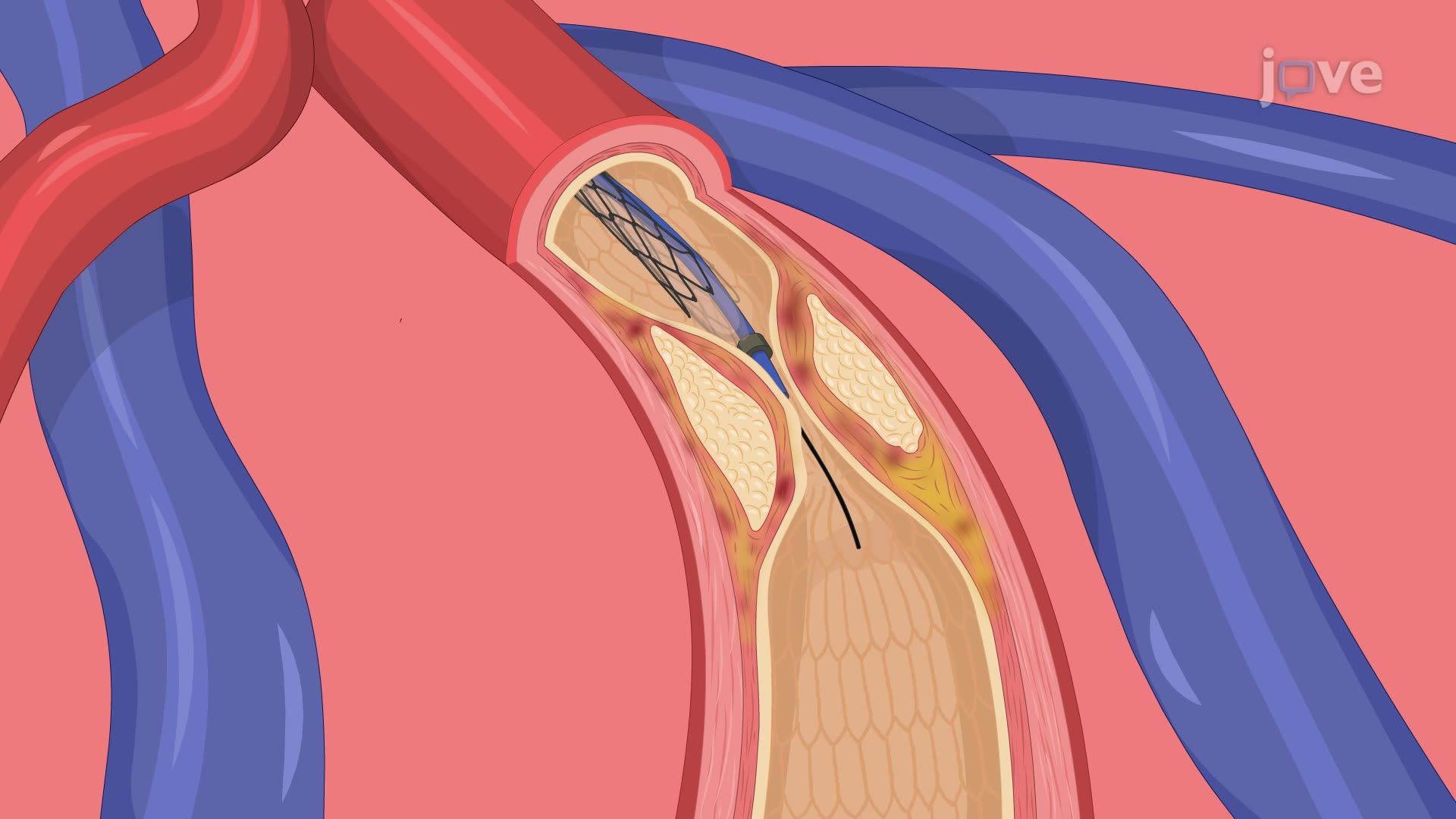
Modern angina IV management serves as a bridge to definitive treatment rather than an isolated intervention. When IV medications fail to provide adequate symptom relief or if biomarkers indicate ongoing myocardial damage, mechanical interventions become necessary. Percutaneous coronary intervention (PCI) often proceeds simultaneously with IV management, requiring careful coordination of anticoagulation and antiplatelet therapies to prevent bleeding complications during catheterization procedures.
Related Micro-courses