Loading video…

 15 Concepts
 2.5K views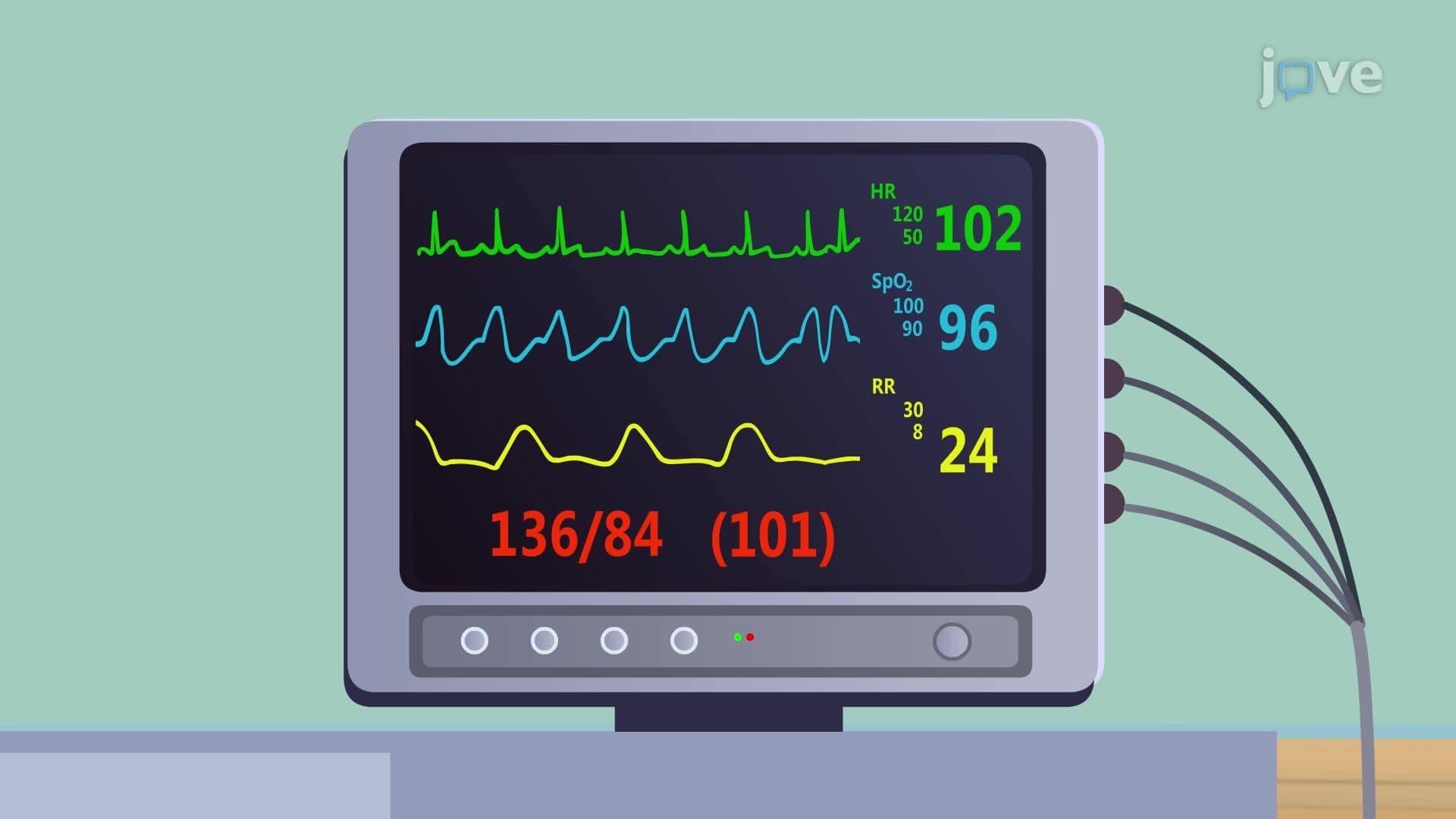

Video Summary: What Is Angina V Nursing Management
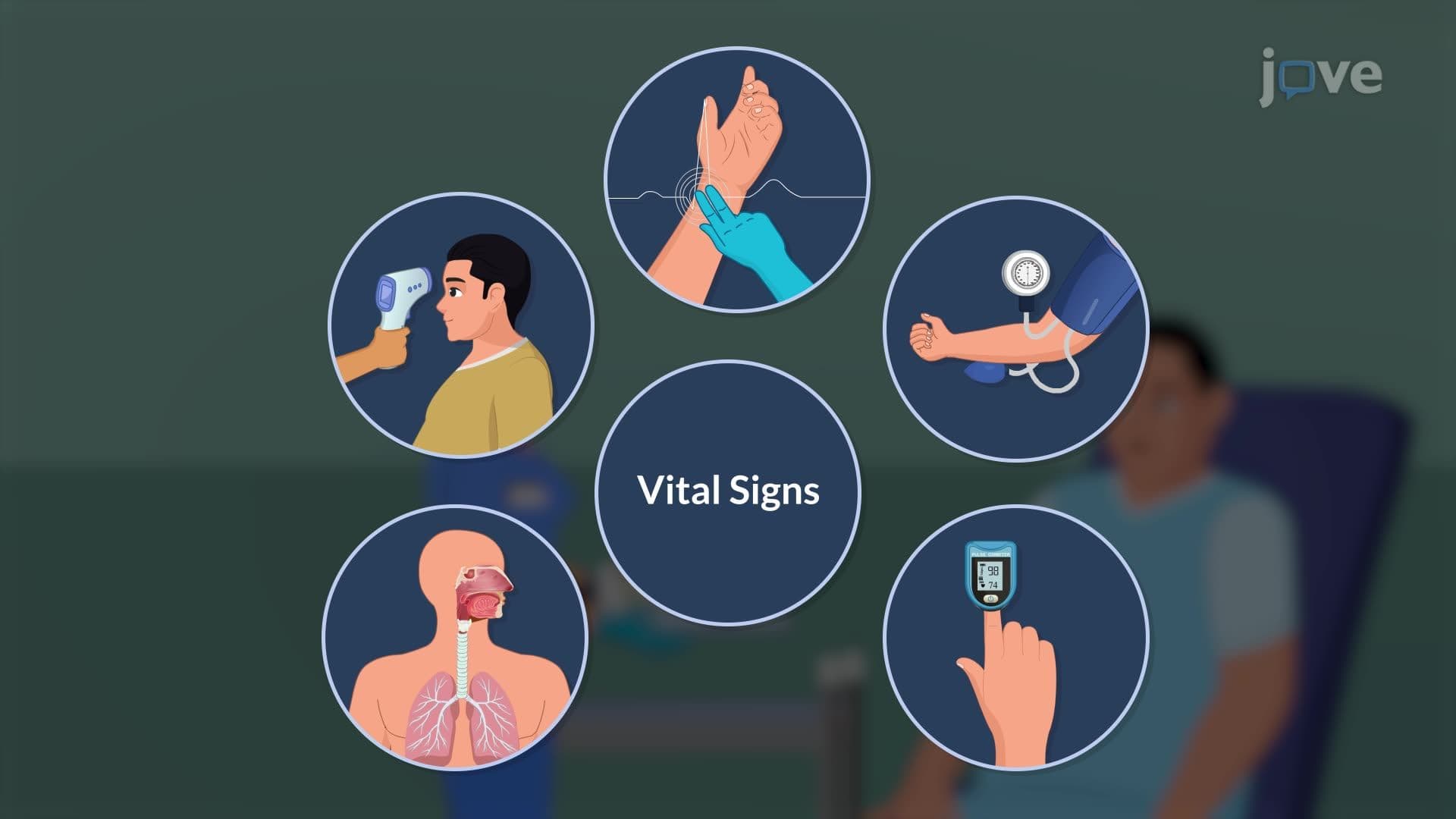
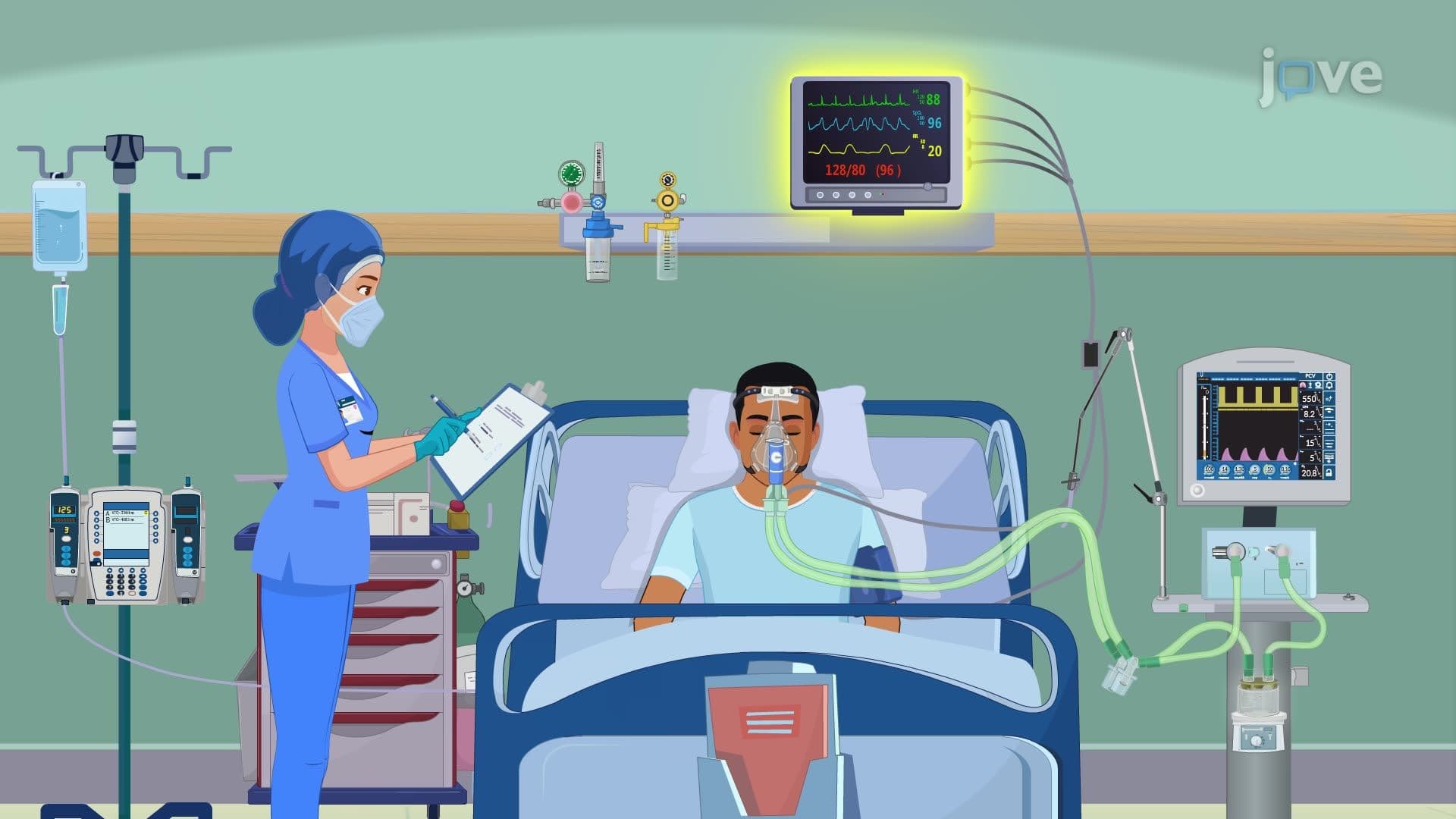
Did you know that nurses in cardiac units at hospitals like Johns Hopkins must recognize angina symptoms within minutes to prevent heart attacks? Angina V nursing management involves systematic assessment and intervention strategies that nurses use to care for patients experiencing chest pain due to reduced blood flow to the heart muscle. This comprehensive approach includes monitoring vital signs, administering medications, and positioning patients to optimize cardiac function. Watch the full video on JoVE Coach to master this concept with expert-led visuals and step-by-step explanations.
What is Angina V Nursing Management represents a systematic approach that registered nurses use to provide comprehensive care for patients experiencing angina pectoris. This evidence-based framework guides nurses through assessment, diagnosis, planning, implementation, and evaluation phases specific to cardiac care. In major medical centers across the United States, from Cleveland Clinic to Mayo Clinic, nurses rely on these standardized protocols to ensure consistent, high-quality patient outcomes.
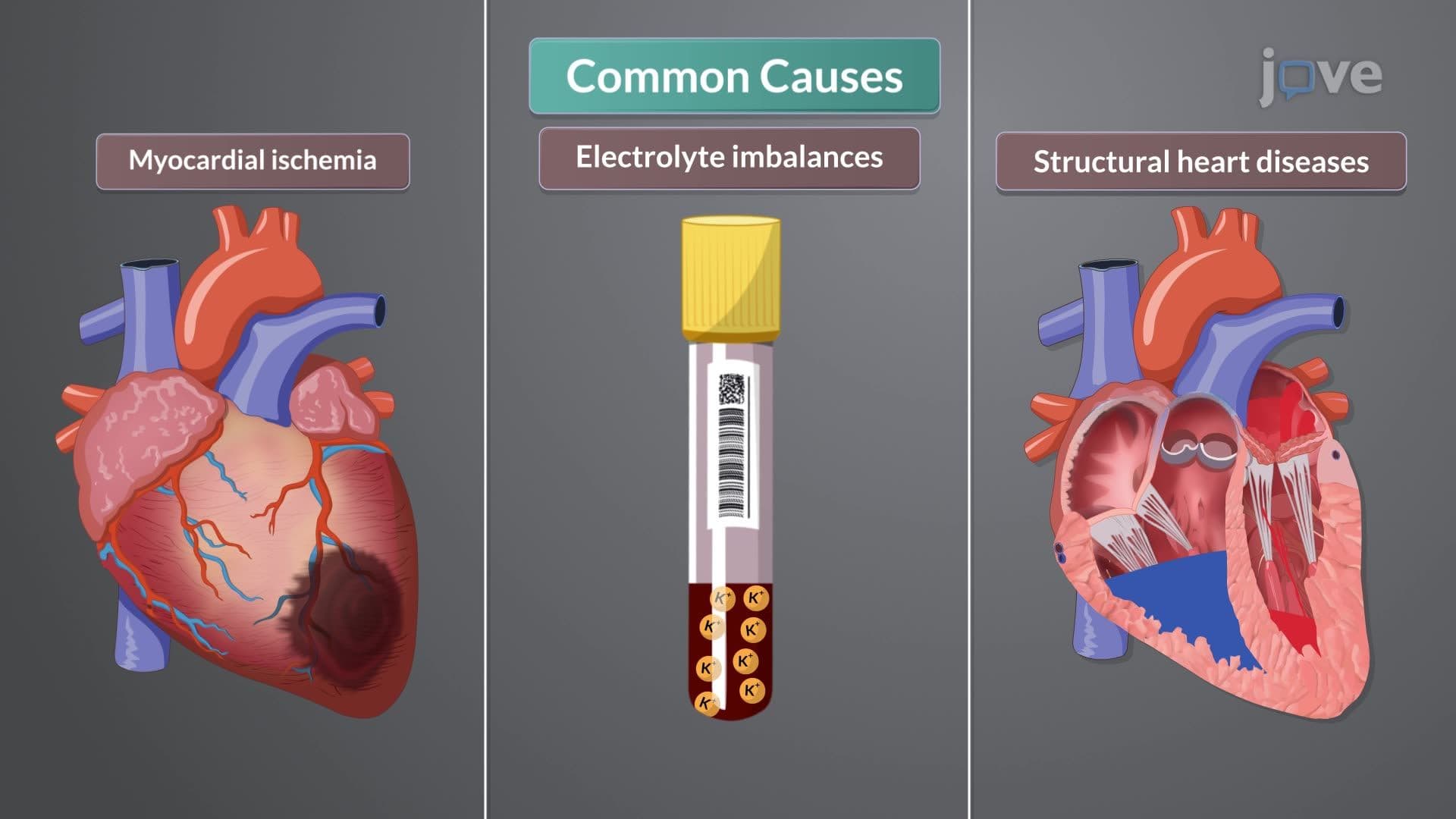
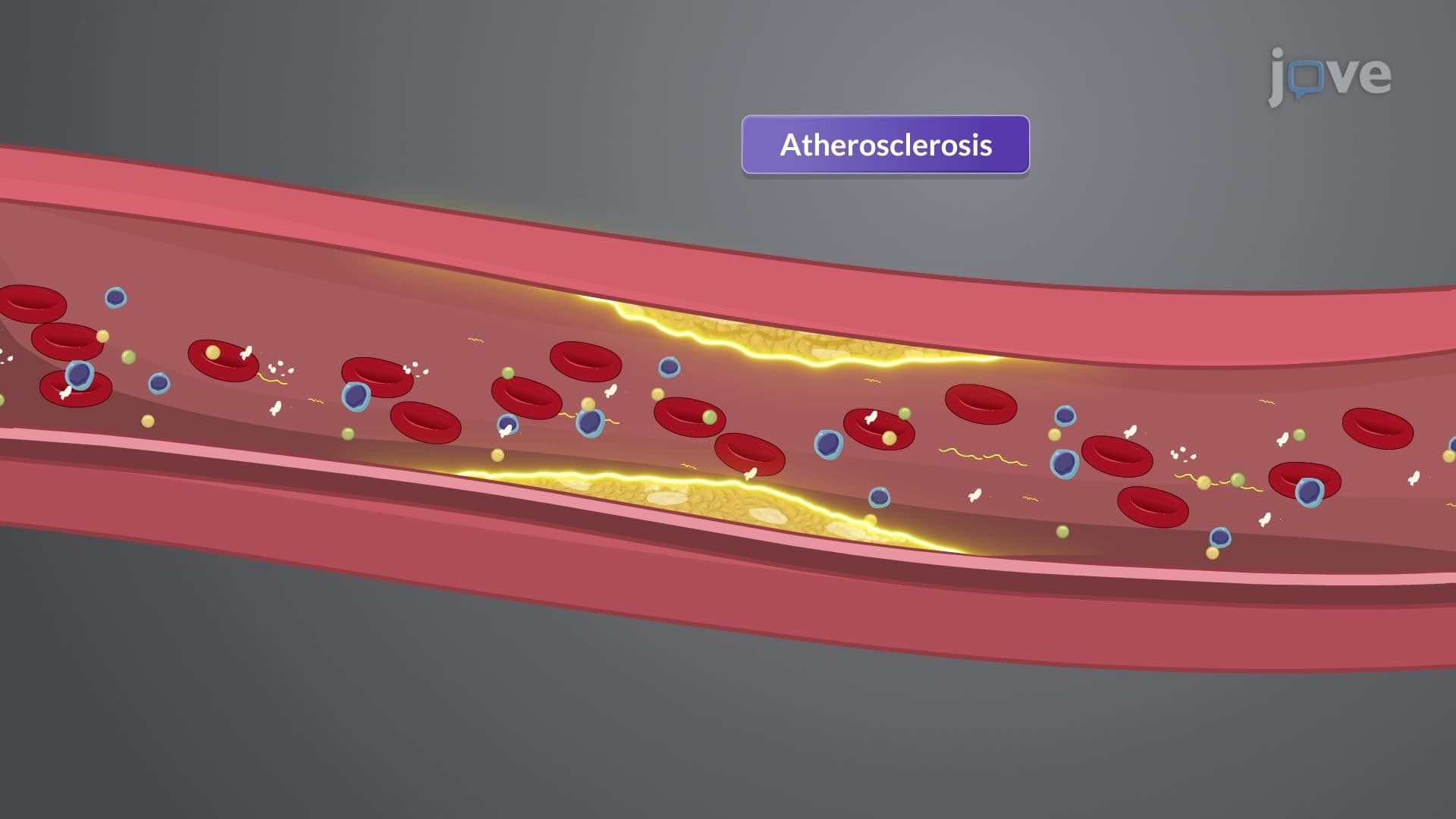
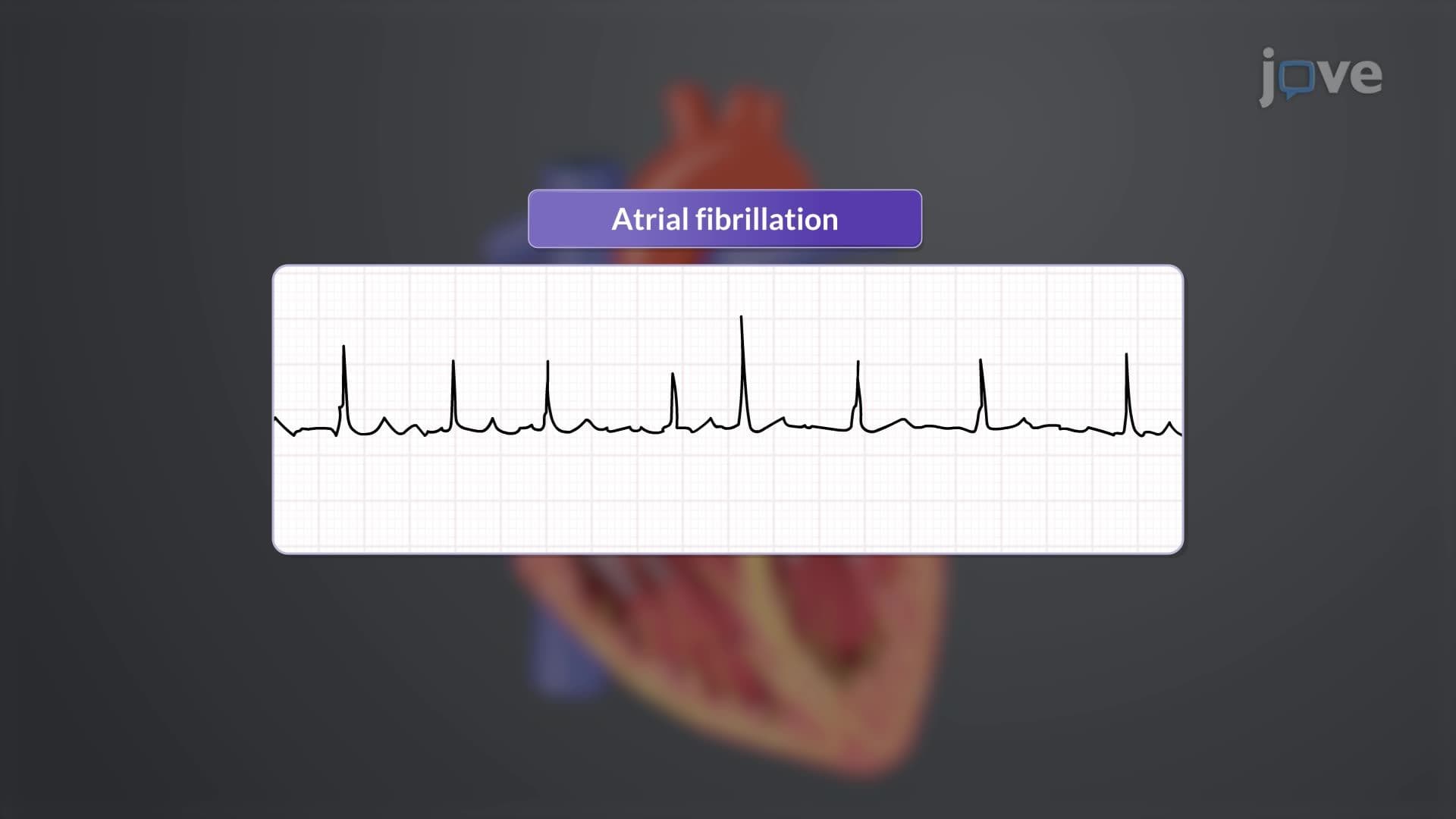
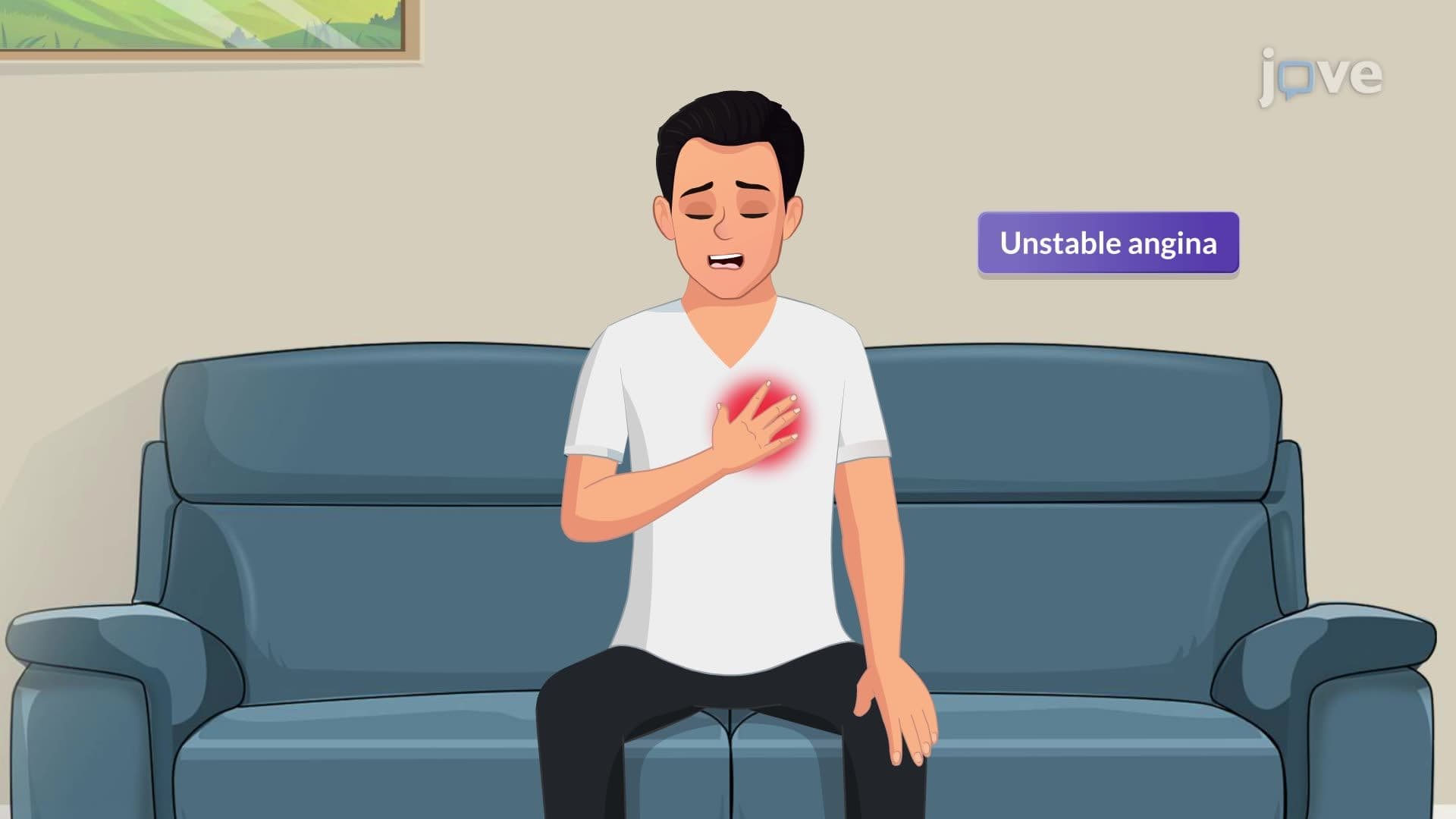
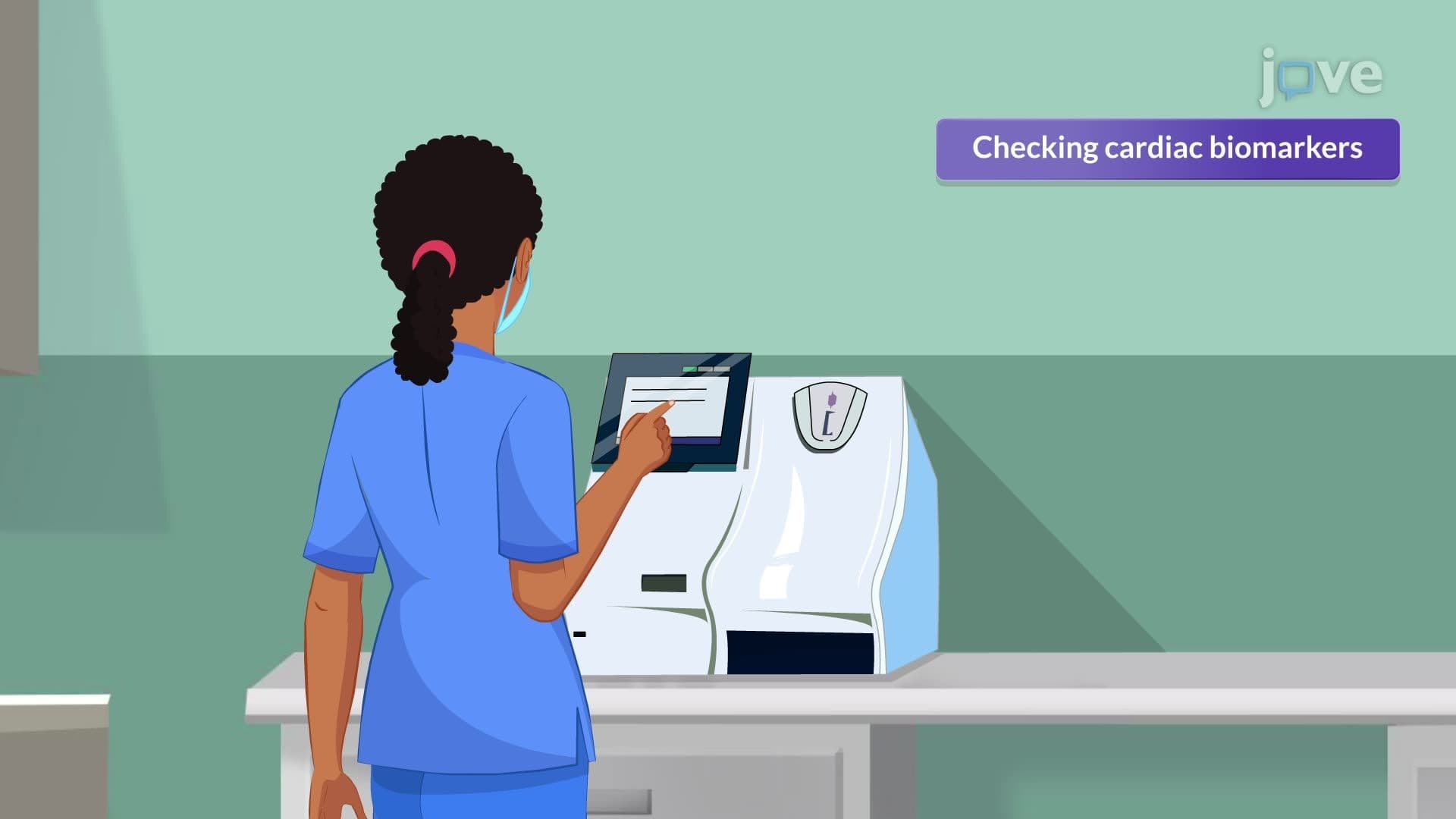
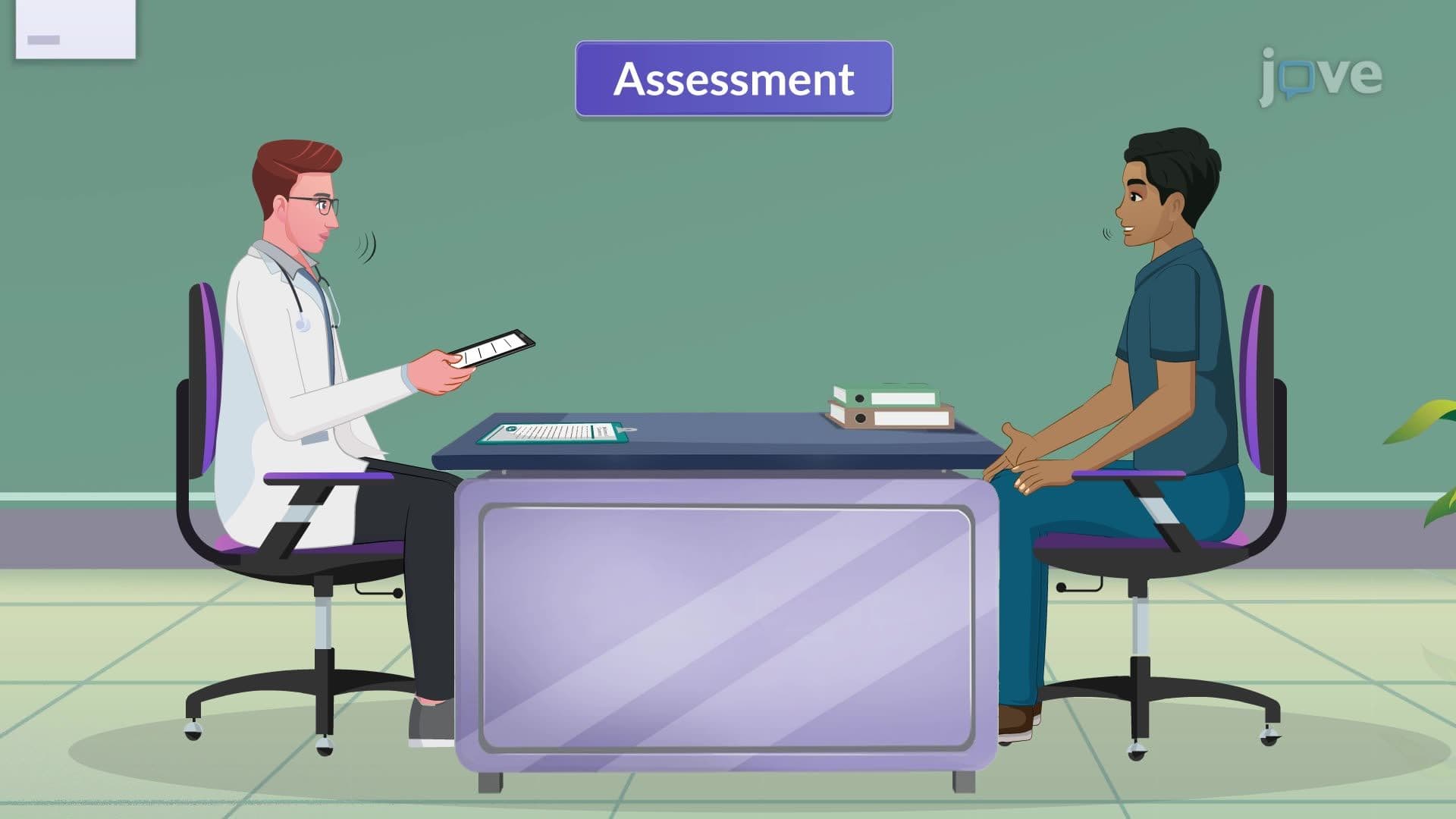
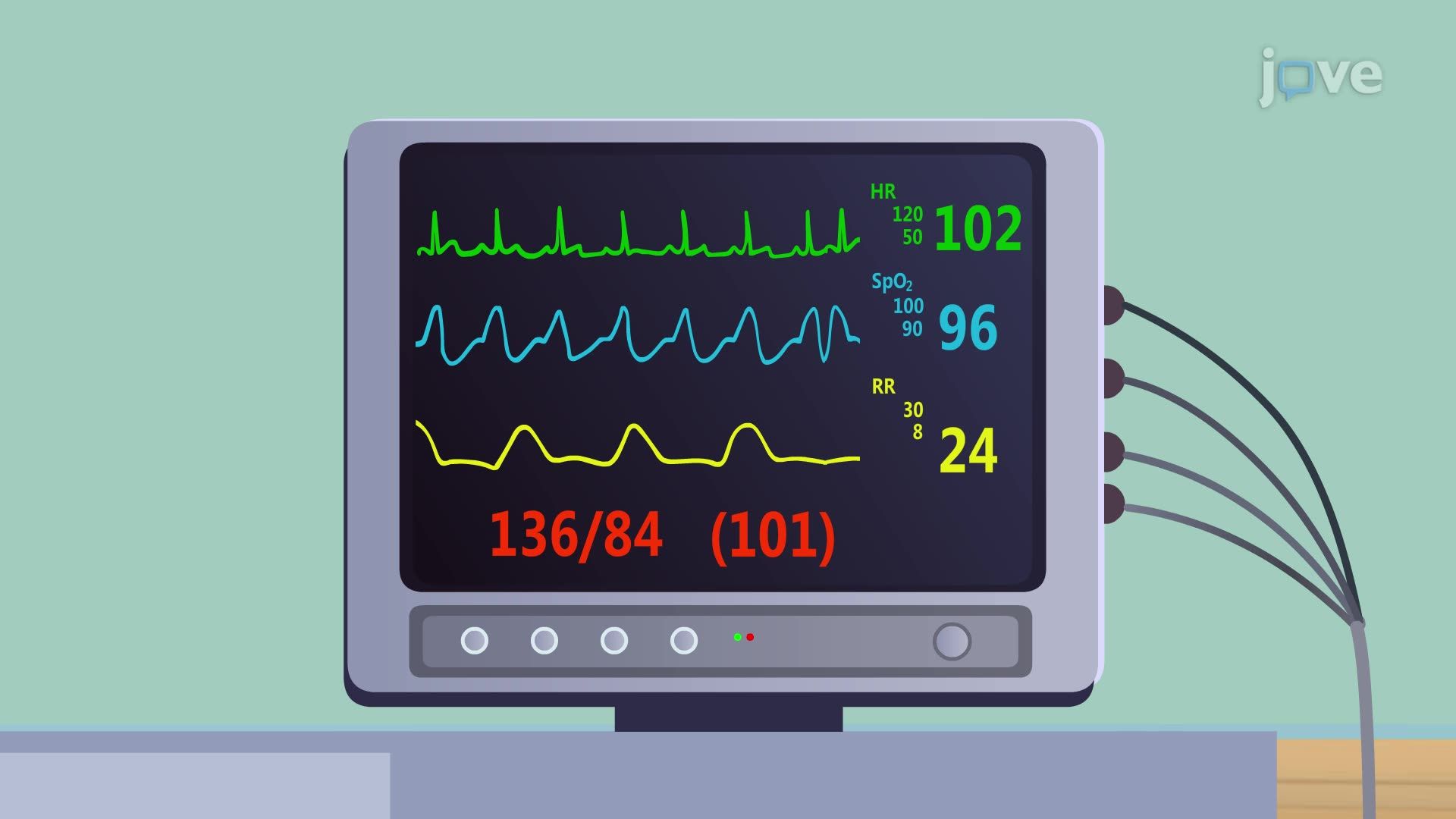
The foundation of effective angina nursing management begins with thorough subjective and objective assessments. Nurses collect detailed information about chest pain characteristics, including location, intensity, duration, and radiation patterns. Patients typically report crushing or squeezing sensations that may extend to the left arm, jaw, or back. Objective findings often include tachycardia, elevated blood pressure, diaphoresis, and potential ECG changes indicating myocardial ischemia. This assessment data directly influences nursing diagnosis formulation and subsequent intervention planning.
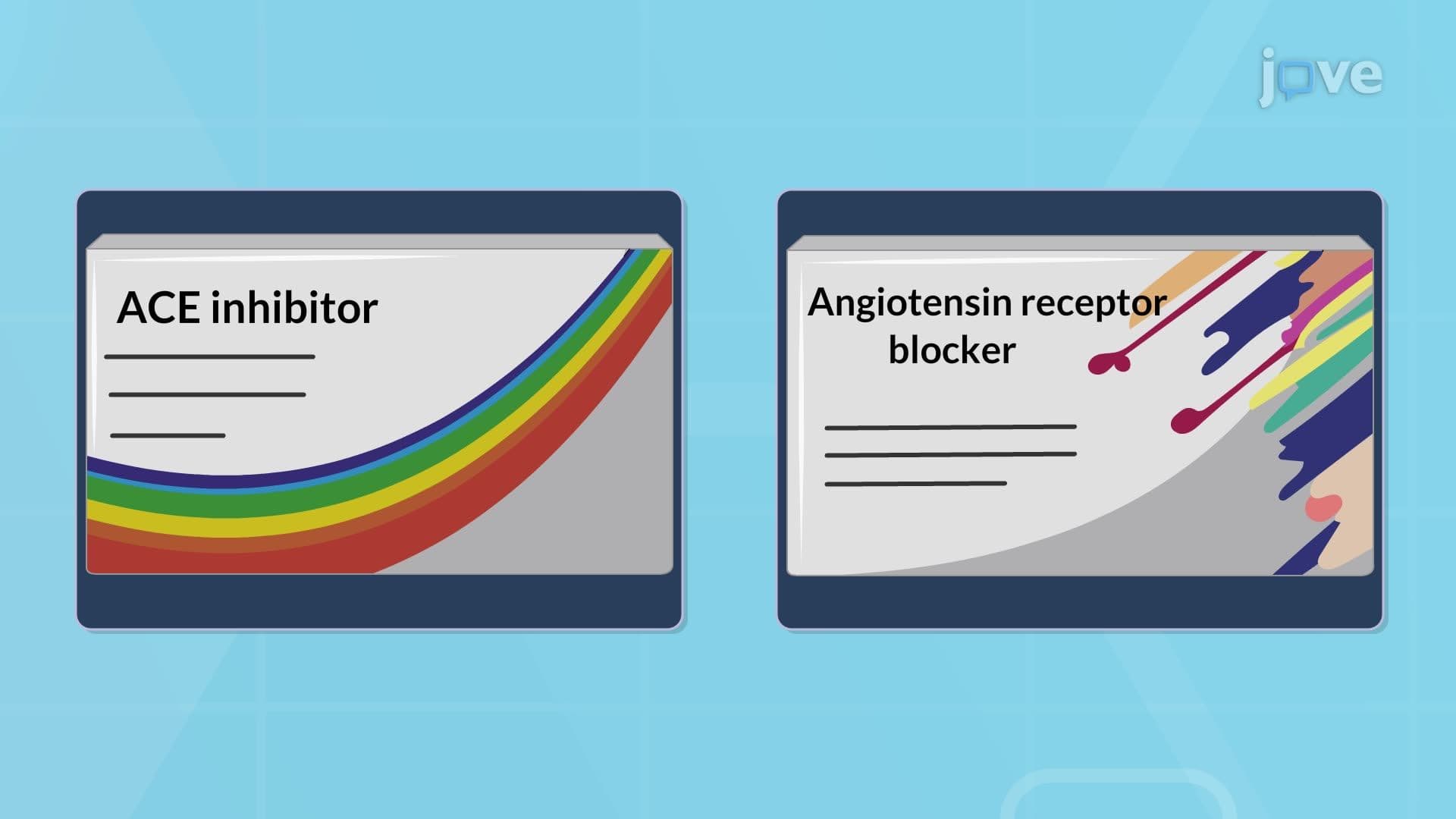
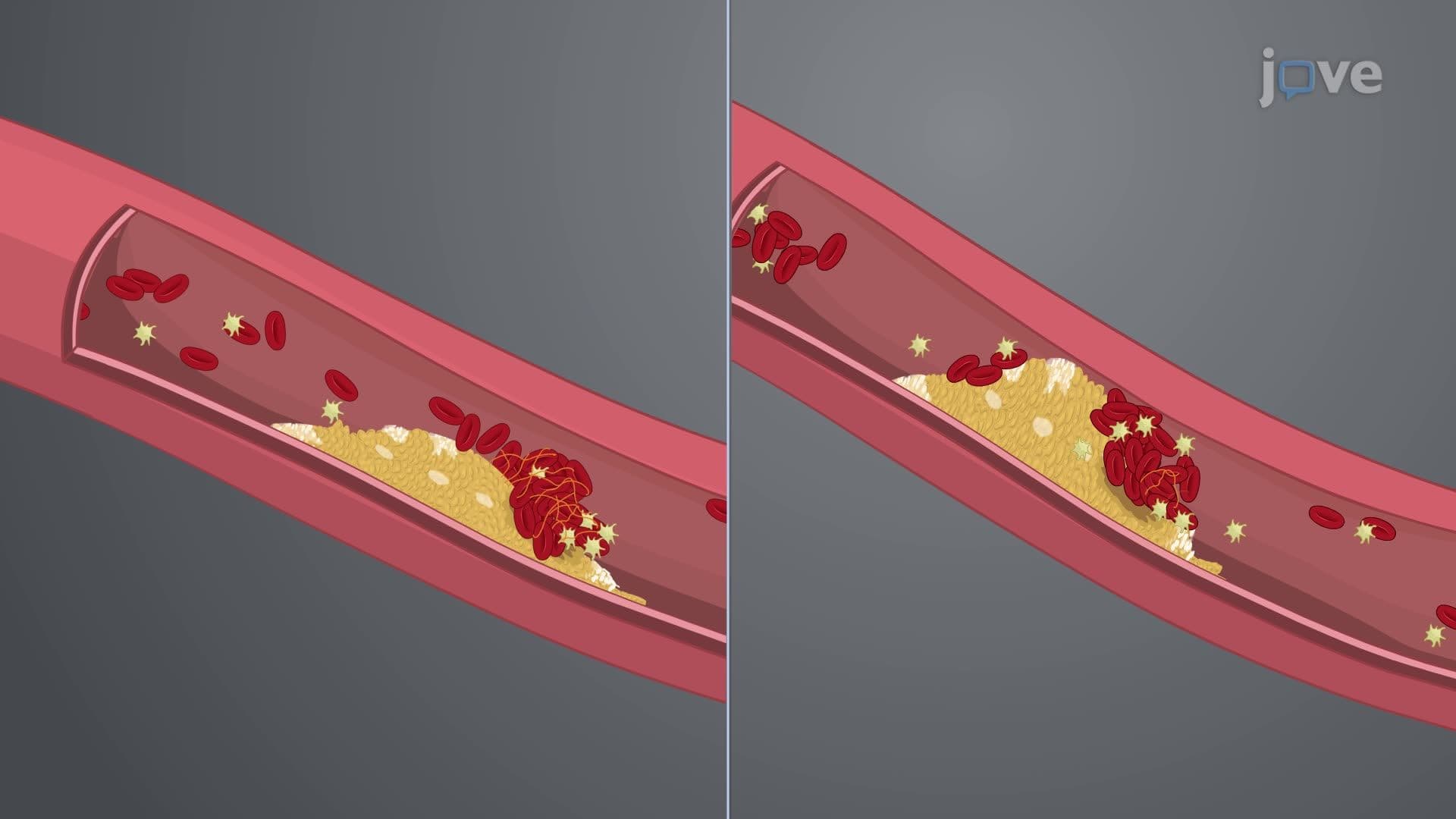
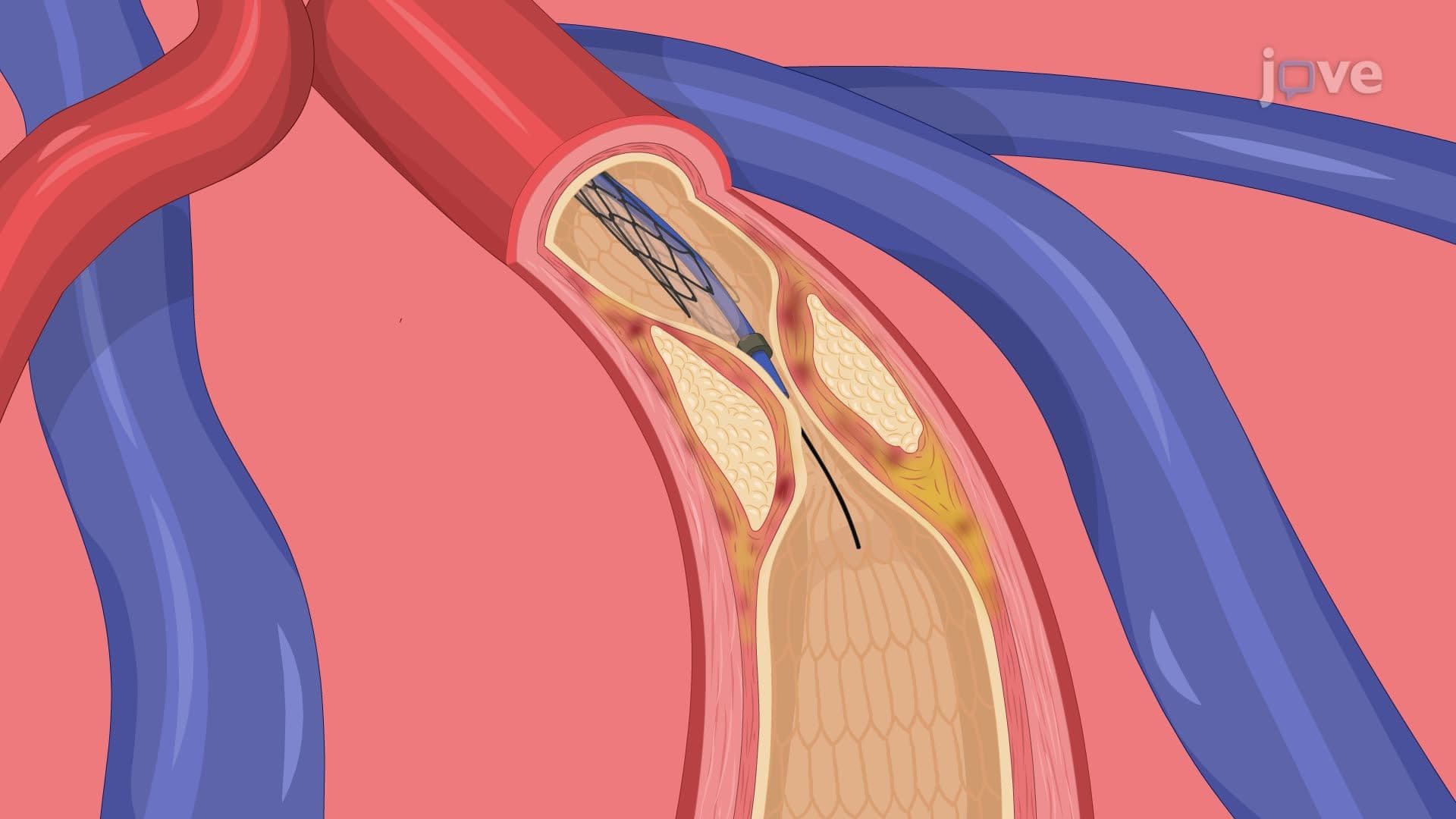
Successful angina management requires multiple coordinated interventions. Positioning patients in semi-Fowler's position (30-45 degree elevation) reduces cardiac workload by improving venous return and decreasing preload. Oxygen therapy becomes essential when saturation drops below 90% or dyspnea occurs, ensuring adequate myocardial oxygenation. Medication administration includes nitroglycerin for vasodilation, beta-blockers for heart rate control, and antiplatelet agents for thrombosis prevention. Continuous cardiac monitoring allows nurses to detect arrhythmias or ST-segment changes that might indicate worsening ischemia.
For students preparing for nursing licensure exams like NCLEX-RN or HESI A2, understanding angina nursing management proves crucial. These concepts frequently appear in cardiovascular sections of nursing school curricula and standardized tests. Pre-nursing students taking prerequisite courses often encounter these principles in anatomy, physiology, and pathophysiology classes. The systematic approach to patient care demonstrates critical thinking skills that nursing programs emphasize throughout undergraduate education.
Related Micro-courses