Loading subject page…

1,657 views

Video Summary: Rheumatic Heart Disease I Introduction Explained
Did you know that a simple strep throat infection, if left untreated, can permanently damage your heart valves? Rheumatic heart disease i introduction reveals how Group A Streptococcus triggers an autoimmune cascade that transforms temporary throat pain into lifelong cardiac complications. In the United States, this condition disproportionately affects underserved communities where access to antibiotics remains limited. Rheumatic Heart Disease I Introduction Explained demonstrates the molecular mimicry mechanism that causes your immune system to attack your own heart tissue. Watch the full video on JoVE Coach to master this concept with expert-led visuals and step-by-step explanations.
Rheumatic Heart Disease I Introduction represents a critical transition from acute infectious disease to chronic cardiovascular pathology. This condition exemplifies how untreated bacterial infections can trigger devastating autoimmune responses. In the United States, rheumatic heart disease affects approximately 15,000-20,000 people annually, with higher prevalence rates observed in Native American communities and urban areas with limited healthcare access.
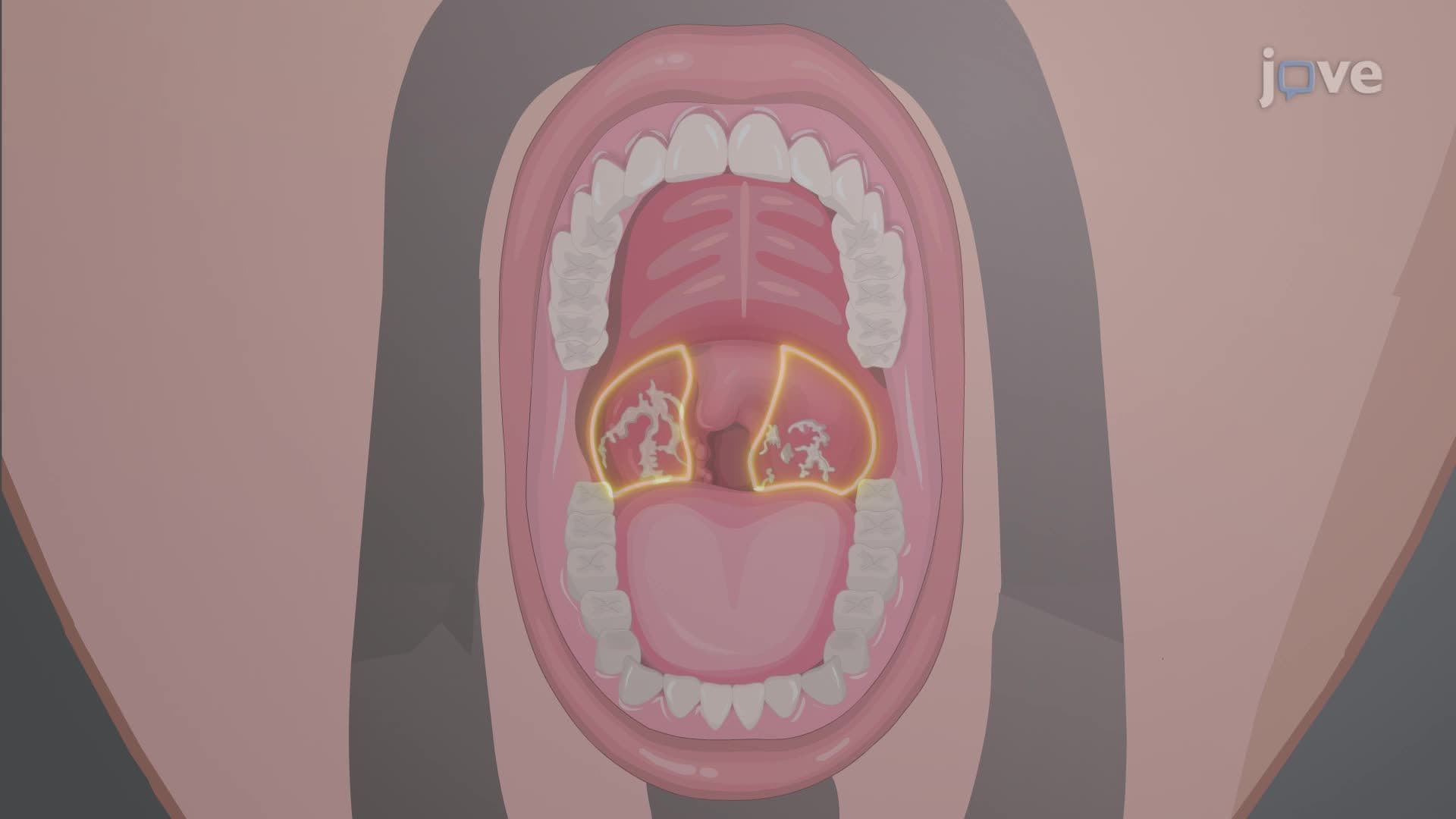
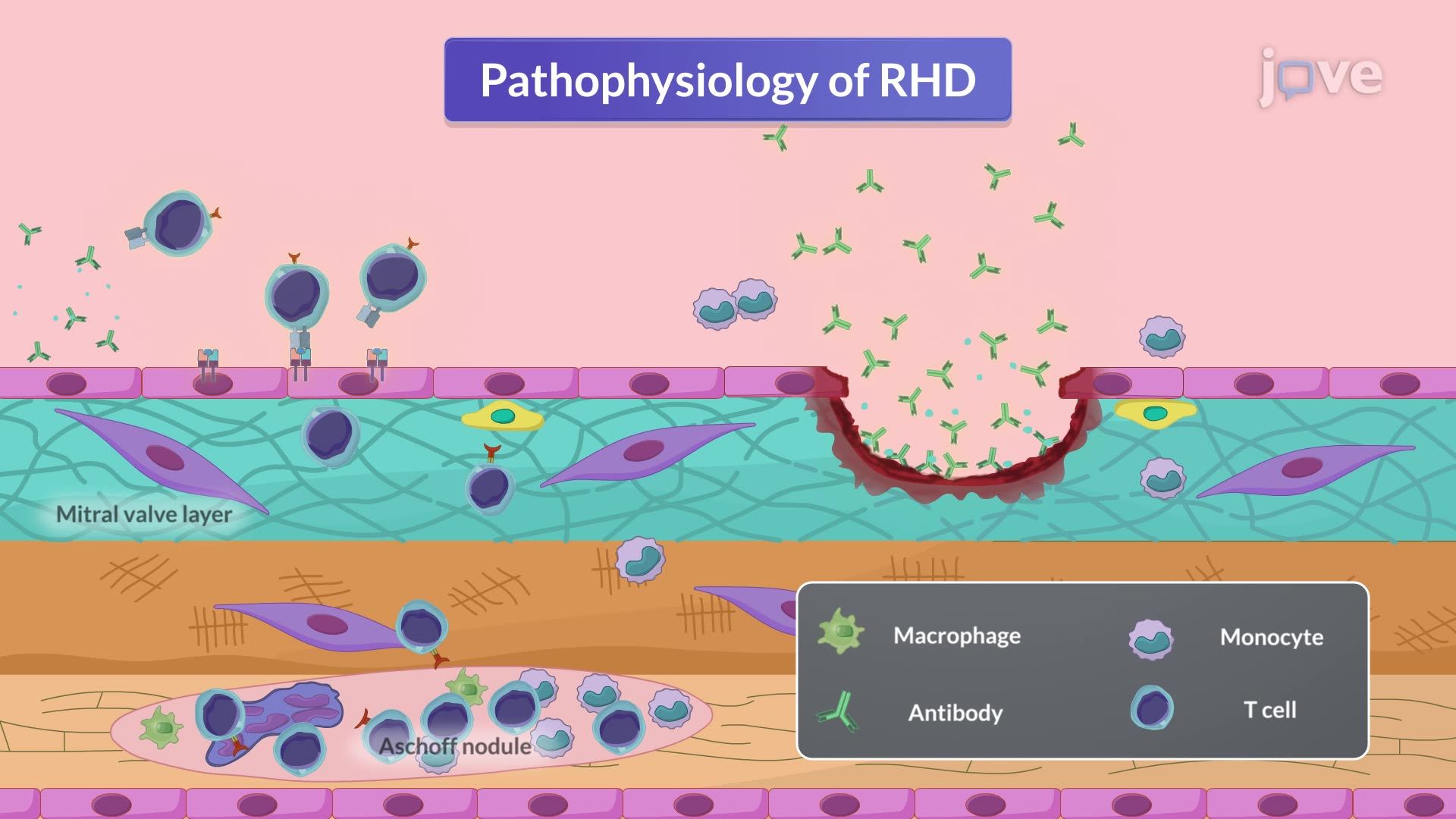
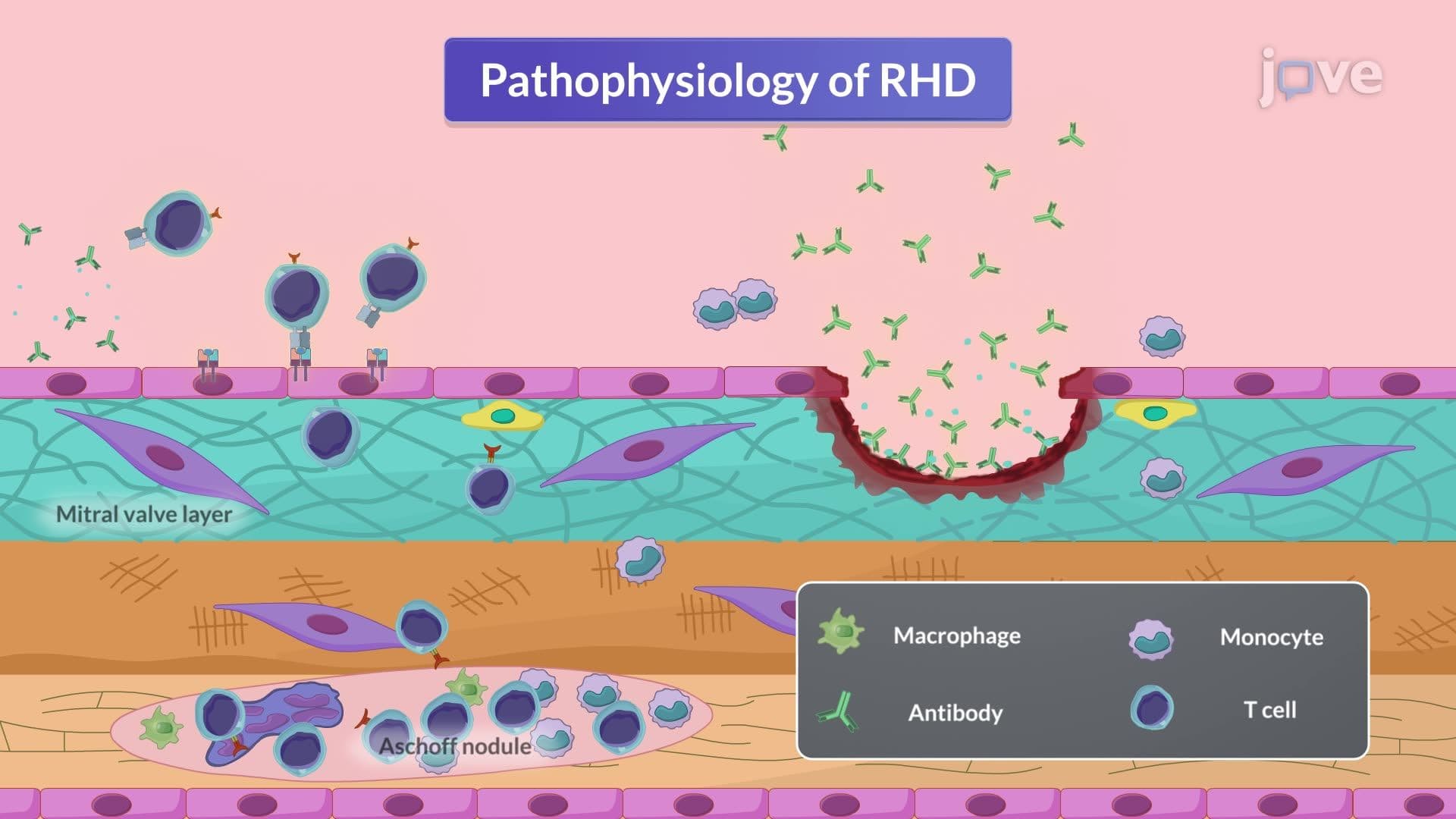
The pathogenesis begins when Group A Streptococcus pyogenes establishes pharyngeal infection. The bacterial M protein shares structural similarities with human cardiac myosin, creating molecular mimicry that confuses the adaptive immune system. Cross-reactive antibodies initially targeting streptococcal antigens begin attacking cardiac tissues, particularly valve structures. This autoimmune response typically emerges 2-4 weeks post-infection, explaining why patients may feel recovered from their initial sore throat before cardiac symptoms appear.
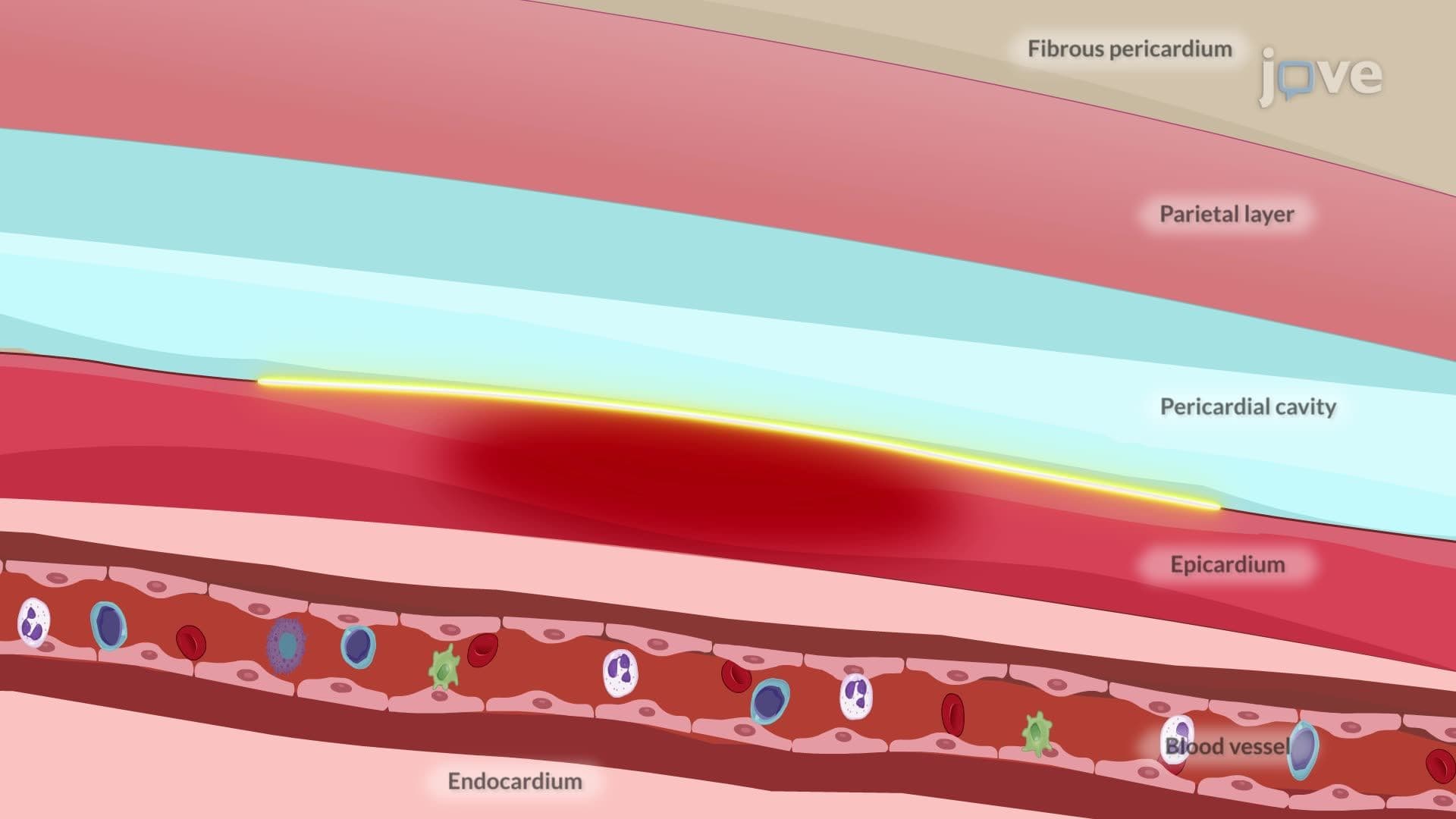
Pancarditis represents the hallmark inflammatory response affecting all three cardiac layers simultaneously. The endocardium suffers the most severe damage, with valve leaflets becoming primary targets. Fibrin deposition and inflammatory cell infiltration create characteristic vegetations-warty growths that distort normal valve architecture. The mitral valve bears the greatest burden, followed by the aortic valve, while tricuspid and pulmonary valves rarely show significant involvement.
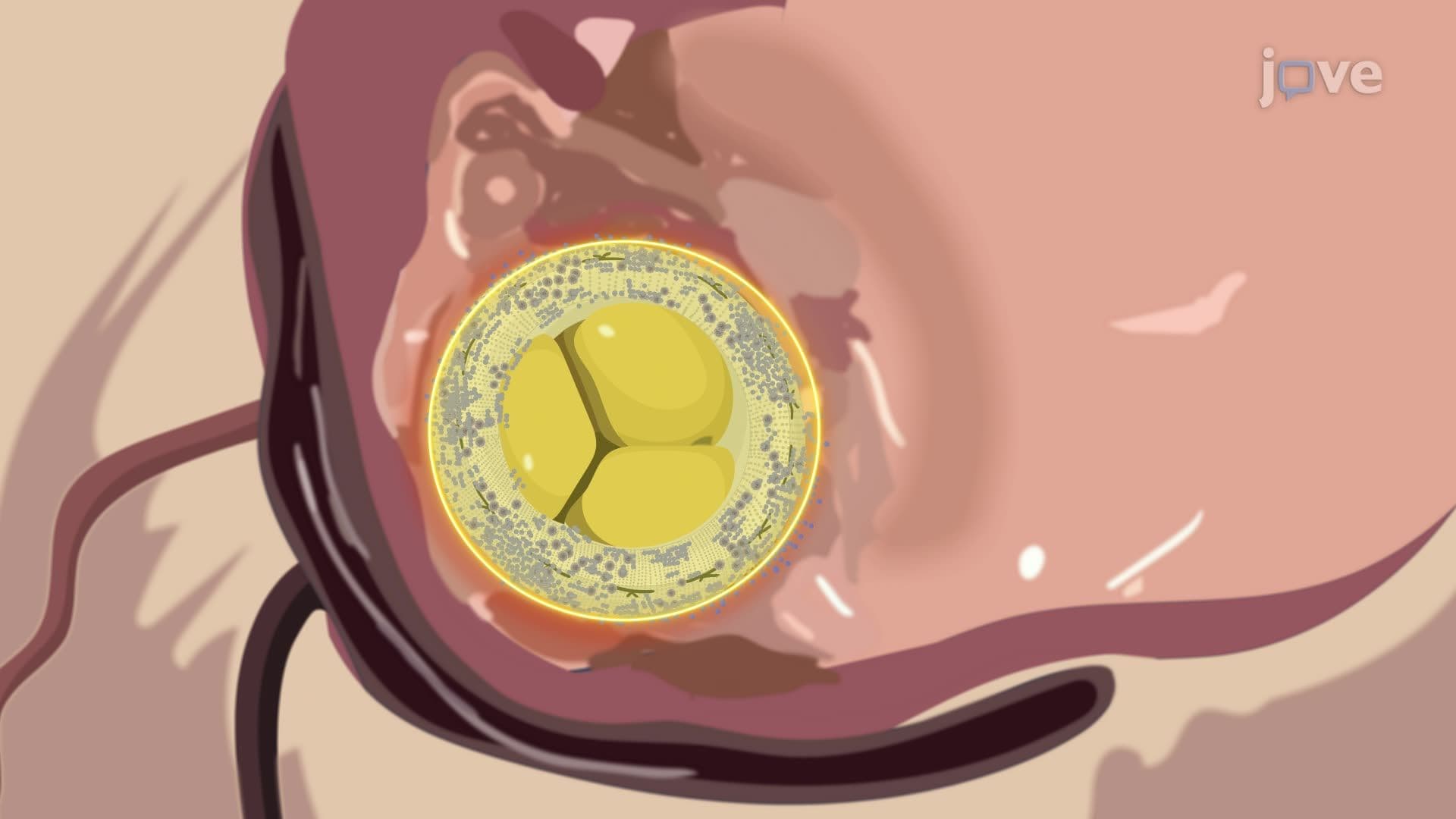
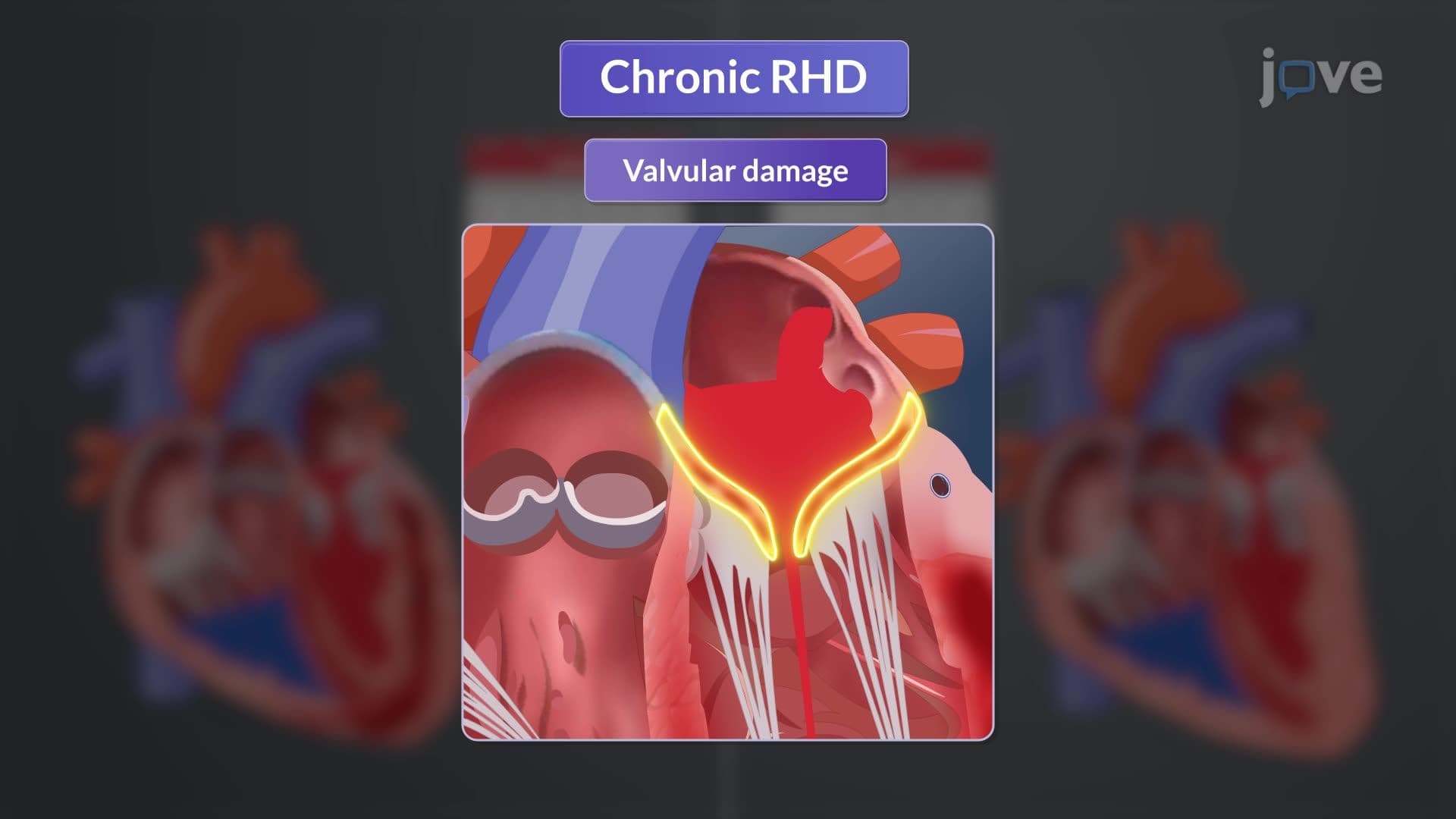
Chronic rheumatic heart disease develops through progressive fibrosis and calcification. Valve leaflets thicken and lose flexibility, while commissures fuse, creating stenotic lesions. Chordae tendineae undergo similar fibrotic changes, contributing to regurgitant valve function. Aschoff bodies-pathognomonic inflammatory nodules-damage myocardial collagen before transforming into fibrous scar tissue, permanently impairing contractile function.
For students preparing for MCAT, AP Biology, or undergraduate pathophysiology courses, understanding this disease process illustrates key concepts in immunology, microbiology, and cardiovascular physiology. The condition demonstrates how infectious diseases can trigger autoimmune responses, making it a favorite topic for standardized medical exams and clinical case studies.
Related Micro-courses