Loading video…


 16 Concepts
 1.7K views

Video Summary: Rheumatic Heart Disease Iii Medical Management Explained
Did you know that a simple strep throat, if left untreated, can permanently damage your heart valves? Rheumatic heart disease III medical management focuses on preventing this progression through targeted antibiotic therapy, with benzathine penicillin G injections being the gold standard treatment used in major US medical centers like Johns Hopkins and Mayo Clinic. Understanding Rheumatic Heart Disease III Medical Management Explained is crucial for recognizing how timely intervention can prevent lifelong cardiac complications. Watch the full video on JoVE Coach to master this concept with expert-led visuals and step-by-step explanations.
Rheumatic heart disease represents one of the most preventable forms of acquired heart disease, making its medical management a critical topic for healthcare students. The management strategy operates on multiple levels, from initial prevention to advanced interventional procedures, requiring a comprehensive understanding of both pharmacological and surgical approaches.
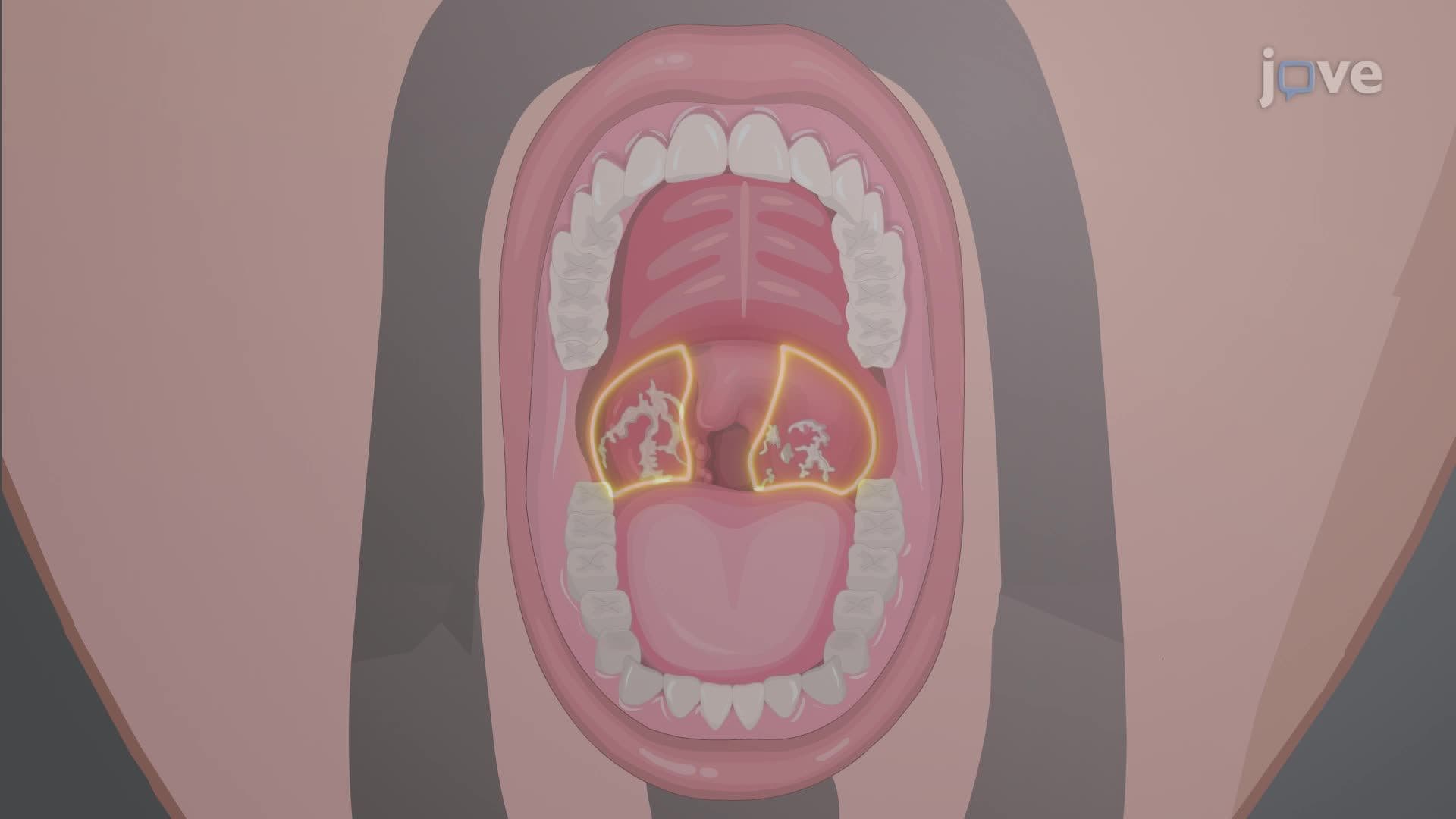
The cornerstone of rheumatic heart disease management lies in aggressive primary prevention. When patients present with streptococcal pharyngitis, prompt treatment with benzathine penicillin G (1.2 million units intramuscularly) effectively prevents the development of acute rheumatic fever. This approach has proven so effective that major US healthcare systems, including Kaiser Permanente and Cleveland Clinic, have incorporated rapid strep testing and immediate antibiotic protocols into their emergency department workflows.
During acute rheumatic fever episodes, anti-inflammatory therapy becomes paramount. Salicylates serve as first-line treatment, with aspirin doses of 80-100 mg/kg/day divided into four doses. For severe carditis cases, corticosteroids like prednisone (1-2 mg/kg/day) provide superior anti-inflammatory effects. NSAIDs such as naproxen offer alternative options for patients who cannot tolerate aspirin.
Secondary prophylaxis represents the most crucial aspect of preventing rheumatic heart disease progression. Patients with a history of acute rheumatic fever require benzathine penicillin G injections (1.2 million units) every 3-4 weeks, typically continuing for 10 years or until age 40, whichever is longer. This protocol has demonstrated remarkable success in US populations, with adherence rates exceeding 80% in well-managed healthcare systems.
Cardiovascular complications require targeted pharmacological intervention. ACE inhibitors like lisinopril and enalapril address left ventricular dysfunction, while diuretics such as furosemide manage fluid overload. Beta-blockers including metoprolol provide additional heart failure benefits and help control arrhythmias commonly associated with rheumatic heart disease.
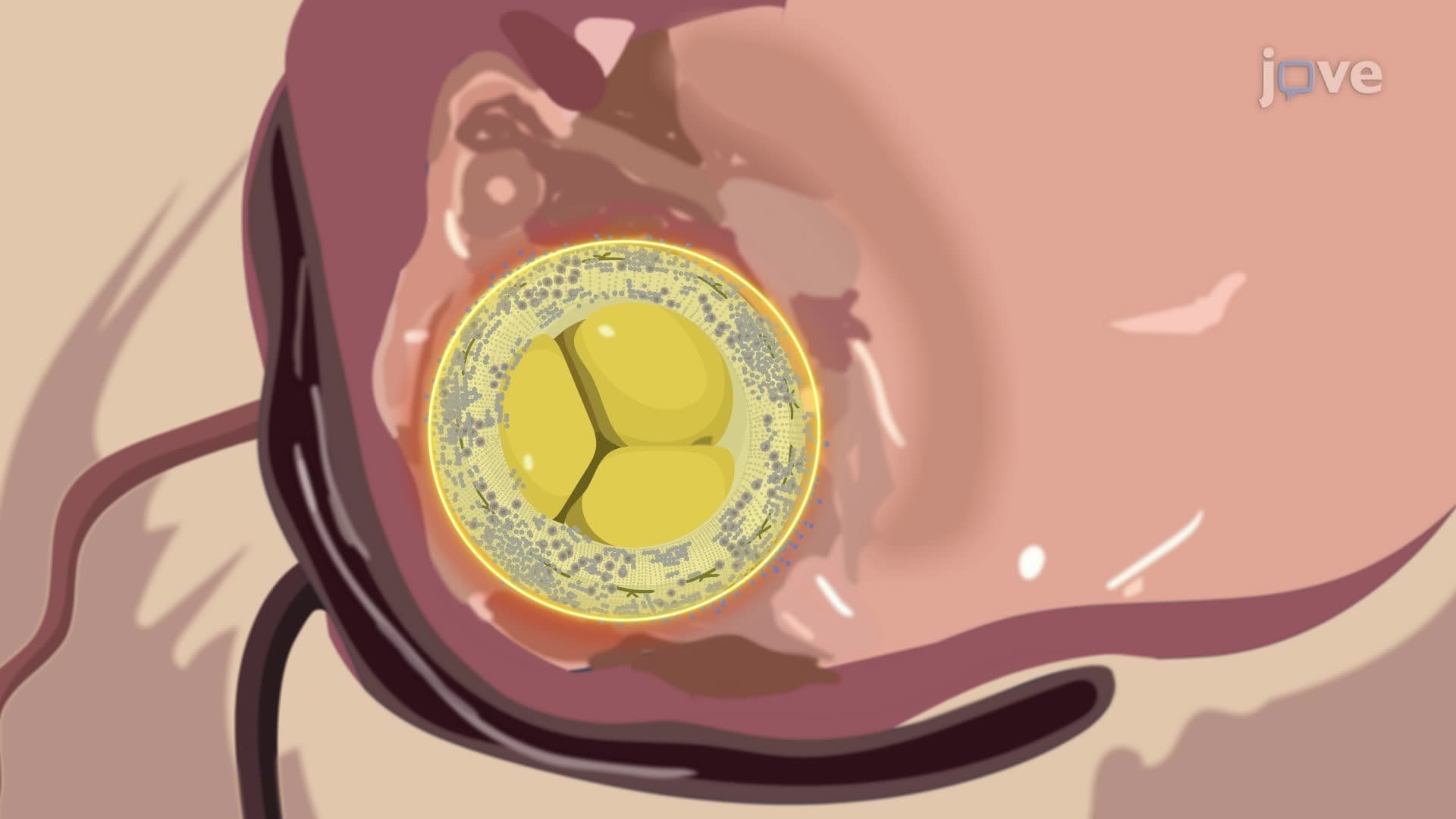
Advanced rheumatic heart disease often necessitates invasive procedures. Percutaneous mitral balloon valvuloplasty serves as the preferred intervention for isolated mitral stenosis without significant regurgitation, left atrial thrombus, or severe calcification. This procedure, pioneered at institutions like Massachusetts General Hospital, offers excellent outcomes with minimal invasiveness.
Severe valvular disease may require surgical intervention, with valve repair preferred over replacement when feasible. The choice between mechanical and bioprosthetic valves depends on patient age, anticoagulation tolerance, and lifestyle factors. These concepts frequently appear on MCAT examinations and advanced placement biology tests, emphasizing the importance of understanding both conservative and surgical management approaches.
Related Micro-courses