Loading subject page…


1,657 views


Video Summary: Rheumatic Heart Disease Iv Nursing Management Explained
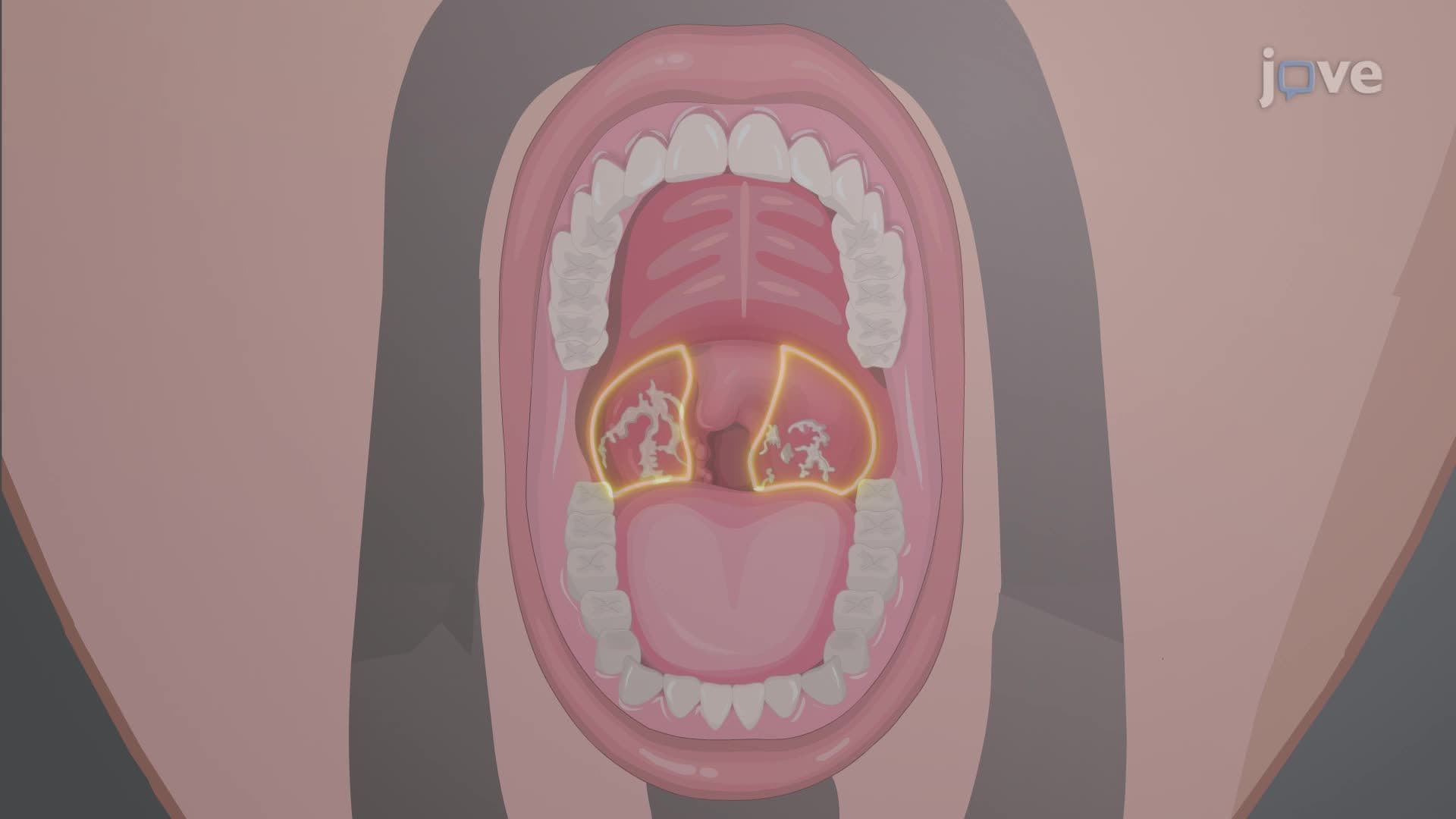
Did you know that rheumatic heart disease affects over 33 million people worldwide, yet it's entirely preventable with proper strep throat treatment? Rheumatic heart disease IV nursing management requires a systematic approach to assessment, diagnosis, and intervention for patients with valvular damage from untreated streptococcal infections. At major medical centers like Johns Hopkins Hospital, nurses follow evidence-based protocols to monitor cardiac output, manage activity intolerance, and prevent heart failure complications. Watch the full video on JoVE Coach to master this concept with expert-led visuals and step-by-step explanations.
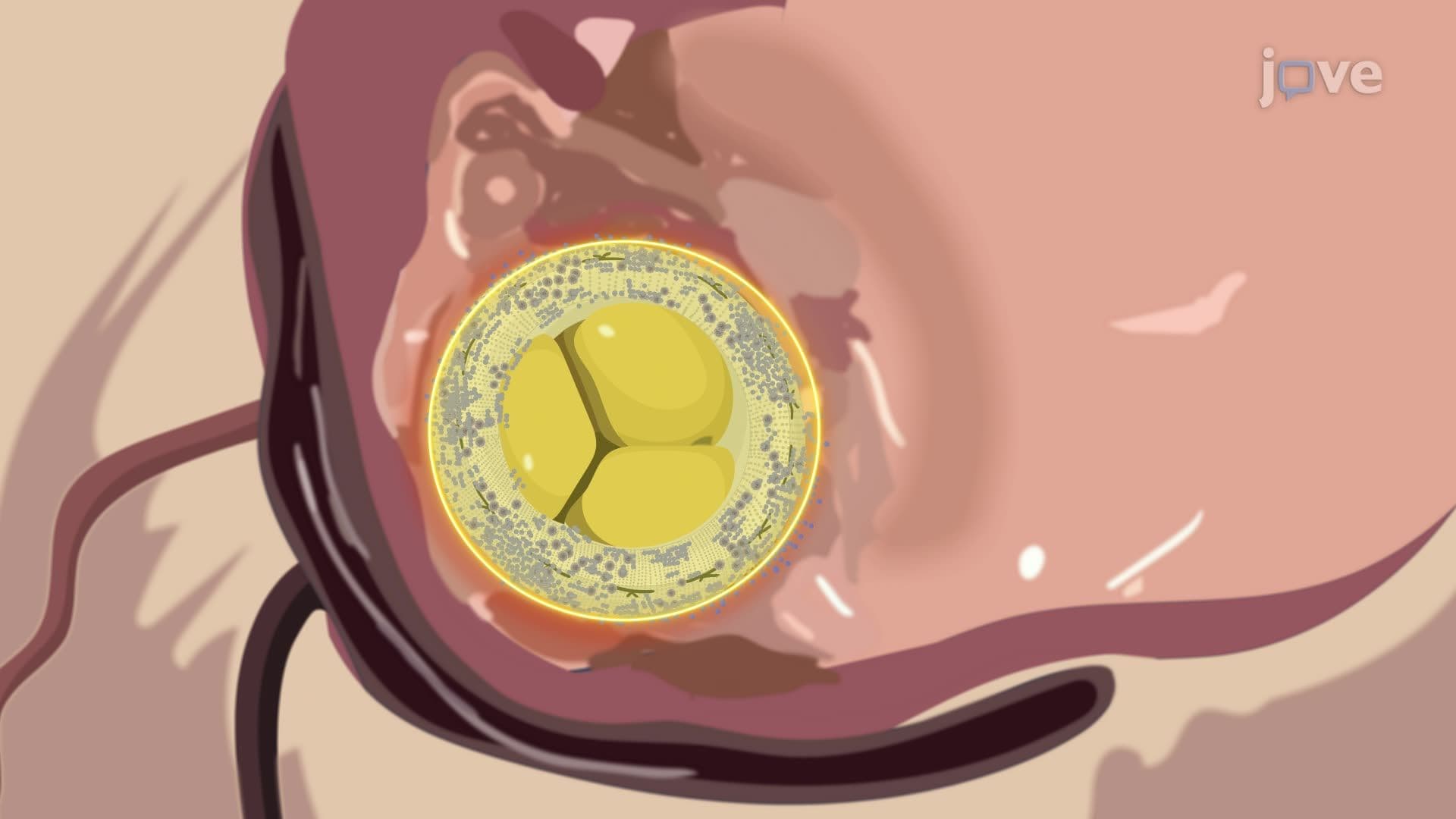
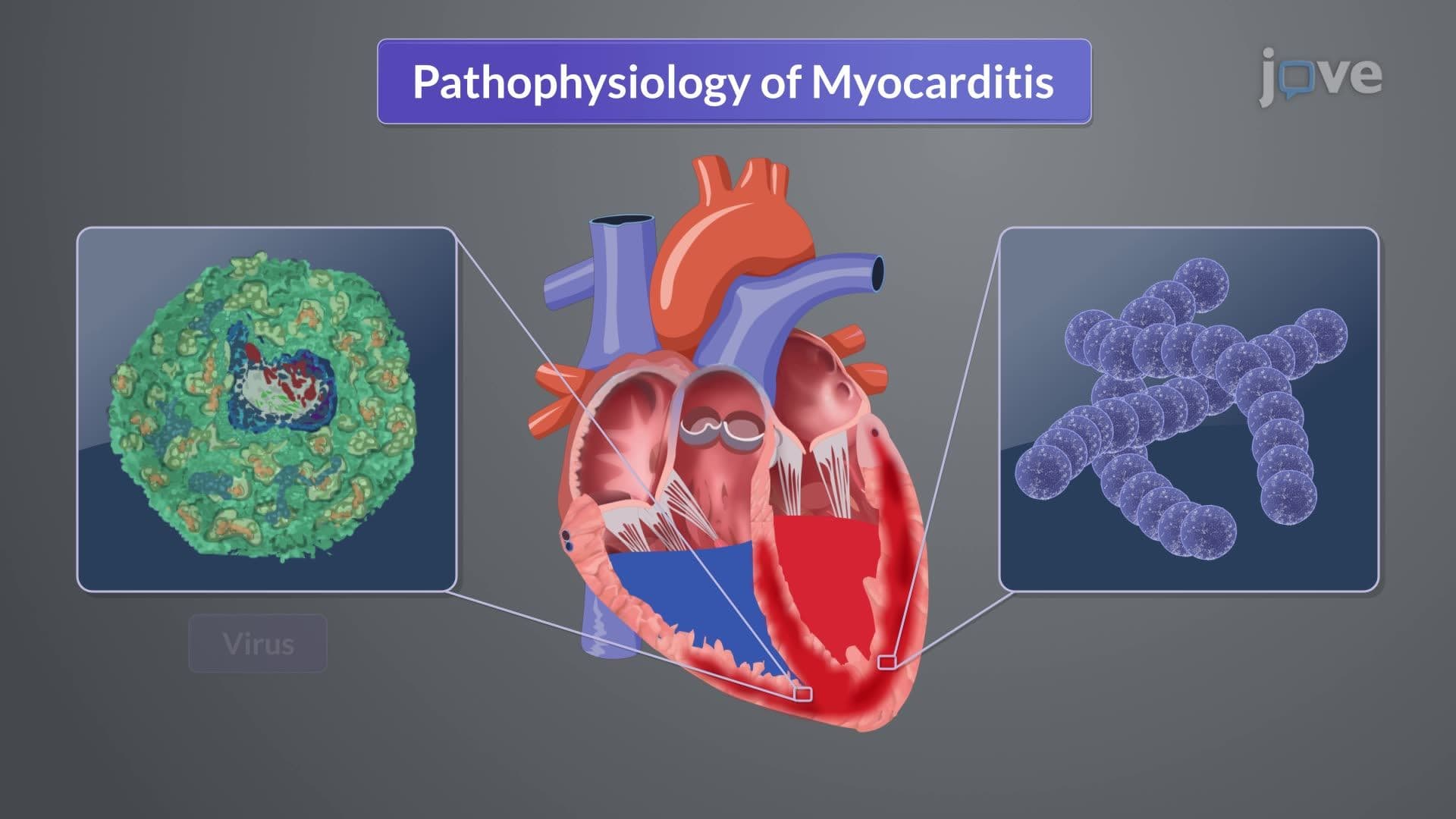
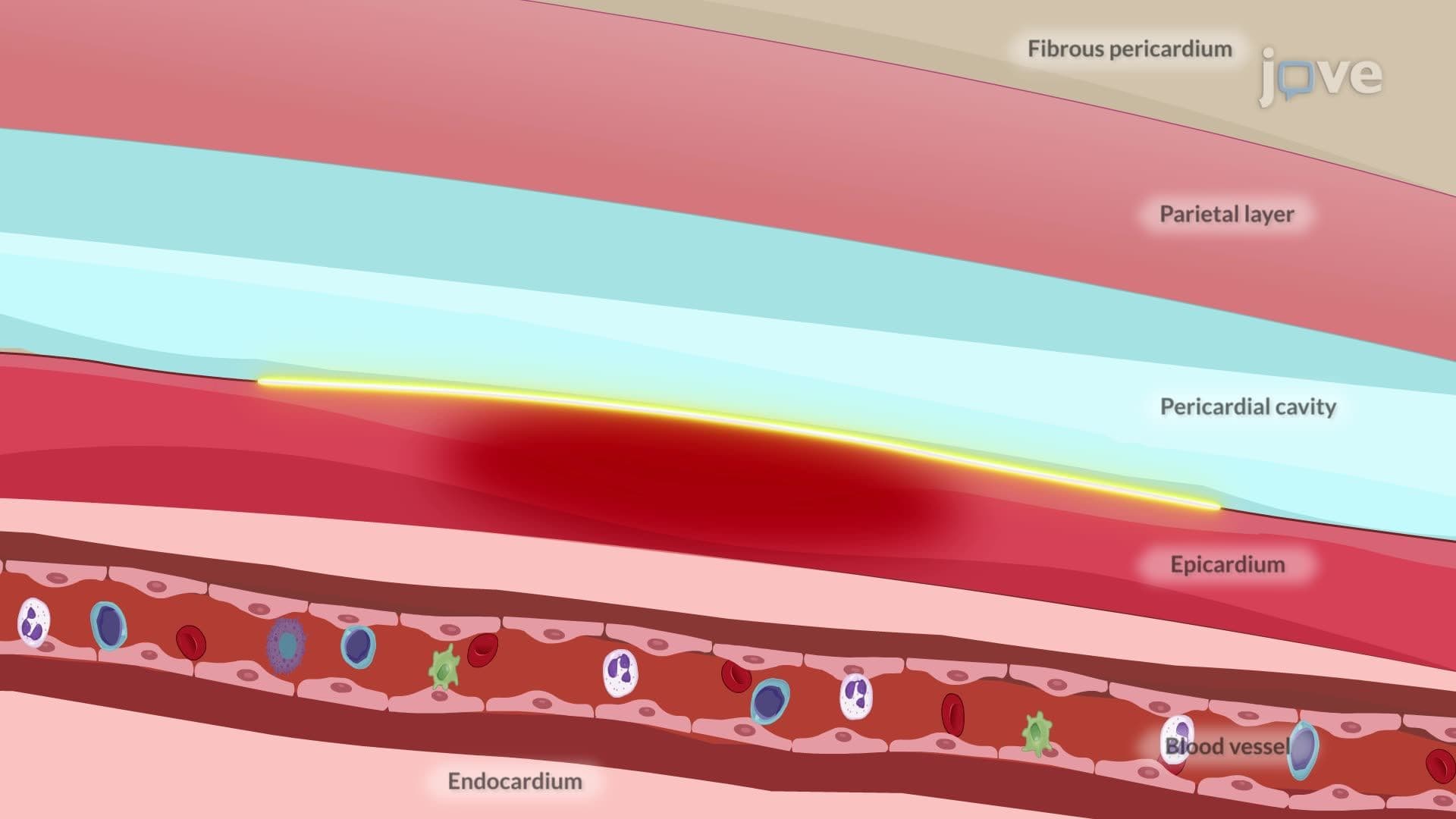
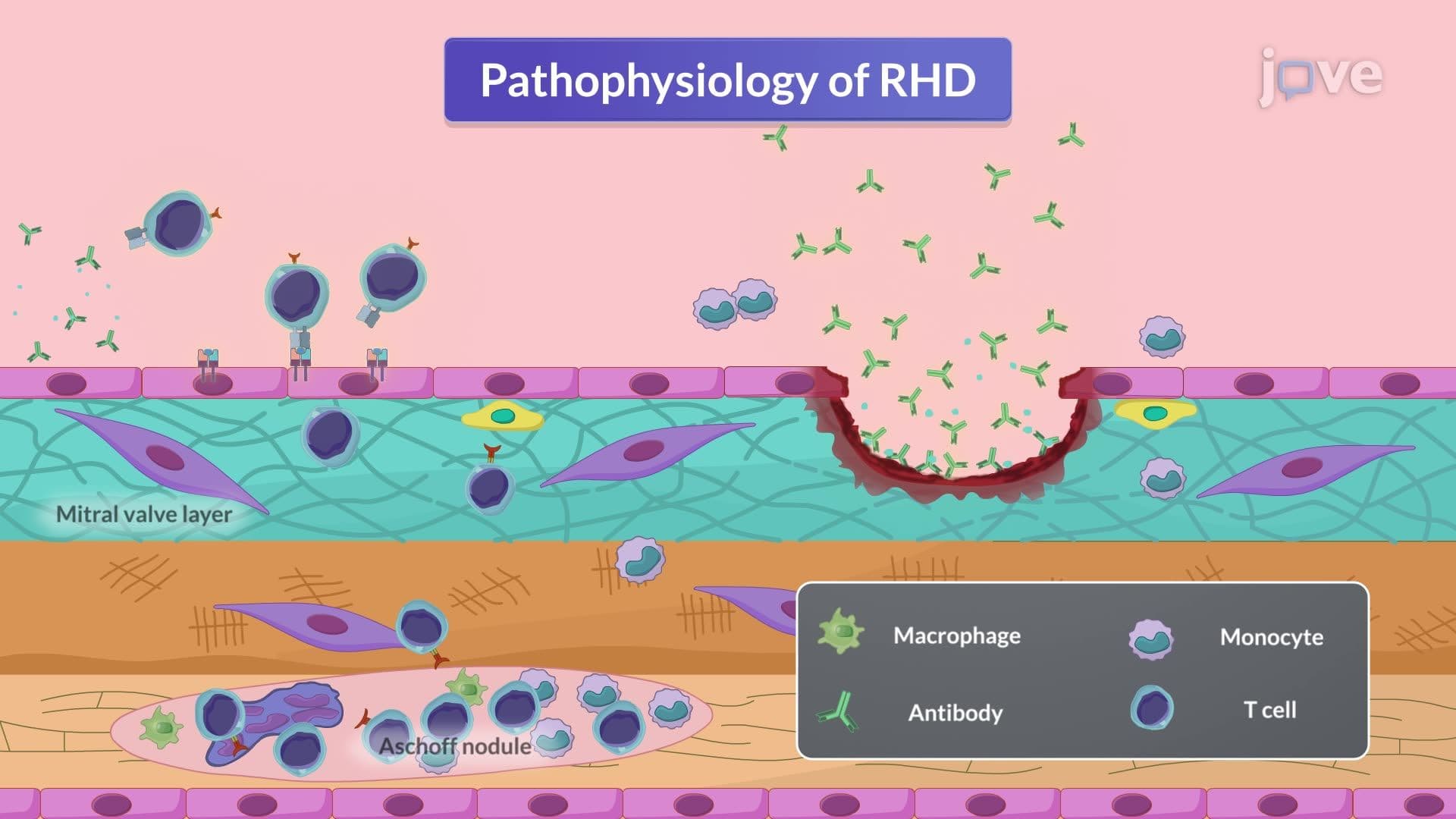
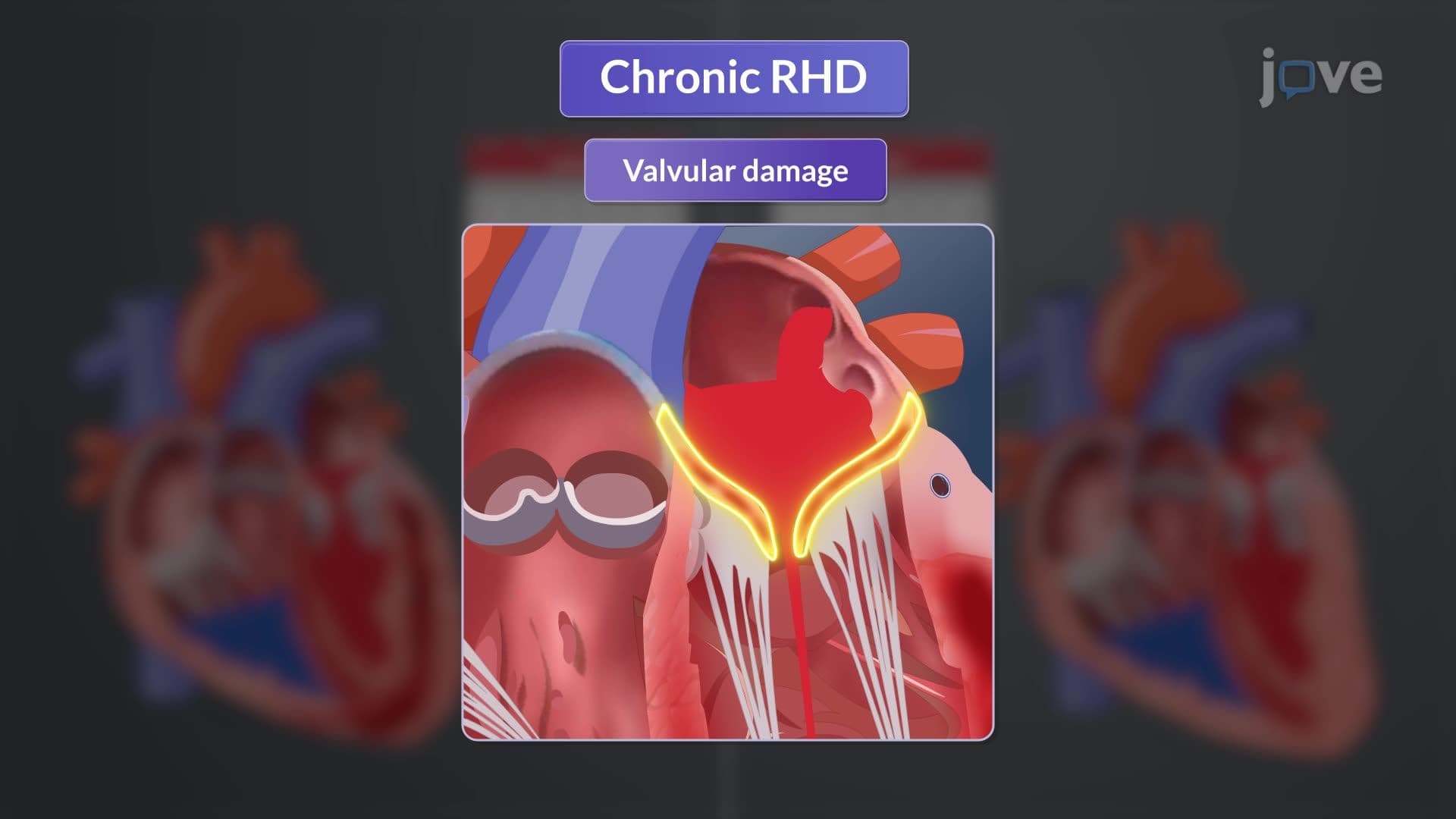
Rheumatic heart disease IV nursing management represents a critical component of cardiovascular nursing care, requiring nurses to master both acute intervention skills and long-term patient education strategies. This autoimmune condition, triggered by untreated Group A streptococcal infections, progressively damages heart valves-particularly the mitral and aortic valves-leading to stenosis or regurgitation that compromises cardiac function.
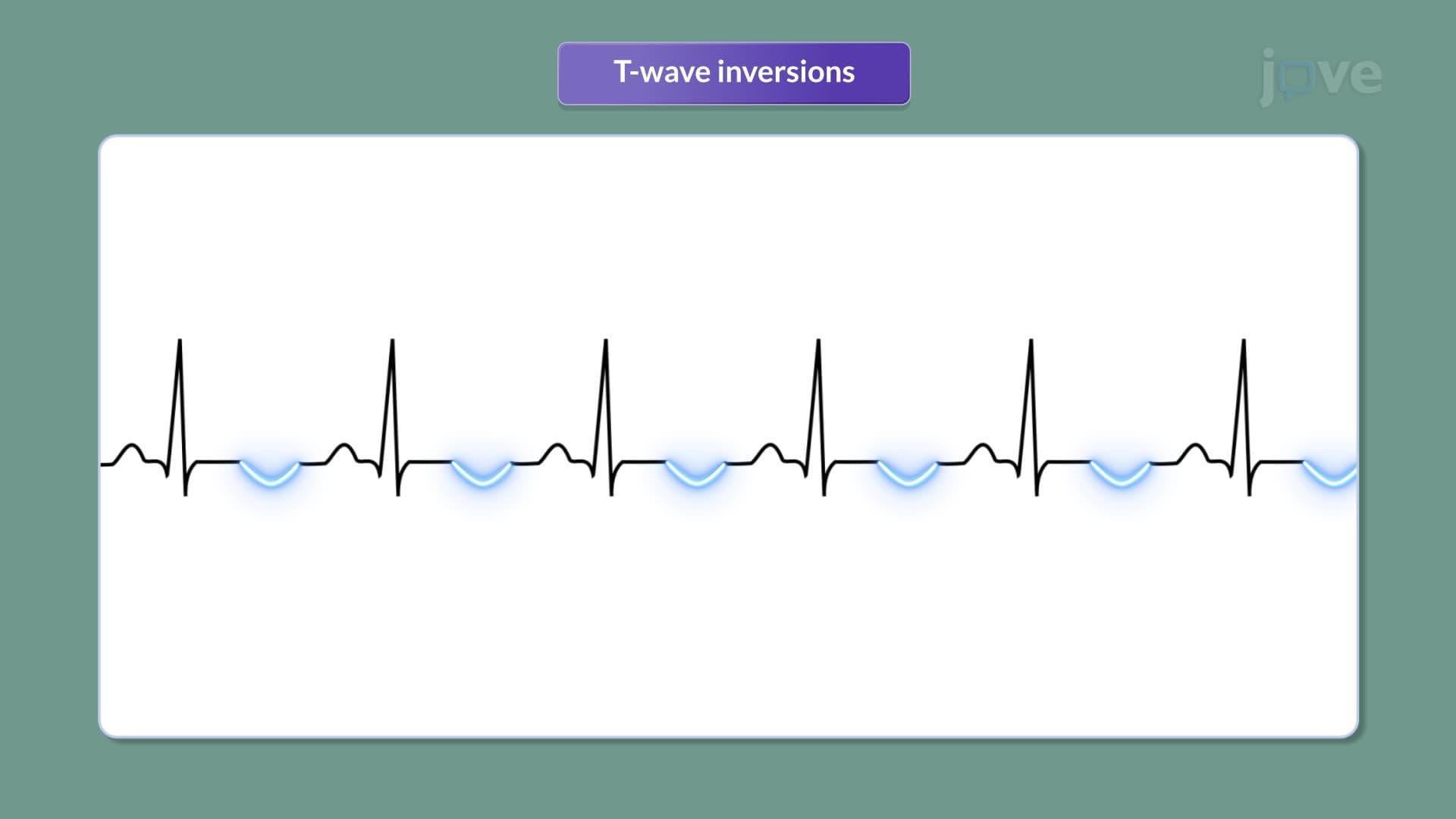
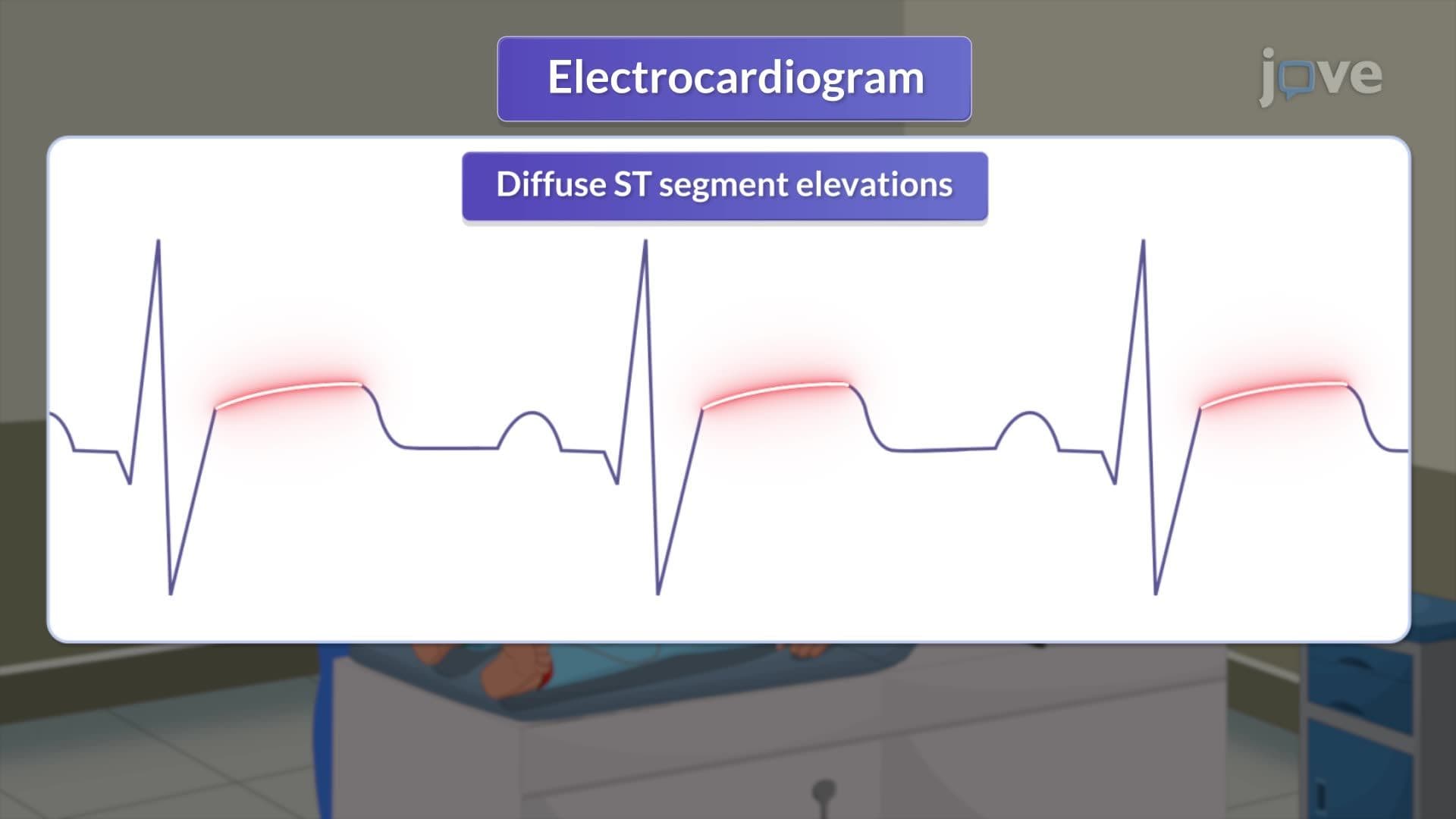
The nursing assessment process begins with obtaining a thorough medical history, focusing on recent streptococcal infections, previous episodes of rheumatic fever, or existing RHD diagnoses. Physical assessment reveals characteristic findings including new or changing heart murmurs, chest pain, fatigue, and peripheral edema. Nurses must interpret diagnostic results such as ECG changes (prolonged PR intervals), elevated antistreptolysin-O (ASO) titers, and echocardiographic evidence of valvular dysfunction. At institutions like the Cleveland Clinic, nurses use standardized assessment tools to ensure consistent evaluation and early recognition of disease progression.
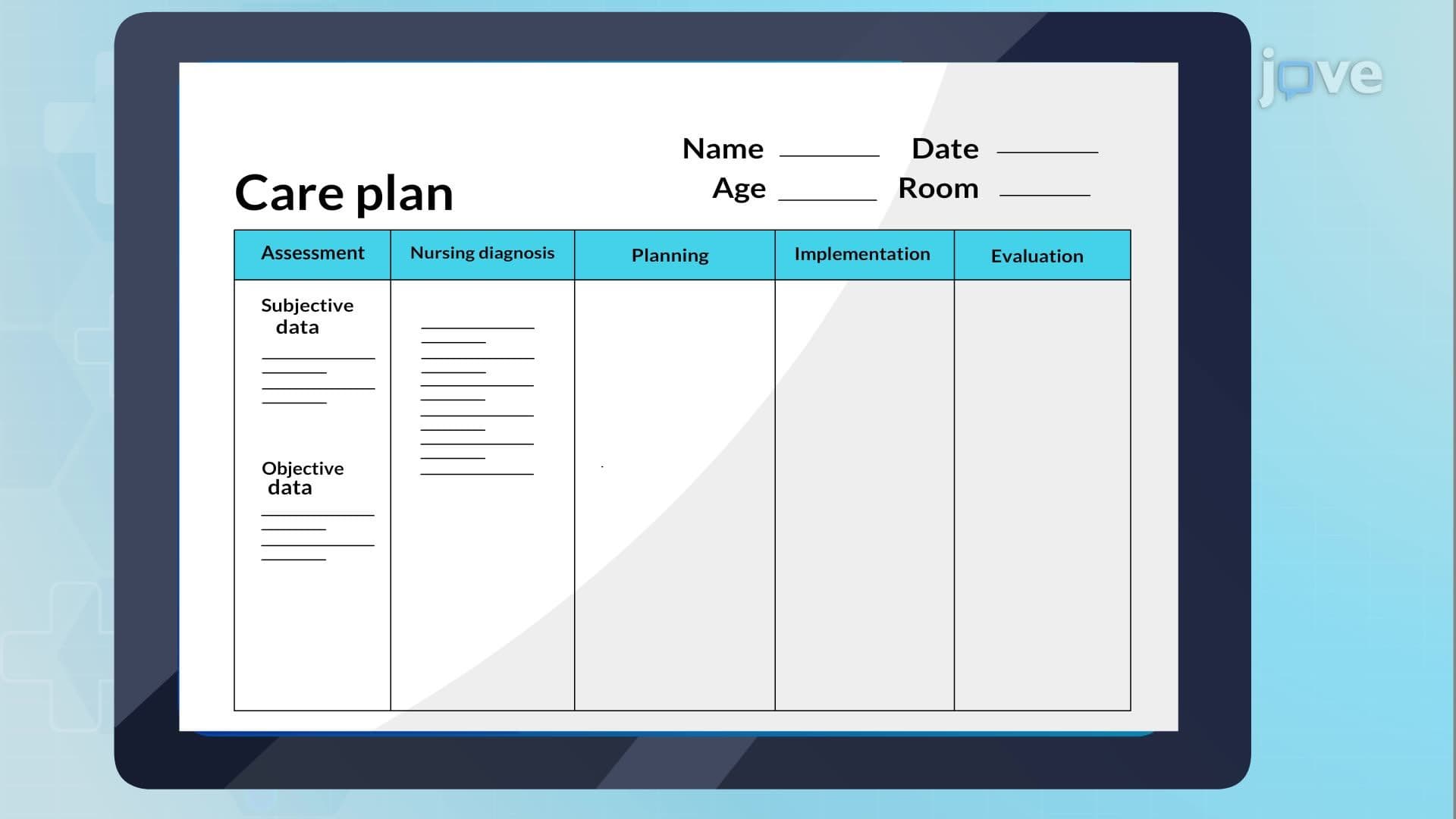
Two primary nursing diagnoses guide care planning: decreased cardiac output related to valvular damage and activity intolerance related to reduced cardiac function. Evidence-based interventions include positioning patients in semi-Fowler's position to optimize venous return and reduce cardiac workload, administering prescribed medications such as diuretics, ACE inhibitors, or anticoagulants, and carefully monitoring fluid balance through intake/output measurements. Oxygen therapy may be necessary during acute exacerbations to maintain adequate tissue perfusion.
Successful rheumatic heart disease IV nursing management extends beyond acute care to include comprehensive patient education. Nurses teach patients to recognize early signs of heart failure, emphasize the importance of medication adherence, and provide guidance on activity modification. This content frequently appears on nursing board examinations including the NCLEX-RN, where candidates must demonstrate understanding of cardiac nursing principles. For pre-nursing students taking the HESI A2 or TEAS, understanding the pathophysiology and nursing management of rheumatic heart disease provides essential foundation knowledge for advanced cardiovascular nursing courses.
Related Micro-courses