Loading subject page…

1,657 views

Video Summary: What Is Endocarditis I Introduction
Every year, over 15,000 Americans are diagnosed with a heart infection that can be life-threatening if left untreated. Endocarditis i introduction covers the fundamental microbial infection of the heart's inner lining and valves, examining how bacteria like Staphylococcus aureus infiltrate cardiovascular tissue. This condition ranges from rapidly progressing acute forms seen in emergency departments at major US hospitals like Johns Hopkins to slower subacute presentations that develop over months. Watch the full video on JoVE Coach to master this concept with expert-led visuals and step-by-step explanations.
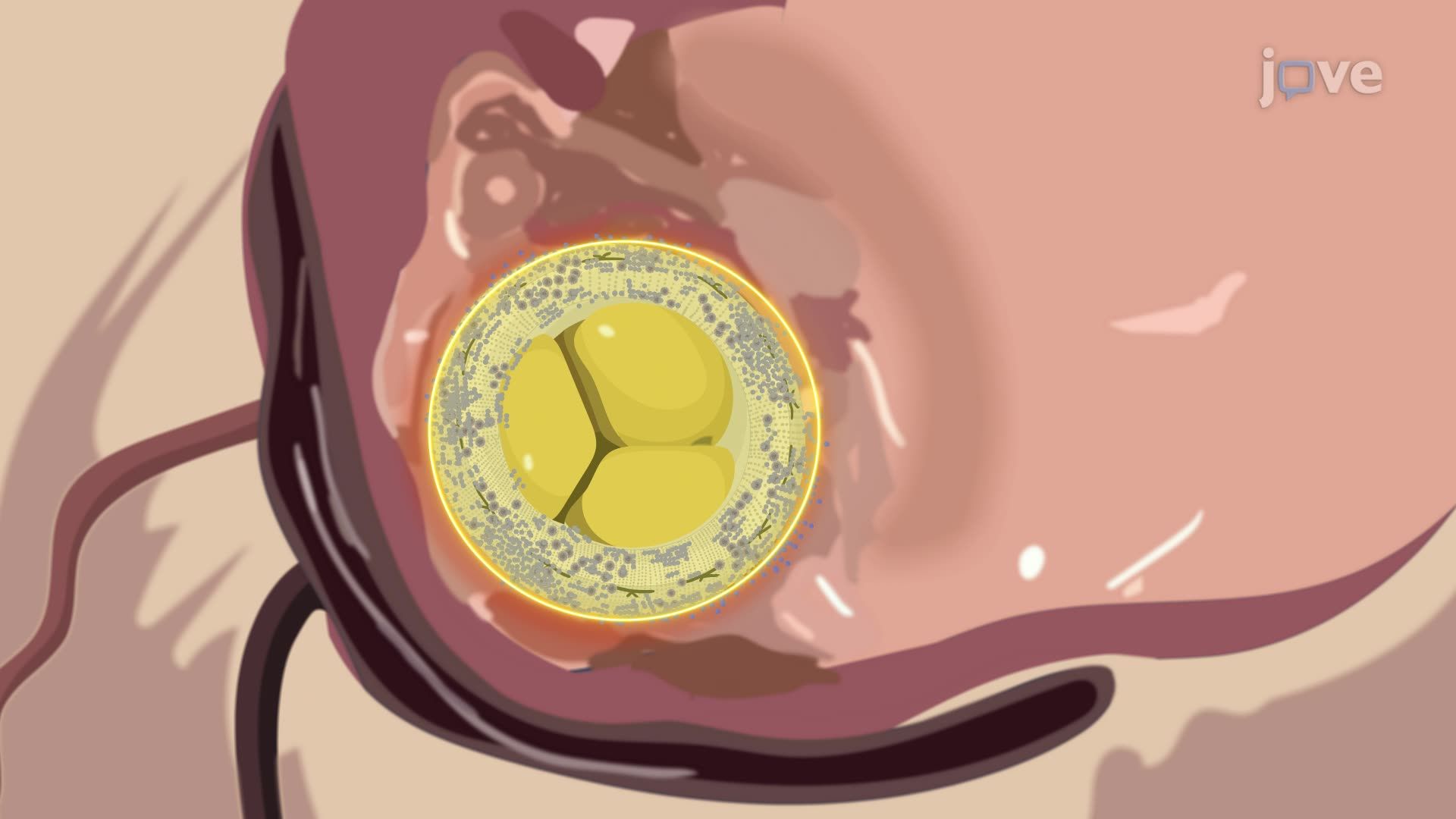
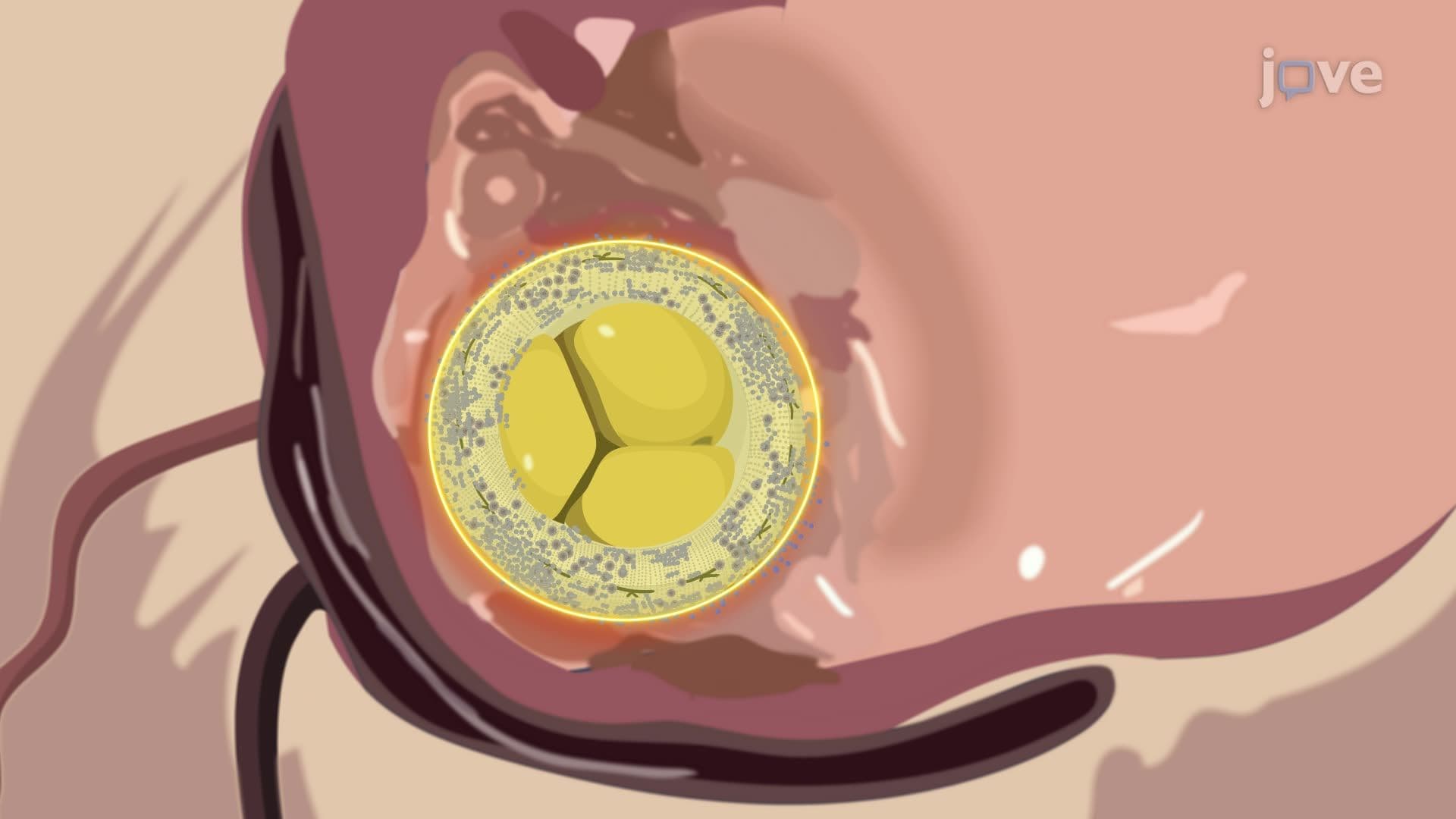
Endocarditis i introduction encompasses the fundamental study of how microorganisms invade and infect the heart's innermost layer, the endocardium. This life-threatening condition affects approximately 3-4 per 100,000 people annually in the United States, with mortality rates ranging from 15-30% despite modern medical interventions. The infection primarily targets heart valves, where bacteria establish colonies that can severely compromise cardiac function.
The endocarditis i introduction definition must emphasize the role of specific bacterial species in disease development. Staphylococcus aureus, particularly methicillin-resistant strains (MRSA), represents the most aggressive pathogen, capable of infecting normal heart valves and causing rapid tissue destruction. Viridans group streptococci, commonly found in oral flora, typically target previously damaged valves and progress more slowly. Students preparing for the MCAT or AP Biology exams should understand that bacterial adherence depends on specific adhesins that bind to fibronectin and collagen exposed on damaged endocardial surfaces.
What is endocarditis i introduction in detail requires examining distinct clinical presentations. Acute endocarditis, often caused by S. aureus, can progress from initial infection to hemodynamic collapse within 48-72 hours, requiring immediate intervention at major US cardiac centers like the Cleveland Clinic. Subacute presentations develop over 6-8 weeks, allowing adaptive immune responses but also enabling extensive valve destruction. This classification system appears frequently on USMLE Step 1 examinations and nursing board certifications like NCLEX-RN.
Modern endocarditis epidemiology reflects changing demographics in US healthcare. Prosthetic valve endocarditis affects 1-4% of patients with artificial valves, often occurring within the first year post-surgery at institutions like Mayo Clinic or Massachusetts General Hospital. Healthcare-associated infections represent 25% of endocarditis cases, linked to central venous catheters, hemodialysis access, and invasive cardiac procedures. Students studying for HESI A2 or TEAS examinations should recognize that intravenous drug use has emerged as a leading risk factor, particularly affecting younger populations with tricuspid valve involvement.
Related Micro-courses