Loading video…

 16 Concepts
 1.7K views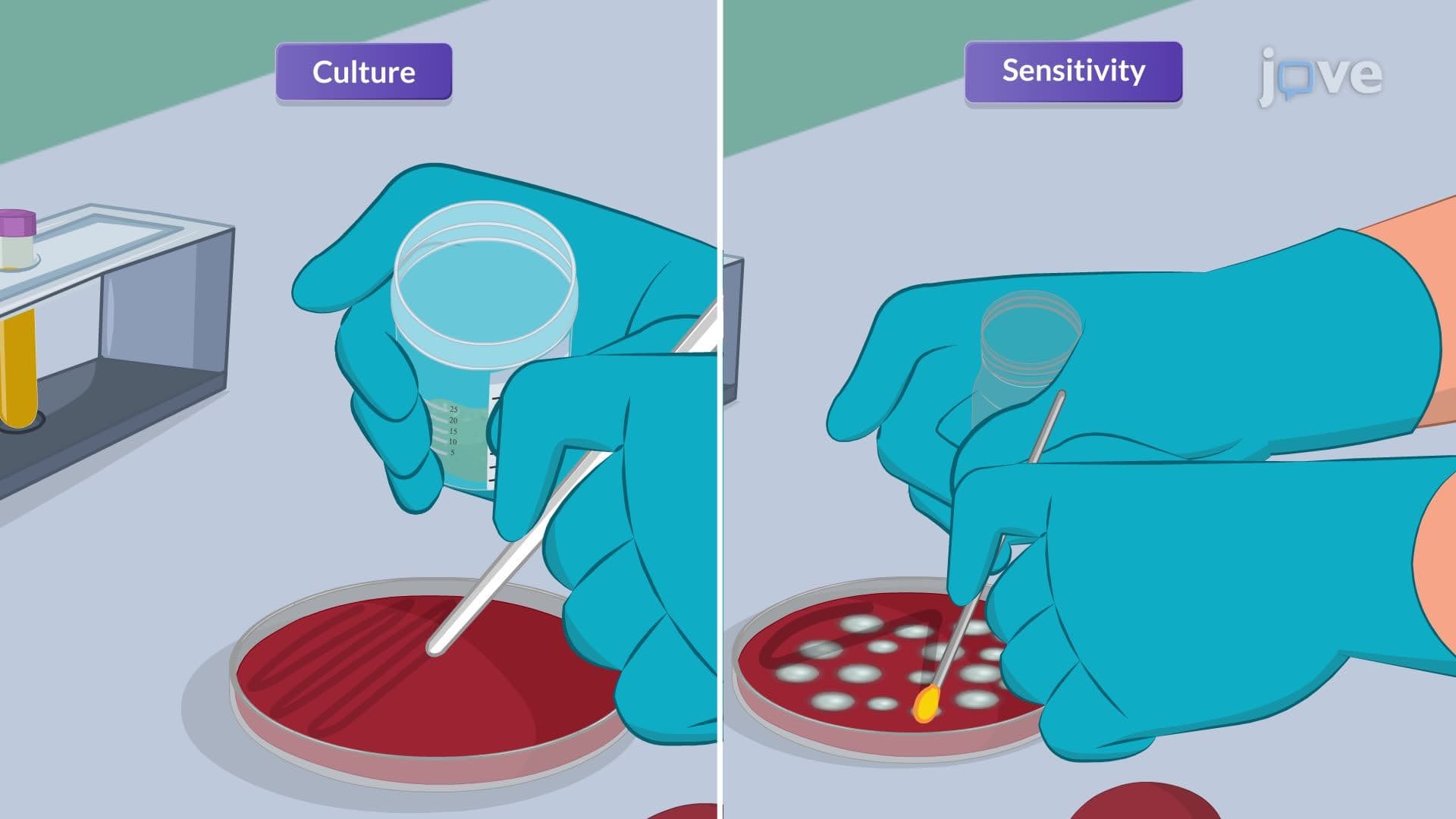

Video Summary: What Is Endocarditis Iii Medical Management
Did you know that a simple tooth infection can potentially damage your heart valves? Endocarditis III medical management represents a critical, multi-faceted approach to treating heart valve infections that affects over 40,000 Americans annually. At institutions like Johns Hopkins Hospital, cardiologists implement comprehensive treatment protocols combining infection prevention, lifestyle modifications, targeted antibiotic therapy, and surgical interventions. What is Endocarditis III Medical Management encompasses both immediate life-saving treatments and long-term preventive strategies that can mean the difference between recovery and heart failure. Watch the full video on JoVE Coach to master this concept with expert-led visuals and step-by-step explanations.
Endocarditis III medical management represents an evidence-based, systematic approach to treating infective endocarditis-a serious condition where bacteria, fungi, or other microorganisms infect the heart's inner lining or valves. This comprehensive management strategy has evolved significantly since the first documented cases in the 1800s, now incorporating advanced diagnostic techniques and targeted therapies that have dramatically improved patient outcomes across major US medical centers like Mayo Clinic and Cleveland Clinic.
The cornerstone of endocarditis III medical management begins with rigorous infection prevention protocols. Healthcare providers emphasize meticulous hand hygiene and oral care as fundamental preventive measures. Research from the American Heart Association demonstrates that proper dental hygiene-including brushing immediately upon waking and before bedtime-can reduce bacteremia episodes by up to 60%. Regular dental examinations become particularly crucial for high-risk patients, including those with prosthetic heart valves or previous endocarditis history. These prevention strategies are frequently tested in MCAT cardiovascular sections and AP Biology disease prevention units.
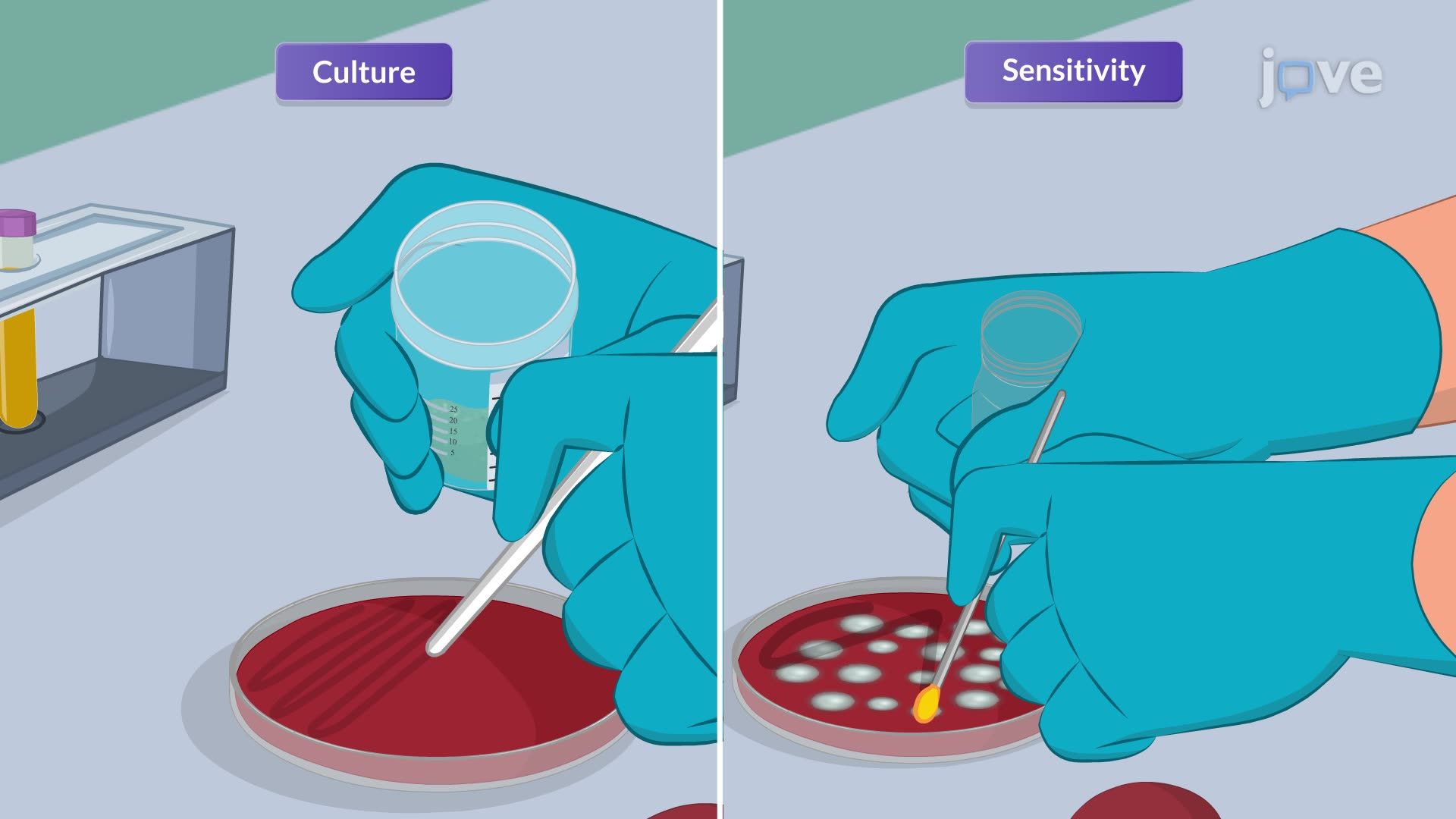
The pharmacological component involves precise antibiotic selection based on pathogen identification and susceptibility testing. First-line agents like vancomycin target gram-positive organisms, while ceftriaxone effectively treats gram-negative bacteria. Treatment duration typically spans 4-6 weeks, with dosing protocols carefully monitored through therapeutic drug monitoring. US medical schools, including Harvard Medical School and Stanford School of Medicine, emphasize the importance of culture-guided therapy in their clinical rotations, as empirical treatment can lead to resistance development and treatment failure.
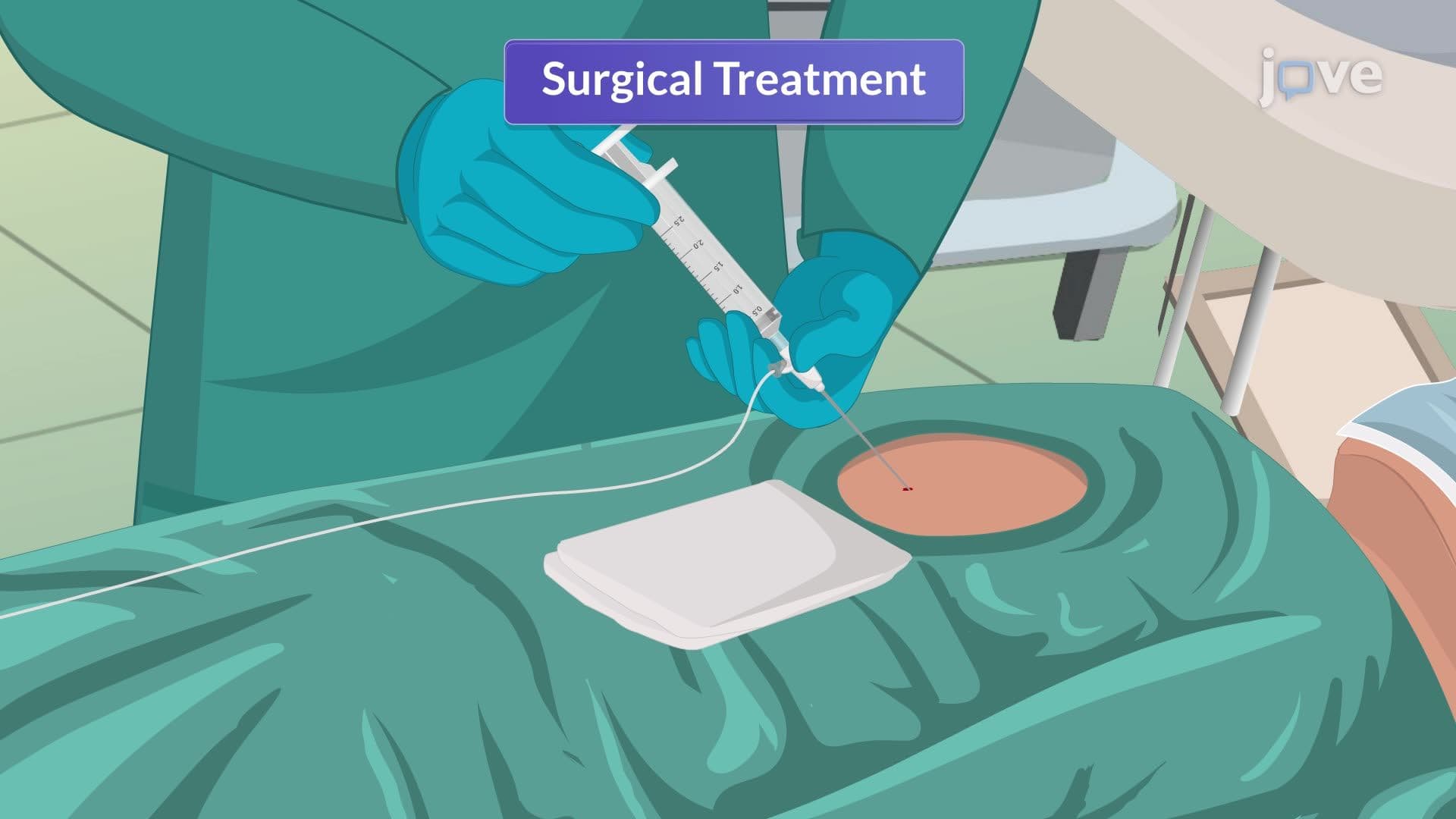
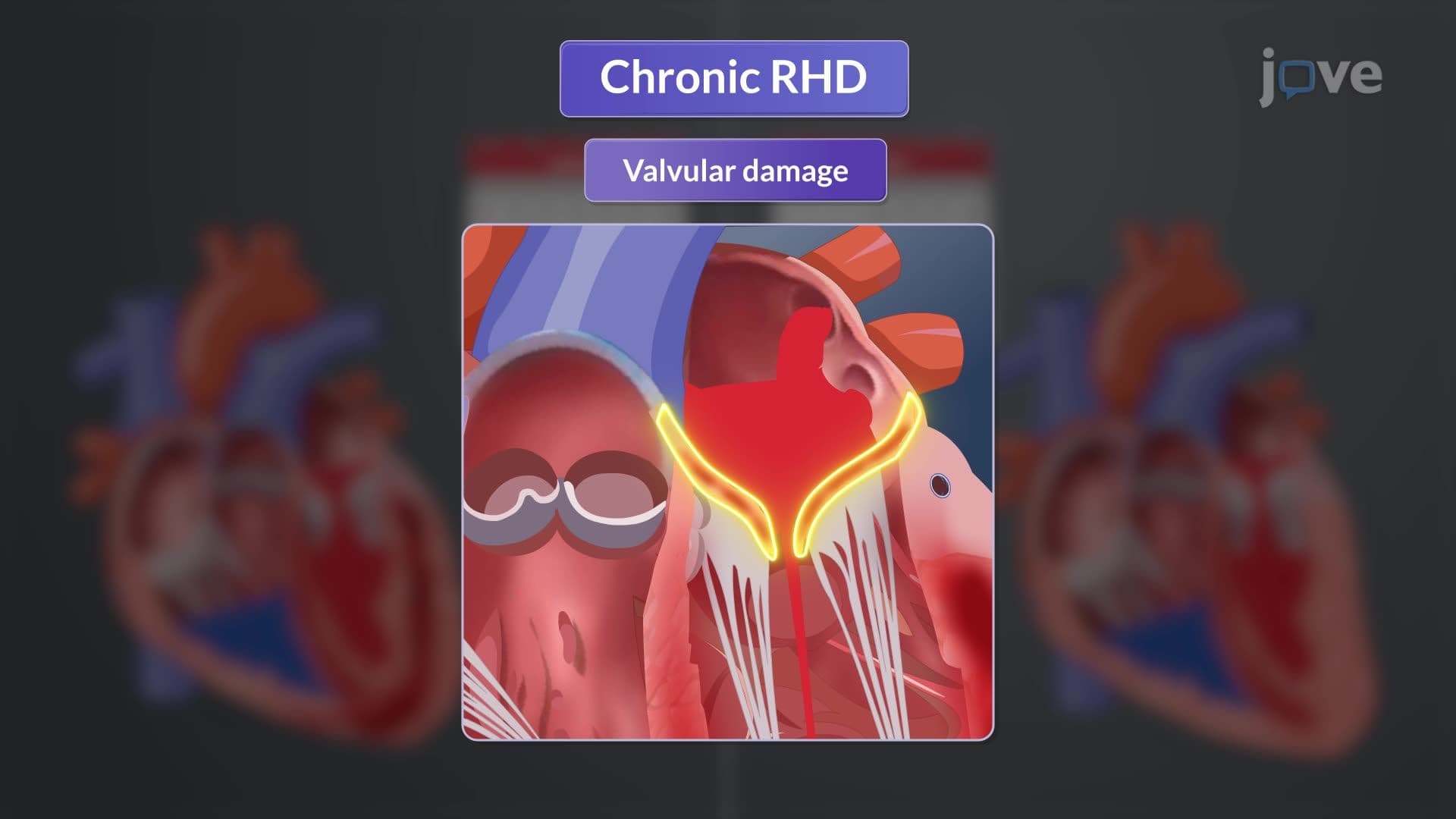
Advanced cases requiring surgical management include fungal endocarditis, prosthetic valve infections, severe heart failure secondary to valve dysfunction, or large vegetations (>10mm) with high embolic risk. Cardiac surgeons at institutions like Texas Heart Institute perform valve replacement procedures, often combining surgery with prolonged antibiotic therapy. This integrated approach appears frequently in USMLE Step 2 clinical scenarios and NCLEX-RN cardiovascular questions, requiring students to understand indications for surgical versus medical management.
Related Micro-courses