Loading subject page…


1,657 views


Video Summary: What Is Endocarditis Iv Nursing Management
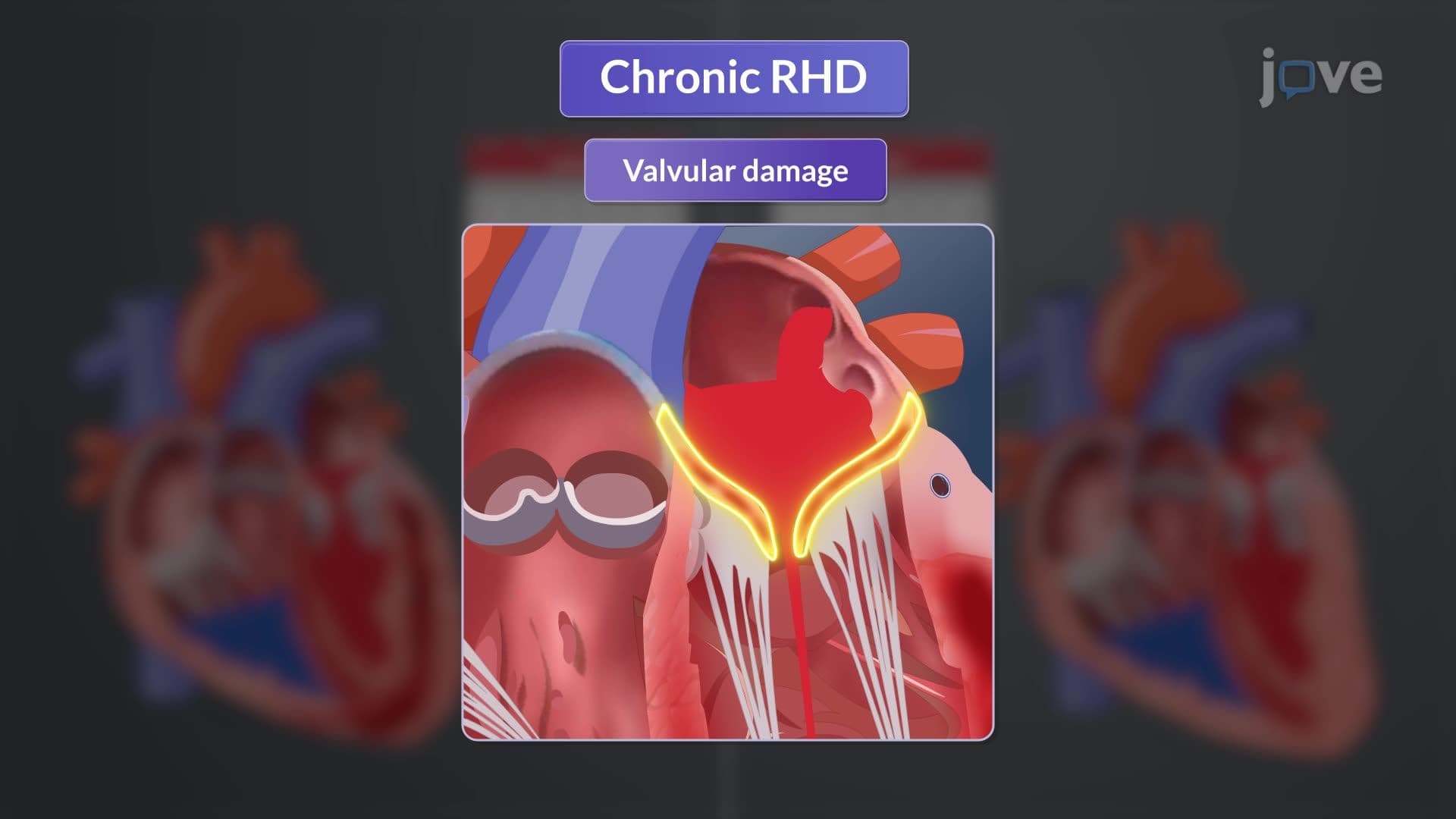
Did you know that a single infected tooth can lead to life-threatening heart valve damage? Endocarditis IV nursing management involves the specialized care of patients receiving intravenous antibiotic therapy for heart valve infections. At facilities like Johns Hopkins Hospital, nurses monitor cardiac function, manage IV access devices, and prevent complications during the weeks-long treatment process. Understanding what is endocarditis IV nursing management is crucial for nursing students preparing for clinical rotations in cardiac care units. Watch the full video on JoVE Coach to master this concept with expert-led visuals and step-by-step explanations.
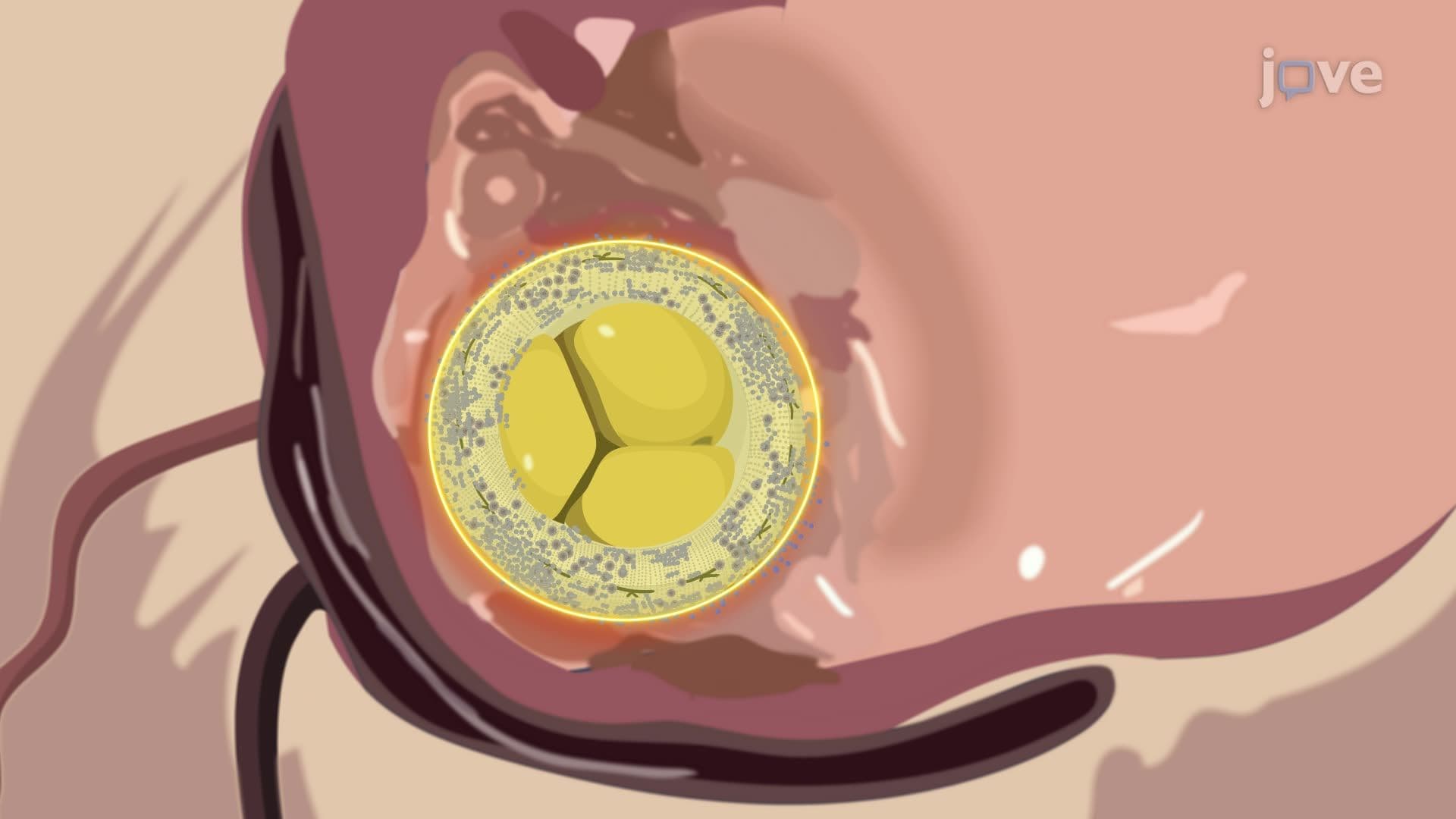
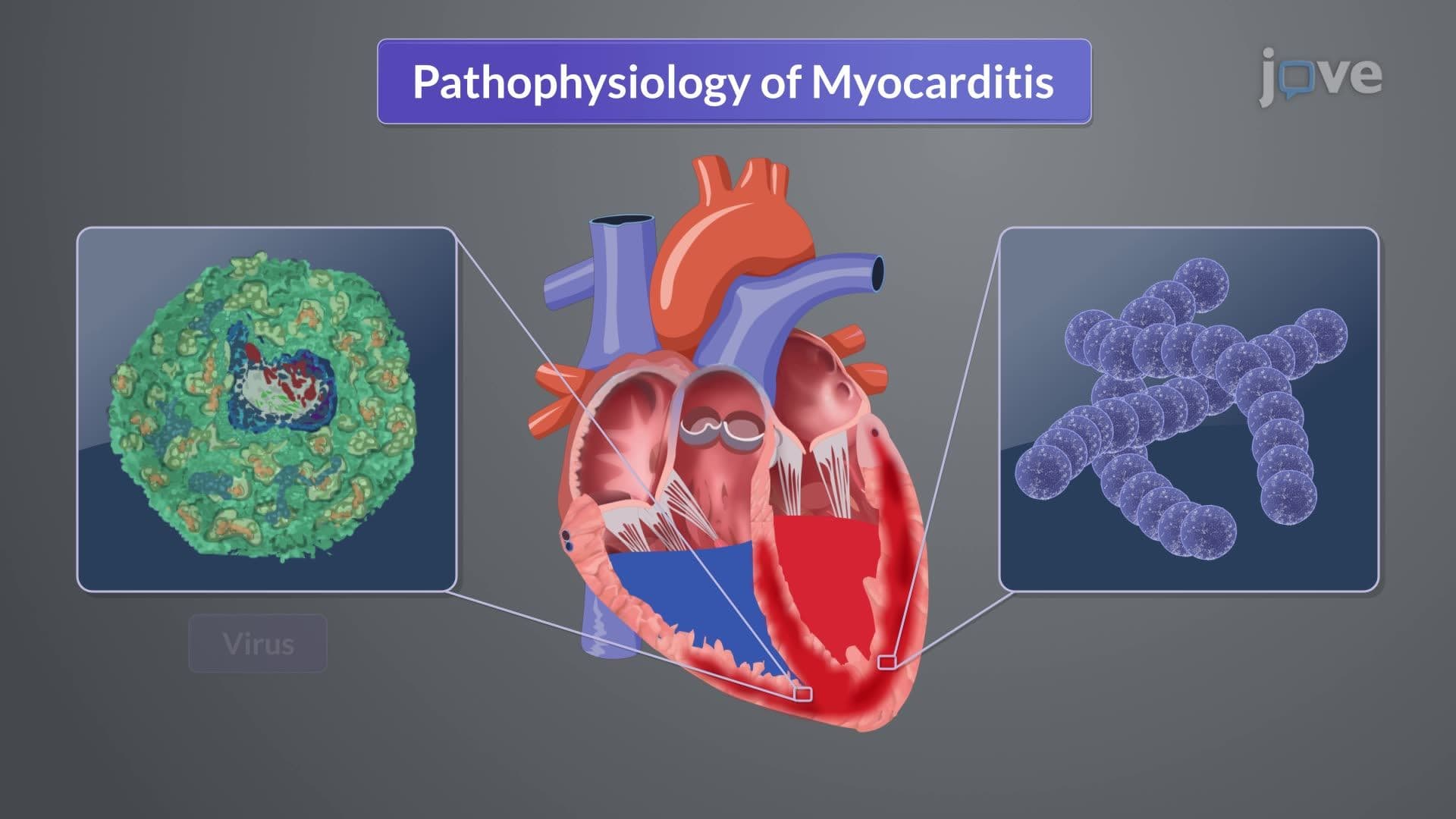
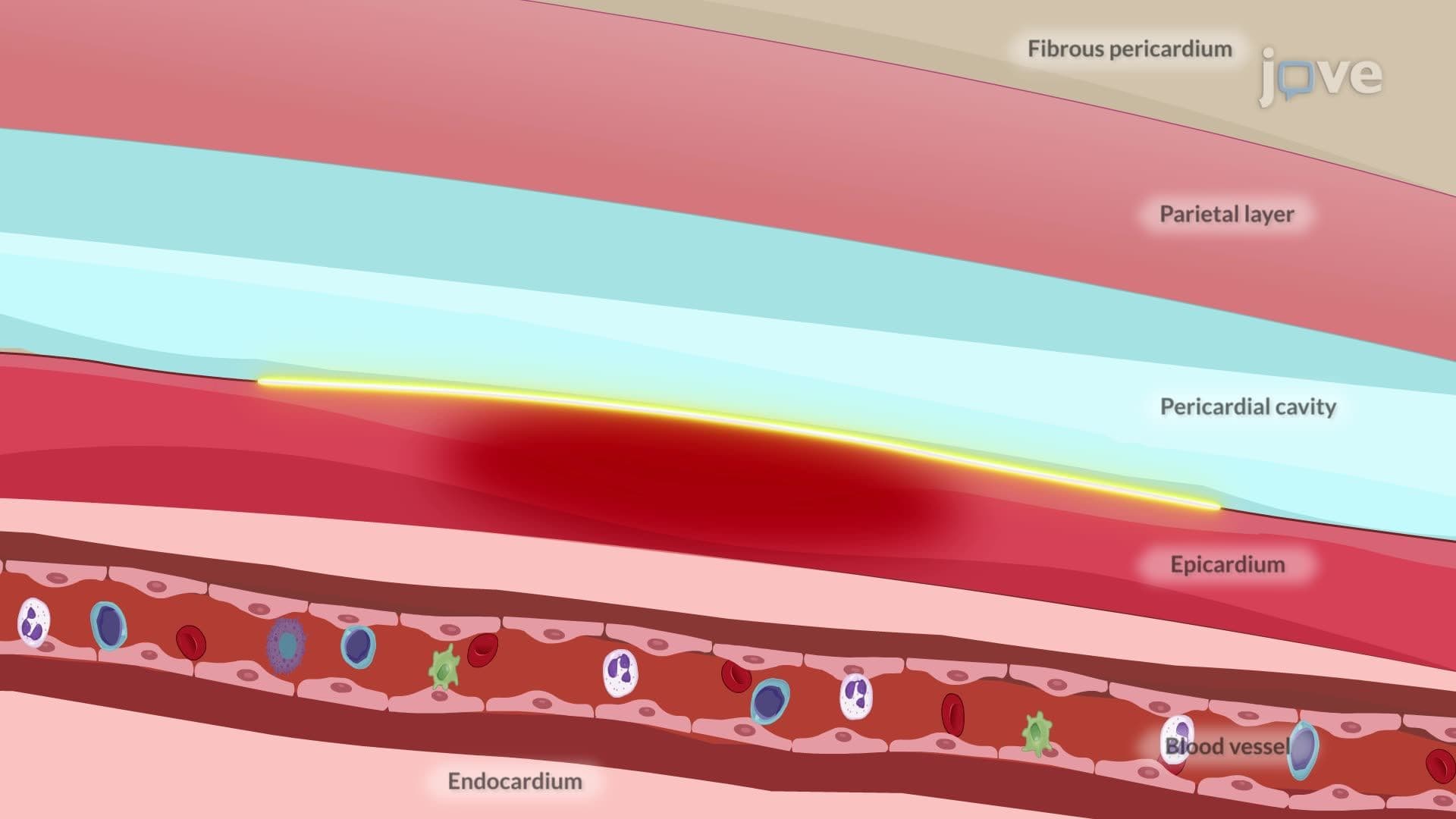
Endocarditis IV nursing management represents a specialized area of cardiac nursing focused on patients with infected heart valves requiring prolonged intravenous antibiotic therapy. This condition, often caused by bacteria like *Staphylococcus aureus* or *Streptococcus viridans*, demands meticulous nursing care to prevent complications and promote healing. The management process typically spans 4-6 weeks, making it one of the longest antibiotic treatment regimens in clinical practice.
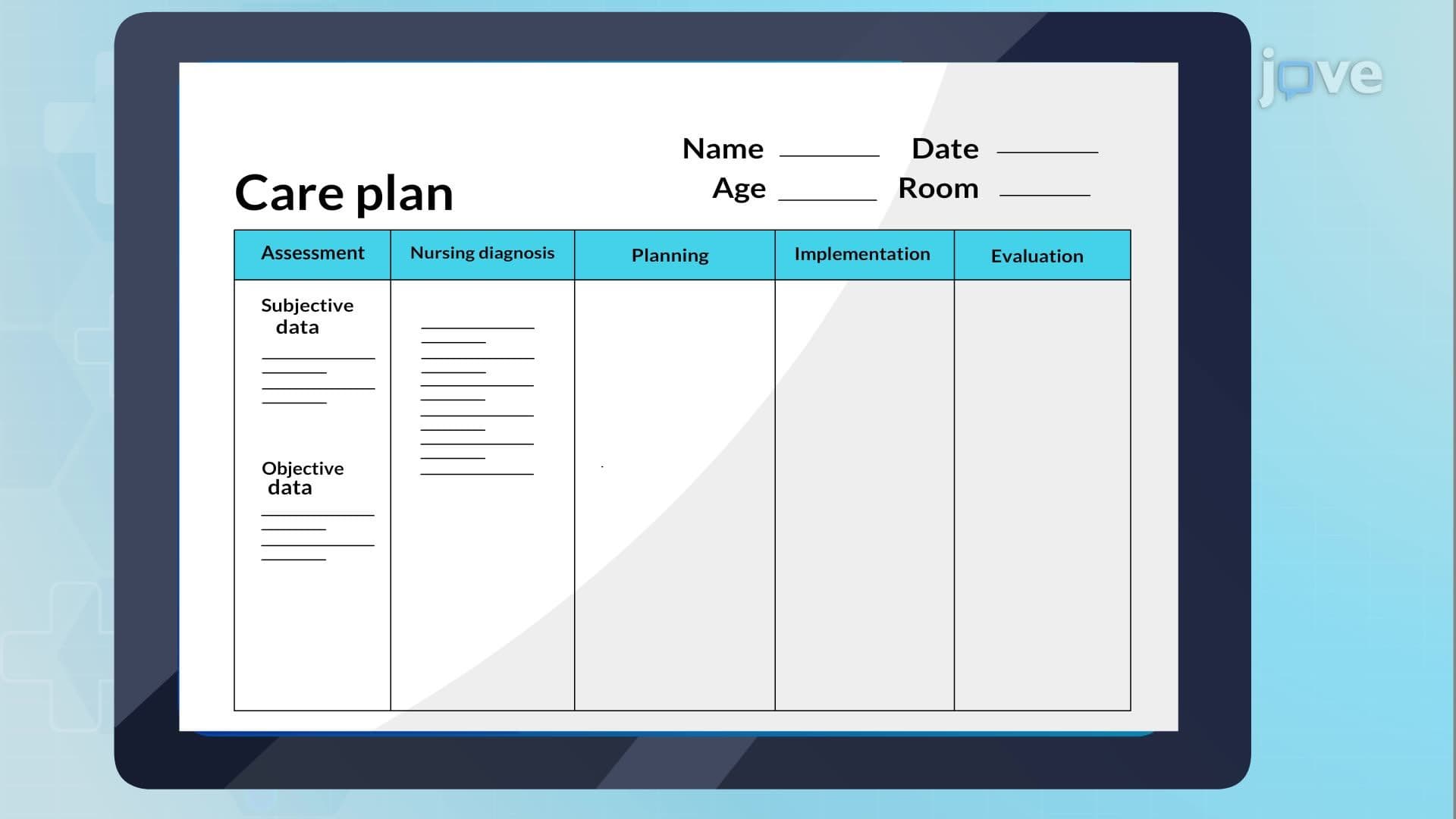
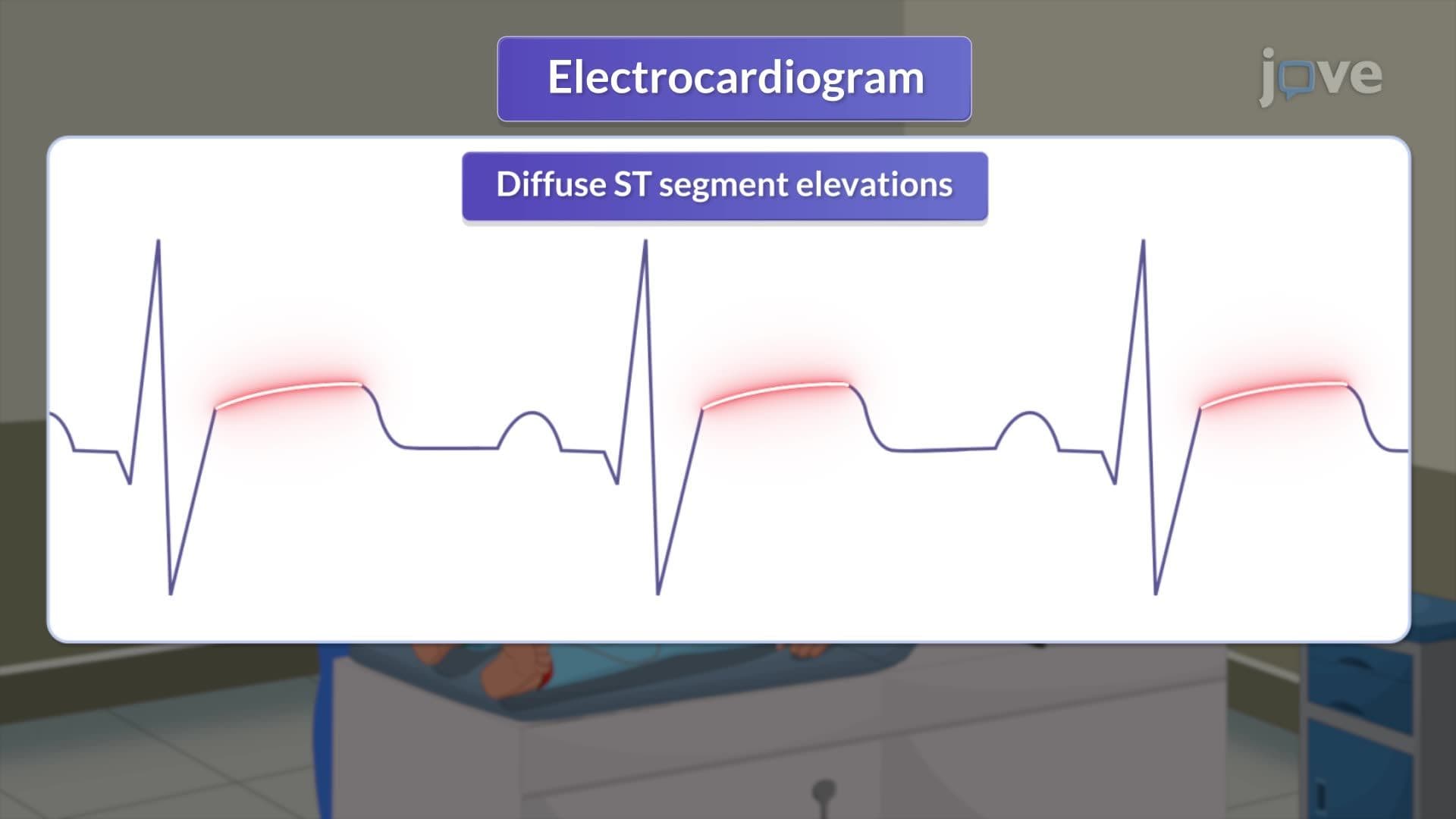
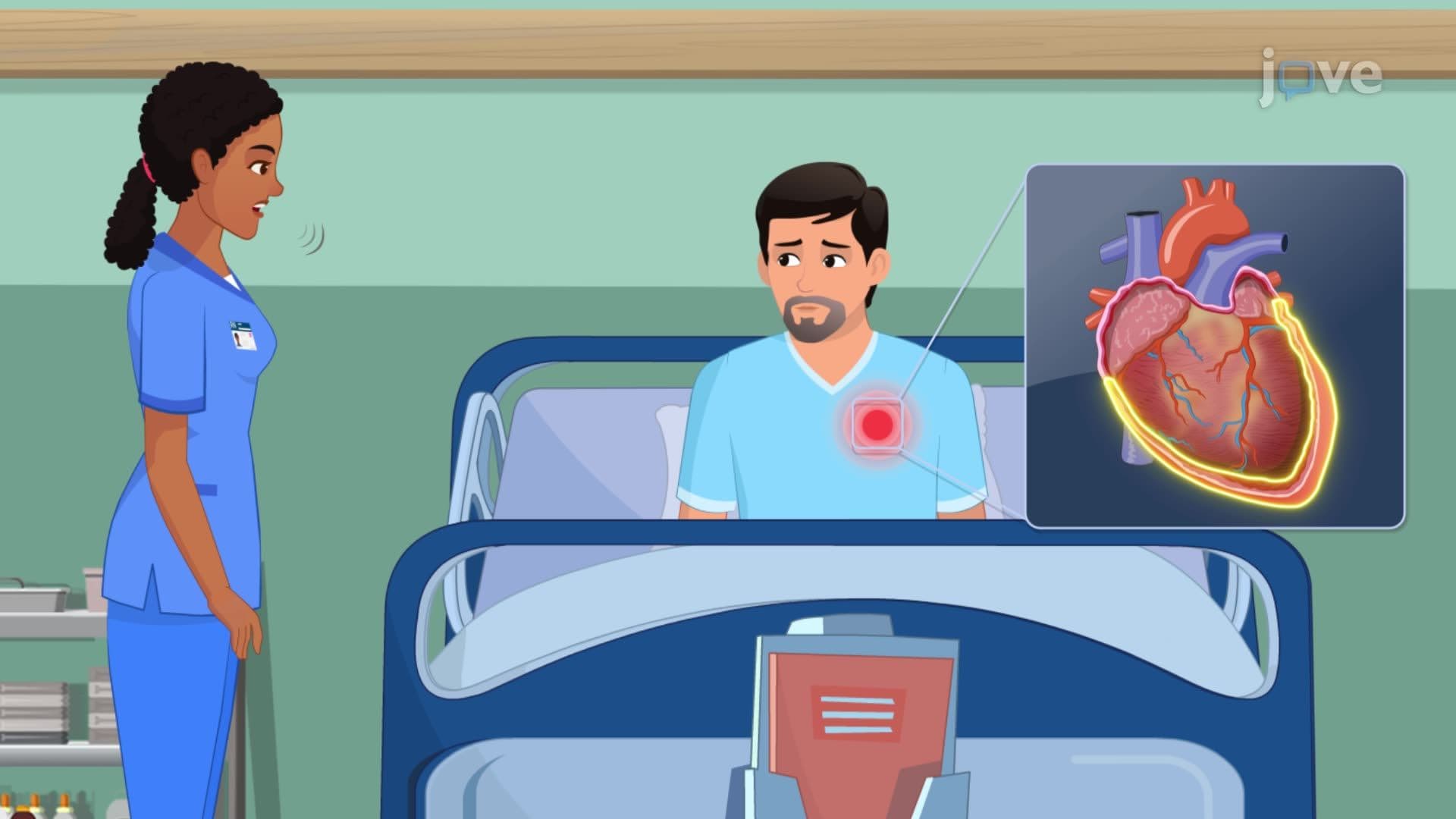
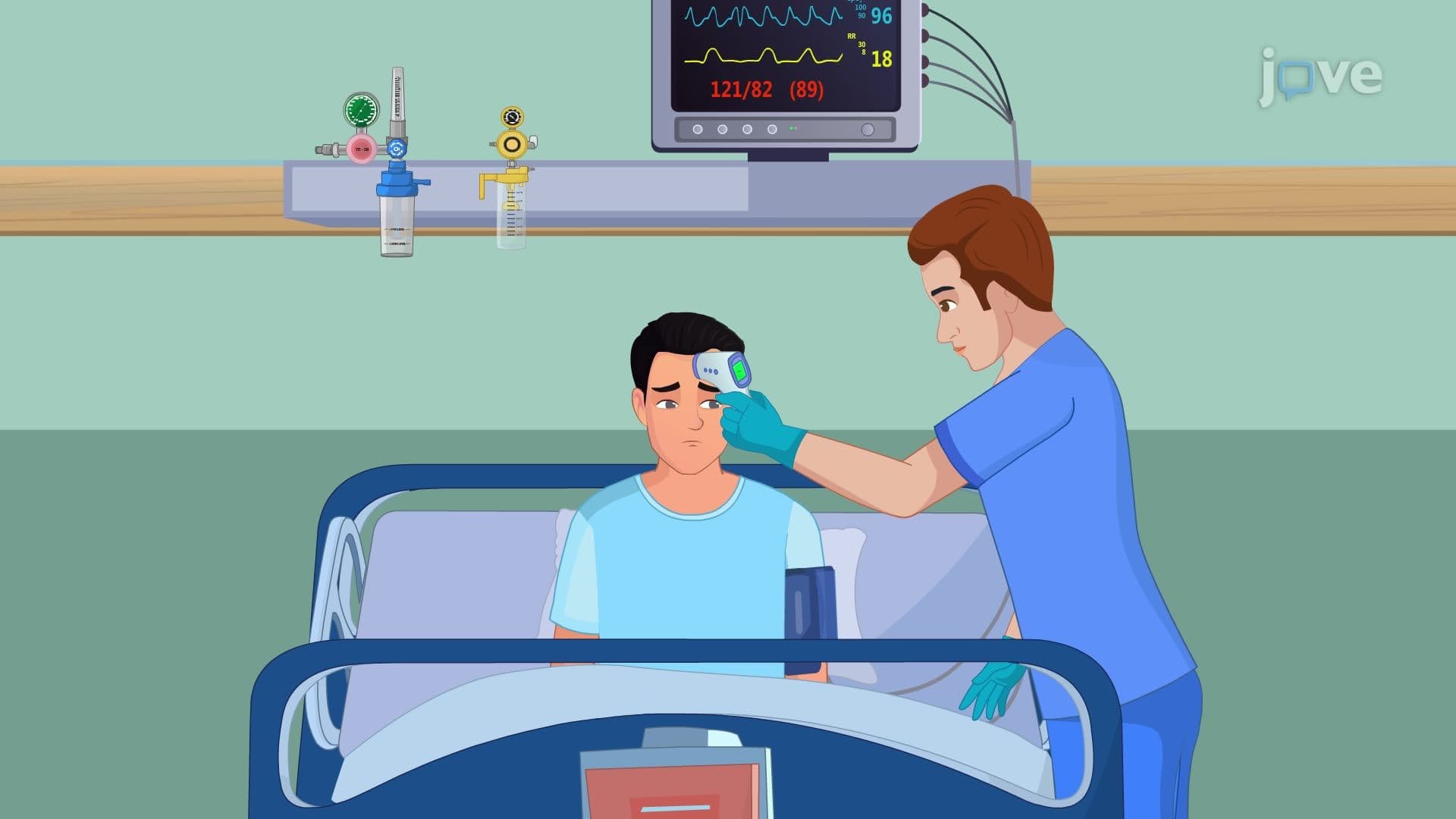
Comprehensive assessment forms the cornerstone of effective endocarditis nursing management. Nurses must recognize classic signs including fever patterns, new or changing heart murmurs, and pathognomonic skin findings. Osler's nodes (painful nodules on fingers and toes) and Janeway lesions (painless patches on palms and soles) represent embolic phenomena that can indicate disease severity. At major teaching hospitals like Cleveland Clinic, nurses document these findings systematically to track treatment response and identify complications early.
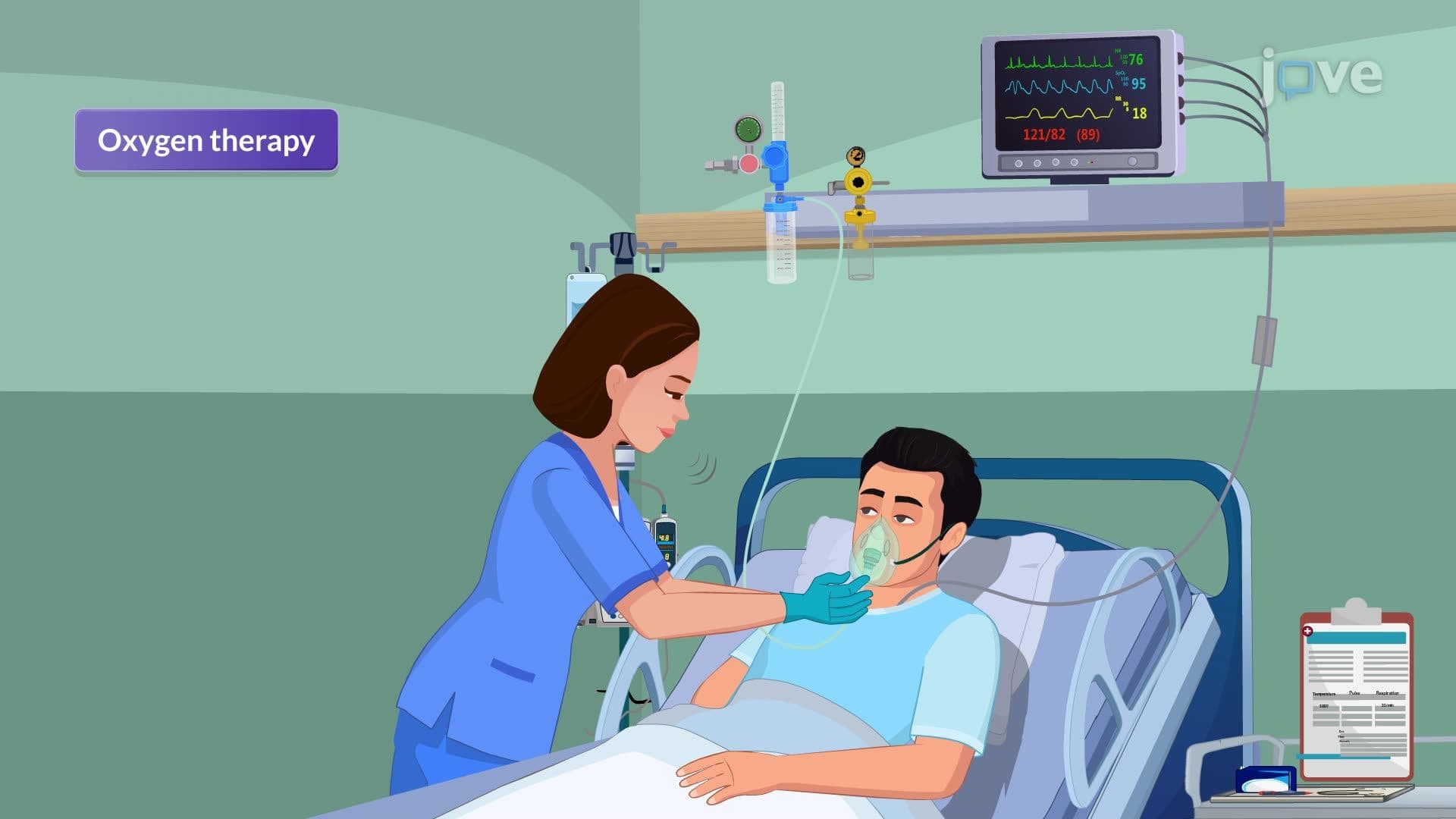
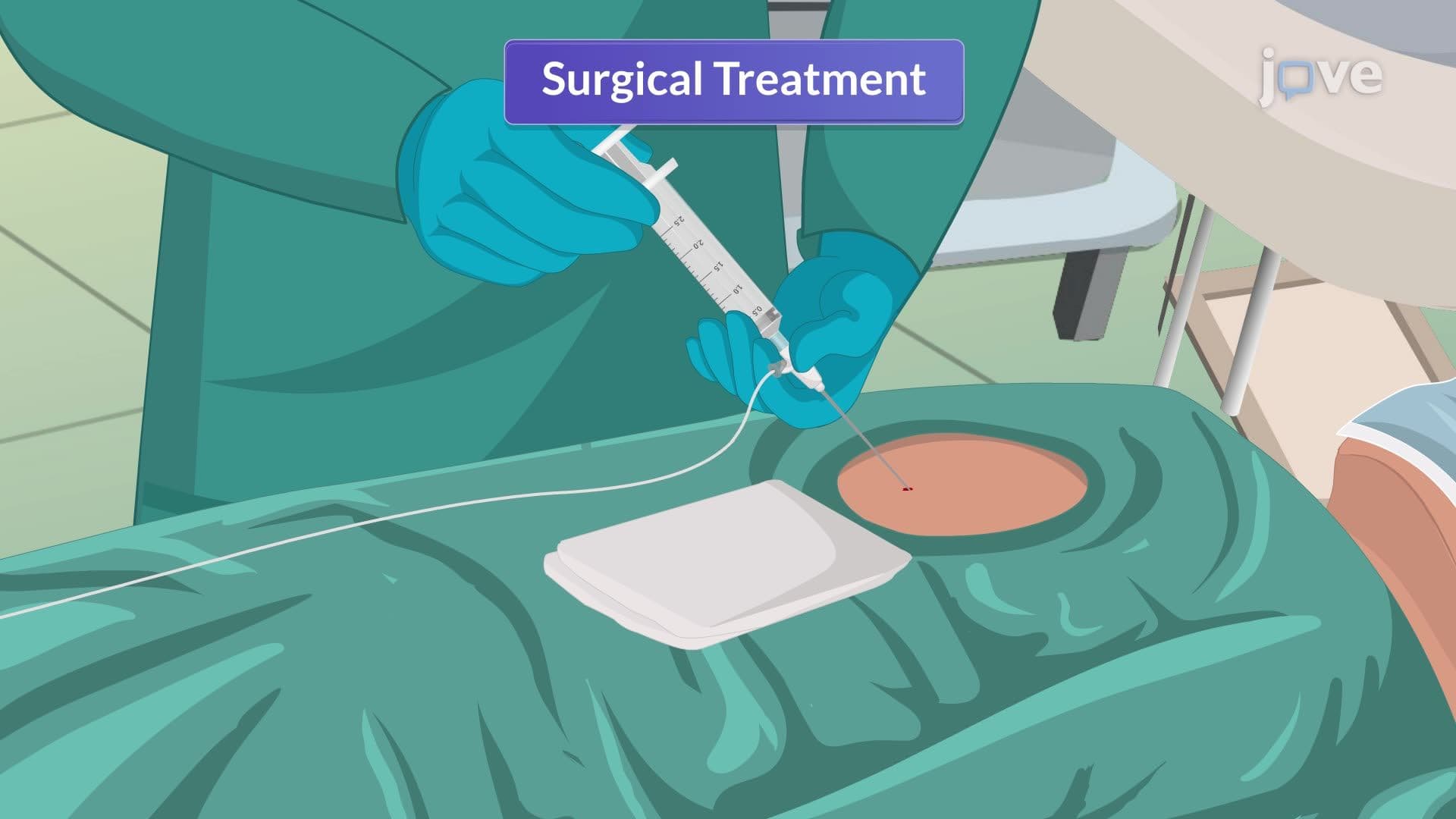
Long-term IV antibiotic therapy necessitates reliable vascular access, typically through peripherally inserted central catheters (PICC lines) or central venous catheters. Nurses must maintain these devices according to strict protocols to prevent catheter-related bloodstream infections. This includes daily assessment for signs of infection, proper dressing changes, and blood sampling techniques. The high-dose, prolonged nature of endocarditis antibiotic therapy (often including vancomycin or ampicillin) requires careful monitoring for drug-related adverse effects and therapeutic drug levels.
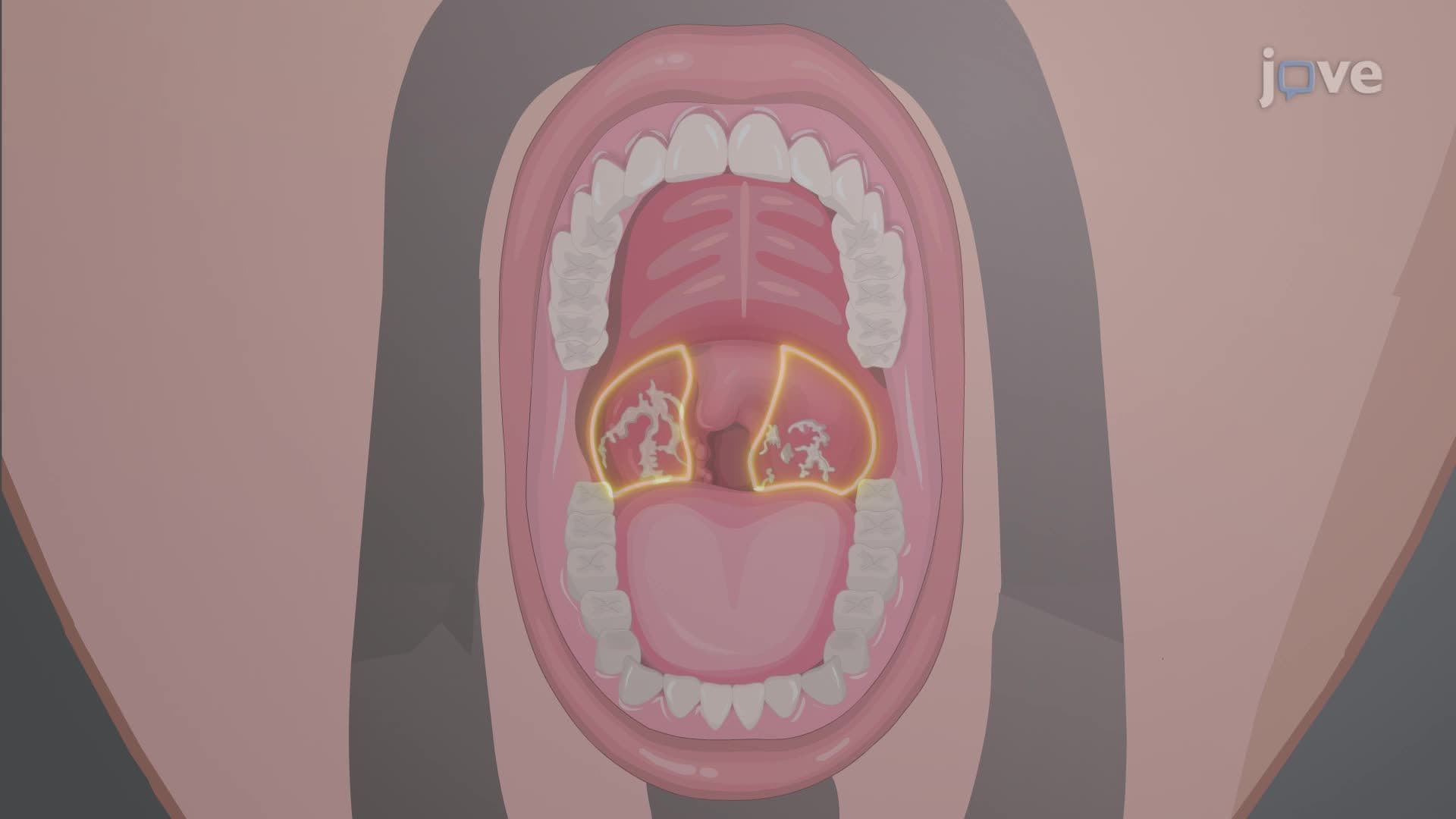
Successful endocarditis management extends beyond the hospital setting. Nurses educate patients about infection prevention strategies, emphasizing dental hygiene since poor oral health contributes to 15-20% of endocarditis cases. Students preparing for the NCLEX-RN should understand that discharge planning includes coordinating home health services, as many patients complete their antibiotic course at home. This transition requires careful instruction about PICC line care, activity restrictions, and when to seek immediate medical attention.
Related Micro-courses