Loading subject page…

1,657 views

Video Summary: What Is Myocarditis I Introduction
Did you know that myocarditis can develop after seemingly harmless viral infections, sometimes leading to sudden cardiac death in young athletes? Myocarditis I introduction covers the fundamental inflammatory condition affecting the heart's muscular layer, the myocardium. From Coxsackievirus infections seen in college dormitories to autoimmune reactions triggered by chemotherapy treatments at major US medical centers like Mayo Clinic, understanding what is myocarditis I introduction reveals how various infectious and non-infectious agents can damage heart muscle cells. Watch the full video on JoVE Coach to master this concept with expert-led visuals and step-by-step explanations.
What is myocarditis I introduction fundamentally describes an inflammatory assault on the heart's most critical component-the myocardium. This muscular layer powers every heartbeat, and when inflammation strikes, it can compromise cardiac function in ways that range from subtle to life-threatening. The myocarditis I introduction definition encompasses both the immediate inflammatory response and the complex cascade of events that can lead to long-term cardiac complications.
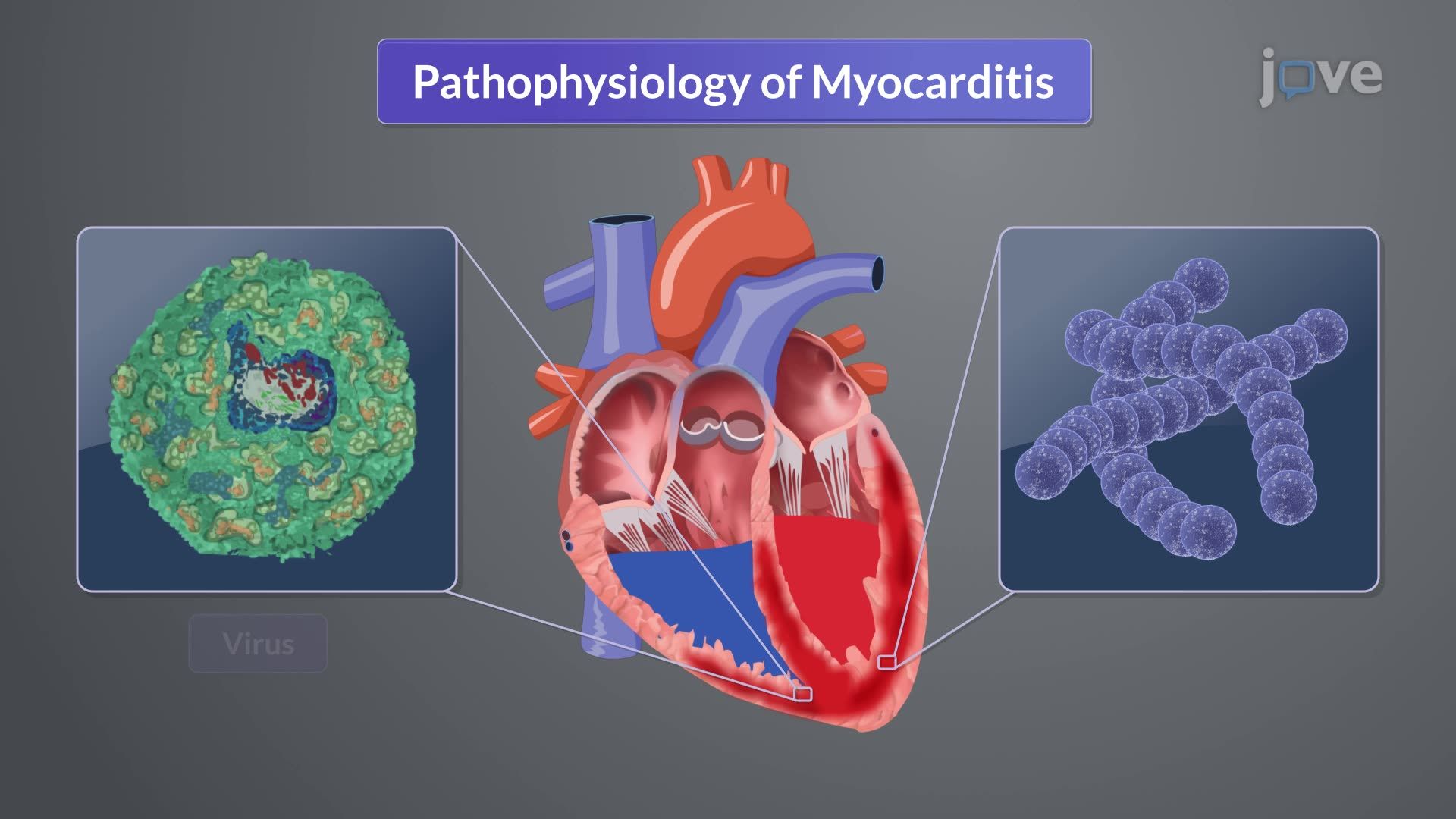
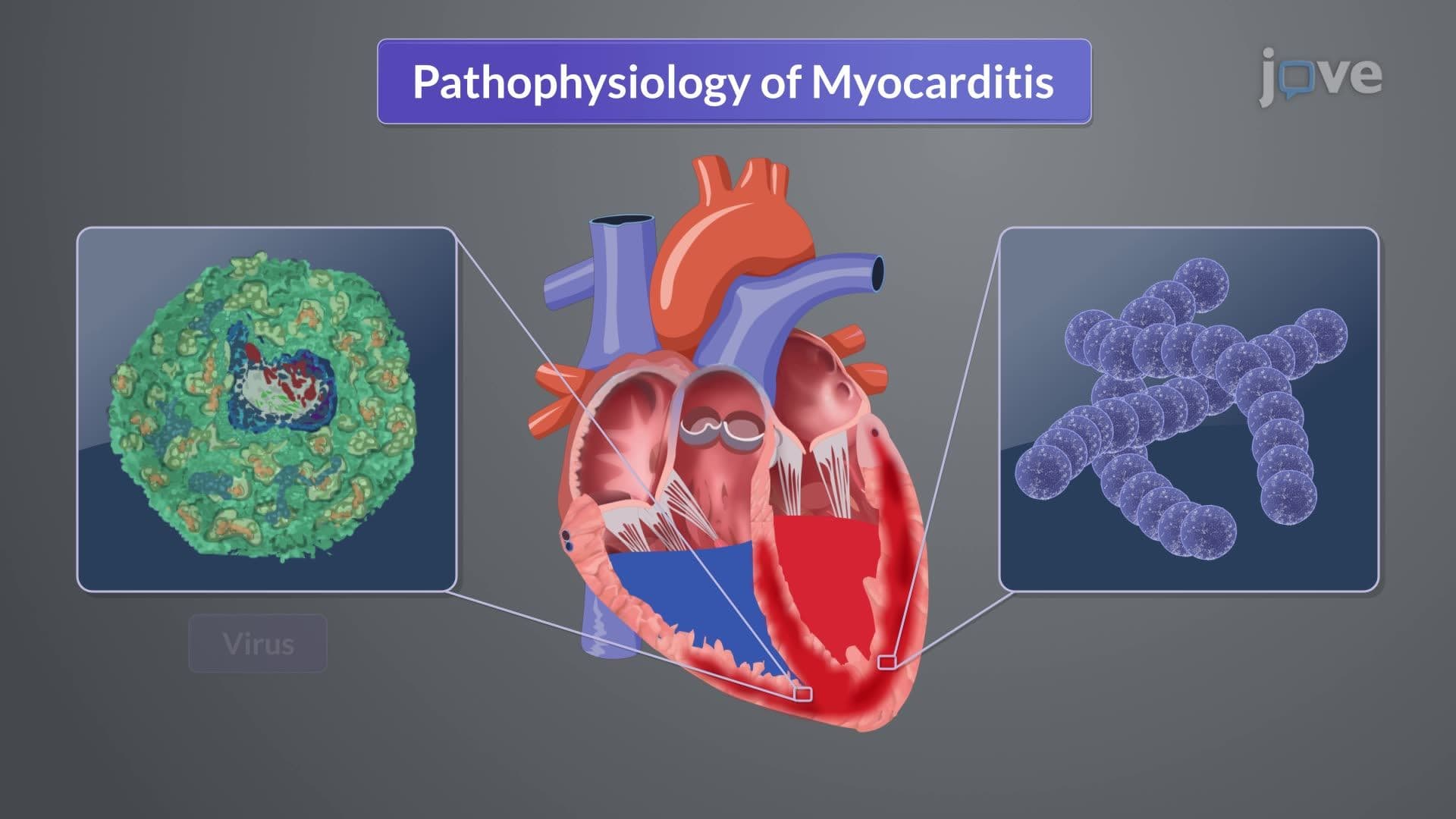
The myocarditis I introduction overview reveals a surprisingly diverse array of infectious agents capable of triggering heart inflammation. Coxsackievirus A and B represent the most common viral culprits in the United States, often spreading through schools and college campuses via respiratory droplets. These enteroviruses have been linked to outbreaks of myocarditis among student athletes, highlighting why sports medicine physicians at universities like UCLA and University of Texas closely monitor cardiac symptoms following viral illnesses.
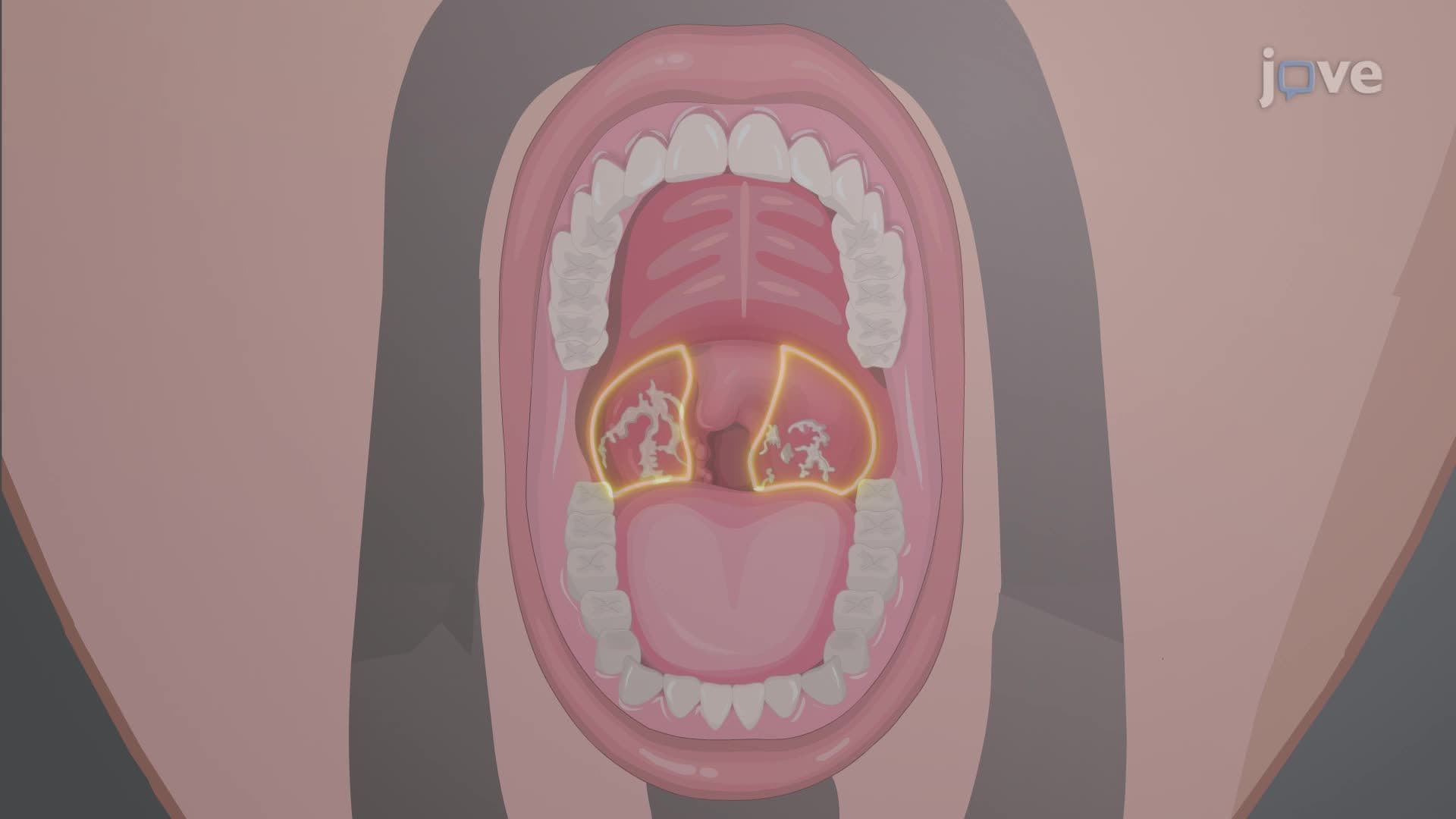
Bacterial causes include Streptococcus pyogenes, the same organism responsible for strep throat, demonstrating how seemingly minor infections can escalate into serious cardiac complications. More exotic causes like Trypanosoma cruzi (Chagas disease) are increasingly relevant in US healthcare settings due to immigration patterns, with cases now documented across Texas, California, and the Southeast.
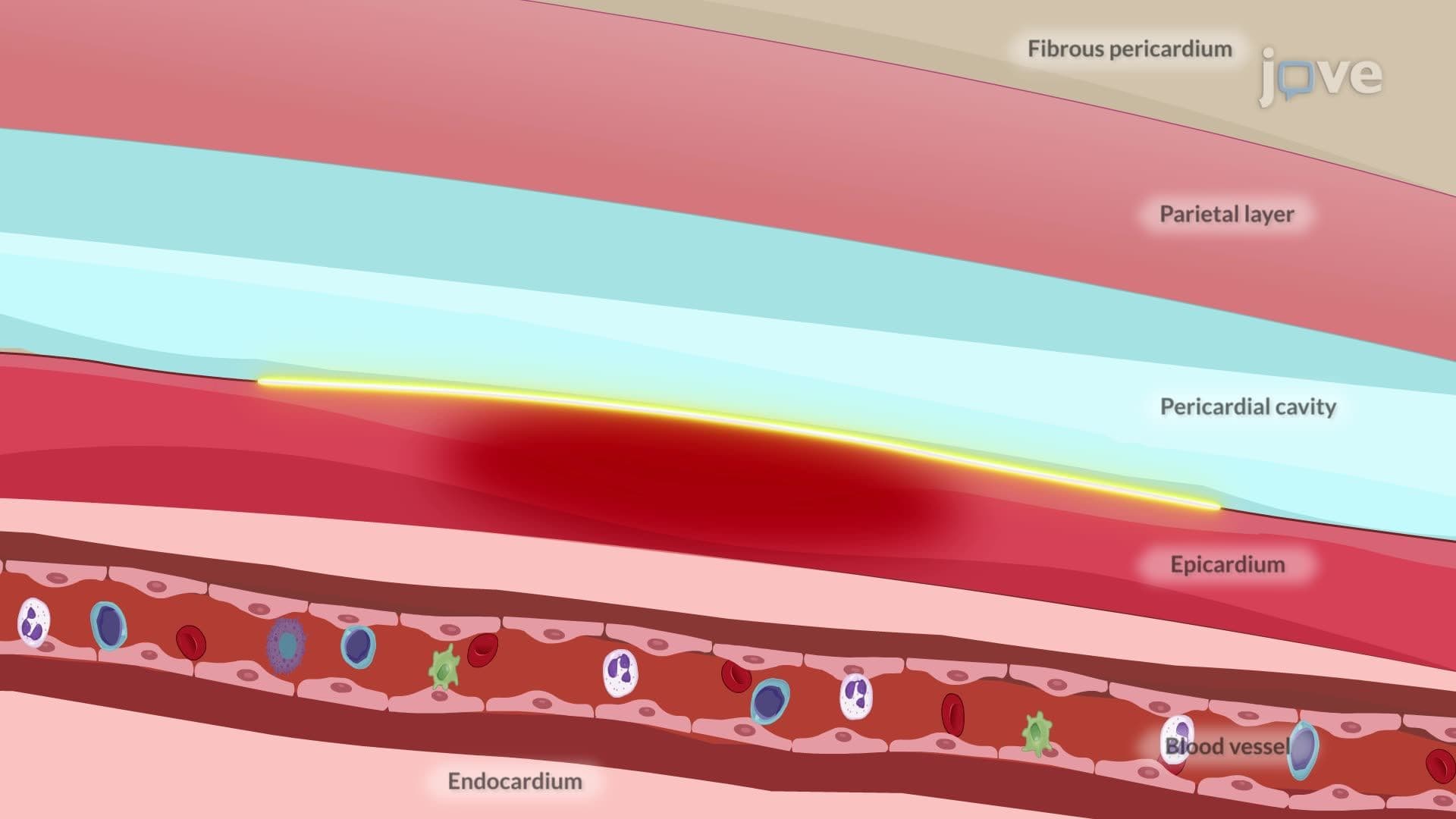
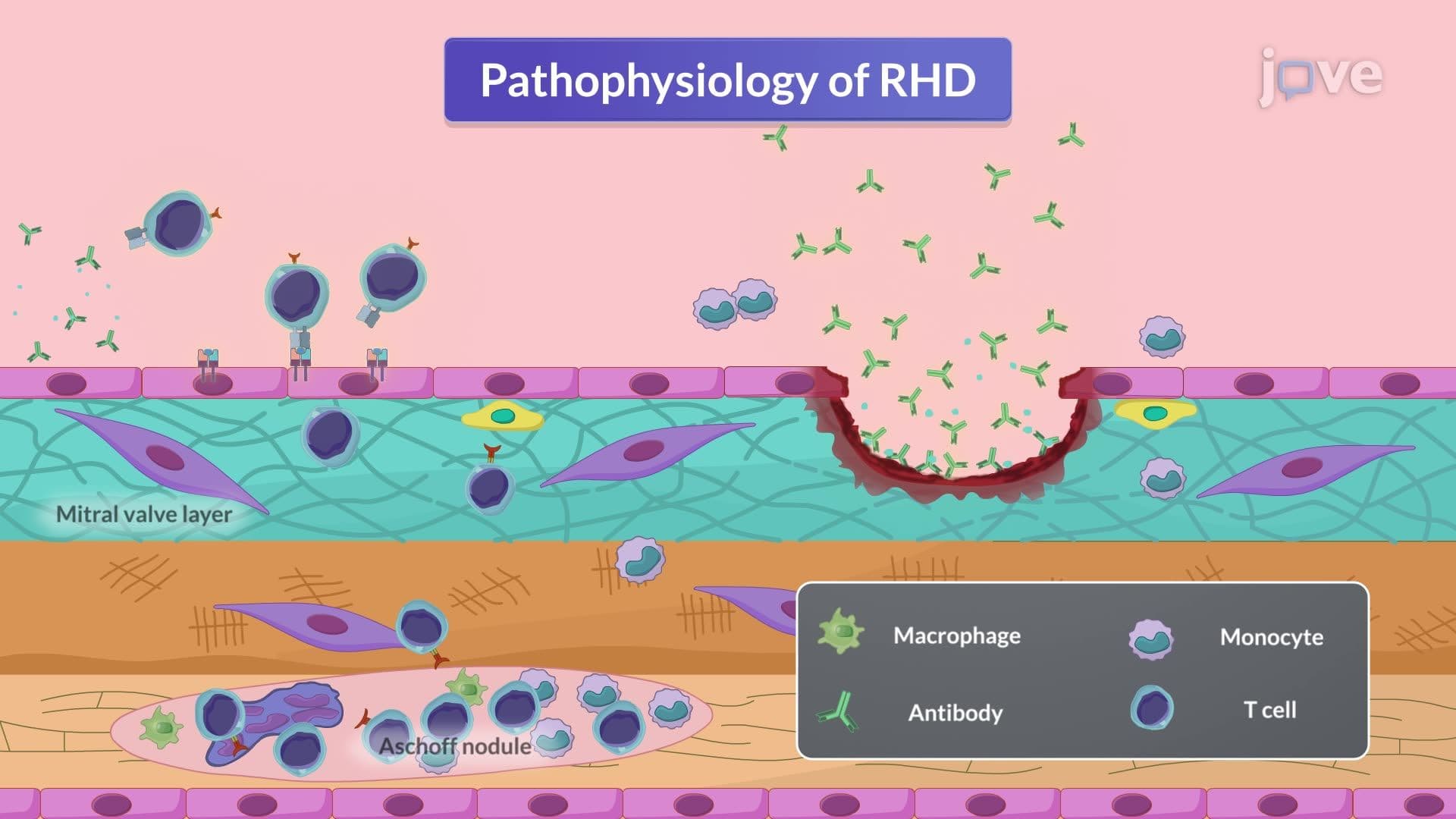
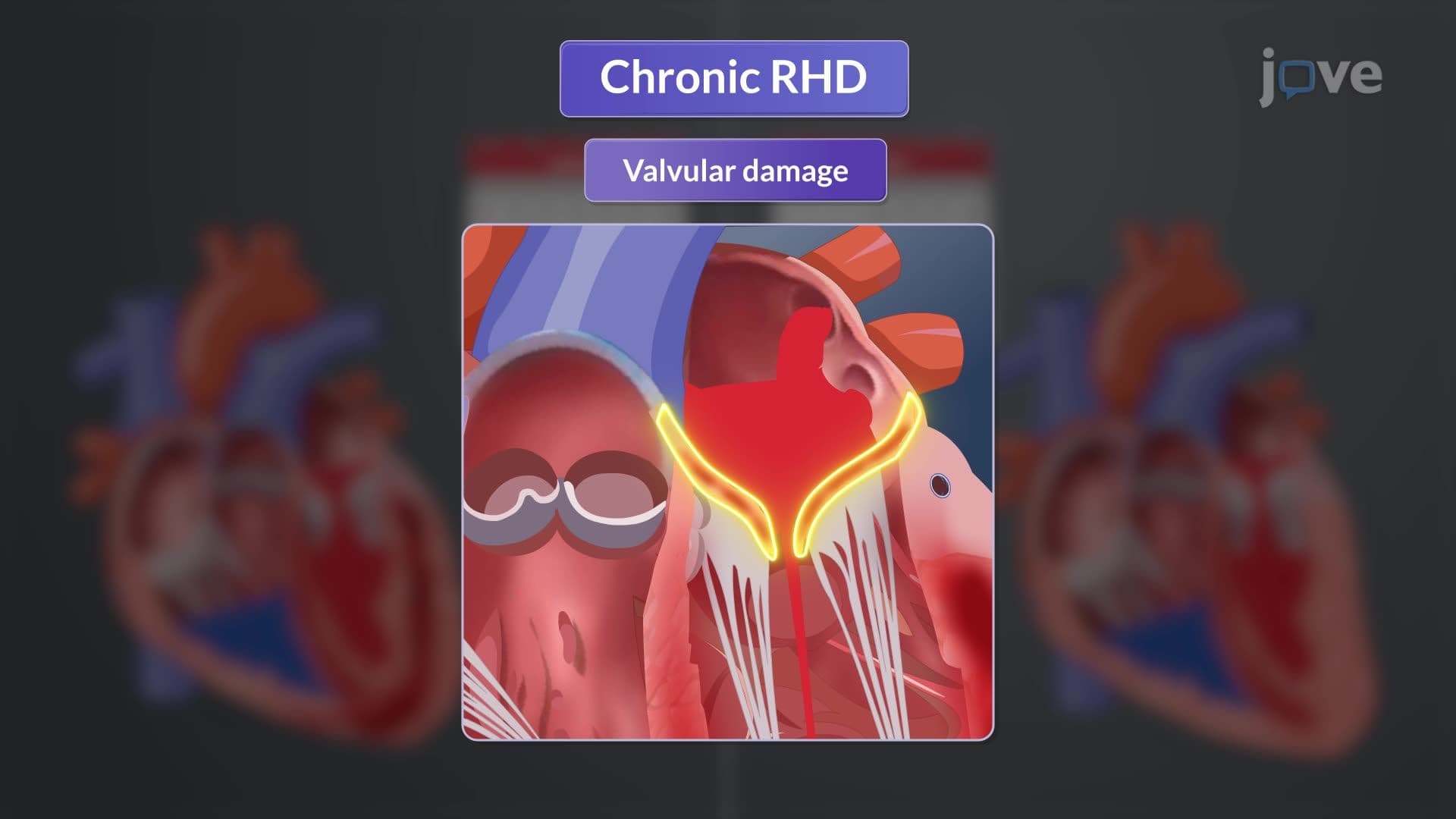
The myocarditis I introduction concept centers on a paradoxical immune response where the body's protective mechanisms become destructive forces. When infectious agents penetrate myocytes (heart muscle cells), they trigger cellular damage and necrosis. This destruction activates a robust immune response, flooding the myocardium with inflammatory cytokines and oxygen-free radicals intended to eliminate the invading pathogens.
However, this defensive strategy often backfires. The same cytokines and reactive oxygen species that target infectious agents also damage healthy myocardial tissue. This collateral damage can progress to an autoimmune phase where the immune system, now primed to attack heart tissue, continues its assault even after the original infectious trigger is eliminated.
Understanding the myocarditis I introduction basics is crucial for students pursuing healthcare careers, as this condition appears frequently on MCAT passages, USMLE Step 1 questions, and nursing board examinations like NCLEX and HESI A2. The concept integrates multiple body systems-cardiovascular, immune, and infectious disease-making it an ideal topic for demonstrating comprehensive medical knowledge.
For AP Biology students, myocarditis exemplifies how pathogen-host interactions can trigger autoimmune responses, while pre-med students will encounter this concept extensively in pathophysiology courses at institutions like Johns Hopkins, Harvard Medical School, and UCSF.
Related Micro-courses