Loading video…


 16 Concepts
 1.7K views

Video Summary: What Is Myocarditis Iii Medical Management
When a 19-year-old college basketball player suddenly collapses during practice due to heart inflammation, understanding myocarditis III medical management becomes critical for their survival and recovery. This comprehensive treatment approach involves antimicrobial therapy, supportive care measures, and advanced cardiac interventions to address severe myocardial inflammation. At Johns Hopkins Hospital, cardiologists routinely implement these evidence-based protocols to manage patients with acute myocarditis complications. What is Myocarditis III Medical Management encompasses everything from basic oxygen therapy to life-saving ventricular assist devices. Watch the full video on JoVE Coach to master this concept with expert-led visuals and step-by-step explanations.
What is Myocarditis III Medical Management represents a systematic, multi-faceted approach to treating severe myocardial inflammation that threatens cardiac function and patient survival. This advanced treatment protocol addresses both the underlying causes and the resulting cardiac complications through evidence-based interventions used in major US medical centers like the Mayo Clinic and Cleveland Clinic.
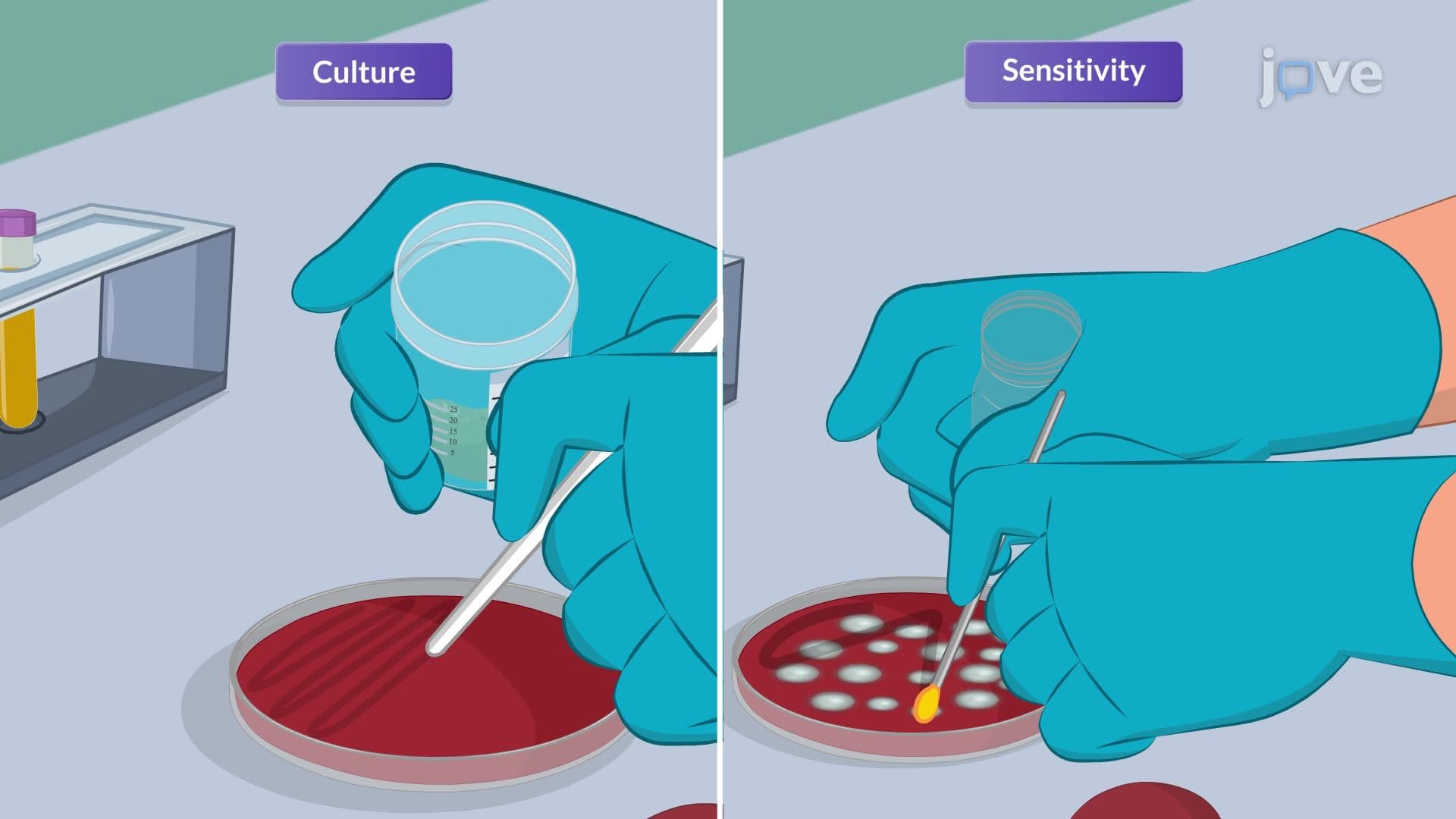
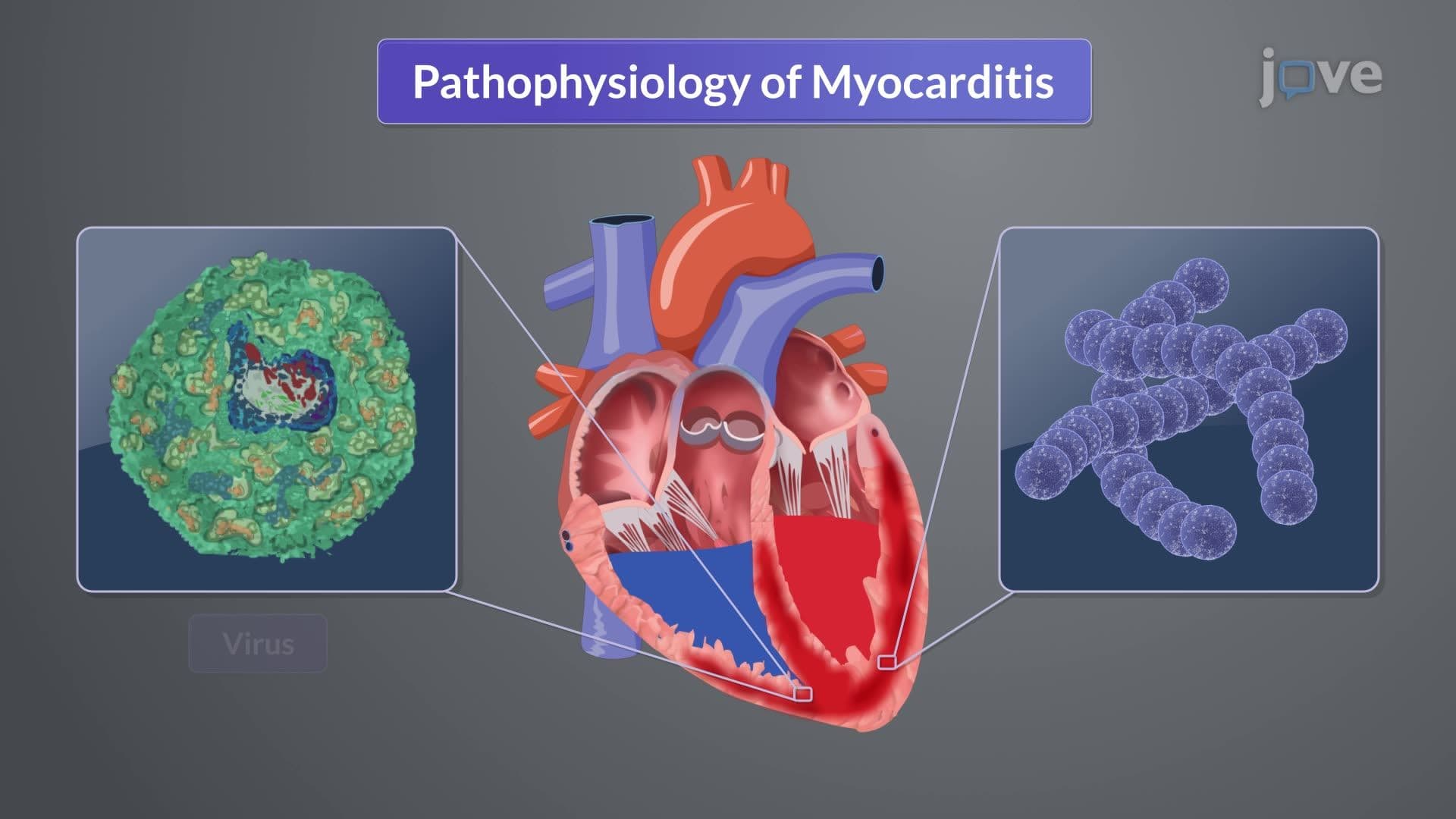
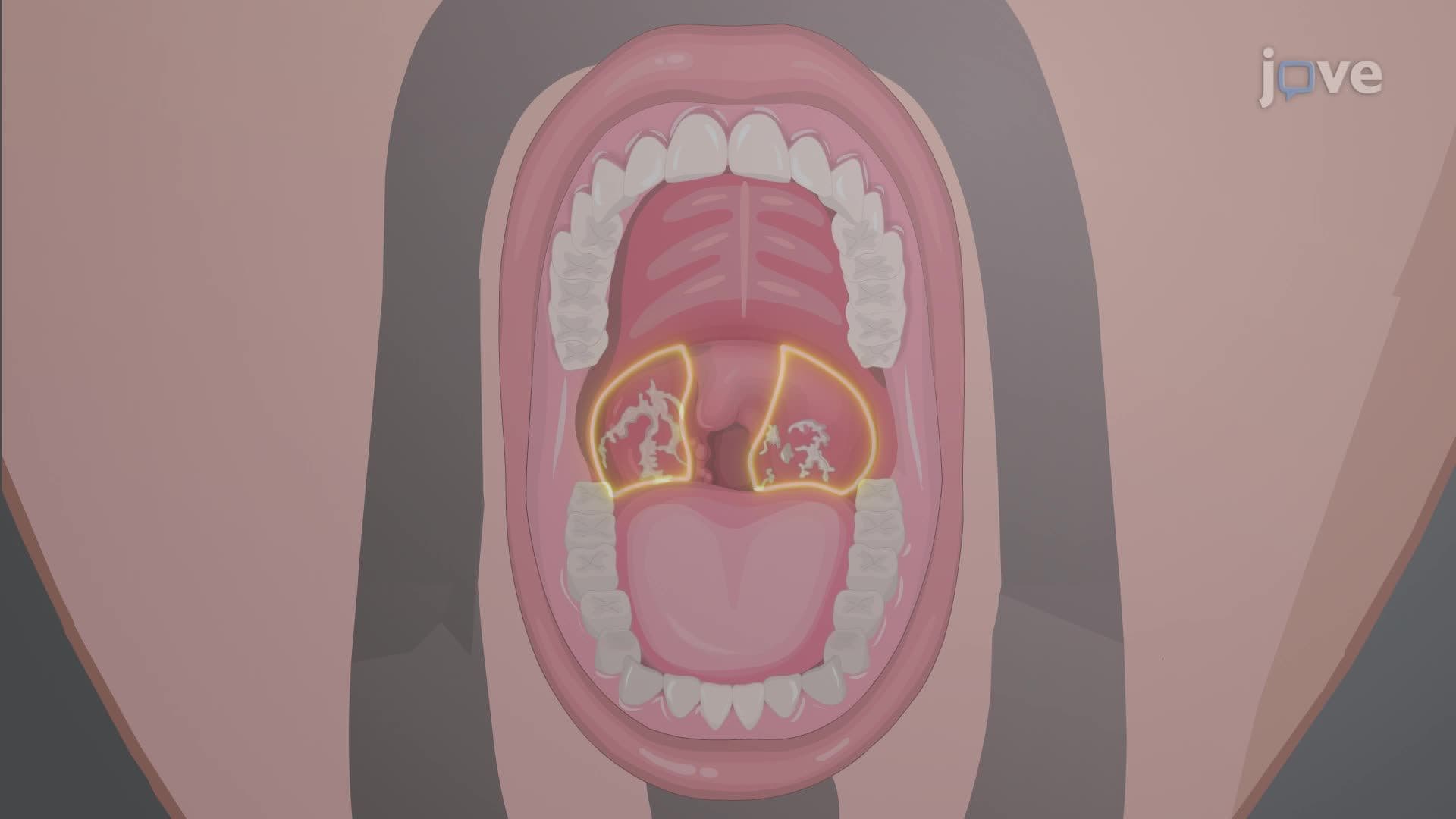
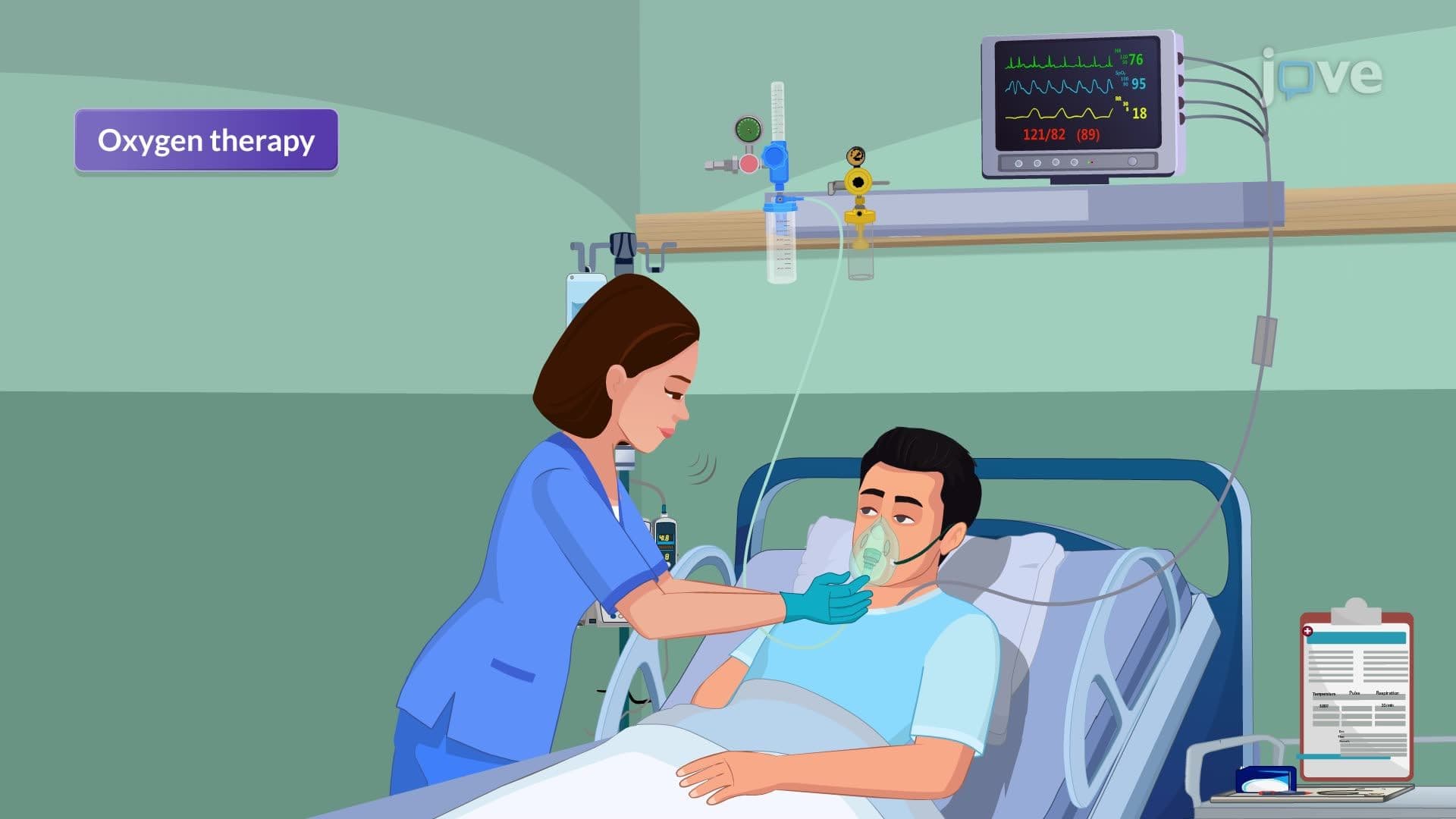
The foundation of myocarditis III medical management begins with targeted antimicrobial therapy when bacterial infections are identified. Penicillin remains the gold standard for treating Group A Streptococcus pyogenes-induced myocarditis, commonly seen in cases following streptococcal pharyngitis. Supportive care measures form the cornerstone of treatment, including supplemental oxygen to improve tissue perfusion and strict bed rest to minimize cardiac oxygen demand. The mandatory six-month restriction from physical activities-including sports participation-prevents sudden cardiac death, a concern that led to the implementation of cardiac screening protocols in NCAA athletics.
Heart failure symptoms require aggressive pharmacological intervention using ACE inhibitors like lisinopril to reduce cardiac remodeling and improve long-term outcomes. Beta-blockers such as metoprolol provide dual benefits: controlling heart failure symptoms while reducing arrhythmia risk. Diuretics, particularly furosemide, help manage fluid overload and reduce preload, decreasing cardiac workload. In hemodynamically stable patients, vasodilators like nitroprusside and the phosphodiesterase inhibitor milrinone improve cardiac output by reducing afterload. Digoxin, while used cautiously due to its narrow therapeutic window, enhances contractility in selected patients.
Patients with reduced ejection fraction below 35% require anticoagulation therapy with warfarin or newer direct oral anticoagulants to prevent thromboembolism-a major cause of morbidity in myocarditis patients. For cases progressing to cardiogenic shock, mechanical circulatory support becomes essential. Intra-aortic balloon pump (IABP) therapy provides temporary hemodynamic support, while ventricular assist devices (VADs) serve as bridges to recovery or transplantation. These interventions, commonly employed at advanced heart failure centers like those at Stanford and Duke Universities, can be life-saving in fulminant myocarditis cases.
This comprehensive approach to myocarditis III medical management appears frequently on MCAT cardiology sections and advanced pathophysiology exams in nursing and medical programs, emphasizing the critical decision-making process in acute cardiac care.
Related Micro-courses