Loading video…

 16 Concepts
 1.7K views

Video Summary: What Is Myocarditis Iv Nursing Management
Did you know that myocarditis affects over 22 cases per 100,000 people annually in the United States, yet many nurses feel unprepared to manage these complex cardiac patients? Myocarditis IV nursing management involves systematic assessment, diagnosis, and intervention strategies to support patients with inflamed heart muscle tissue. Consider a 19-year-old college athlete at UCLA who develops chest pain and fatigue after a viral infection, proper nursing management could be life-saving. Watch the full video on JoVE Coach to master this concept with expert-led visuals and step-by-step explanations.
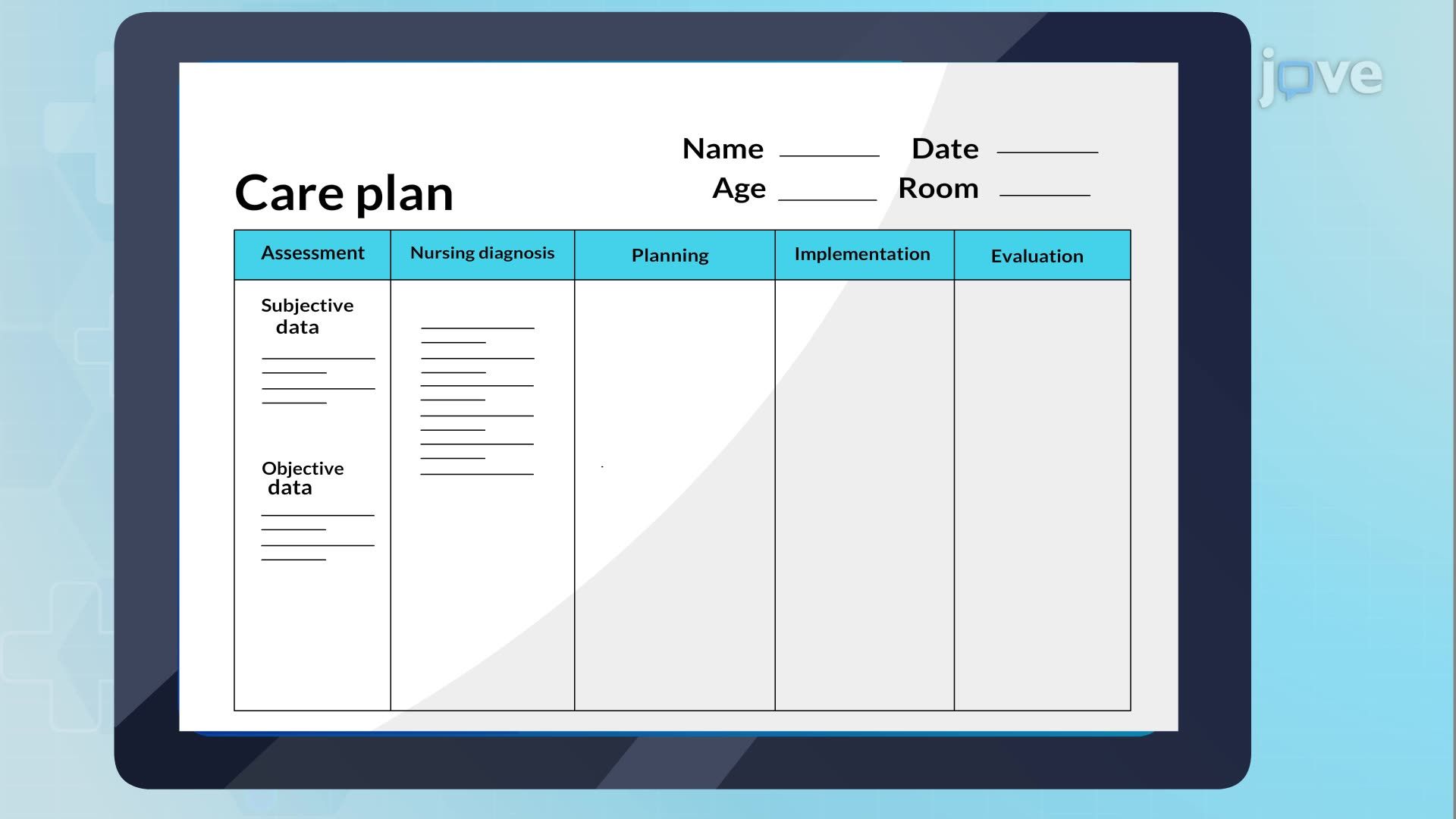
Myocarditis IV nursing management represents a specialized approach to caring for patients with inflammatory heart muscle conditions. This comprehensive nursing process requires advanced assessment skills and evidence-based interventions to prevent complications and promote recovery. In major US medical centers like Mayo Clinic and Johns Hopkins, nurses following these protocols have significantly improved patient outcomes.
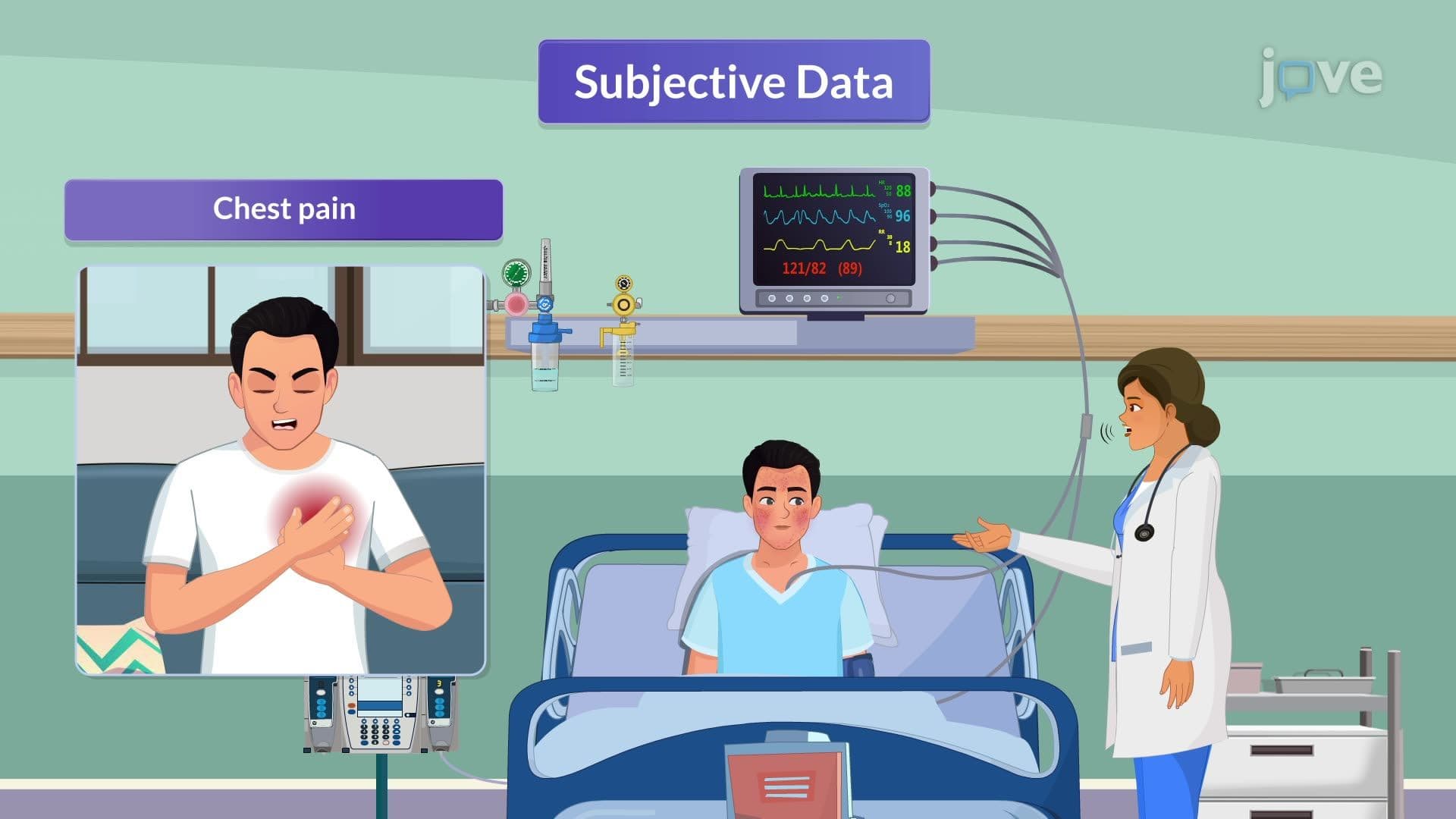
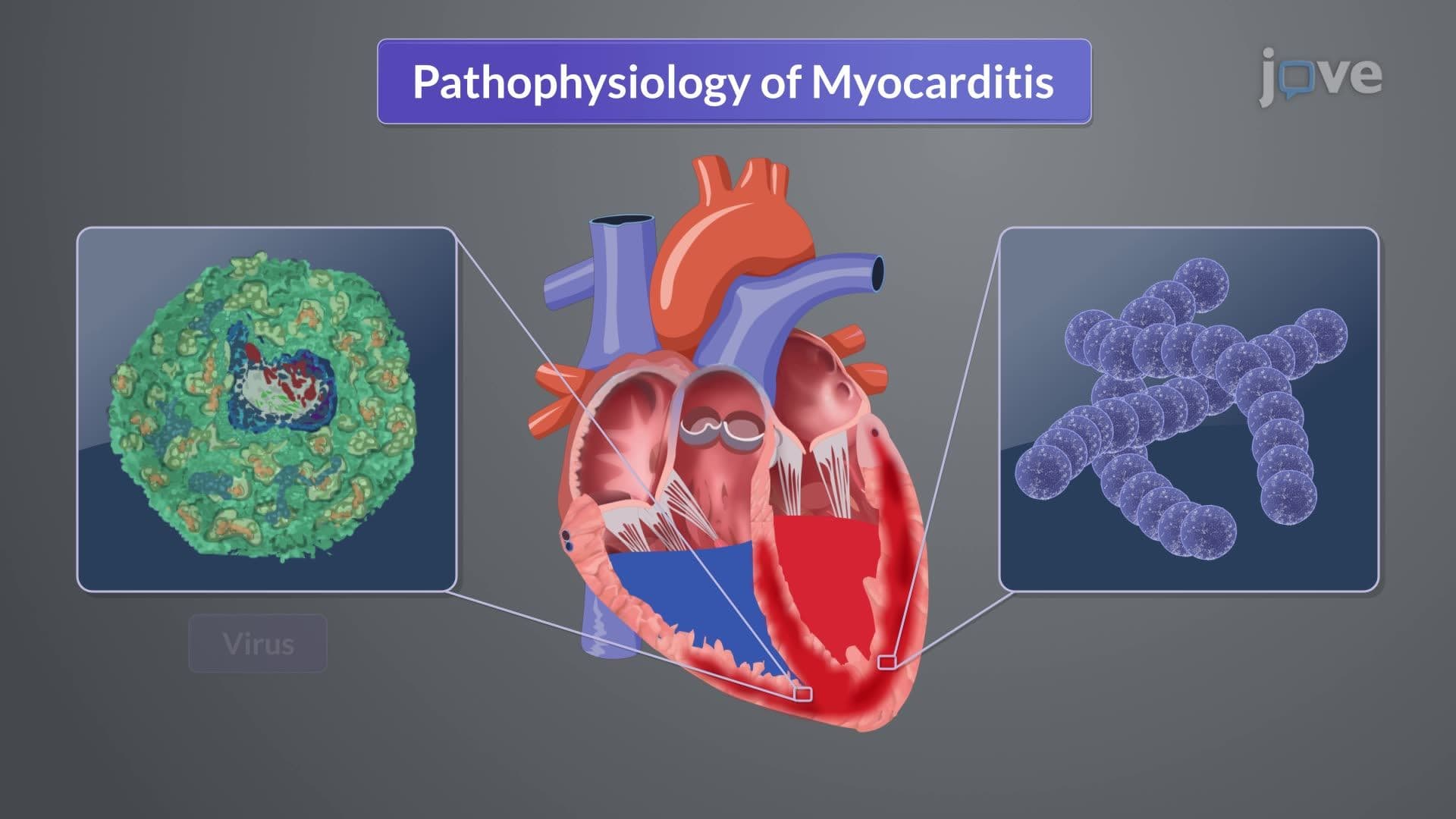
The foundation of effective myocarditis nursing management lies in thorough patient assessment. Nurses must evaluate multiple body systems, focusing particularly on cardiovascular and respiratory status. Key assessment areas include obtaining detailed medical histories about recent viral infections (common triggers include Coxsackievirus and influenza), autoimmune conditions, and exposure to cardiotoxic substances. Physical examination involves monitoring for classic signs like tachycardia, jugular venous distension, and peripheral edema. These assessment skills are frequently tested on the NCLEX-RN and appear in nursing school clinical rotations across programs like those at Johns Hopkins School of Nursing.
Implementation of myocarditis nursing management involves multiple therapeutic interventions. Semi-Fowler's positioning (30-45 degree elevation) reduces cardiac workload by utilizing gravity to decrease venous return. Medication administration includes ACE inhibitors like lisinopril to reduce afterload, beta-blockers such as metoprolol to decrease heart rate, and diuretics like furosemide to manage fluid overload. Nurses must also implement activity restrictions to minimize myocardial oxygen demand, a concept that appears frequently on HESI A2 exams and nursing fundamentals courses.
Continuous evaluation forms the cornerstone of safe myocarditis management. Nurses track fluid intake and output ratios, monitor oxygen saturation levels, and assess for signs of heart failure progression. This monitoring approach aligns with evidence-based practices taught in BSN programs nationwide and reflects standards established by the American Heart Association. Understanding these evaluation techniques proves essential for success on nursing school exams and clinical competency assessments.
Related Micro-courses