Loading subject page…

1,657 views

Video Summary: What Is Pericarditis I Introduction
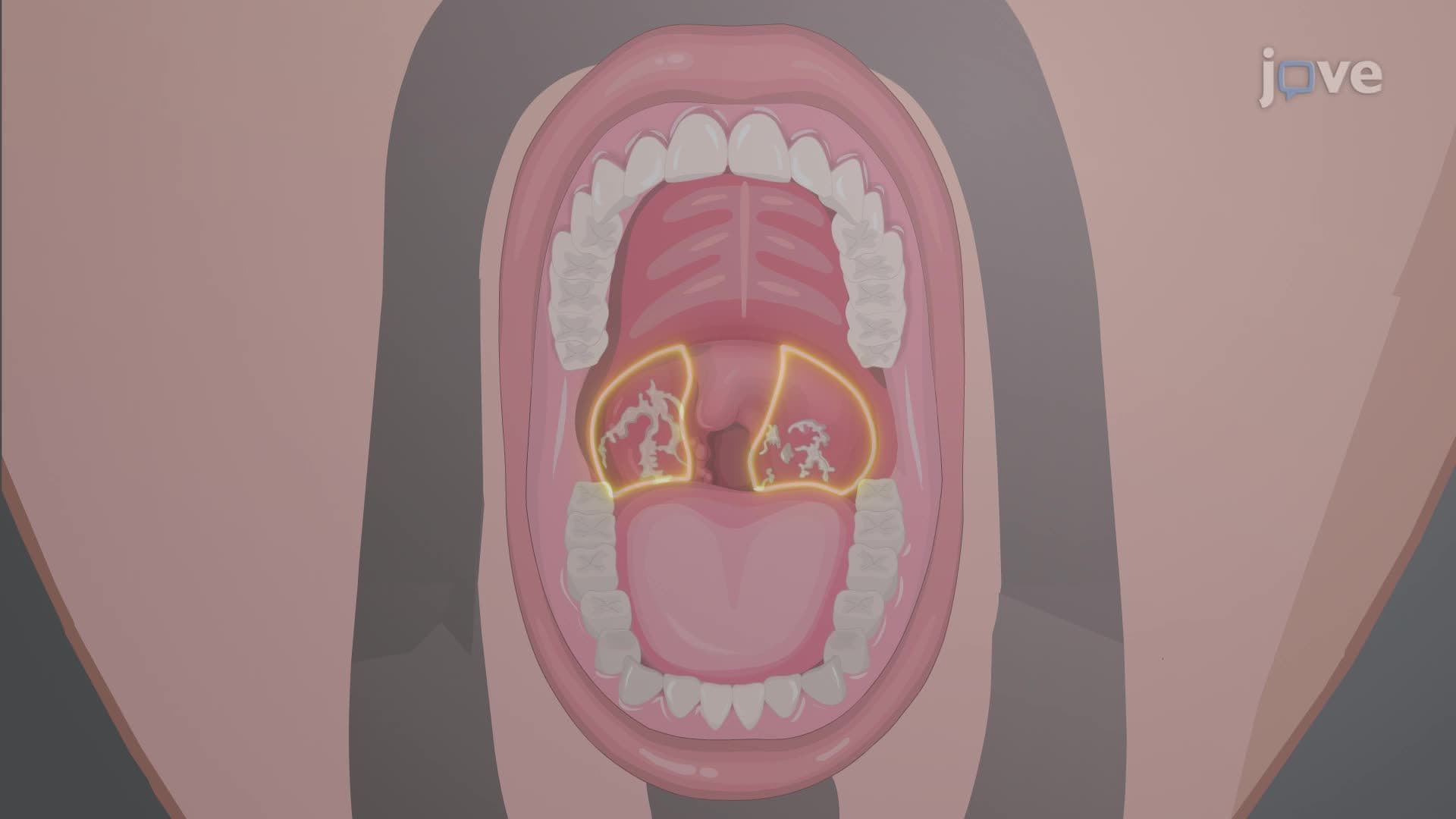
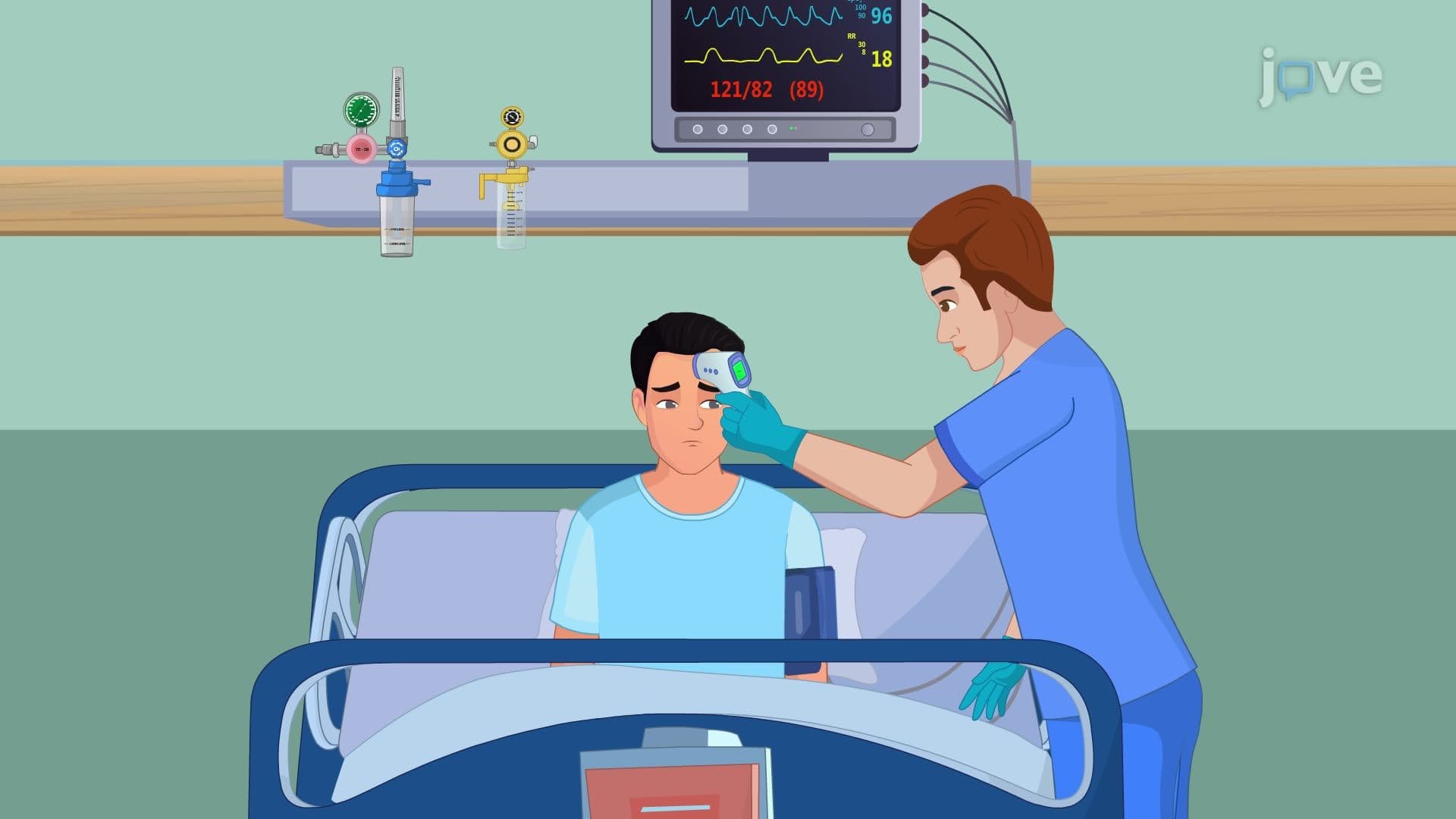
Did you know that heart inflammation affects over 50,000 Americans annually, often mimicking heart attack symptoms? Pericarditis I introduction covers the fundamental concepts of pericardial inflammation, where the protective sac surrounding your heart becomes swollen and irritated. This condition sent actress Toni Braxton to the hospital in 2012, highlighting how pericarditis can affect anyone. What is Pericarditis I Introduction encompasses understanding both infectious causes like viruses and non-infectious triggers including cardiac surgery complications. Watch the full video on JoVE Coach to master this concept with expert-led visuals and step-by-step explanations.
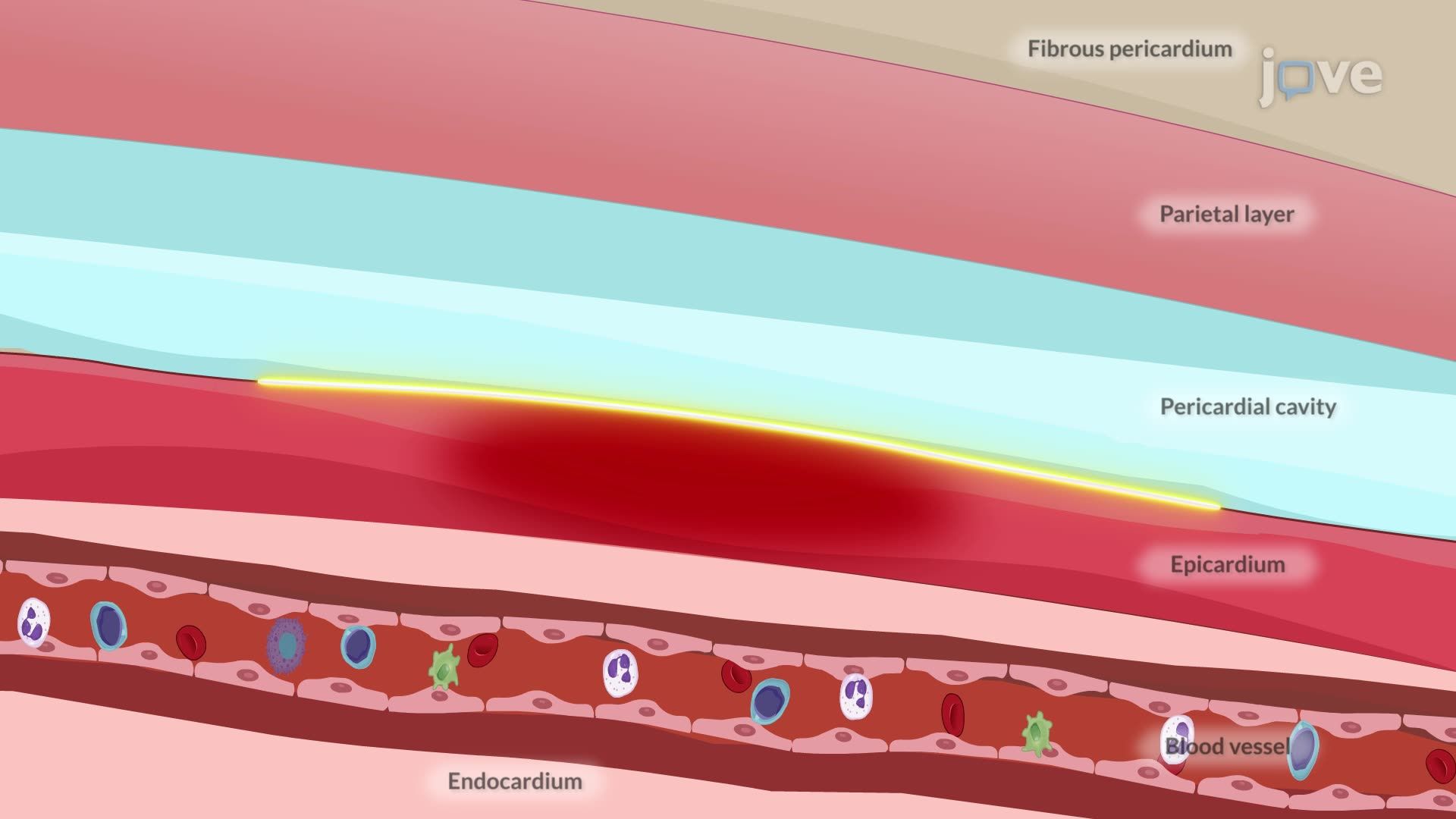
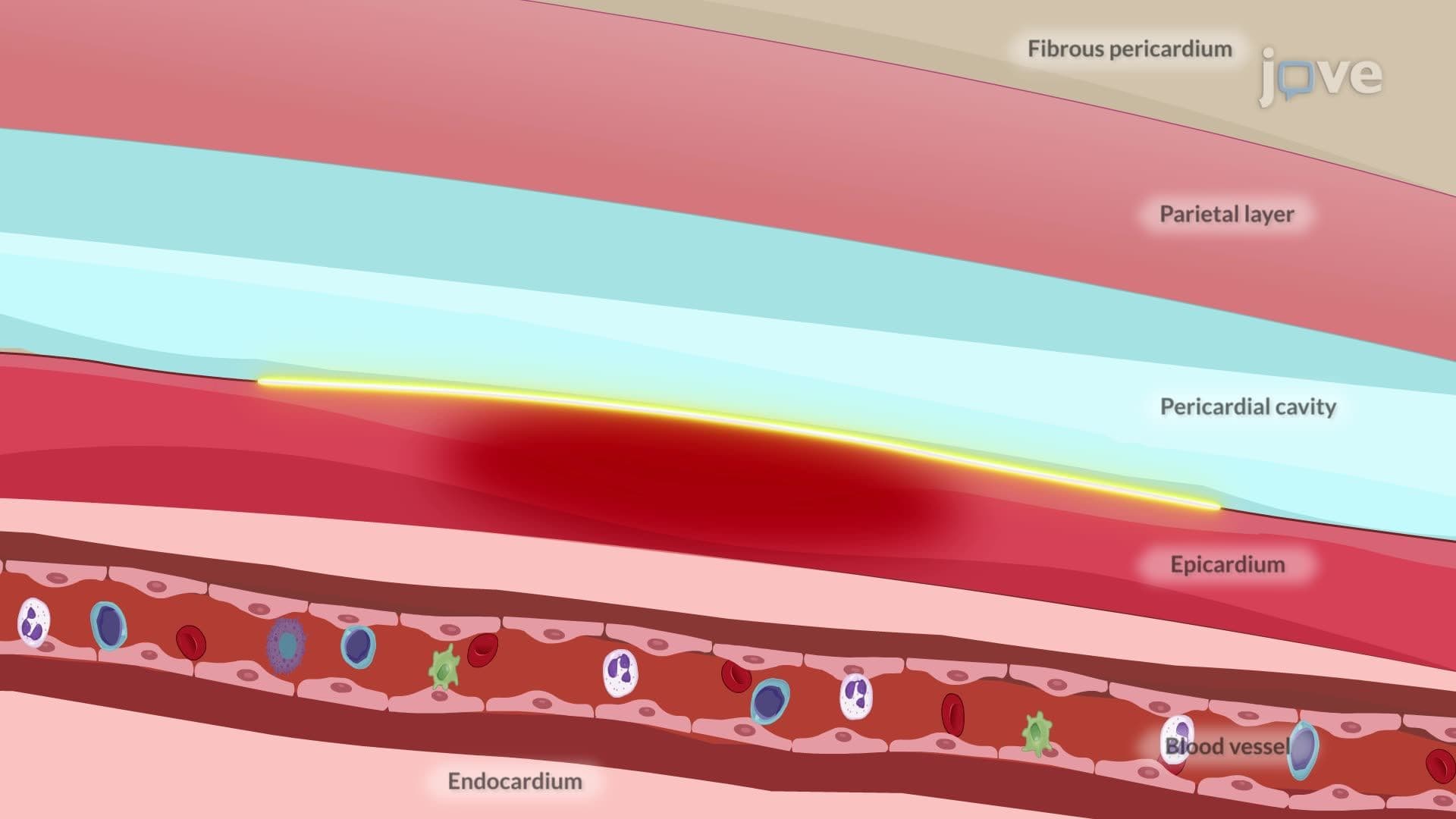
Pericarditis I introduction establishes the critical groundwork for comprehending one of cardiology's most diagnostically challenging conditions. The pericardium, a double-layered fibrous sac, serves as the heart's protective envelope, containing approximately 15-50 mL of lubricating fluid. When this structure becomes inflamed, patients experience the hallmark chest pain that often mimics myocardial infarction, making accurate diagnosis essential for emergency medicine physicians across American hospitals.
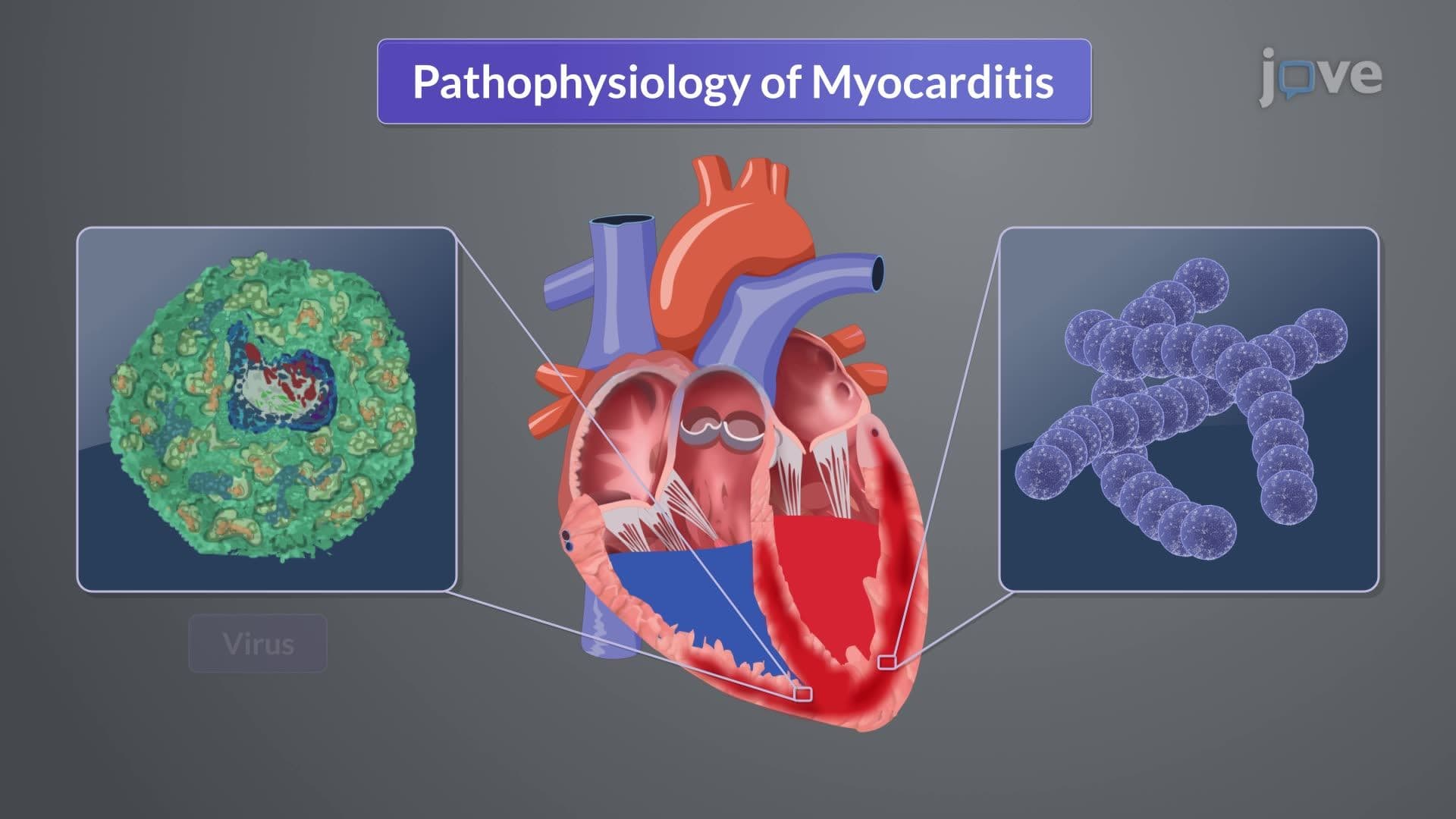
The infectious causes represent the most common triggers globally, with viral agents leading the charge. Coxsackievirus B, part of the enterovirus family, accounts for numerous cases in the United States, particularly during summer months. Bacterial causes like Mycobacterium tuberculosis remain significant in immunocompromised populations, while fungal infections such as Histoplasma capsulatum present unique challenges in endemic regions like the Ohio and Mississippi River valleys. These concepts frequently appear on MCAT cardiovascular sections and AP Biology exams focusing on immune system responses.
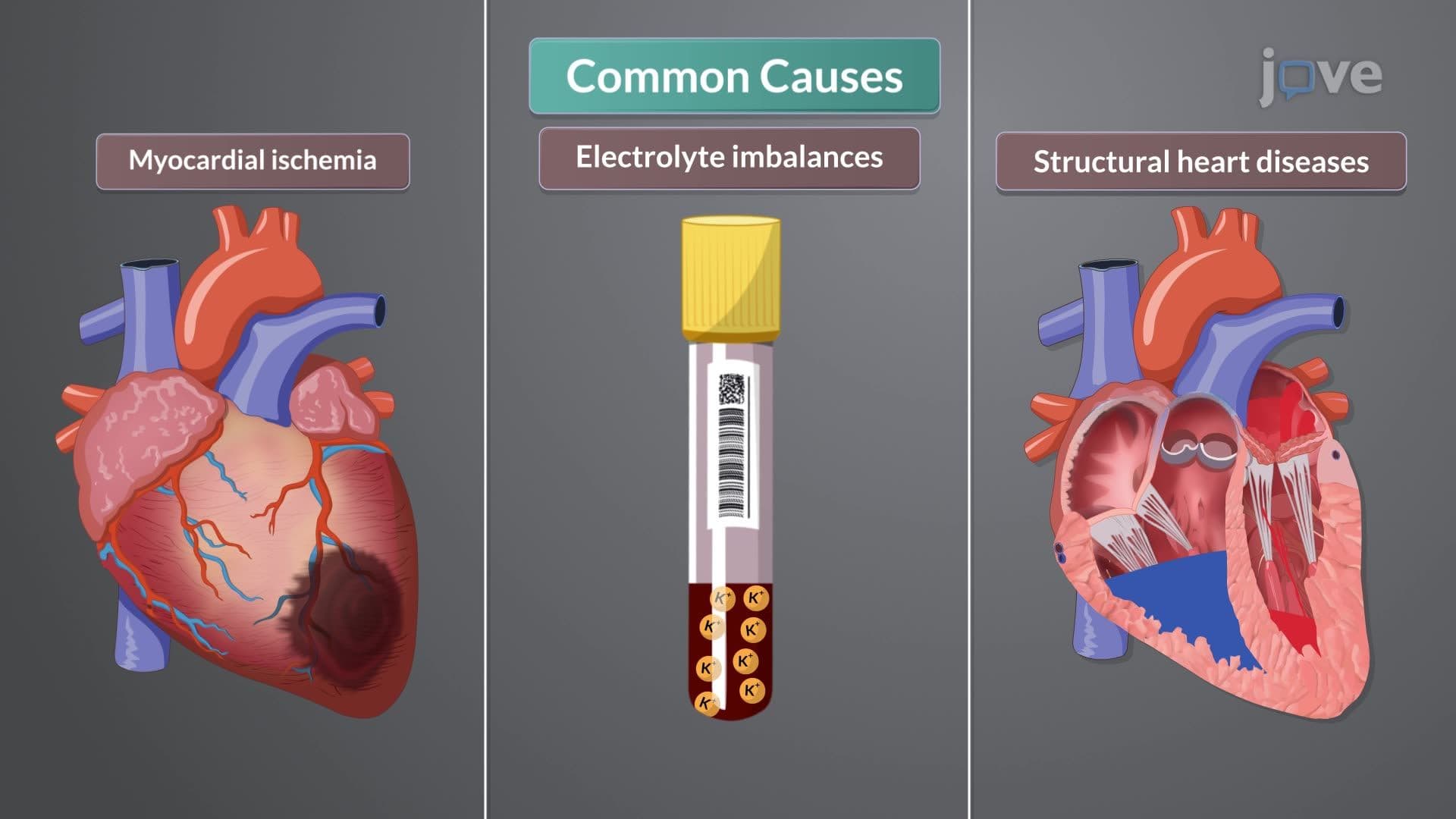
Non-infectious causes encompass a broader spectrum of conditions relevant to American medical practice. Post-cardiac surgery pericarditis affects 10-40% of patients undergoing procedures at institutions like Cleveland Clinic or Mayo Clinic. Autoimmune disorders including systemic lupus erythematosus create inflammatory cascades targeting pericardial tissue. Radiation therapy for breast cancer or lymphoma, common treatments in oncology centers nationwide, can trigger delayed pericardial inflammation months or years later.
The inflammatory process begins with immune cell recruitment-neutrophils arrive first, followed by lymphocytes and macrophages. These cells release inflammatory mediators including interleukin-1β and tumor necrosis factor-alpha, concepts essential for USMLE Step 1 preparation. Increased vascular permeability allows protein-rich fluid to accumulate in the pericardial space, potentially progressing to cardiac tamponade. Fibrin deposition creates the characteristic "bread-and-butter" appearance on epicardial surfaces, leading to adhesions that can restrict cardiac filling-a mechanism frequently tested in medical school pathophysiology courses.
Related Micro-courses