Loading video…

 16 Concepts
 1.7K views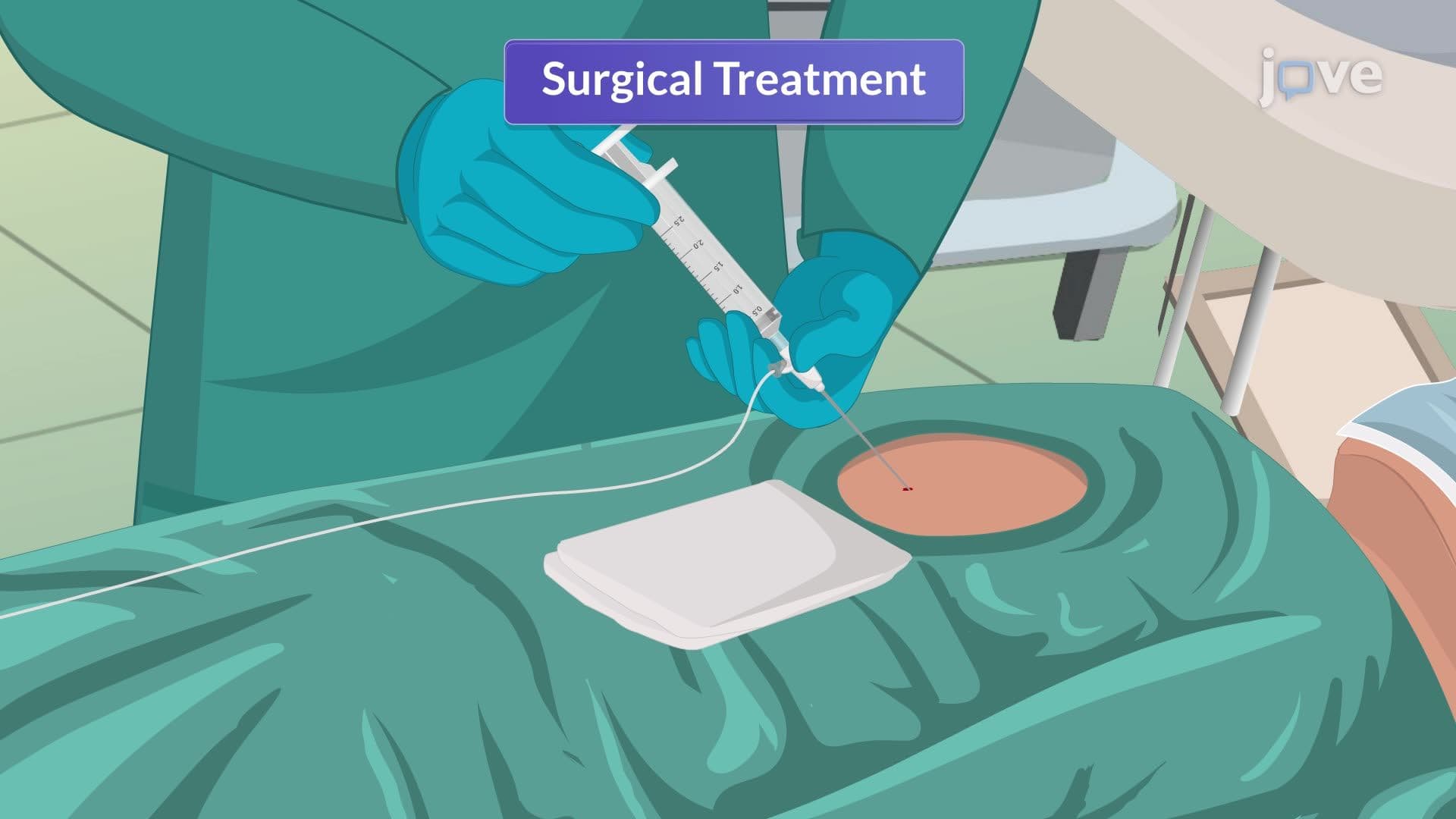

Video Summary: What Is Pericarditis Iii Medical Management
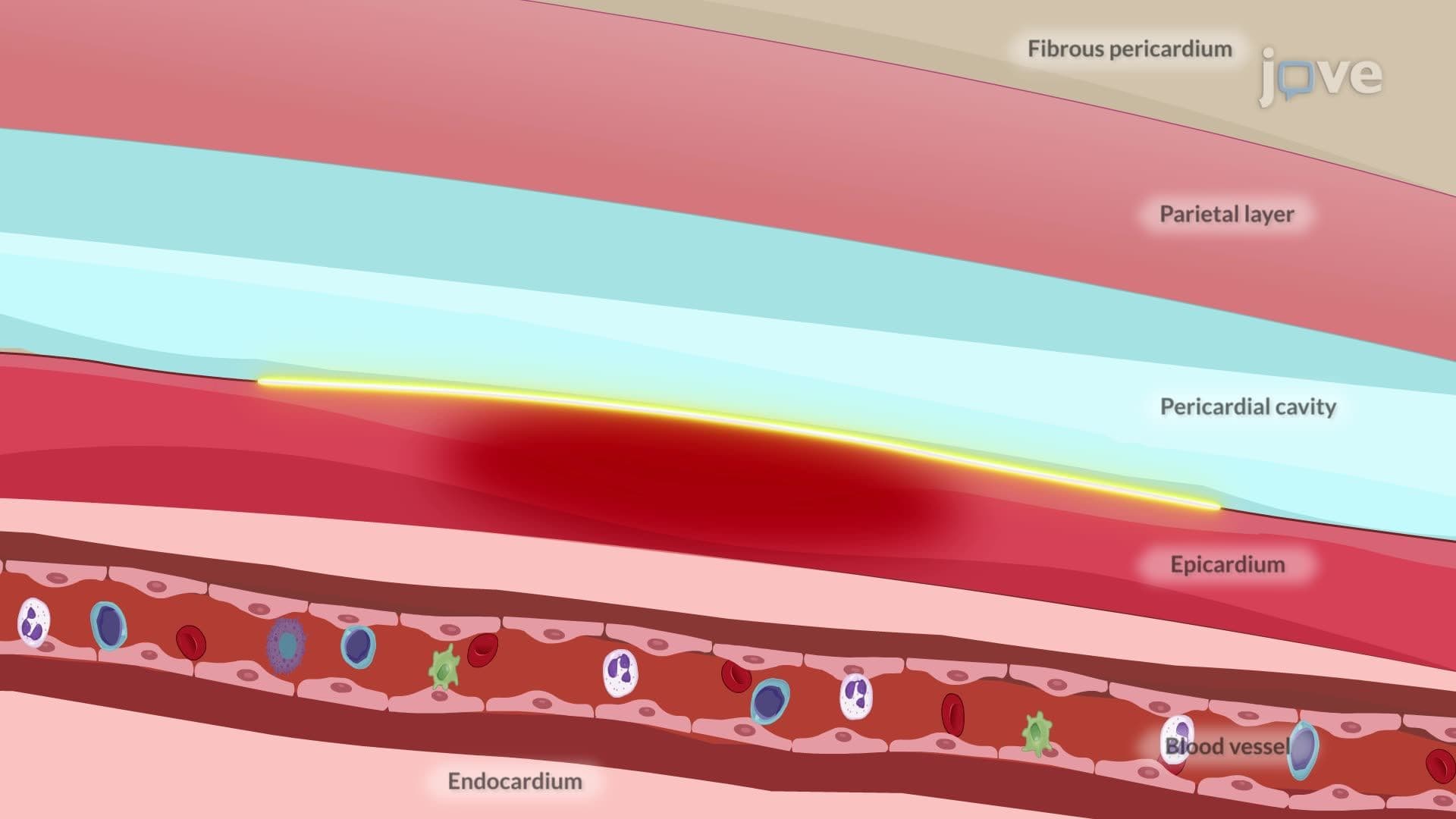
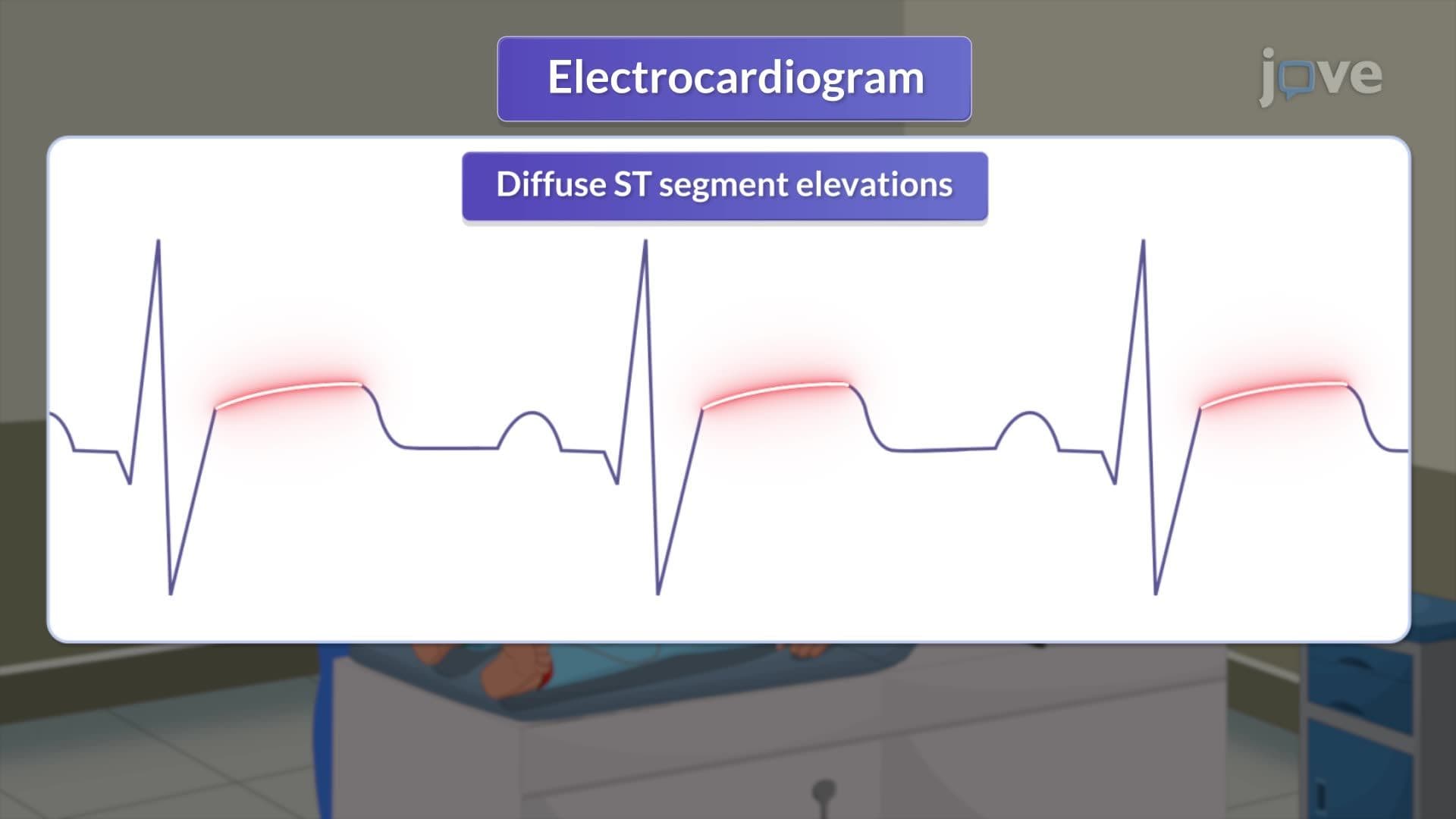
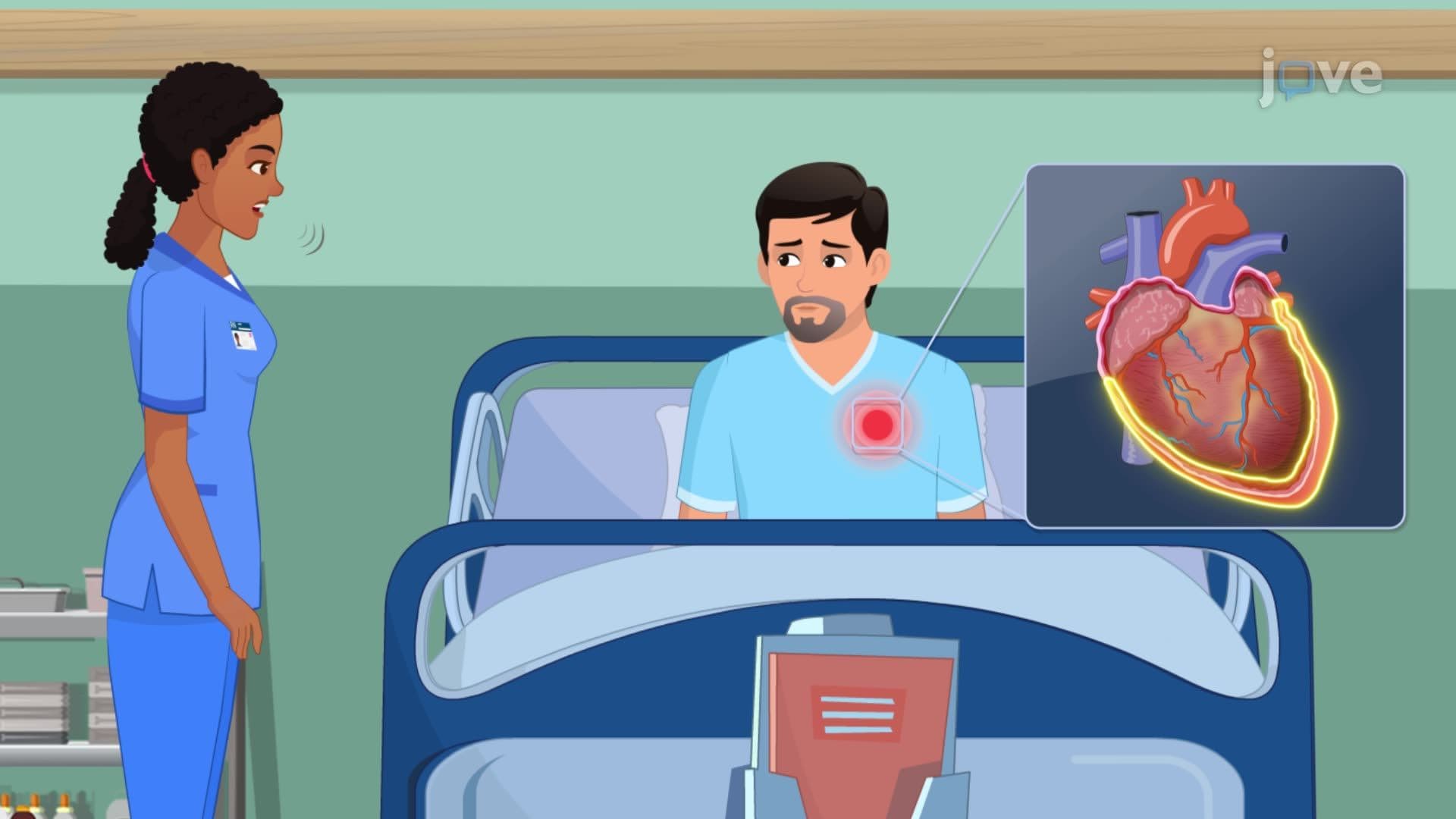
When a 45-year-old construction worker in Houston arrives at the ER with sharp chest pain that worsens when lying down, doctors must quickly determine the best pericarditis III medical management approach. This comprehensive treatment strategy combines non-drug interventions, targeted medications like NSAIDs and colchicine, and potentially life-saving surgical procedures for severe cases. Understanding what is pericarditis III medical management is crucial for recognizing how physicians systematically address this cardiac condition affecting the heart's protective sac. Watch the full video on JoVE Coach to master this concept with expert-led visuals and step-by-step explanations.
What is pericarditis III medical management represents a systematic, evidence-based approach to treating inflammation of the pericardium-the protective sac surrounding the heart. This comprehensive strategy addresses both acute symptoms and long-term complications through a carefully structured treatment hierarchy. Medical schools across the United States, from Johns Hopkins to UCLA, emphasize this three-pronged approach as essential knowledge for MCAT preparation and clinical rotations.
The initial management begins with simple yet effective positioning techniques. Patients experience significant symptom relief by sitting upright and leaning forward, a position that reduces pressure on the inflamed pericardium. This postural adjustment, combined with activity restriction, decreases cardiac metabolic demands-particularly crucial for patients like those treated at Mayo Clinic who present with acute pericarditis. These interventions appear frequently on USMLE Step 1 examinations, testing students' understanding of basic physiological principles.
First-line therapy centers on NSAIDs, specifically ibuprofen (600-800mg every 8 hours) and aspirin (750-1000mg every 8 hours). These medications target the inflammatory cascade while providing analgesic effects. The Cleveland Clinic's cardiology protocols demonstrate how this approach successfully manages 85-90% of acute pericarditis cases. For persistent symptoms beyond ten days or recurrent episodes, colchicine (0.5mg twice daily) becomes the standard addition, reflecting guidelines from the American Heart Association.
When patients fail to respond to standard therapy, corticosteroids like prednisone represent the next escalation. However, their use requires careful consideration due to increased recurrence rates-a concept heavily tested in AP Biology and college-level pathophysiology courses.
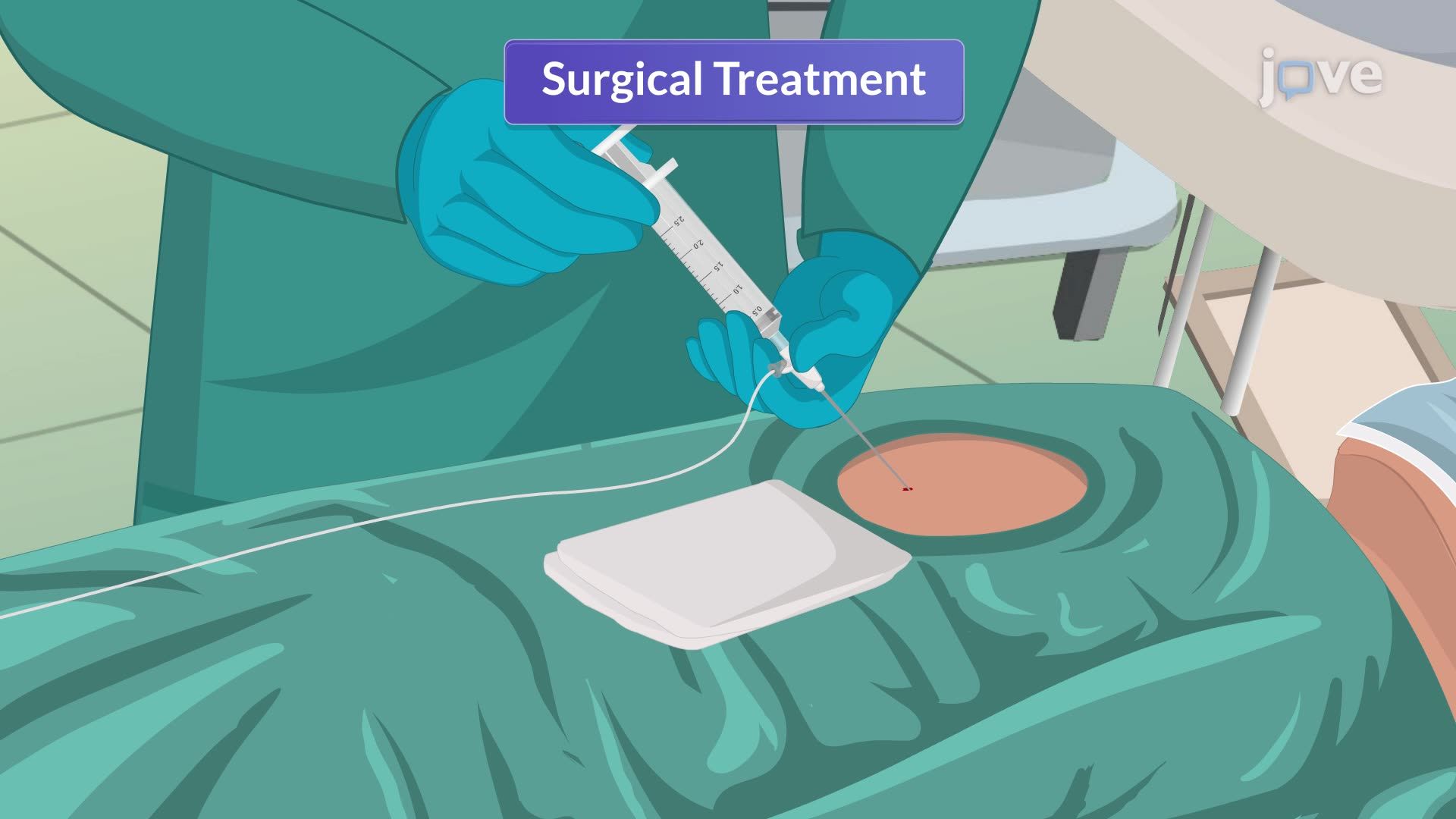
Severe pericardial effusion, particularly with cardiac tamponade signs, demands immediate pericardiocentesis. This procedure, commonly performed at major US cardiac centers like Texas Heart Institute, involves needle drainage of excess fluid. The most complex cases require pericardiectomy-surgical removal of the thickened, restrictive pericardium-reserved for constrictive pericarditis that impairs cardiac function despite medical management.
Related Micro-courses