Loading subject page…

1,657 views

Video Summary: What Is Pericarditis Iv Nursing Management
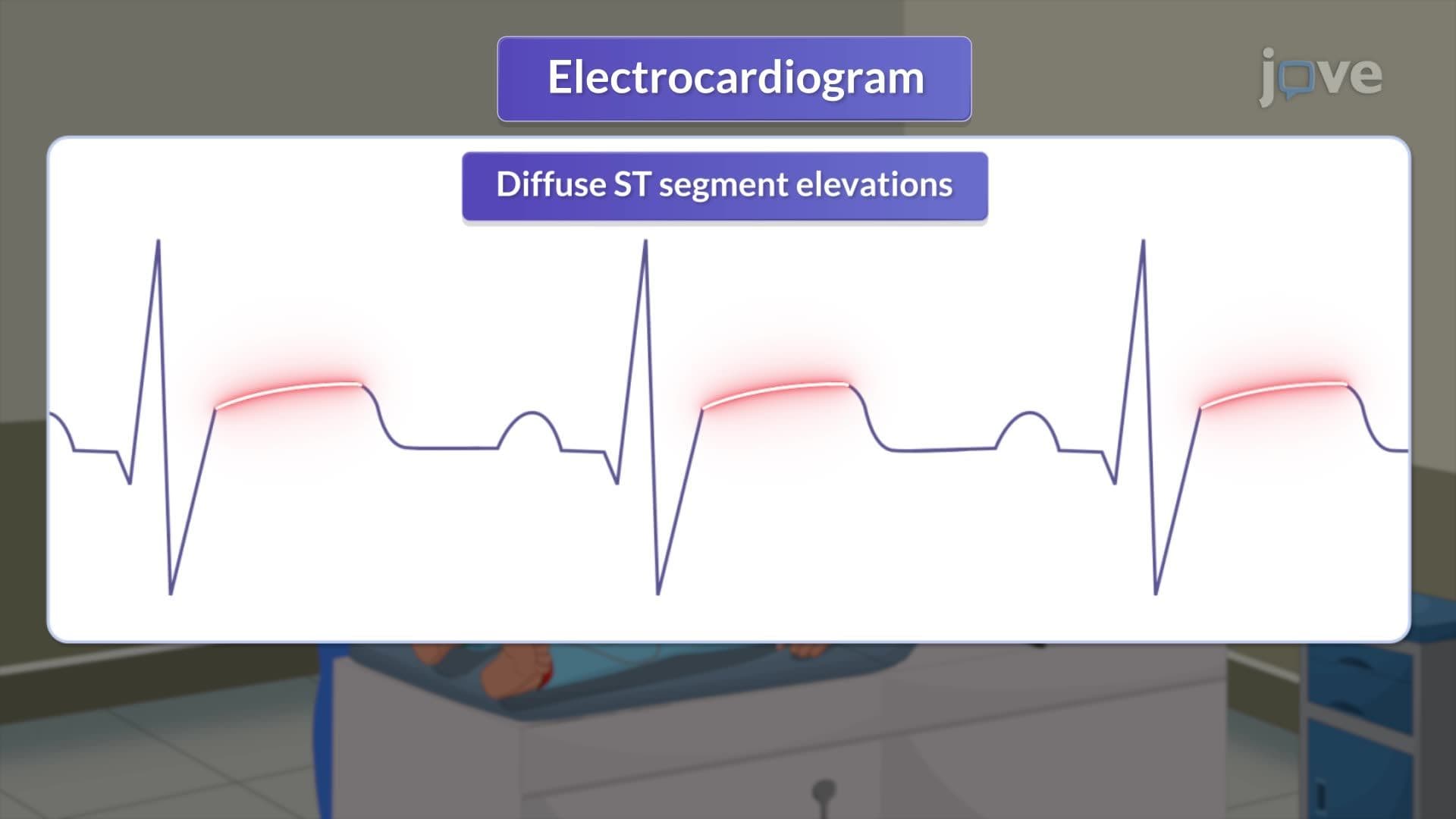
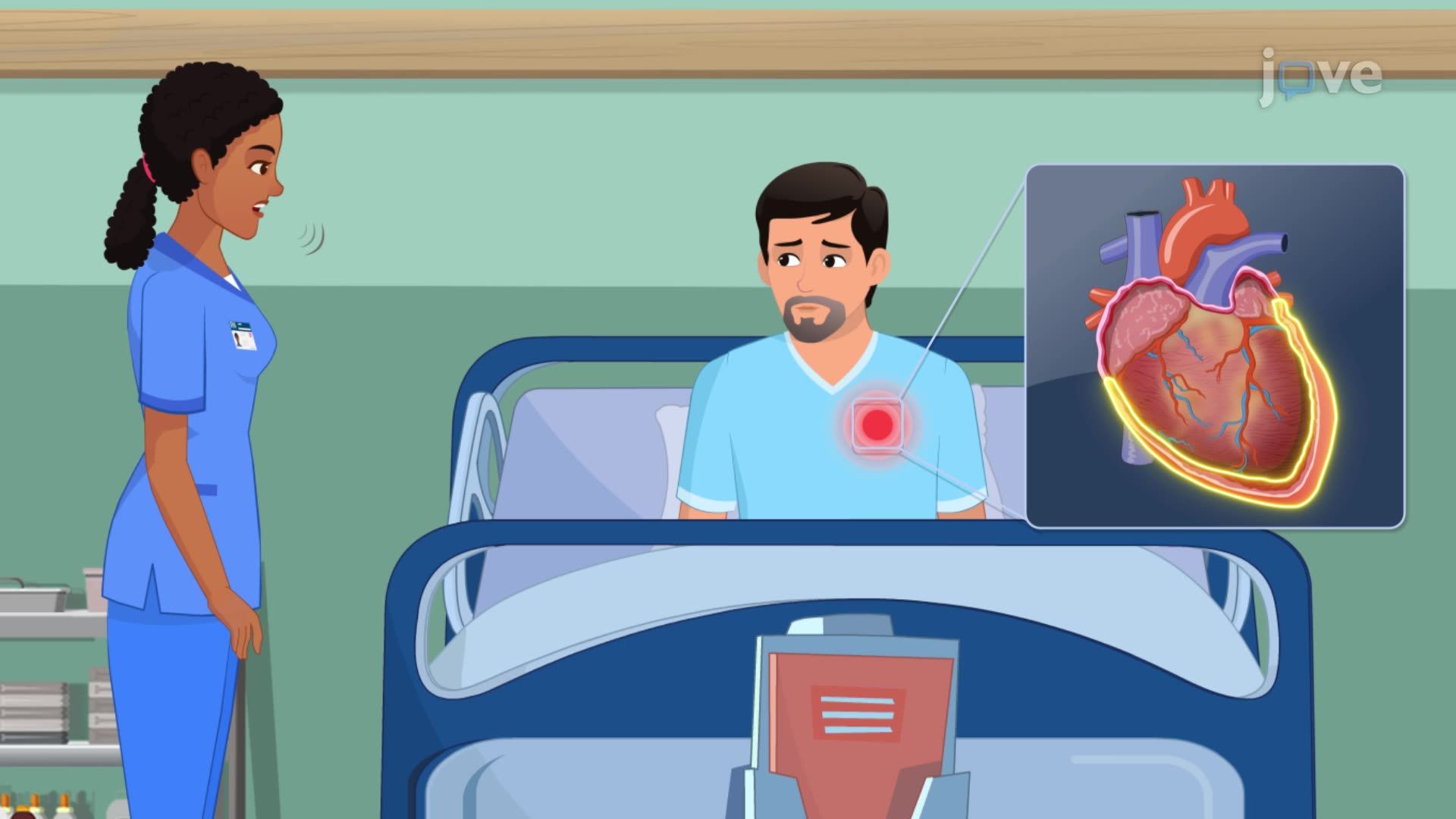
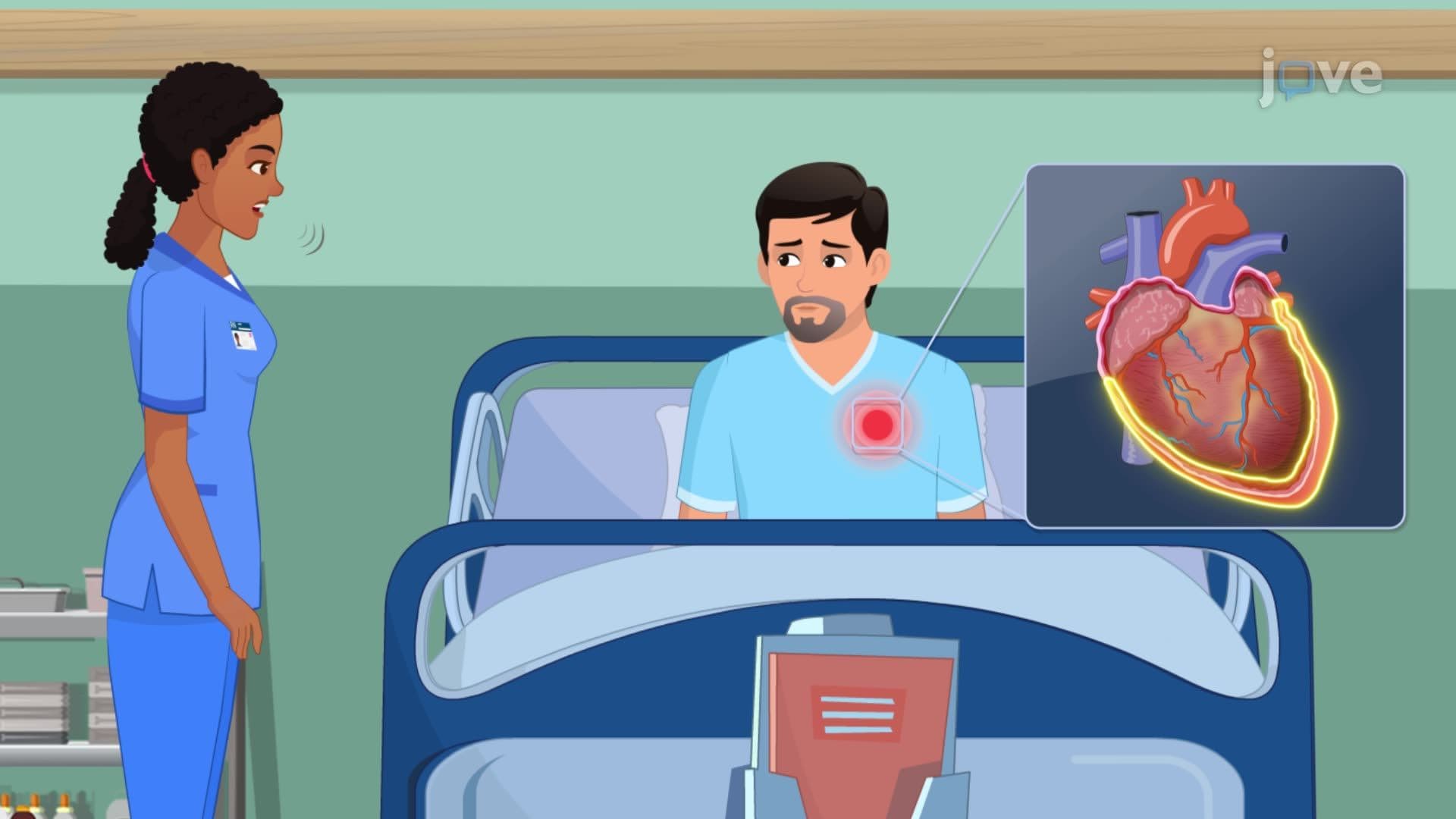
Did you know that 85% of pericarditis patients experience sharp chest pain that's often mistaken for a heart attack in emergency departments across the US? Pericarditis IV nursing management involves a systematic approach to caring for patients with pericardial inflammation, requiring specialized assessment techniques and targeted interventions. For instance, nurses at Cleveland Clinic must recognize the distinctive pericardial friction rub during cardiac auscultation to differentiate pericarditis from myocardial infarction. Watch the full video on JoVE Coach to master this concept with expert-led visuals and step-by-step explanations.
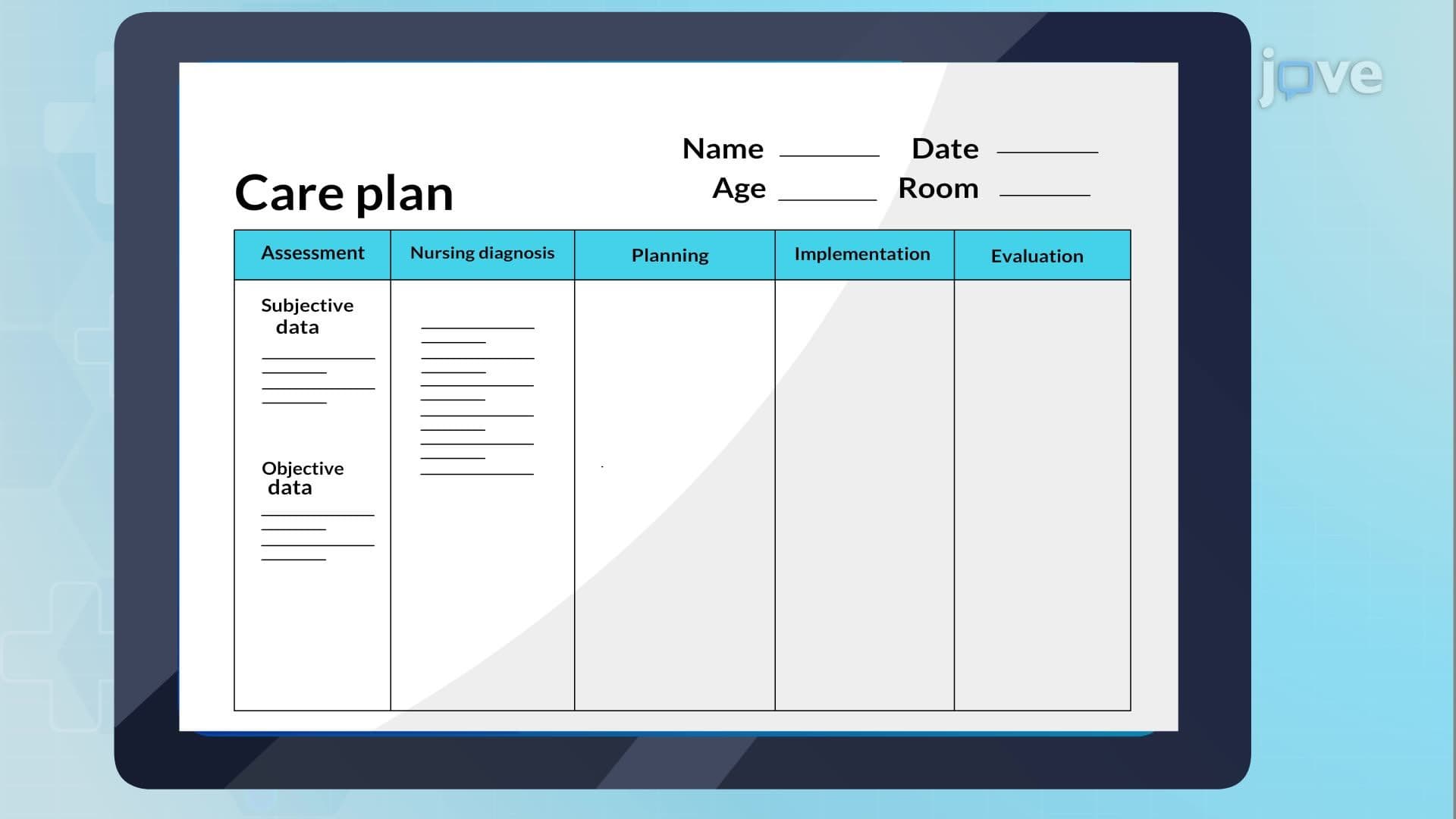
What is Pericarditis IV nursing management represents a critical component of cardiovascular nursing care that requires specialized knowledge and clinical expertise. This systematic approach encompasses comprehensive patient assessment, accurate nursing diagnosis formulation, evidence-based interventions, and continuous evaluation of patient outcomes. Unlike routine cardiac care, pericarditis management demands specific positioning techniques and pain management strategies that directly address pericardial inflammation.
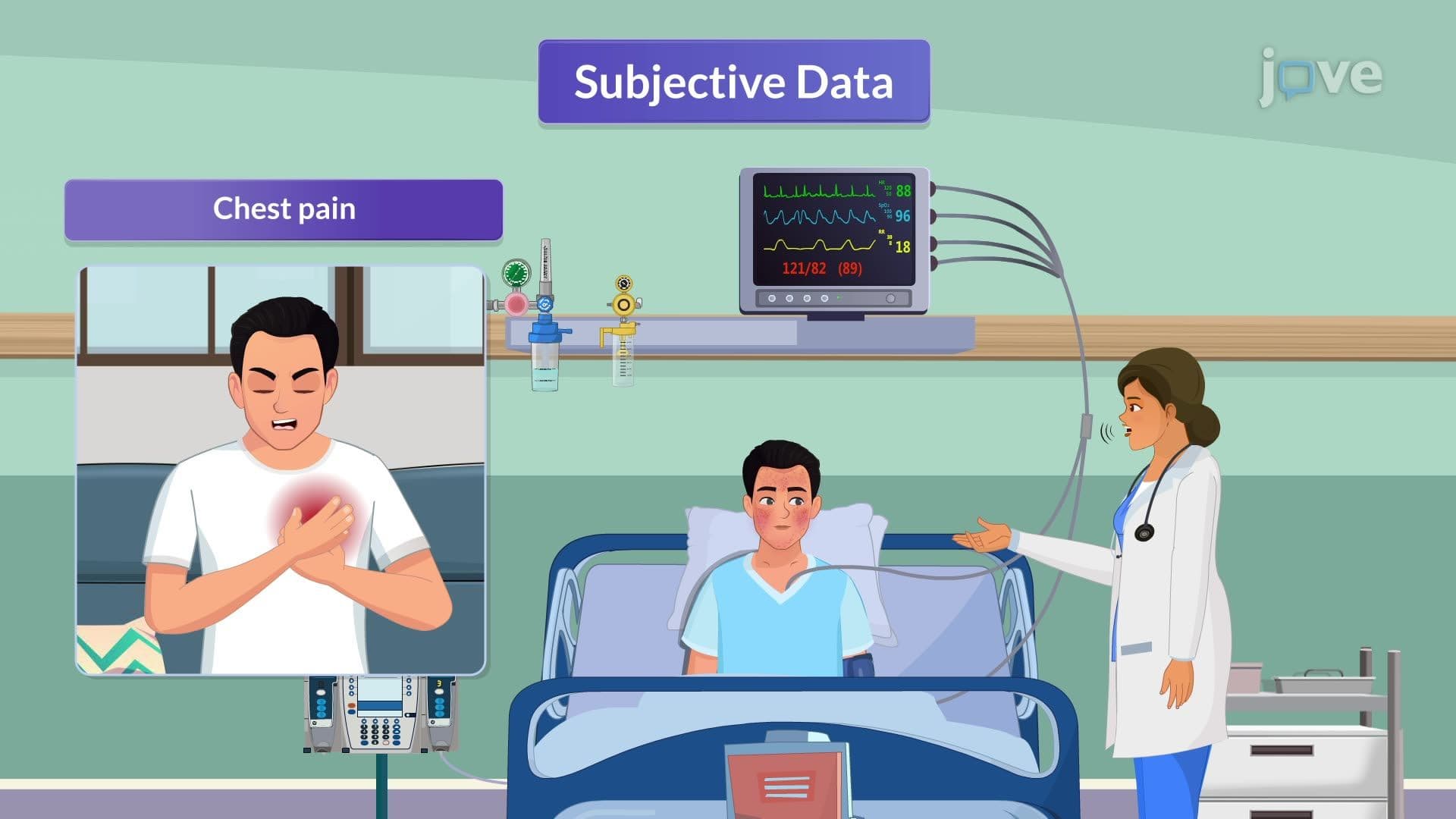
The nursing assessment process for pericarditis patients begins with obtaining a detailed medical history focusing on chest pain characteristics. Nurses must differentiate pericarditis pain from other cardiac conditions-pericarditis typically presents as sharp, stabbing pain that worsens with inspiration and improves when leaning forward. The hallmark physical finding is the pericardial friction rub, a high-pitched scratching sound heard during cardiac auscultation. At major teaching hospitals like Johns Hopkins, nursing students learn to identify this distinctive sound, which occurs in approximately 60-85% of acute pericarditis cases.
Effective pericarditis nursing management centers on positioning and comfort measures. The standard intervention involves maintaining bed rest with the head of bed elevated to 45 degrees, combined with an overbed table for forward-leaning support. This position reduces venous return and decreases pericardial pressure, providing significant pain relief. Pain management requires careful medication administration-anti-inflammatory drugs should be given with food or milk to prevent gastric irritation, as pericarditis patients often require prolonged NSAID therapy.
Comprehensive patient education forms the foundation of successful pericarditis management. Nurses must educate patients about lifestyle modifications including balanced nutrition, gradual return to exercise, and alcohol avoidance. This education proves particularly important for college students and young adults, who represent a significant portion of viral pericarditis cases. Regular care plan evaluation ensures interventions remain effective-nurses monitor pain levels, respiratory patterns, and patient tolerance to activity progression. This concept frequently appears on NCLEX-RN examinations and nursing school clinical assessments, emphasizing the importance of systematic nursing process application in cardiovascular care.
Related Micro-courses