Loading video…


 22 Concepts
 29.2K views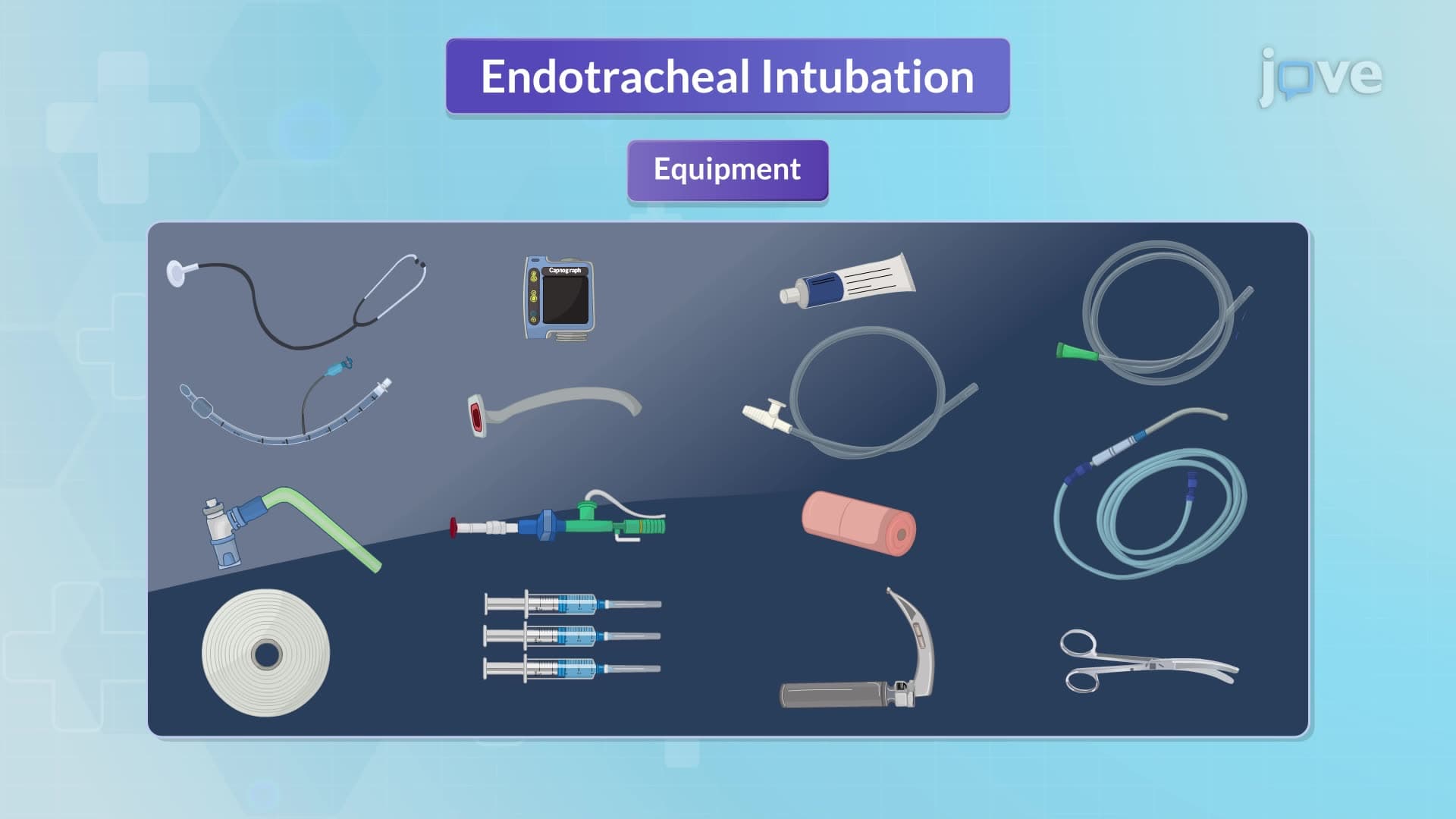

Video Summary: Endotracheal Intubation Ii Nursing Management Explained
Did you know that improper endotracheal tube management is responsible for up to 25% of ventilator-associated complications in US hospitals? Endotracheal intubation II nursing management involves critical pre-procedure preparation, real-time assistance during tube placement, and comprehensive post-intubation patient care. For instance, nurses at Cleveland Clinic follow strict protocols for cuff pressure monitoring to prevent tracheal necrosis in ICU patients. Watch the full video on JoVE Coach to master this concept with expert-led visuals and step-by-step explanations.
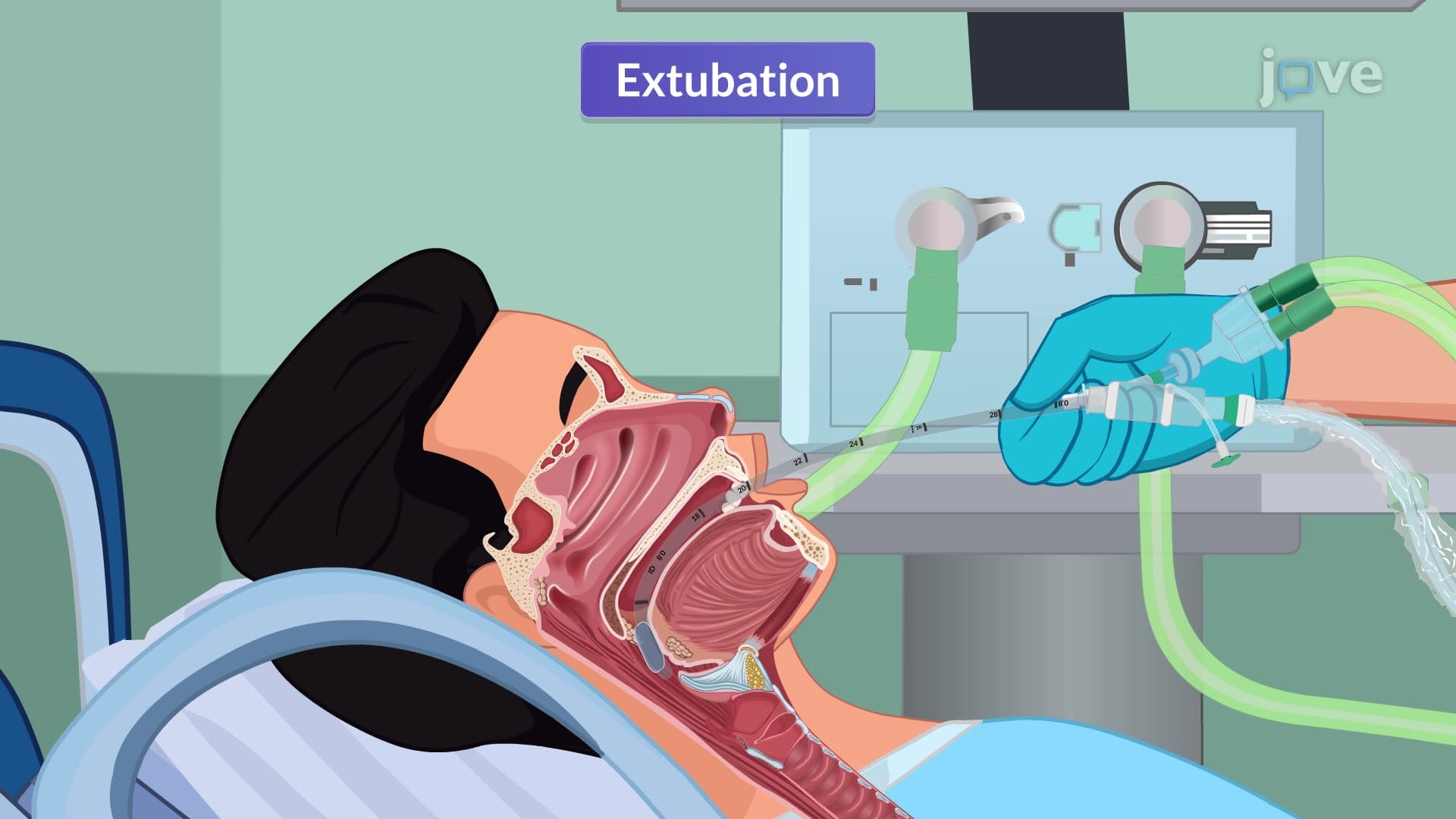
Endotracheal intubation II nursing management represents the advanced phase of airway management where nurses transition from basic airway support to comprehensive care of intubated patients. This critical care concept builds upon fundamental intubation principles, focusing on the complex nursing interventions required to maintain patient safety and optimize outcomes throughout the intubation process and beyond.
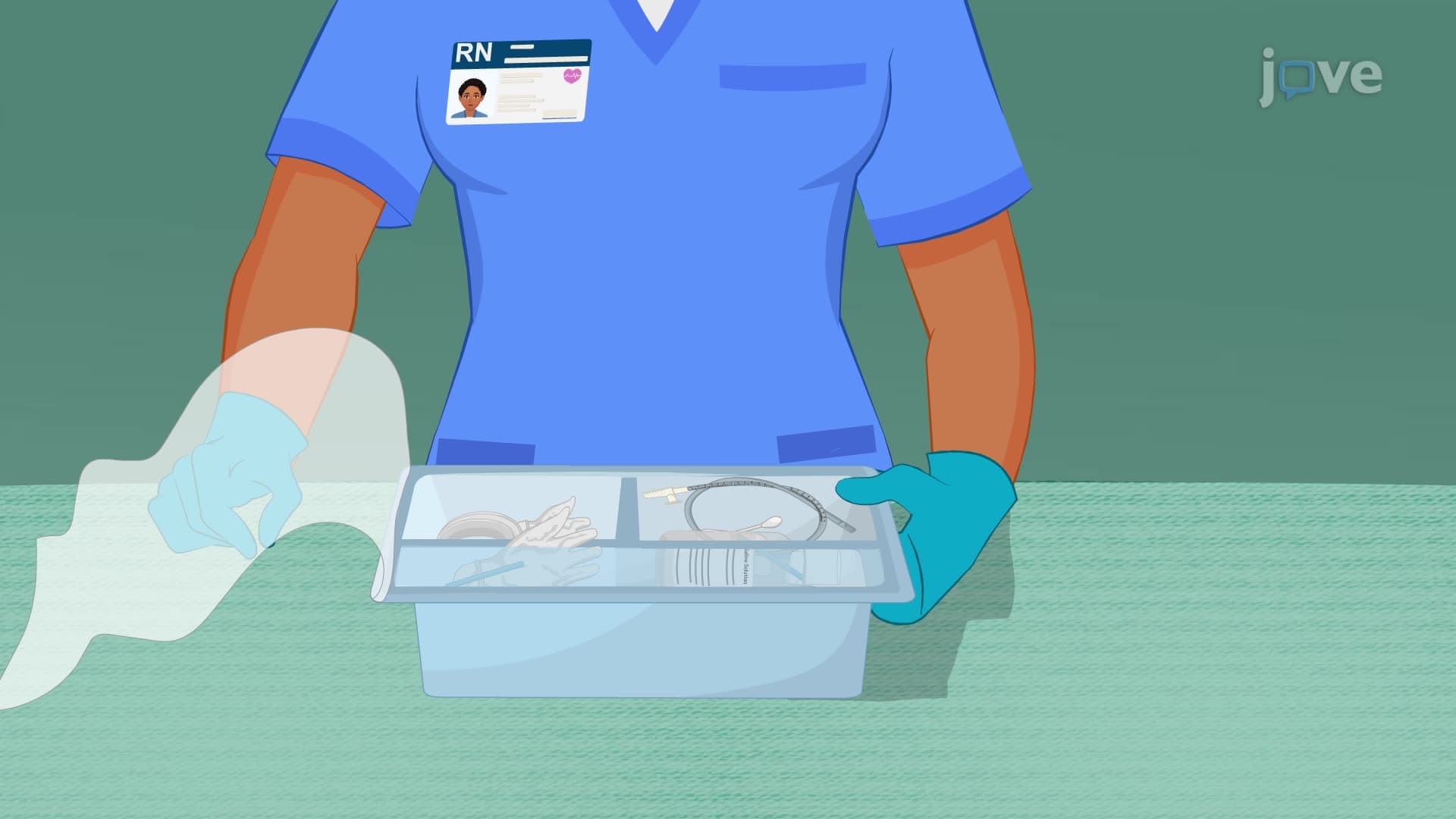
The foundation of successful intubation management begins with meticulous preparation. Nurses must systematically verify equipment functionality, including laryngoscopes, endotracheal tubes of multiple sizes, and emergency medications like succinylcholine and etomidate. At major teaching hospitals like Johns Hopkins, nurses follow standardized checklists to ensure crash cart accessibility and confirm backup airway devices are immediately available. IV access establishment allows for rapid medication administration, while patient positioning in the "sniffing position" optimizes laryngeal visualization for the healthcare provider.
During the actual intubation procedure, nurses serve as the healthcare provider's second set of hands while maintaining laser focus on patient safety. Continuous pulse oximetry monitoring allows immediate detection of desaturation, while capnography confirmation becomes essential for tube placement verification. Nurses must anticipate equipment needs, providing suction when secretions obscure the airway and having backup tubes readily available. This collaborative approach, commonly tested on NCLEX examinations, emphasizes the nurse's role in preventing hypoxic episodes during potentially lengthy intubation attempts.
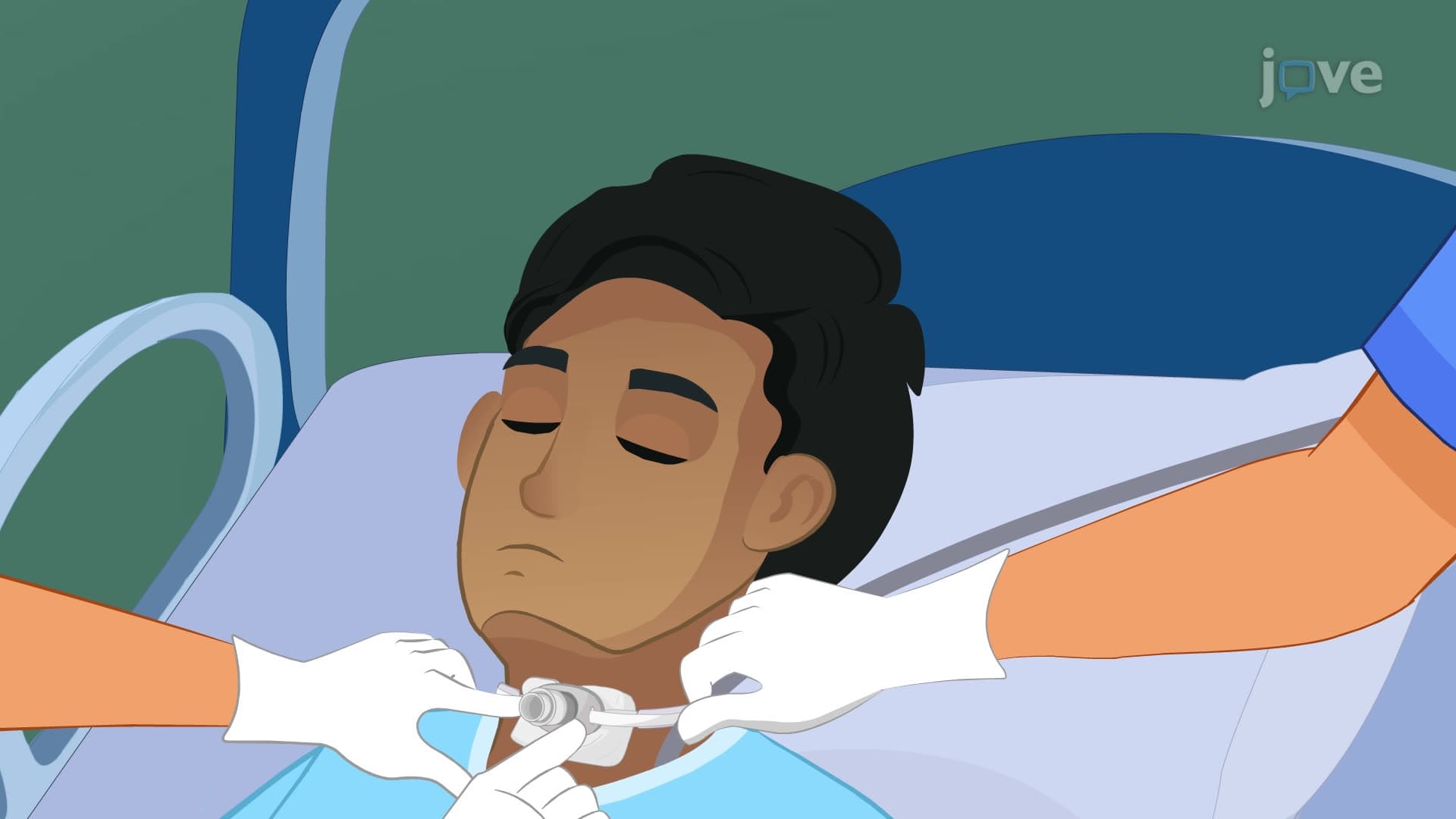
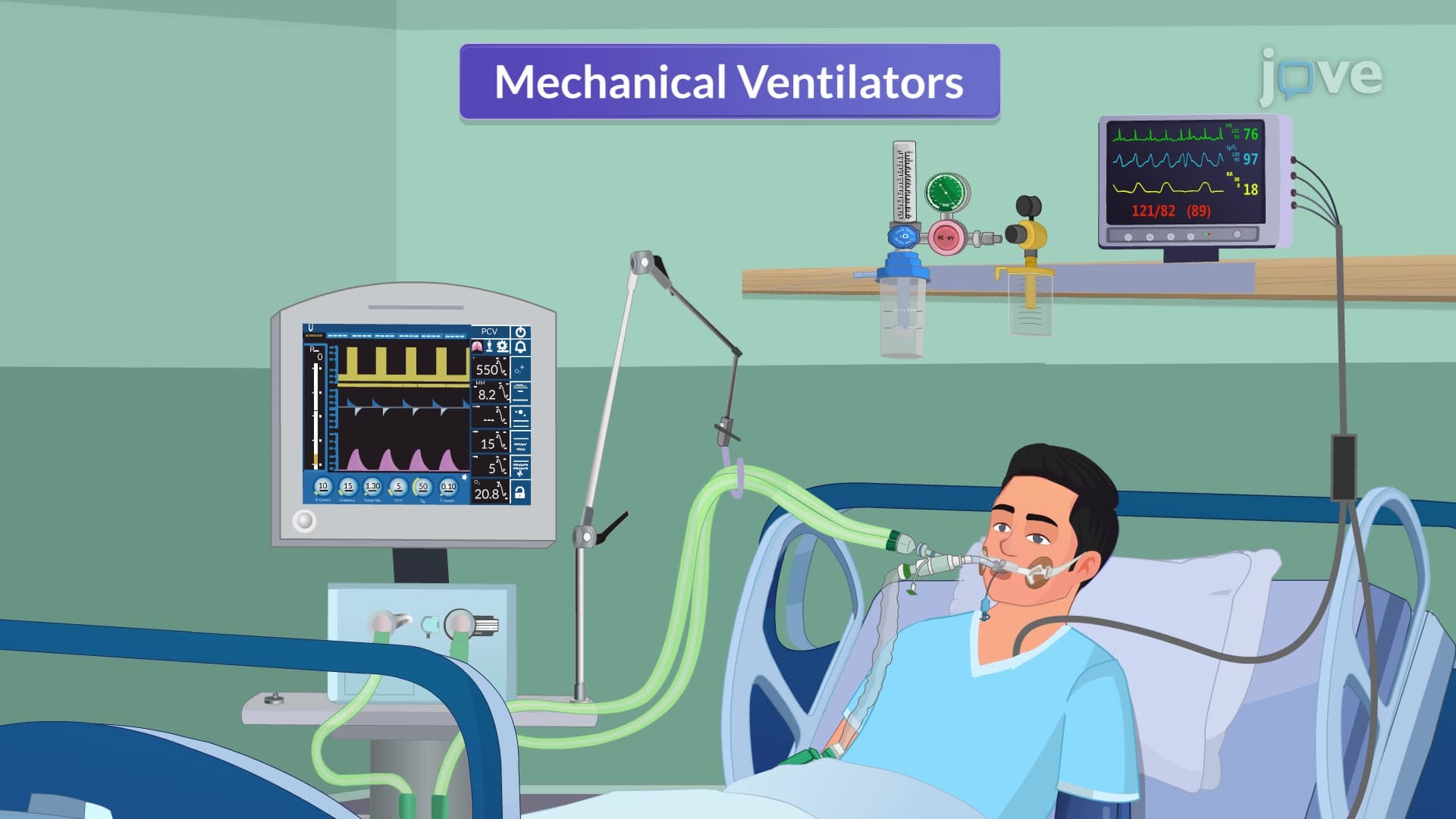
Following successful tube placement, nursing management intensifies with cuff pressure monitoring typically maintained between 20-25 cmH2O to prevent both aspiration and tracheal ischemia. Regular oral care every 2-4 hours using chlorhexidine solutions significantly reduces ventilator-associated pneumonia rates, a quality metric tracked by CMS in US hospitals. Patient positioning becomes crucial, with head-of-bed elevation to 30-45 degrees and bi-hourly turning to prevent secretion pooling. Advanced practice nurses must recognize early signs of complications like pneumothorax or tube migration, skills frequently assessed in HESI A2 and TEAS nursing entrance examinations.
Related Micro-courses