Loading subject page…


29,236 views


Video Summary: Mechanical Ventilation I Indication and Settings Explained
Every 36 seconds, a patient in a US emergency room requires life-saving mechanical ventilation support. Understanding mechanical ventilation I indication and settings becomes crucial when natural breathing fails due to respiratory emergencies, surgical procedures, or trauma cases. Consider a car accident victim at Houston Methodist Hospital whose chest injuries prevent adequate oxygen delivery-ventilator settings must be precisely calibrated based on blood gas analysis and chest imaging. Mechanical Ventilation I Indication And Settings Explained covers the critical parameters that determine patient survival outcomes. Watch the full video on JoVE Coach to master this concept with expert-led visuals and step-by-step explanations.
Mechanical ventilation represents one of medicine's most critical life-support technologies, functioning as an artificial respiratory system when patients cannot maintain adequate gas exchange independently. This intervention becomes essential across diverse clinical scenarios, from operating rooms at Mayo Clinic to intensive care units at Johns Hopkins Hospital, where precise parameter control determines patient outcomes.
Healthcare providers initiate mechanical ventilation based on specific physiological markers and clinical presentations. Acute respiratory failure-characterized by inadequate oxygenation or carbon dioxide elimination-represents the primary indication. This condition manifests in scenarios ranging from pneumonia complications to acute respiratory distress syndrome (ARDS), which affects approximately 200,000 Americans annually according to CDC data.
Surgical procedures requiring general anesthesia routinely employ mechanical ventilation to maintain respiratory function while patients remain unconscious. Additionally, trauma cases involving chest injuries, spinal cord damage, or severe head trauma often necessitate ventilatory support. Drug overdoses, particularly opioid-related emergencies that suppress respiratory drive, frequently require immediate mechanical ventilation in emergency departments across major US medical centers like Cleveland Clinic and Massachusetts General Hospital.
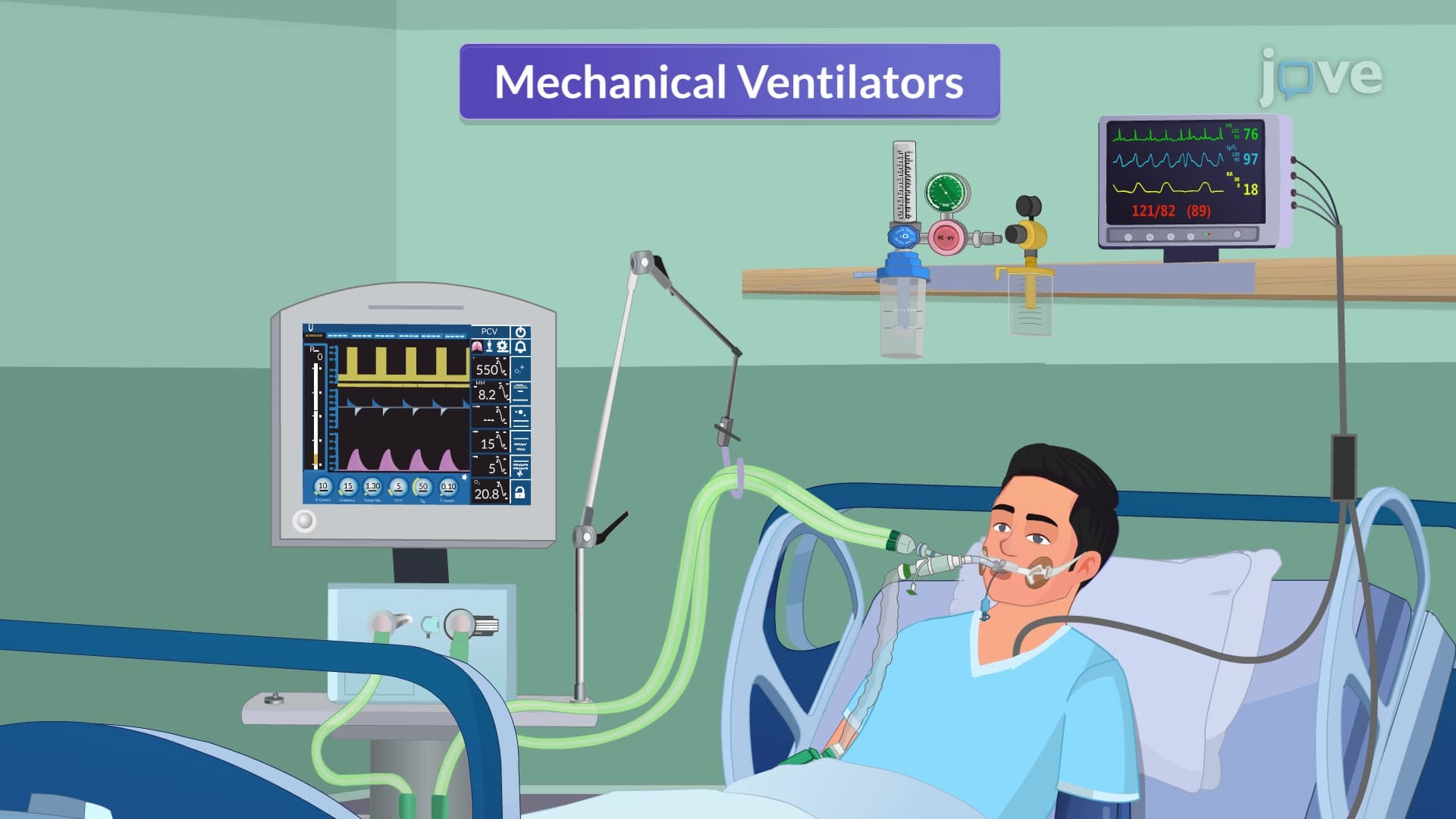
Ventilator configuration involves multiple interconnected parameters that clinicians adjust based on continuous patient monitoring. Tidal volume represents the air volume delivered with each mechanical breath, typically calculated at 6-8 mL per kilogram of ideal body weight to prevent lung injury. Respiratory rate determines breathing frequency, usually set between 12-20 breaths per minute depending on patient needs and arterial blood gas results.
Fraction of inspired oxygen (FiO2) controls oxygen concentration in delivered breaths, ranging from 21% (room air) to 100% pure oxygen based on oxygenation requirements. Positive end-expiratory pressure (PEEP) prevents alveolar collapse by maintaining constant airway pressure throughout the respiratory cycle, typically ranging from 5-15 cmH2O in most clinical applications.
Modern mechanical ventilators fall into two primary categories: negative-pressure and positive-pressure systems. Negative-pressure ventilators, historically represented by iron lungs, create external vacuum pressure to expand the chest cavity. However, positive-pressure ventilators dominate contemporary practice, actively pushing air into patient airways.
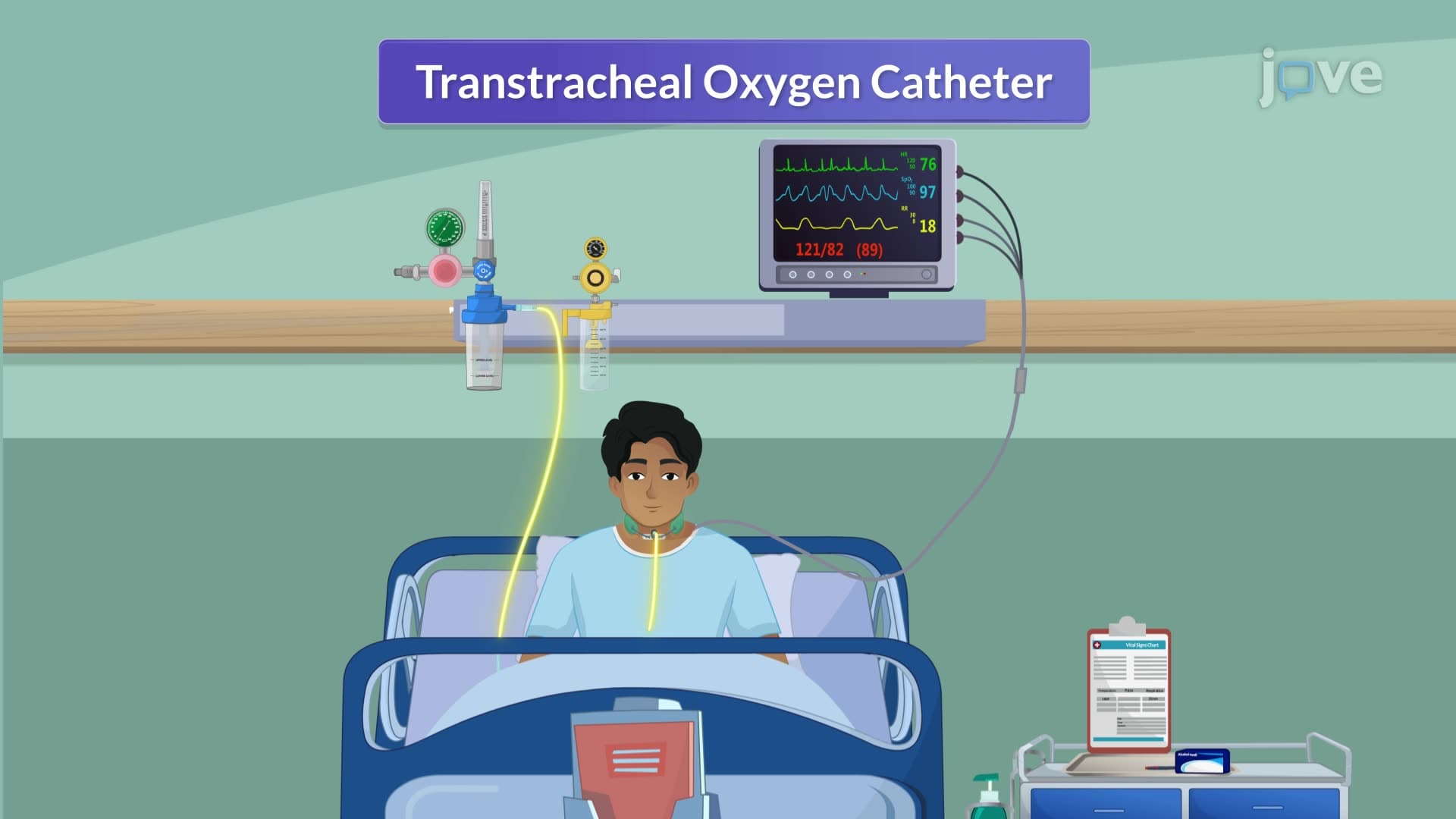
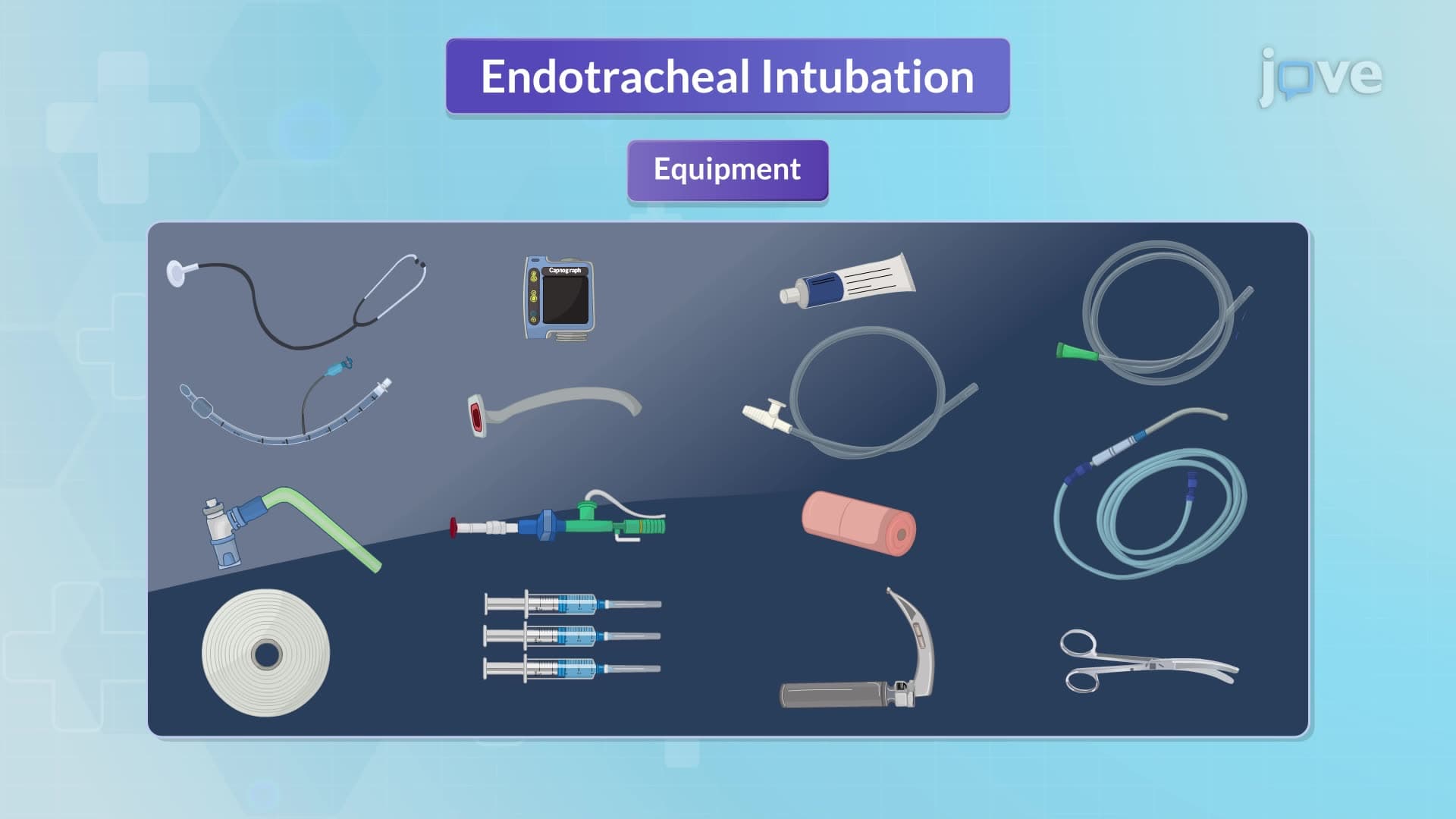
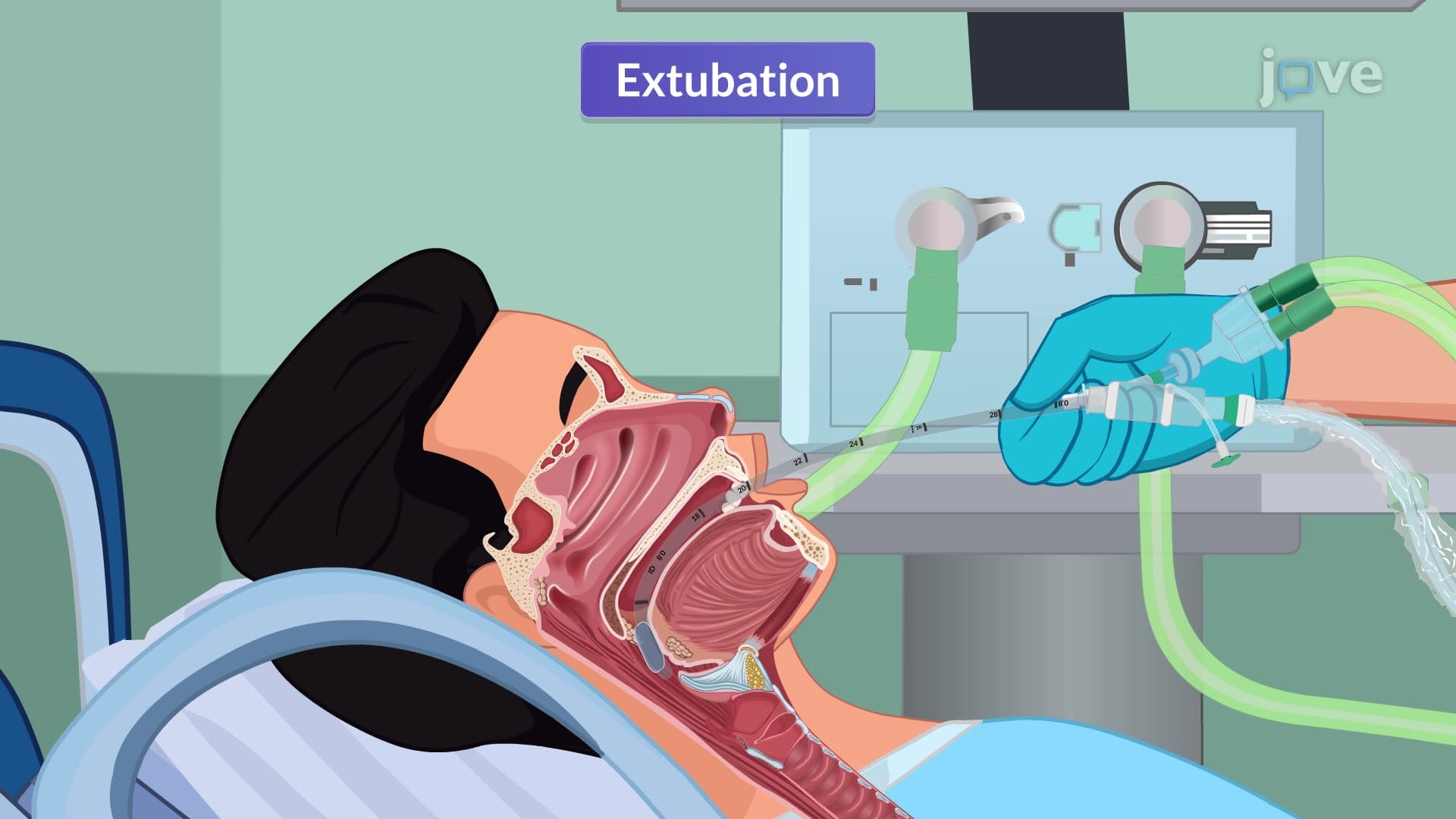
Positive-pressure systems subdivide into invasive and non-invasive categories. Invasive ventilation requires endotracheal tubes or tracheostomies, including volume-cycled ventilators that deliver predetermined air volumes and pressure-cycled systems that terminate inspiration at specific pressure thresholds. Non-invasive options include BiPAP (bilevel positive airway pressure) and CPAP (continuous positive airway pressure) systems commonly used for sleep apnea treatment and acute respiratory support without intubation.
Understanding these concepts proves essential for students pursuing healthcare careers, particularly those preparing for MCAT examinations or nursing school prerequisites. The material directly applies to college-level anatomy and physiology courses, where respiratory system function represents a fundamental curriculum component across US undergraduate programs.
Related Micro-courses