Loading subject page…


29,238 views


Video Summary: Mechanical Ventilation Ii Invasive Ventilation Explained
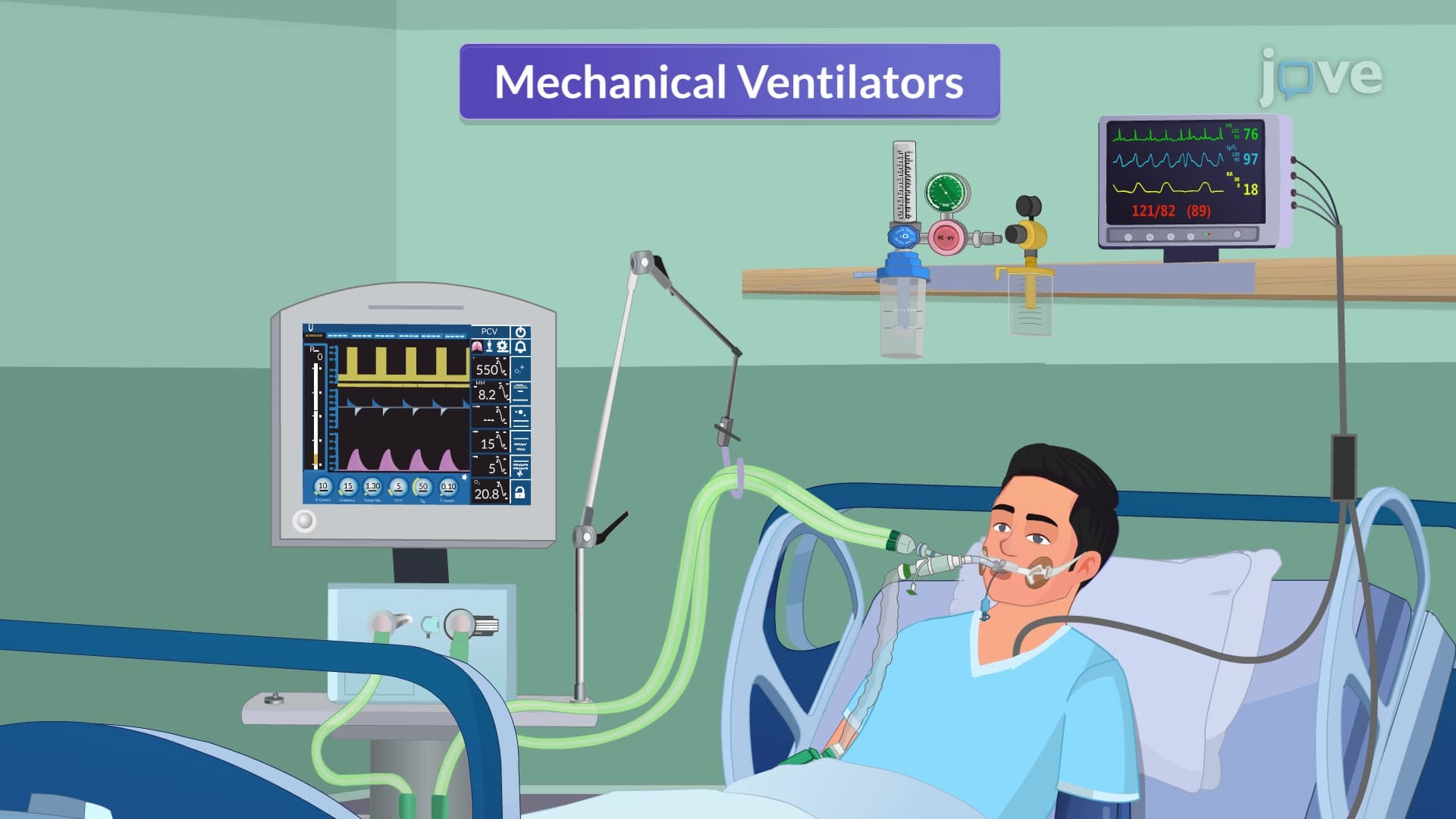
Did you know that over 300,000 Americans require mechanical ventilation in ICUs annually? Mechanical Ventilation II Invasive Ventilation involves connecting patients to life-support machines through tubes placed directly into their airways. At Houston Methodist Hospital, these sophisticated systems deliver precise breathing support using positive-pressure technology that inflates lungs artificially. Three main types-volume-cycled, pressure-cycled, and high-frequency oscillatory ventilators-each offer unique advantages for different patient conditions. Watch the full video on JoVE Coach to master this concept with expert-led visuals and step-by-step explanations.
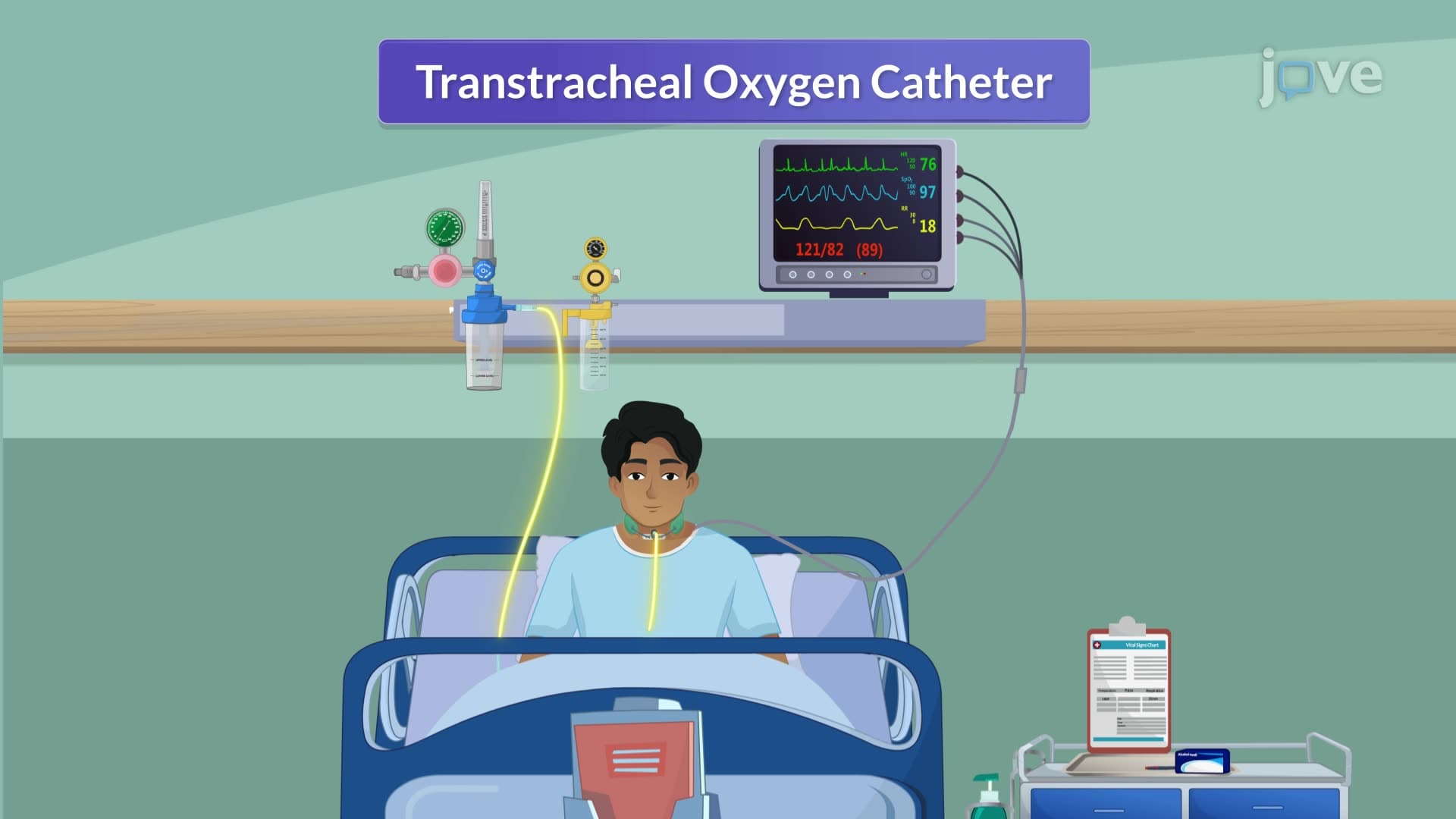
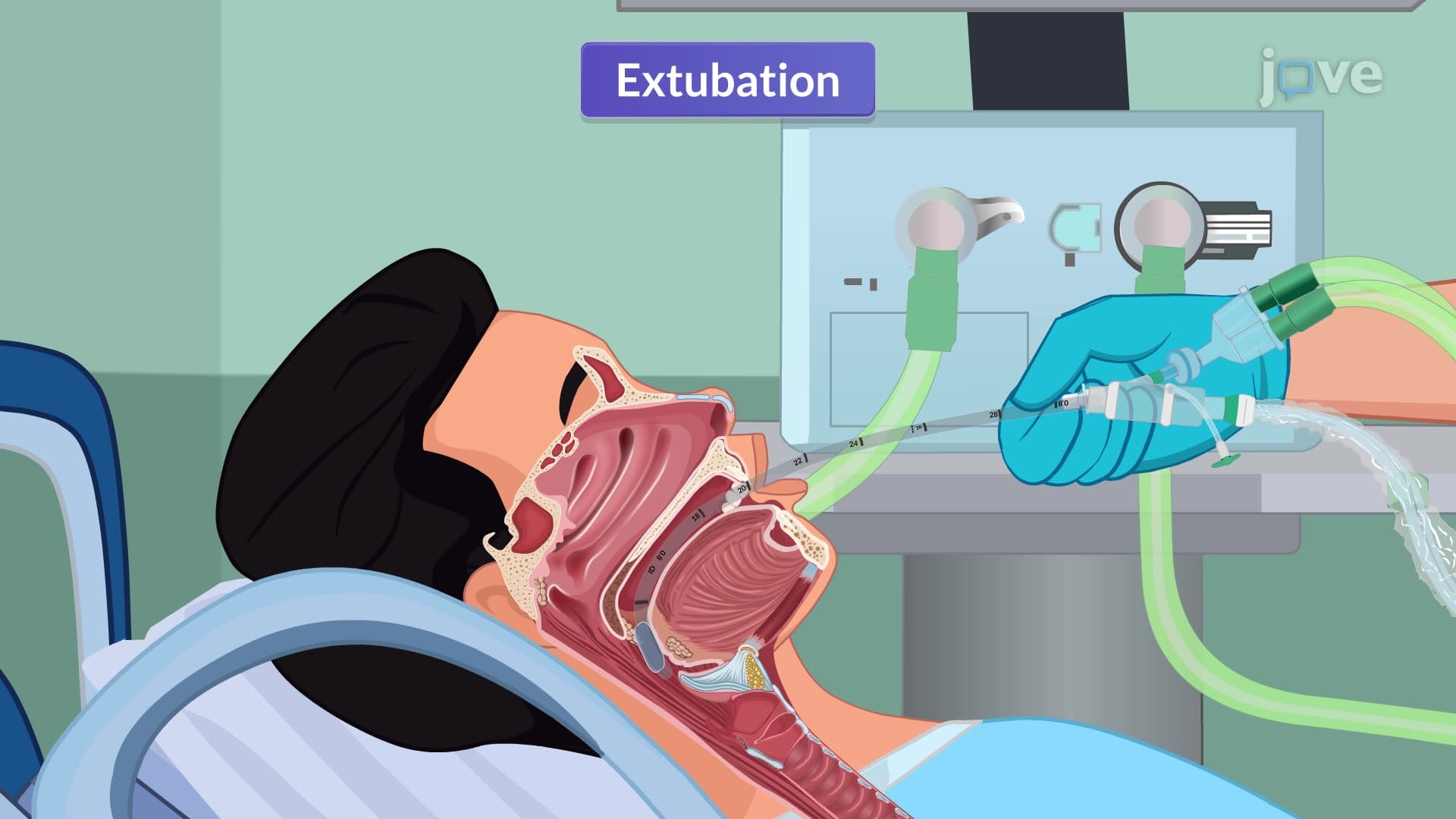
Mechanical Ventilation II Invasive Ventilation represents the gold standard for patients requiring complete respiratory support in American hospitals. Unlike non-invasive methods, this approach establishes a direct airway connection through endotracheal intubation or surgical tracheostomy, enabling precise control over breathing parameters. The Cleveland Clinic reports that invasive ventilation becomes necessary when patients cannot maintain adequate oxygenation or carbon dioxide removal independently.
Positive-pressure ventilation reverses normal breathing physiology by actively pushing air into the lungs rather than relying on diaphragmatic suction. During inspiration, the ventilator generates positive pressure that exceeds atmospheric pressure, forcing gas flow into the alveoli and causing lung expansion. This mechanism proves essential for patients with respiratory failure, as seen in COVID-19 units across major medical centers like Johns Hopkins and Mayo Clinic.
The expiration phase occurs passively-the ventilator simply stops delivering positive pressure, allowing elastic recoil of lung tissue and chest wall to expel air naturally. This cycle repeats according to programmed respiratory rates and volumes.
Volume-cycled ventilators deliver predetermined tidal volumes regardless of airway pressures required. These machines continue inflating lungs until the preset volume is achieved, then cycle off for passive expiration. This approach ensures consistent minute ventilation, making it popular in operating rooms at institutions like Massachusetts General Hospital.
However, volume-cycled systems carry barotrauma risks. When lung compliance decreases or airway resistance increases, these ventilators generate potentially dangerous pressures to deliver target volumes. Students preparing for MCAT respiratory physiology questions should understand this pressure-volume relationship thoroughly.
Pressure-cycled ventilators prioritize airway pressure limits over volume delivery. They inflate lungs until reaching preset pressure thresholds, then allow passive expiration. While this approach reduces barotrauma risk, it can result in inconsistent tidal volumes when lung mechanics change-a critical concept for USMLE Step 1 examinations.
High-frequency oscillatory ventilation represents advanced respiratory support, delivering 180-900 breaths per minute with minimal tidal volumes. This technique maintains gas exchange through molecular diffusion rather than bulk flow, proving invaluable for acute respiratory distress syndrome patients in specialized centers nationwide.
Related Micro-courses