Loading subject page…


29,238 views

Video Summary: Oxygen Delivering System Ii Venturi Explained
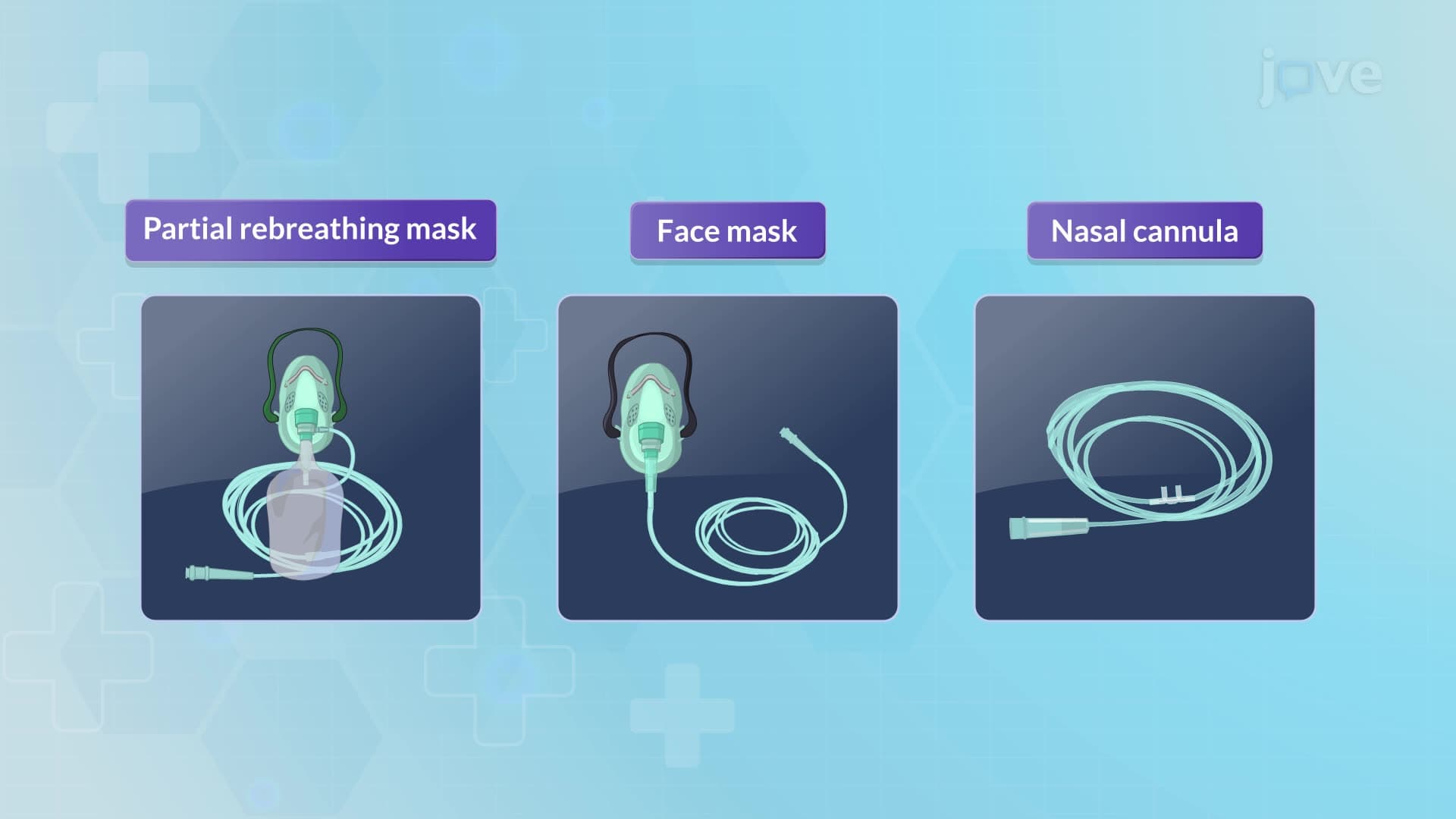
Did you know that precise oxygen delivery can mean the difference between life and death for patients with chronic obstructive pulmonary disease (COPD) in US hospitals? The oxygen delivering system ii venturi uses a fascinating pressure-drop mechanism to control exact oxygen concentrations, unlike basic nasal cannulas that can't guarantee specific FiO2 levels. Venturi masks are commonly used in medical facilities like Johns Hopkins Hospital to deliver precise 24-60% oxygen concentrations. Watch the full video on JoVE Coach to master this concept with expert-led visuals and step-by-step explanations.
The Oxygen Delivering System II Venturi represents a sophisticated application of fluid dynamics principles in medical respiratory therapy. Unlike simple oxygen delivery methods, venturi systems harness Bernoulli's principle to create predictable, precise oxygen concentrations. When oxygen flows through the venturi tube's narrowed section, fluid velocity increases while pressure decreases, creating a vacuum effect that draws ambient air through strategically placed side ports. This pressure differential allows healthcare providers to calculate and control exact oxygen-to-air ratios, delivering specific FiO2 (fraction of inspired oxygen) percentages.
Venturi masks feature a large-diameter tube connected to an oxygen source, with a constricted section that creates the essential pressure drop. Medical facilities across the United States, including Cleveland Clinic and Mayo Clinic, rely on these devices for patients requiring precise oxygen therapy. The adjustable design allows clinicians to dial in specific concentrations from 24% to 60%, making them invaluable for COPD patients who risk carbon dioxide retention with excessive oxygen. The system also incorporates humidification capabilities, preventing airway drying-a critical consideration for patient comfort during extended therapy sessions.
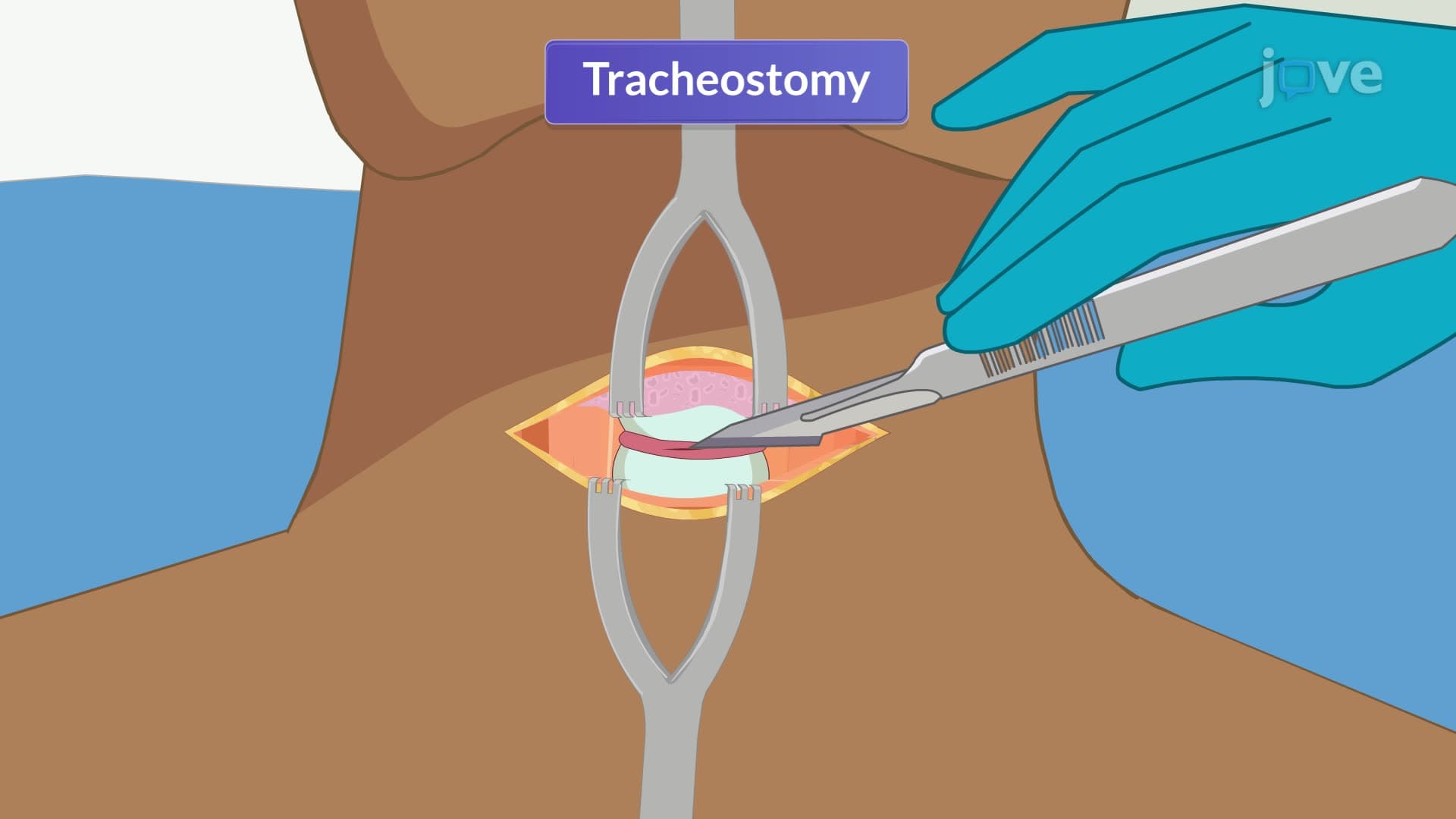
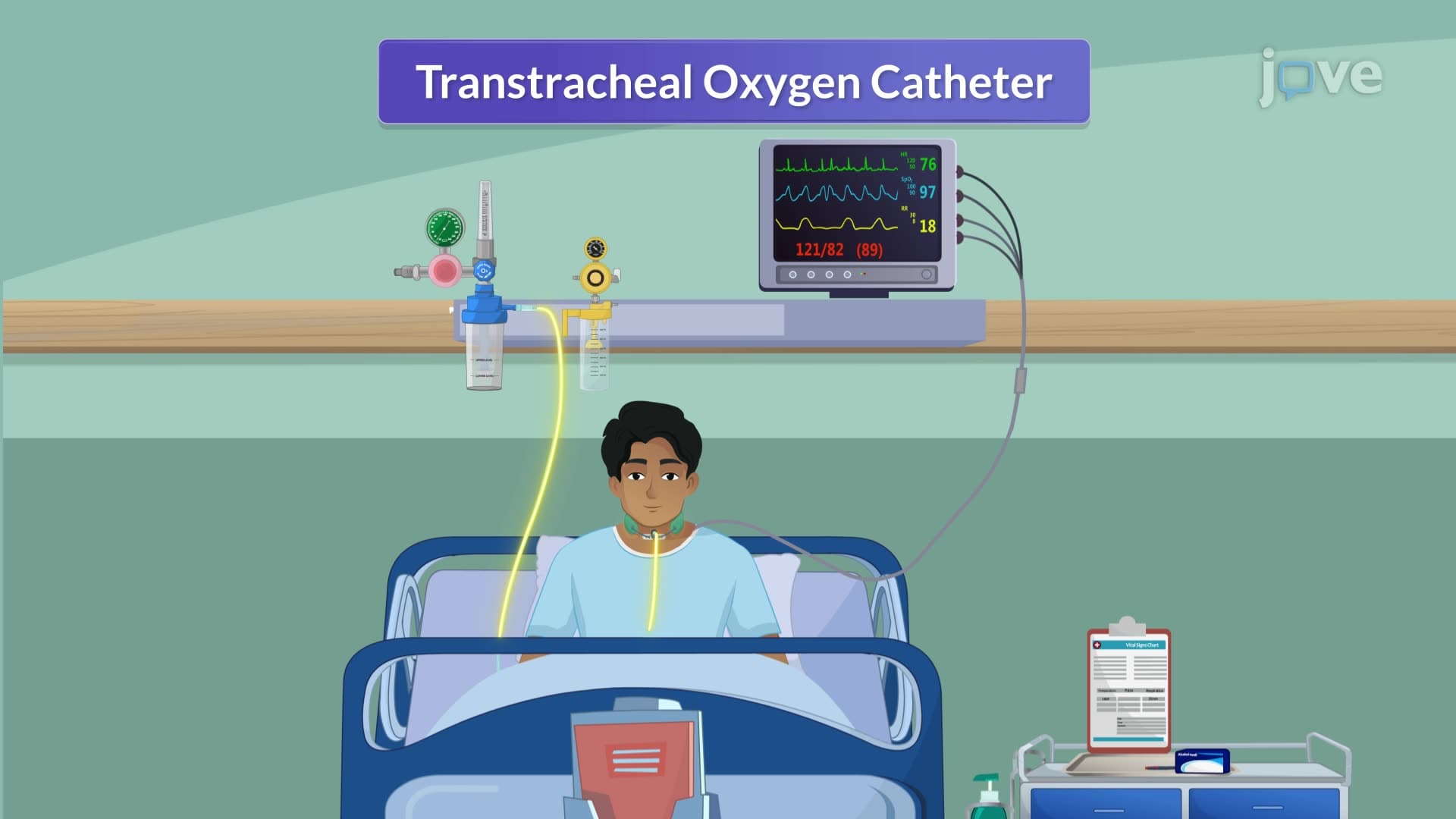
Transtracheal oxygen delivery represents an advanced alternative requiring surgical intervention. This method involves inserting a small catheter directly into the trachea through a minor incision, secured with an elastic neck strap. Major medical centers like Stanford Hospital utilize this approach for patients requiring long-term oxygen therapy. The direct tracheal access eliminates dead space ventilation, improving oxygen efficiency while allowing normal speech and eating-significant quality-of-life improvements over mask-based systems.
Understanding oxygen delivery systems proves essential for students pursuing healthcare careers, frequently appearing on MCAT passages, NCLEX-RN examinations, and respiratory therapy board certifications. AP Biology students encounter these concepts when studying gas exchange and homeostasis, while college anatomy and physiology courses emphasize the relationship between oxygen delivery methods and patient outcomes. Recognizing when to select venturi masks versus alternative delivery systems requires understanding patient mobility needs, infection risk tolerance, and the critical importance of precise FiO2 control in preventing respiratory complications.
Related Micro-courses