Loading subject page…


29,238 views


Video Summary: Tracheostomy Care I Pre Procedural Steps Explained
Every year in the US, over 100,000 patients receive tracheostomies, making proper pre-procedural preparation critical for patient safety. Tracheostomy care I pre procedural steps involve systematic equipment gathering, patient positioning, and sterile technique implementation to prevent complications. For instance, at Johns Hopkins Hospital, standardized pre-procedural protocols have reduced tracheostomy-related infections by 30%. These tracheostomy care I pre procedural steps ensure healthcare providers maintain patient safety while delivering effective respiratory care. Watch the full video on JoVE Coach to master this concept with expert-led visuals and step-by-step explanations.
Tracheostomy care represents a critical nursing skill that demands meticulous preparation to ensure patient safety and optimal outcomes. The pre-procedural phase serves as the foundation for successful tracheostomy maintenance, establishing sterile conditions and proper patient positioning that directly impact infection rates and patient comfort.
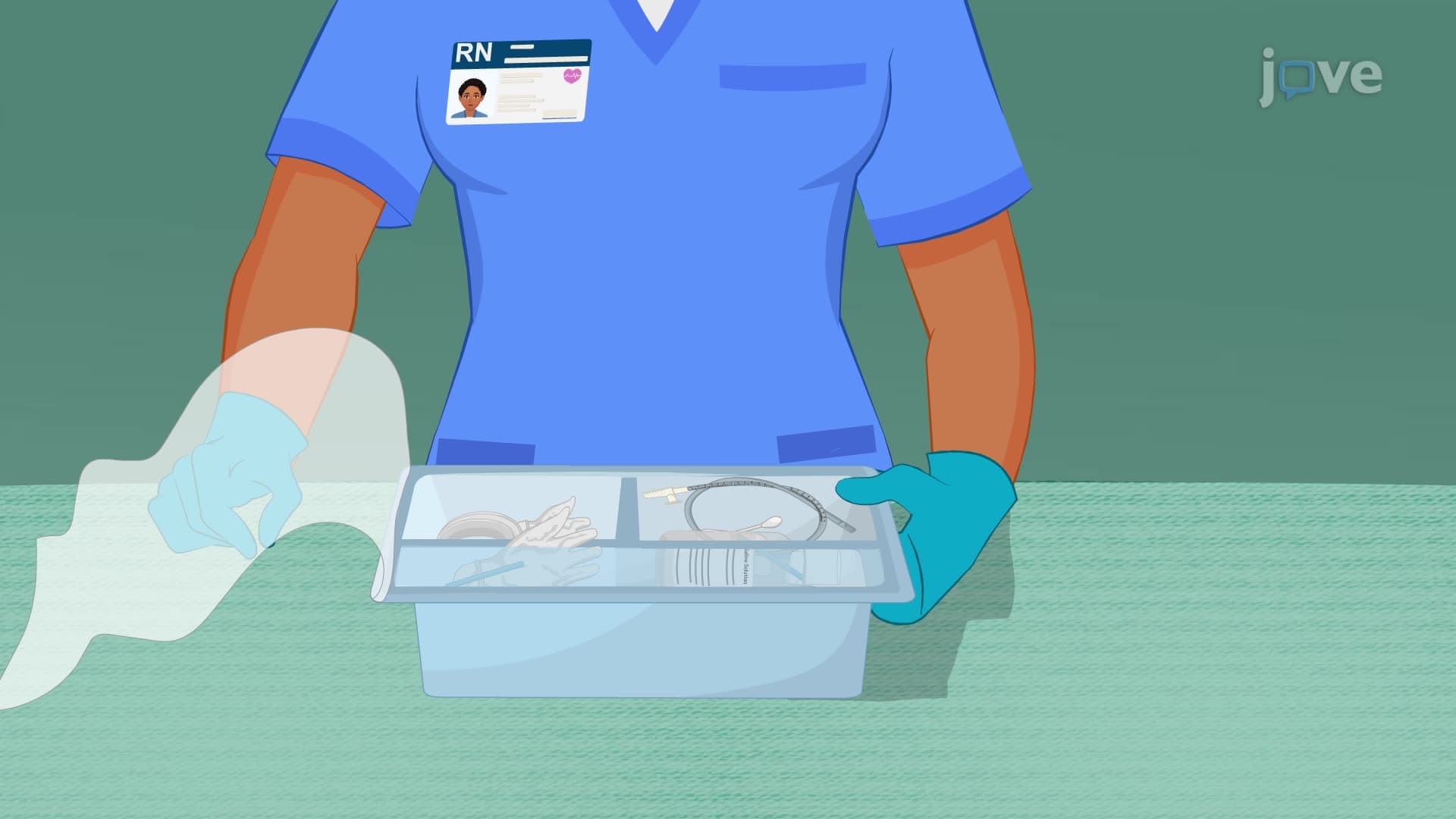
The systematic gathering of supplies reflects evidence-based practice standards adopted across major US healthcare systems. Sterile gloves, goggles, and masks form the primary protective barrier, while sterile saline and cotton-tipped applicators facilitate gentle cleaning around the stoma site. The inclusion of disposable inner cannulas has revolutionized tracheostomy care by reducing cleaning time and minimizing infection risk. Modern healthcare facilities like Mayo Clinic and Cleveland Clinic have implemented standardized supply carts that contain pre-organized tracheostomy care kits, reducing preparation time by up to 40%.
The suction catheter serves dual purposes in pre-procedural preparation. Not only does it clear secretions that could interfere with the cleaning process, but it also allows assessment of secretion characteristics that might indicate infection or other complications. Students preparing for the NCLEX-RN examination should understand that proper suctioning technique involves maintaining sterile conditions and limiting suction duration to prevent hypoxia.
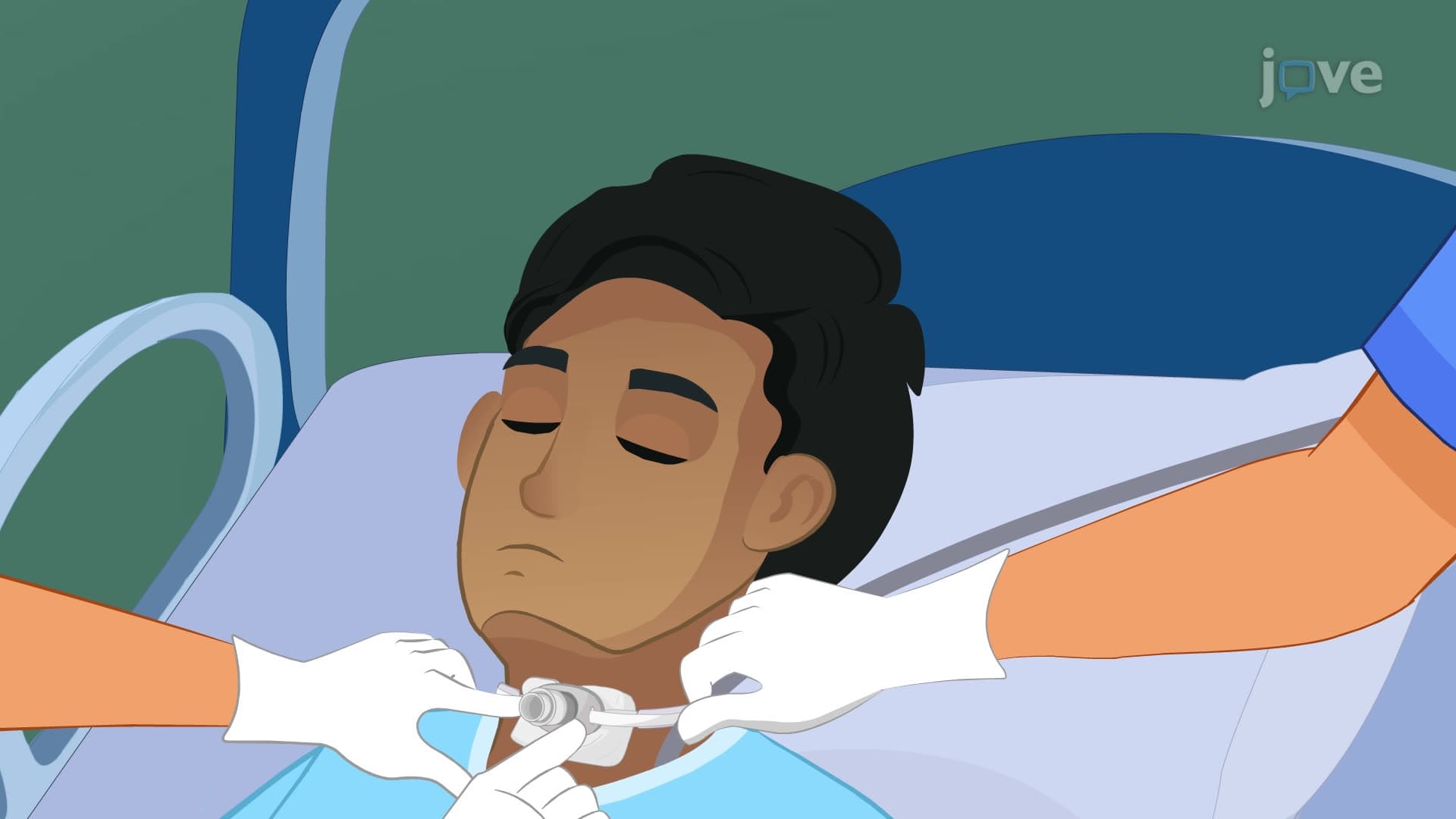
Patient positioning represents a critical decision point that requires clinical judgment based on consciousness level and respiratory status. The semi-Fowler's position (45-60 degree elevation) promotes optimal respiratory mechanics by utilizing gravity to assist diaphragmatic movement. This position also facilitates easier access to the tracheostomy site while maintaining patient comfort.
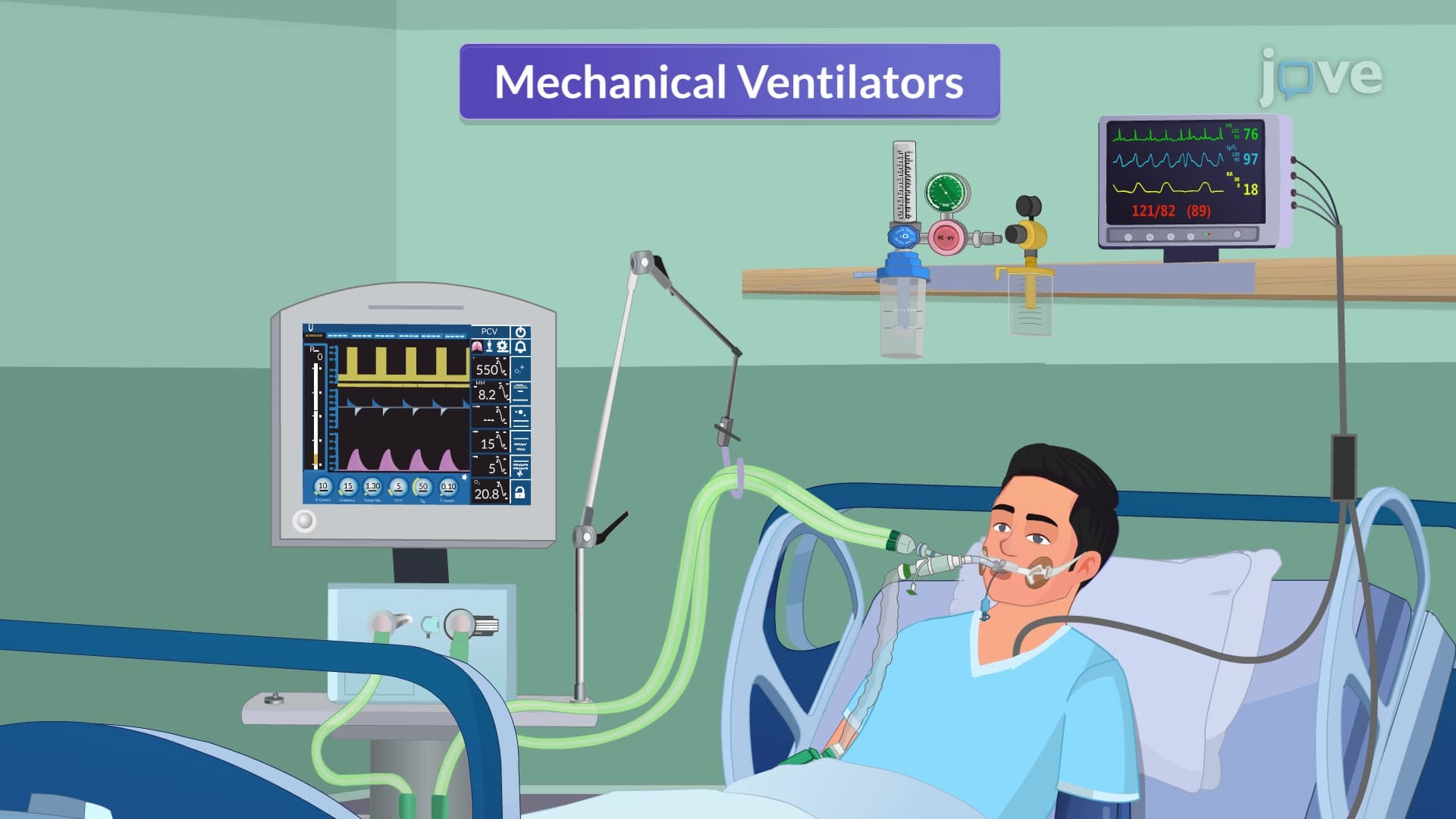
For unconscious patients, the lateral position prevents aspiration of secretions while allowing healthcare providers adequate visualization of the stoma. This positioning strategy has become standard practice in intensive care units across US hospitals, where tracheostomy patients often require extended mechanical ventilation support.
Understanding these pre-procedural steps proves essential for nursing students preparing for clinical rotations and standardized examinations. The HESI A2 and TEAS exams frequently include questions about infection control measures and patient positioning. Additionally, medical students studying for the USMLE Step 2 CK encounter scenarios involving tracheostomy complications that could have been prevented through proper pre-procedural preparation.
The concept also applies to respiratory therapy students learning airway management techniques. Proper preparation directly correlates with successful outcomes, making this knowledge applicable across multiple healthcare disciplines and certification examinations.
Related Micro-courses