Loading subject page…


29,238 views


Video Summary: What Is Tracheostomy Decannulation
Did you know that over 100,000 tracheostomy procedures are performed annually in US hospitals, yet many patients can eventually have their breathing tubes permanently removed? Tracheostomy decannulation is the careful process of removing a tracheostomy tube once a patient no longer needs artificial airway support. For example, a car accident victim at Johns Hopkins who required emergency breathing assistance might undergo decannulation weeks later after their condition stabilizes. Watch the full video on JoVE Coach to master this concept with expert-led visuals and step-by-step explanations.
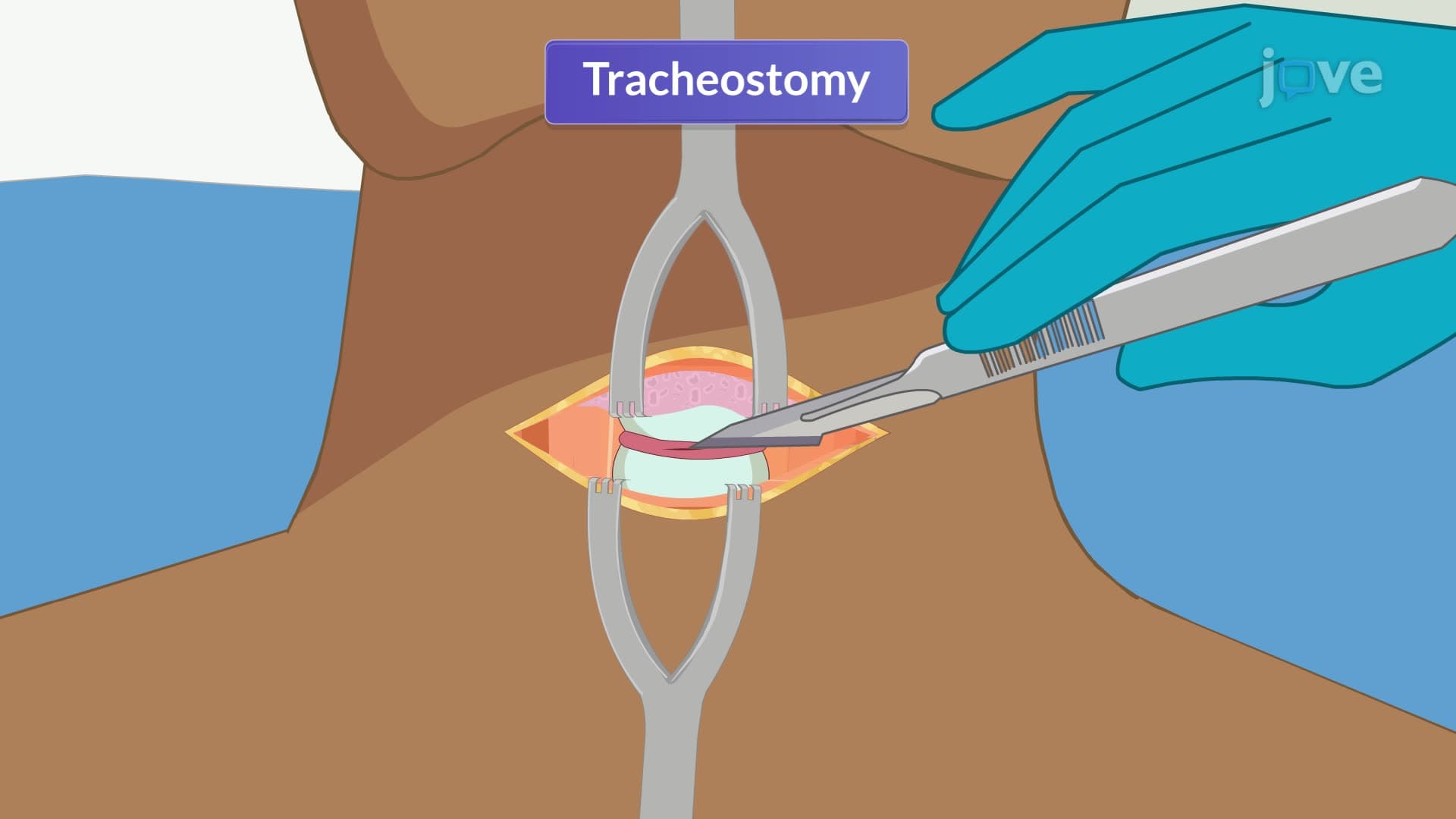
Tracheostomy decannulation represents a significant medical milestone-the permanent removal of an artificial breathing tube when a patient's natural airway function has been restored. Unlike temporary tube changes or adjustments, decannulation signals that the underlying condition necessitating the tracheostomy has resolved sufficiently for independent breathing.
Before attempting decannulation, healthcare teams conduct comprehensive evaluations focusing on three critical areas. First, gas exchange adequacy ensures patients can maintain proper oxygen and carbon dioxide levels without mechanical support. Second, secretion management confirms patients can independently clear airway secretions through effective coughing. Third, hemodynamic stability verifies that cardiovascular function remains stable during breathing challenges.
The "cork trial" serves as the gold standard assessment tool. During this test, the tracheostomy tube is temporarily plugged while monitoring the patient's respiratory status, oxygen saturation, and comfort level. Successful trials lasting 24-48 hours typically indicate decannulation readiness.
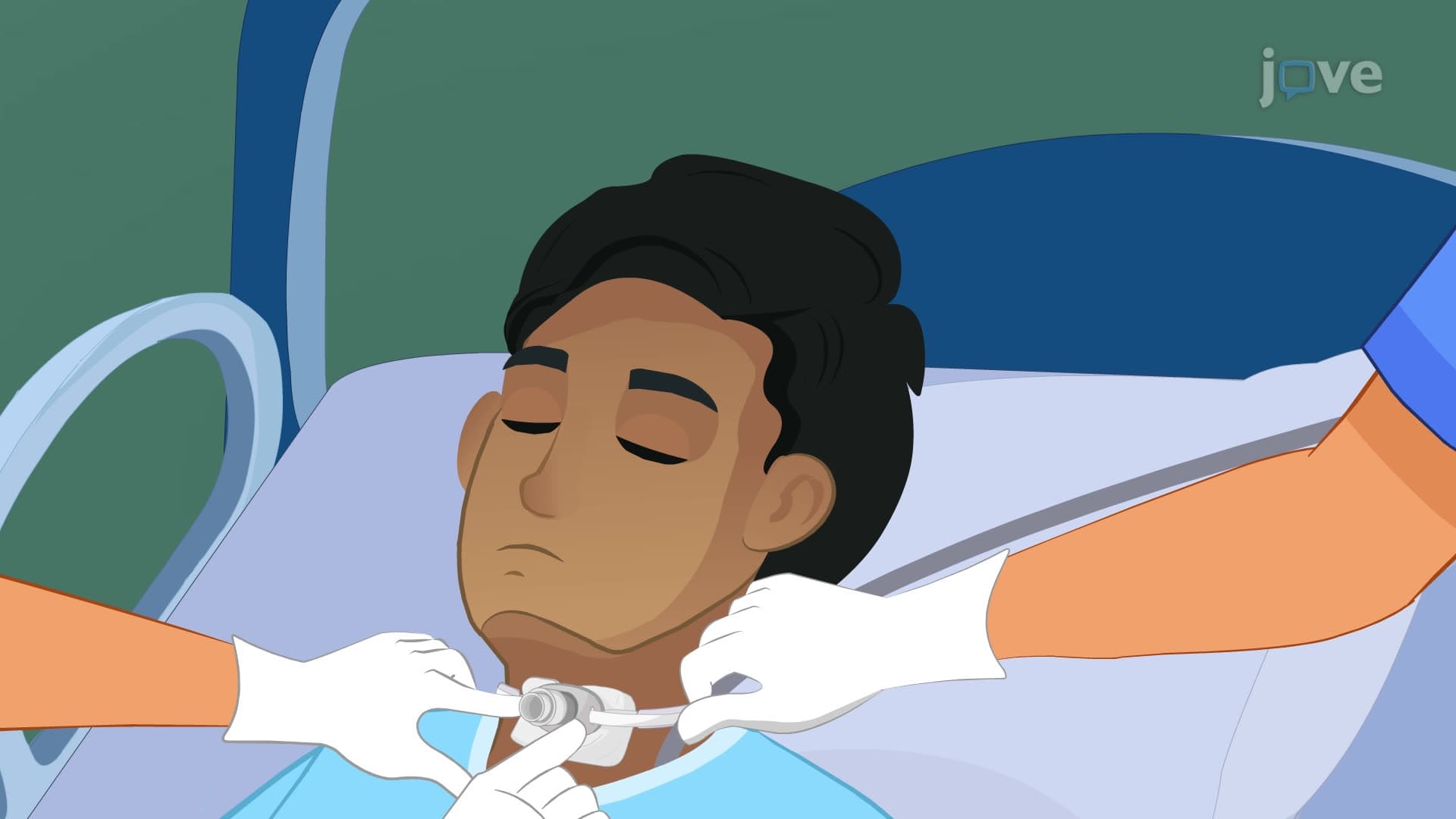
The decannulation process follows strict safety protocols beginning with thorough patient explanation and vital sign monitoring. Healthcare providers suction the tracheostomy to clear secretions, then carefully deflate the cuff and remove securing sutures or tapes. The tube is withdrawn in a single, smooth motion while the patient holds their breath or performs controlled breathing.
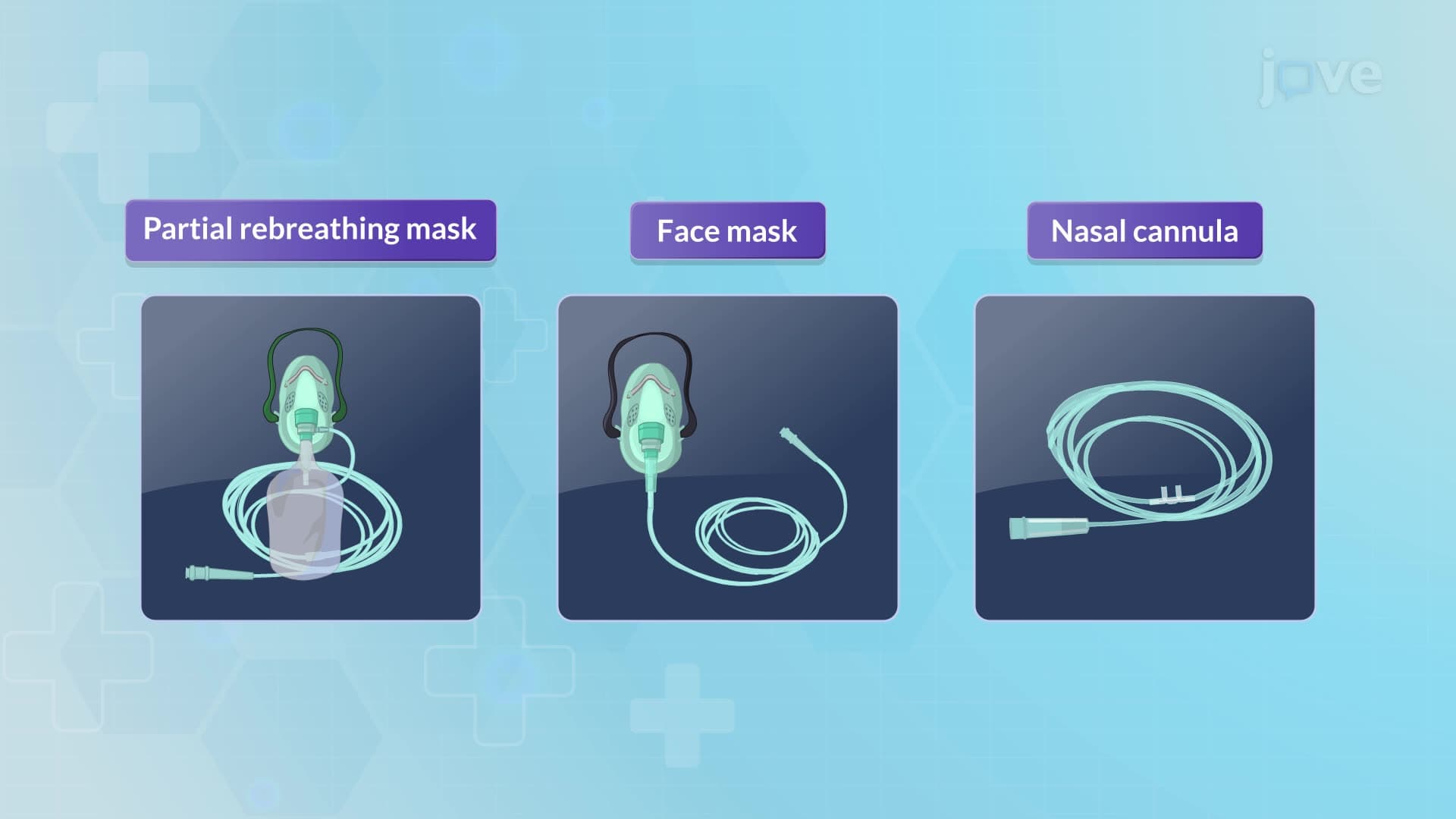
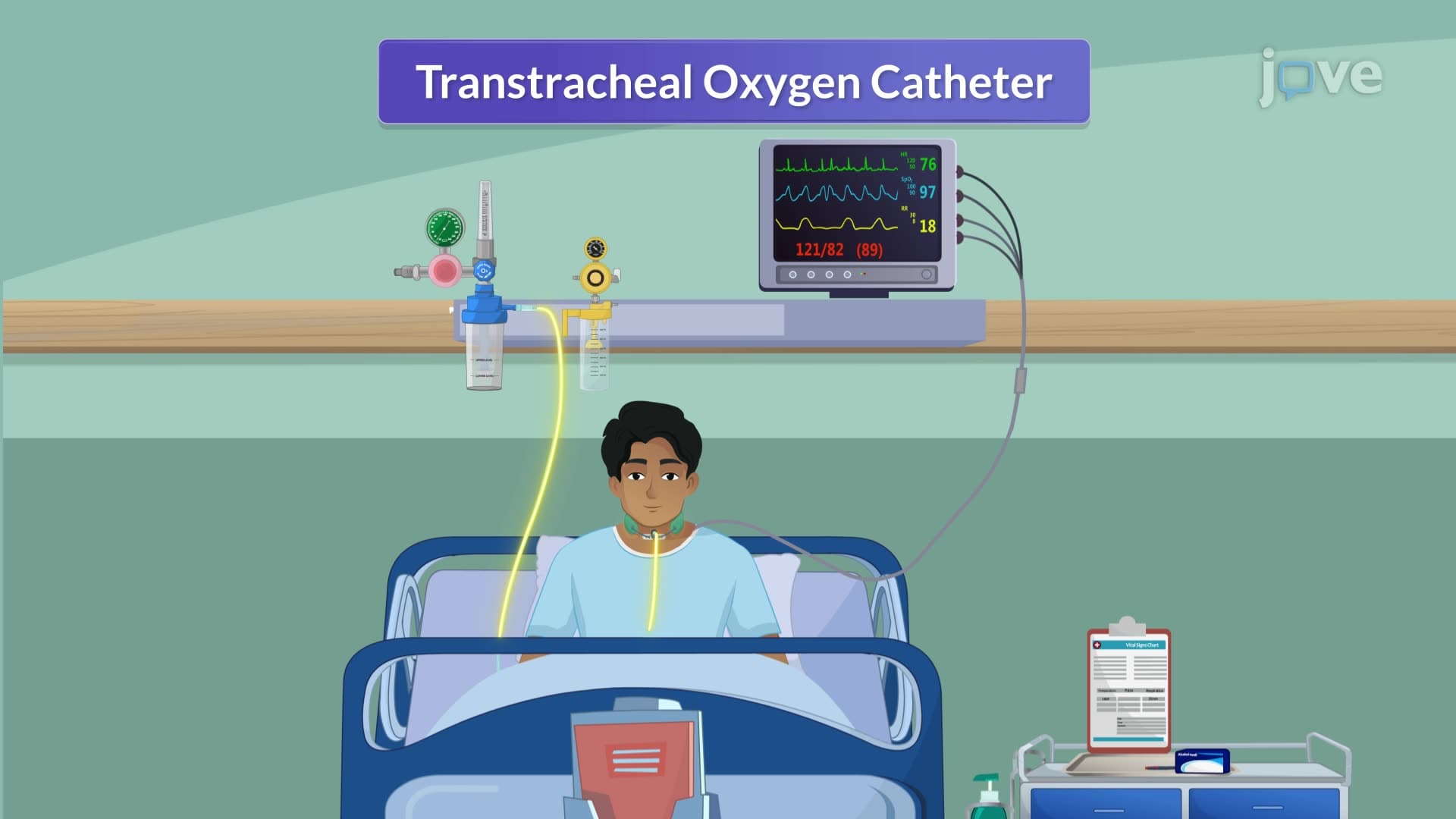
Post-removal care involves applying sterile occlusive dressings and continuous monitoring for complications like bleeding, respiratory distress, or subcutaneous emphysema. Alternative oxygen delivery systems-such as nasal cannulas or face masks-may be implemented based on individual patient needs.
Understanding tracheostomy decannulation proves essential for students pursuing healthcare careers, particularly those preparing for nursing (NCLEX-RN), medical (USMLE), or respiratory therapy licensure exams. The concept frequently appears in critical care and medical-surgical nursing courses, emphasizing patient safety and clinical decision-making skills.
Real-world applications extend across various healthcare settings, from intensive care units in major medical centers like Cleveland Clinic to rehabilitation facilities specializing in long-term acute care. Students studying for AP Biology or college anatomy courses will encounter this topic when exploring respiratory system pathophysiology and therapeutic interventions.
Related Micro-courses