Loading video…


 22 Concepts
 29.2K views


Video Summary: What Is Tracheostomy Suctioning Ii Procedure
Every 30 seconds in US intensive care units, a patient with a tracheostomy requires airway suctioning to prevent life-threatening complications. The tracheostomy suctioning ii procedure is a critical sterile technique used by respiratory therapists and nurses at hospitals like Johns Hopkins to remove secretions from patients' artificial airways. This advanced procedure builds upon basic suctioning skills, requiring precise aseptic technique, proper equipment handling, and careful patient monitoring throughout the process. Watch the full video on JoVE Coach to master this concept with expert-led visuals and step-by-step explanations.
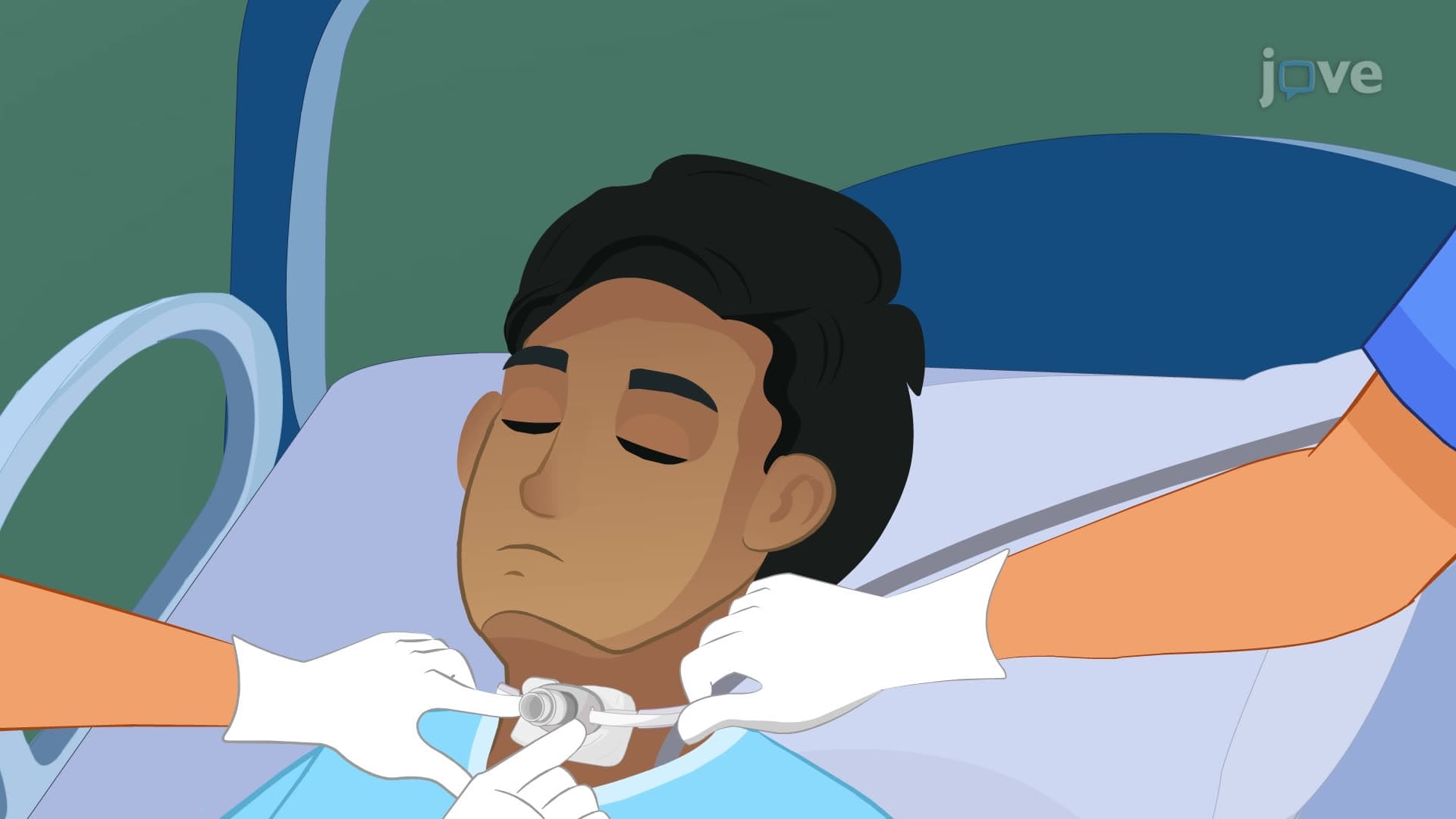
The tracheostomy suctioning ii procedure represents an advanced respiratory care technique essential for patients with artificial airways. Unlike oral suctioning, this procedure requires strict sterile technique because the catheter enters the lower respiratory tract directly through the tracheostomy stoma. This advanced procedure is commonly performed in US hospitals, skilled nursing facilities, and home healthcare settings where patients depend on mechanical ventilation or have compromised airway clearance.
Healthcare professionals performing this procedure must understand that tracheostomies bypass the upper airway's natural filtering and humidification mechanisms. Consequently, patients accumulate thick secretions that can obstruct breathing and lead to pneumonia if not properly removed. The procedure's sterile nature prevents introducing pathogens directly into the lungs, making technique precision crucial for patient safety.
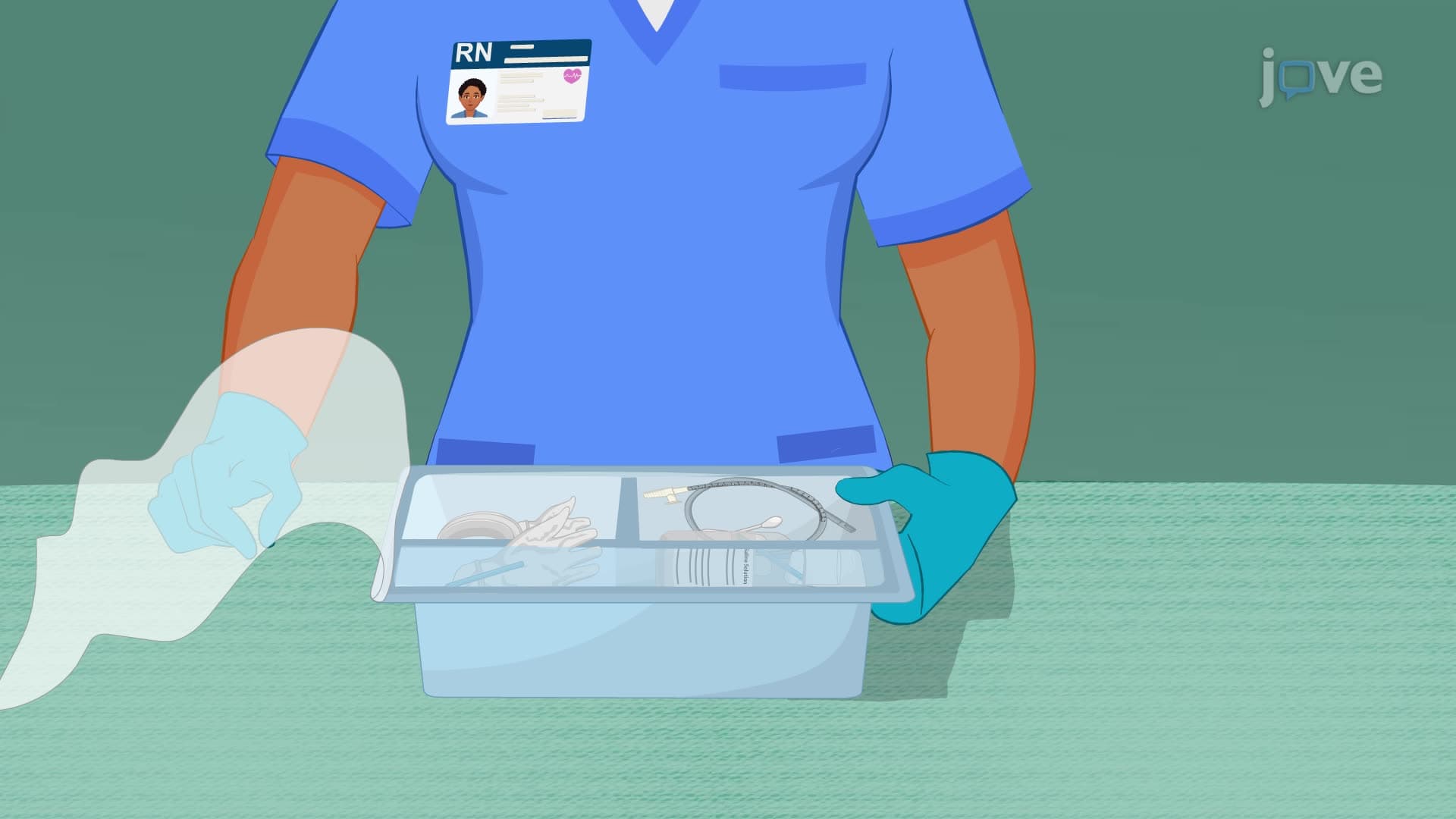
Proper equipment setup forms the foundation of safe tracheostomy suctioning. The sterile suction package contains specialized catheters designed for tracheal use, typically 12-16 French for adults. Creating a sterile field requires opening packages without contaminating contents-a skill emphasized in nursing programs at institutions like the University of Pennsylvania and Duke University.
The dual-glove technique maintains sterility while allowing suction control. The dominant hand remains sterile throughout the procedure, handling only the catheter and sterile saline. The non-dominant hand, considered clean, operates the suction machine and Y-port. This technique prevents cross-contamination while maintaining procedural efficiency.
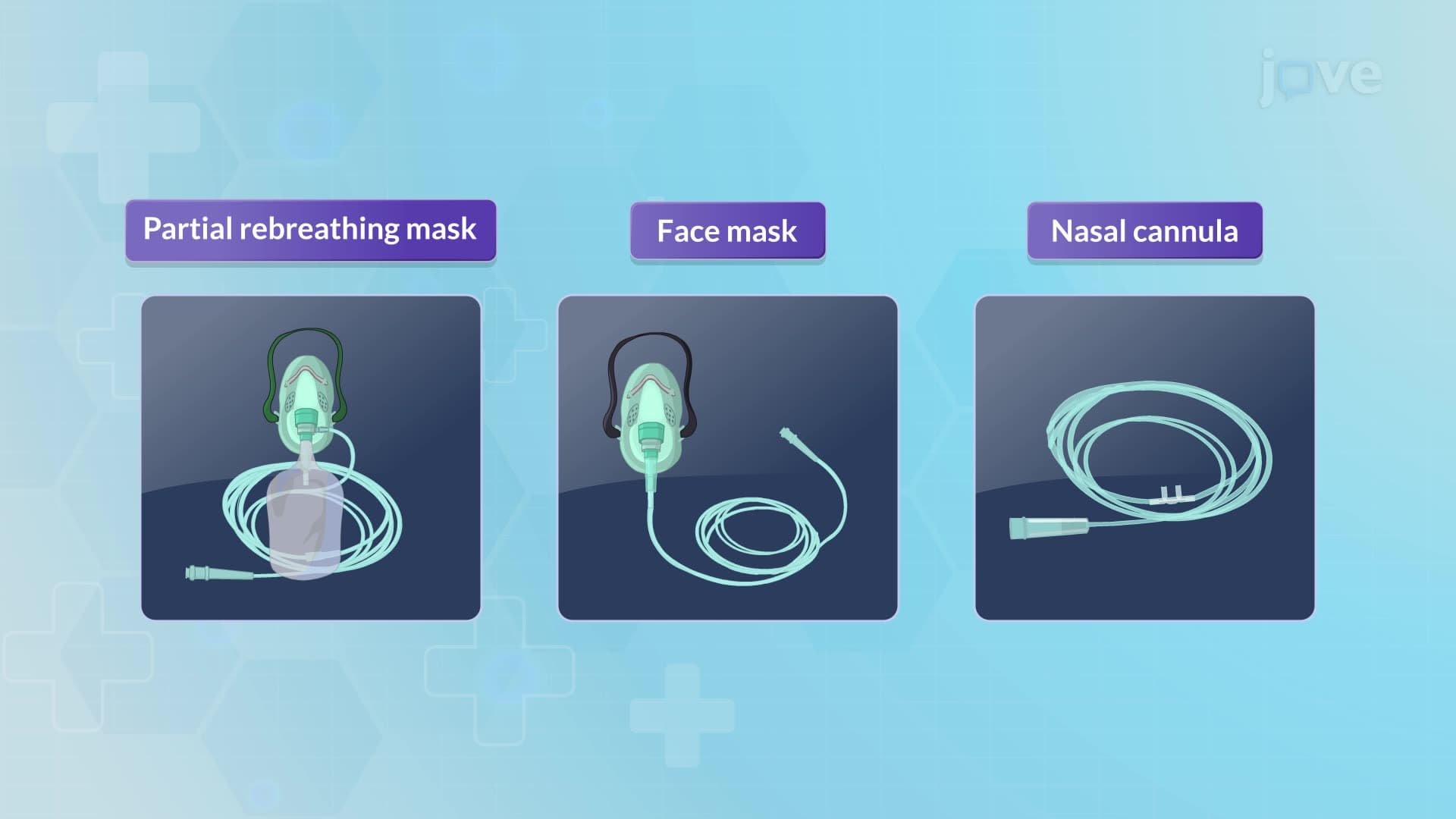
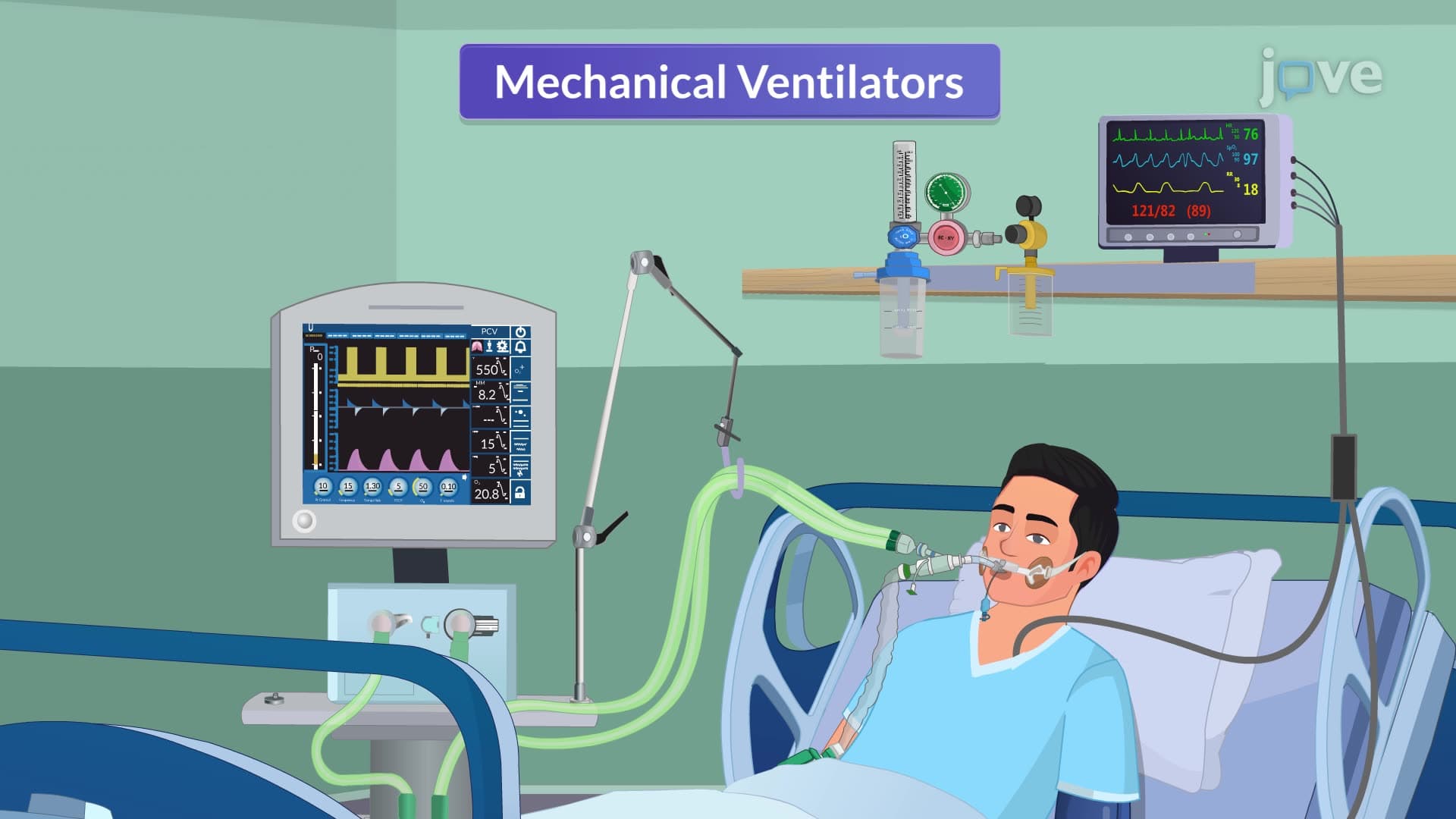
Pre-suctioning hyperventilation prevents hypoxemia, a dangerous drop in blood oxygen levels that can cause cardiac arrhythmias or brain injury. Using a manual resuscitation bag, healthcare providers deliver 3-6 breaths with 100% oxygen before removing the ventilator or oxygen delivery system. This technique is particularly crucial for patients in US trauma centers and ICUs where oxygen reserves may be critically low.
The 10-15 second suctioning limit prevents tissue trauma and maintains adequate oxygenation. Exceeding this timeframe can cause vagal stimulation, leading to dangerous heart rate drops. Catheter rotation during withdrawal ensures complete secretion removal while minimizing mucosal damage to the delicate tracheal lining.
This procedure appears frequently on nursing licensure exams including the NCLEX-RN, where candidates must demonstrate understanding of sterile technique principles. Respiratory therapy students studying for the Certified Respiratory Therapist (CRT) exam encounter detailed questions about suctioning protocols and complication prevention.
In clinical practice, documentation requirements include suctioning frequency, secretion characteristics, and patient tolerance. Healthcare facilities like Massachusetts General Hospital and Cleveland Clinic maintain strict protocols ensuring consistent, safe procedure implementation across all departments caring for tracheostomy patients.
Related Micro-courses