Loading subject page…


5,820 views


Video Summary: Sputum Studies I Gram Stain Explained
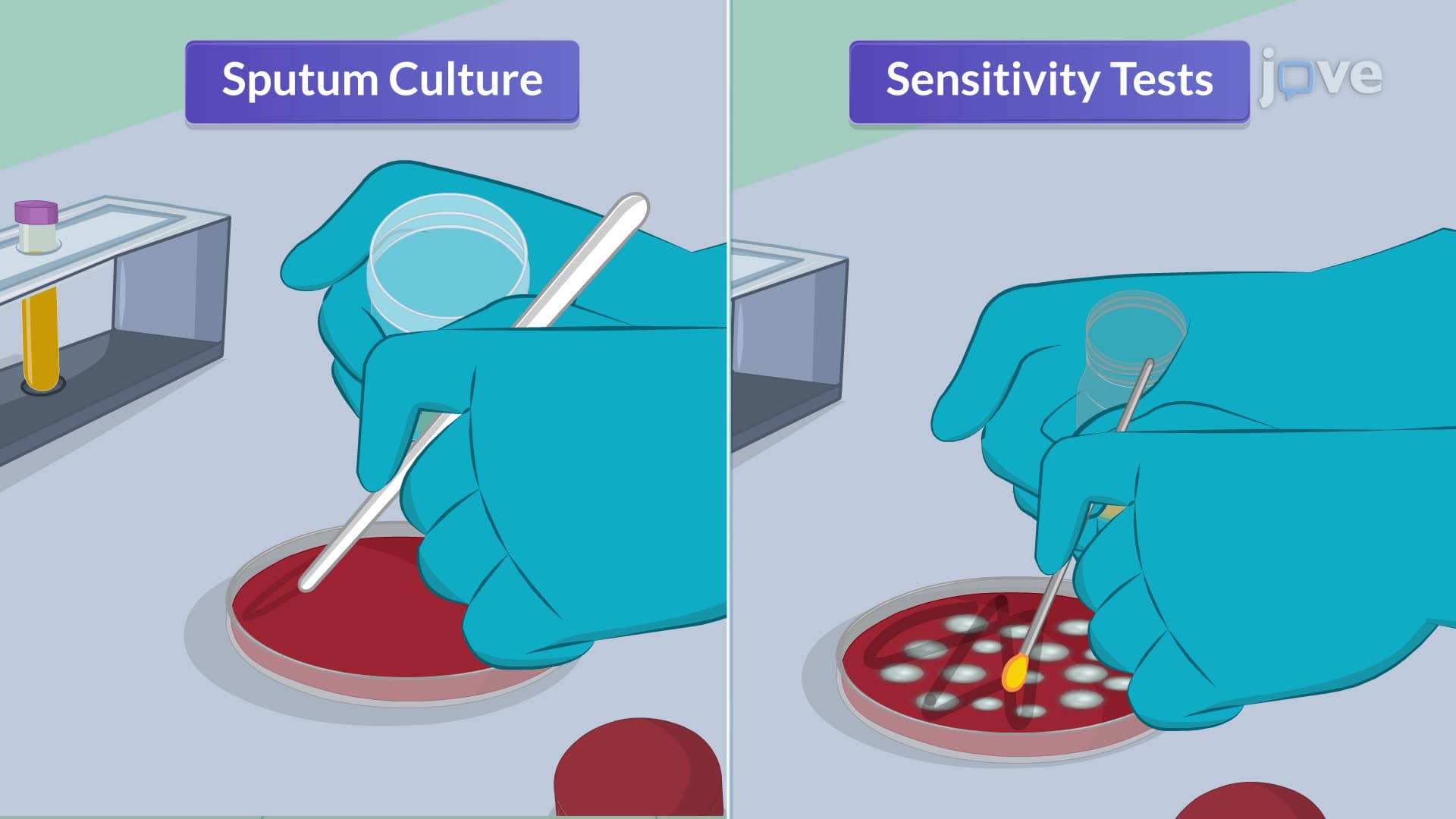
Did you know that a simple sputum sample can reveal the exact bacteria causing a patient's pneumonia within hours? Sputum studies i gram stain is a fundamental diagnostic technique that differentiates bacteria into gram-positive and gram-negative categories through specialized staining methods. At Johns Hopkins Hospital, this rapid test helps physicians choose the right antibiotic treatment for respiratory infections before culture results are available. Watch the full video on JoVE Coach to master this concept with expert-led visuals and step-by-step explanations.
Sputum studies i gram stain represents one of the most critical diagnostic tools in respiratory medicine, providing rapid bacterial identification that guides antibiotic therapy. This differential staining technique, developed by Hans Christian Gram in 1884, remains the gold standard for initial bacterial classification in clinical laboratories across the United States.
The Gram stain process involves four sequential steps: primary stain (crystal violet), mordant (iodine), decolorization (alcohol or acetone), and counterstain (safranin). Gram-positive bacteria retain the purple crystal violet dye due to their thick peptidoglycan cell walls, while gram-negative bacteria lose this color during decolorization and appear pink from the safranin counterstain.
In US hospitals, gram stain results directly influence treatment decisions for conditions like community-acquired pneumonia. For instance, gram-positive cocci in clusters suggest *Staphylococcus aureus* infection, prompting clinicians at institutions like Mayo Clinic to consider methicillin-resistant *S. aureus* (MRSA) coverage. Conversely, gram-negative rods might indicate *Pseudomonas aeruginosa*, requiring different antibiotic approaches.
The three primary sputum studies work synergistically: Gram stain provides immediate bacterial information, cytology screens for malignant cells (crucial in lung cancer diagnosis), and acid-fast testing identifies tuberculosis-particularly important given the CDC's ongoing TB surveillance programs in major US cities.
Proper sputum collection significantly impacts diagnostic accuracy. The optimal specimen comes from deep coughing after overnight secretion accumulation, explaining why early-morning samples yield superior results. At Cleveland Clinic, respiratory therapists emphasize mouth rinsing before collection to minimize oral flora contamination.
For patients unable to produce adequate specimens, bronchoscopy becomes necessary. This procedure, commonly performed in US pulmonary medicine departments, allows direct sampling from lower respiratory tract sites. Tracheostomy patients require specialized suction techniques to obtain quality specimens from tracheal secretions.
Students preparing for MCAT biology sections encounter gram stain principles in microbiology contexts, while AP Biology curricula include bacterial classification systems. Nursing students facing NCLEX-RN examinations must understand sputum collection protocols and infection control measures. Medical students studying for USMLE Step 1 integrate gram stain interpretation with clinical decision-making scenarios involving respiratory infections.
Related Micro-courses