Loading subject page…


1,417 views


Video Summary: Nephrotic Syndrome Iii Nursing Management Explained
Did you know that patients with advanced nephrotic syndrome can lose up to 3.5 grams of protein daily through their urine-equivalent to eating a chicken breast and having it completely disappear from your body? Nephrotic syndrome III nursing management becomes critical at this stage, requiring intensive monitoring protocols similar to those used at major medical centers like Mayo Clinic. Advanced nursing care involves strict dietary restrictions, preparation for dialysis, and comprehensive patient education to prevent life-threatening complications. Watch the full video on JoVE Coach to master this concept with expert-led visuals and step-by-step explanations.
Nephrotic syndrome III nursing management represents the most intensive phase of care for patients experiencing severe kidney dysfunction with massive protein loss. Unlike earlier stages where monitoring suffices, Stage III requires aggressive intervention protocols that nursing students encounter in advanced medical-surgical courses and NCLEX preparation.
Advanced nephrotic syndrome demands meticulous daily assessments that go beyond routine vital signs. Nurses must perform precise fluid balance calculations, measuring not just daily weights but also abdominal girth and limb circumference to track progressive edema. For example, at Cleveland Clinic's nephrology units, nurses document weight changes as small as 0.5 pounds, as this can indicate significant fluid retention requiring immediate intervention.
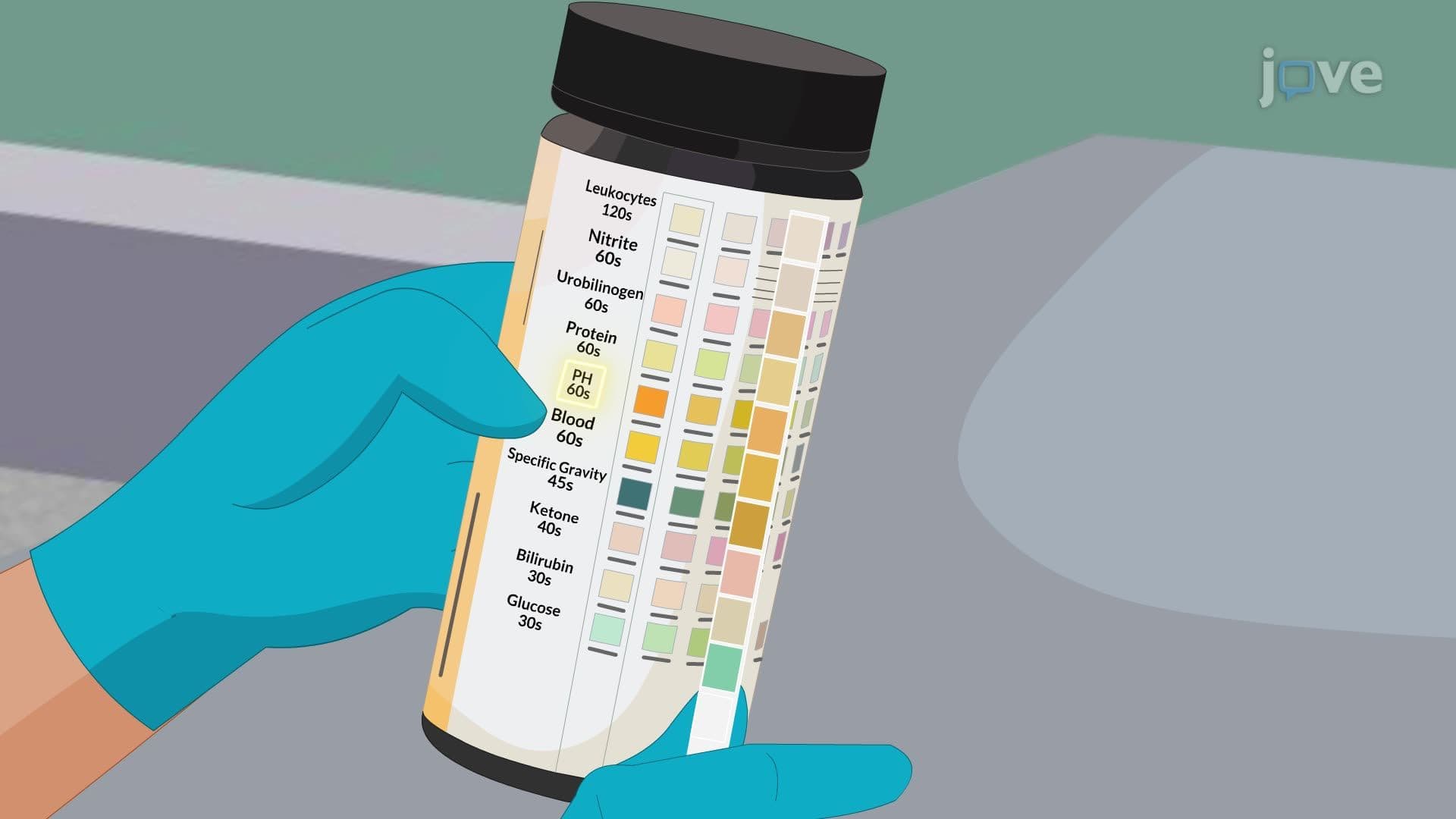
Laboratory monitoring becomes paramount, with nurses interpreting serum albumin levels (often below 2.5 g/dL), elevated cholesterol exceeding 200 mg/dL, and proteinuria measurements. These values directly influence nursing care plans and appear frequently on HESI A2 and TEAS exams under kidney function scenarios.
Stage III nursing management involves implementing strict dietary protocols that challenge both patient compliance and nursing education skills. Sodium restriction becomes severe (often under 2 grams daily), while protein intake requires careful balancing-too little worsens hypoproteinemia, while excess strains damaged kidneys. Nurses at institutions like Johns Hopkins teach patients to read nutrition labels and identify hidden sodium sources in processed foods.
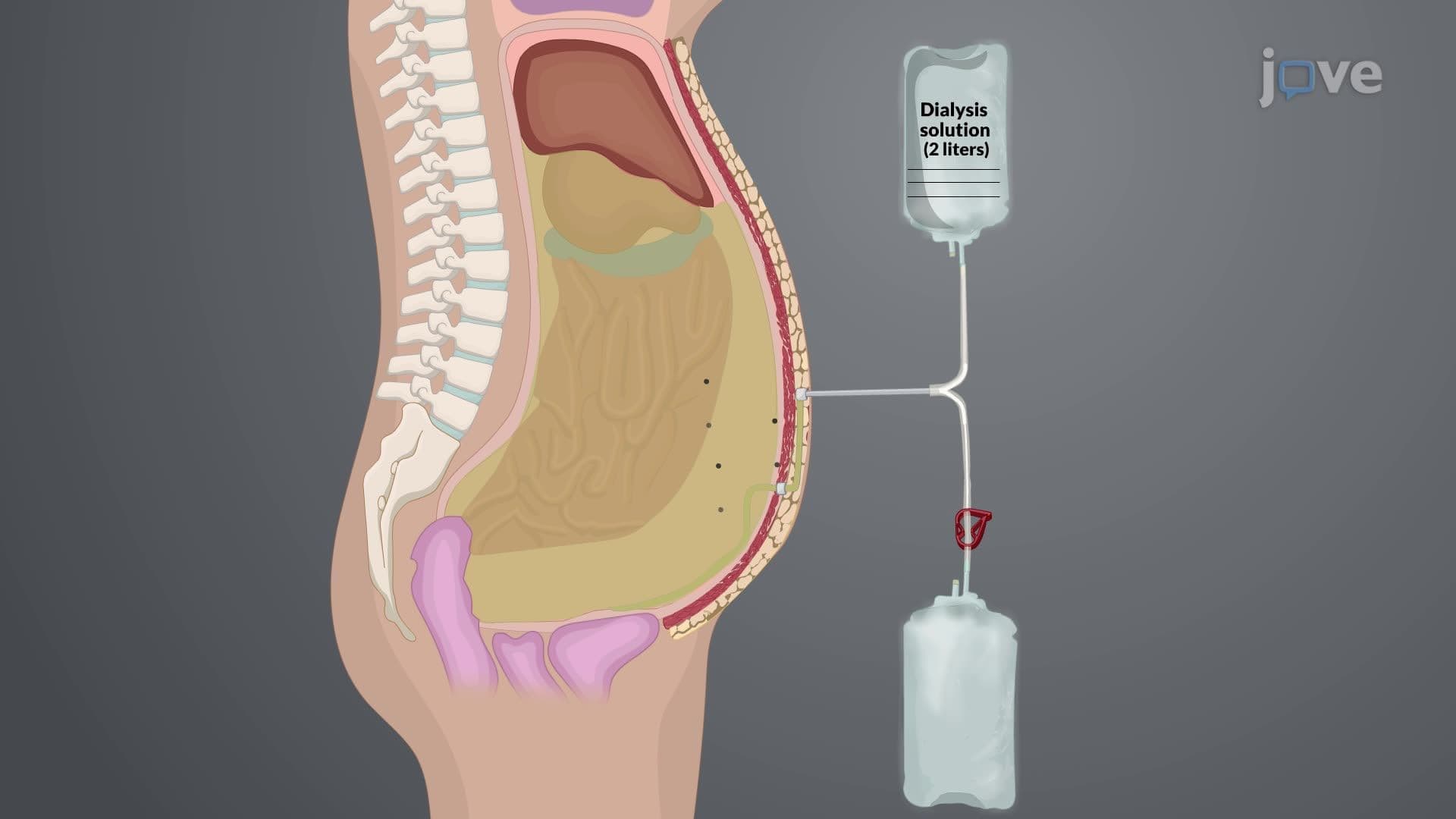
As patients progress toward renal replacement therapy, nurses must prepare families for dialysis education, vascular access care, and psychological adjustment. This preparation phase tests nursing students' ability to integrate pathophysiology knowledge with therapeutic communication-skills essential for NCLEX success and clinical practice rotations.
Related Micro-courses