Loading subject page…

1,417 views

Video Summary: Urinary Tract Infection I Introduction Explained
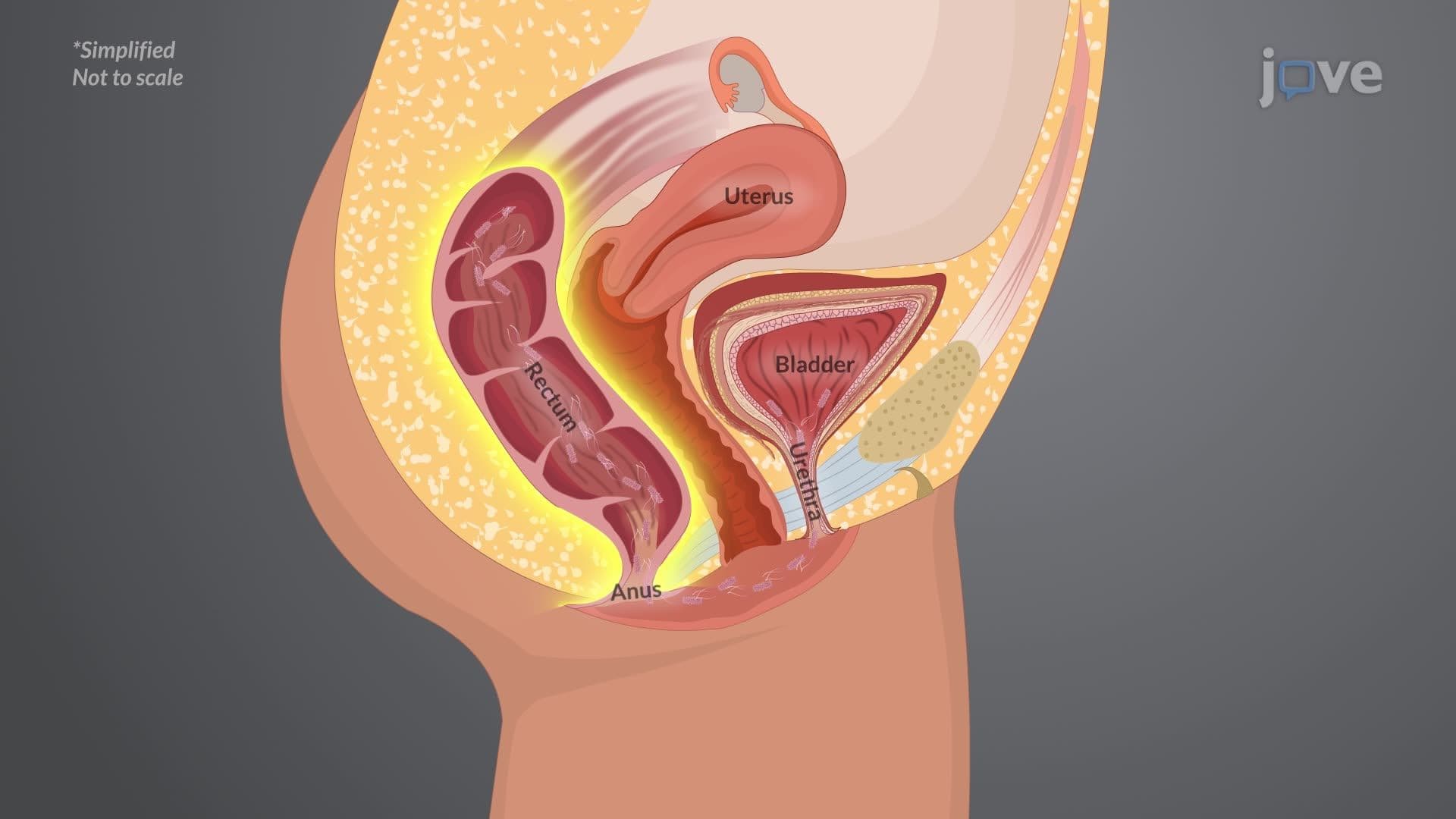
Every year, over 8 million Americans visit healthcare providers for urinary tract infections, making UTIs one of the most common bacterial infections in the United States. The urinary tract infection I introduction reveals how bacteria like E. coli migrate from the intestinal tract to cause painful infections throughout the urinary system. From college students experiencing their first UTI to elderly patients with complicated infections, understanding these bacterial invasions affects millions of Americans annually. Watch the full video on JoVE Coach to master this concept with expert-led visuals and step-by-step explanations.
Urinary tract infections represent a complex interplay between bacterial virulence factors and host defense mechanisms. The urinary tract infection I introduction encompasses the fundamental understanding of how pathogenic microorganisms overcome the body's natural protective barriers to establish infection within the sterile urinary system. This foundational concept appears frequently on the MCAT and in undergraduate microbiology courses, where students must demonstrate mastery of bacterial pathogenesis principles.
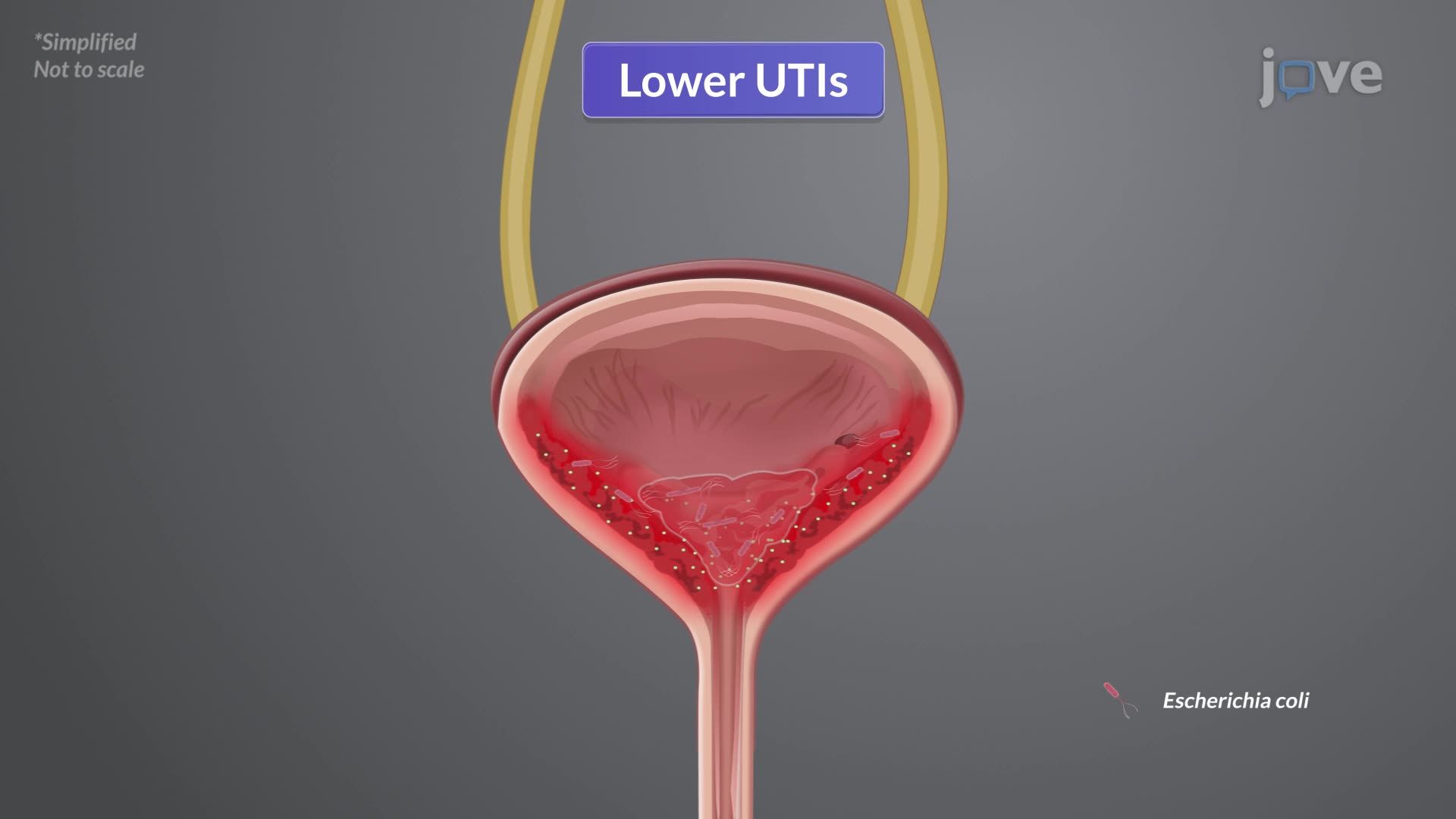
Escherichia coli accounts for approximately 85% of uncomplicated UTIs in young women, primarily due to its unique adherence mechanisms and proximity to the urogenital area. This gram-negative bacterium possesses specialized pili that enable attachment to uroepithelial cells, preventing bacterial washout during urination. Healthcare students preparing for the NCLEX or HESI A2 examinations must understand that other significant pathogens include Staphylococcus saprophyticus (particularly common in sexually active young women), Klebsiella pneumoniae (associated with healthcare settings), and Proteus mirabilis (known for producing urease and causing alkaline urine). These organisms demonstrate varying resistance patterns, which directly impacts treatment strategies taught in nursing pharmacology courses.
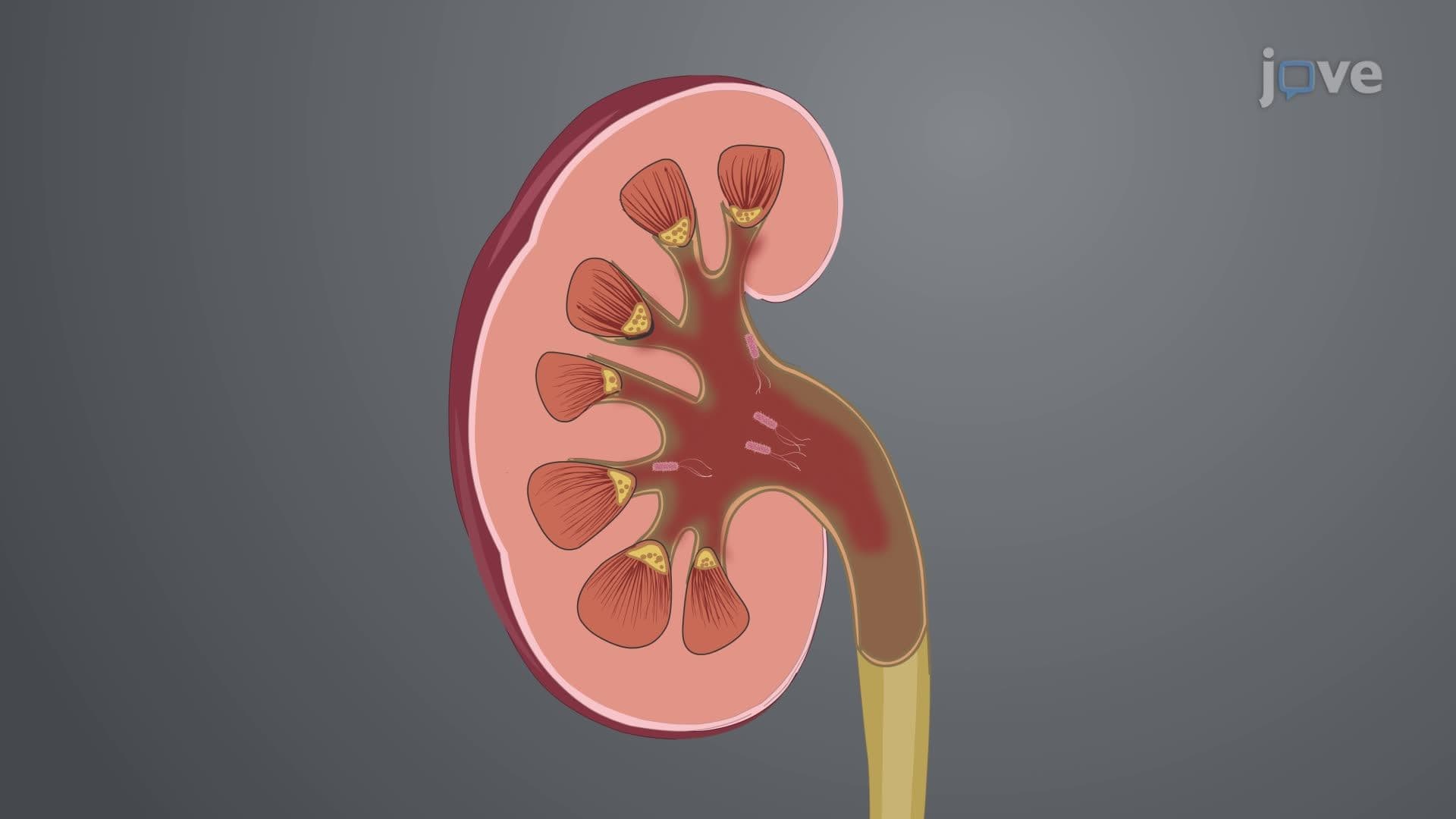
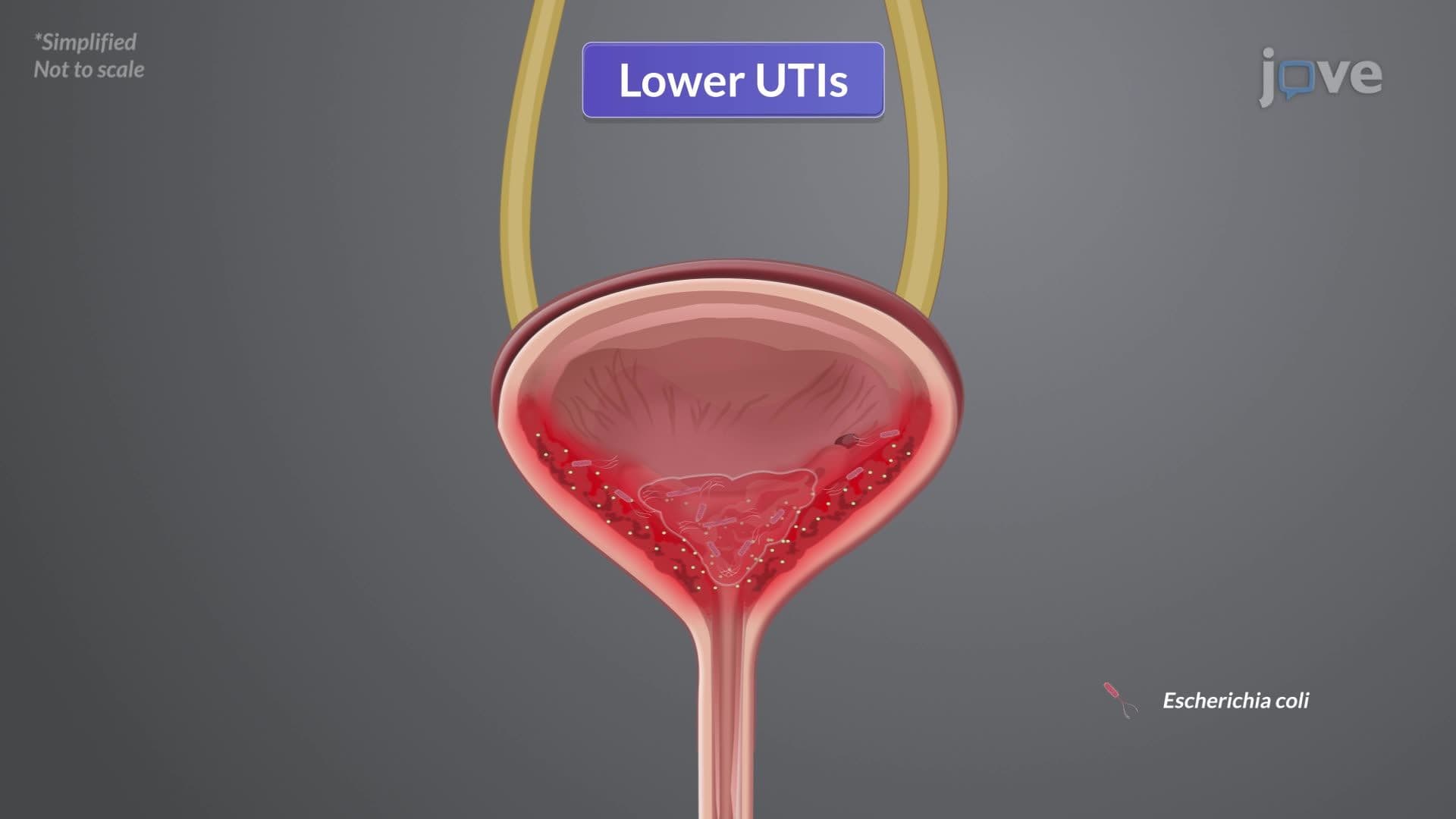
The urinary system's anatomical divisions create distinct infection patterns with varying clinical implications. Lower urinary tract infections affect the bladder (cystitis) and urethra (urethritis), typically presenting with localized symptoms like dysuria and urgency. Upper urinary tract infections, specifically pyelonephritis, involve kidney tissue and represent more serious conditions requiring immediate medical intervention. AP Biology students often encounter this classification system when studying organ system interactions, while pre-med students must master these distinctions for MCAT success. The ascending route of infection explains why untreated lower UTIs can progress to life-threatening kidney infections, particularly in patients with anatomical abnormalities or compromised immune systems.
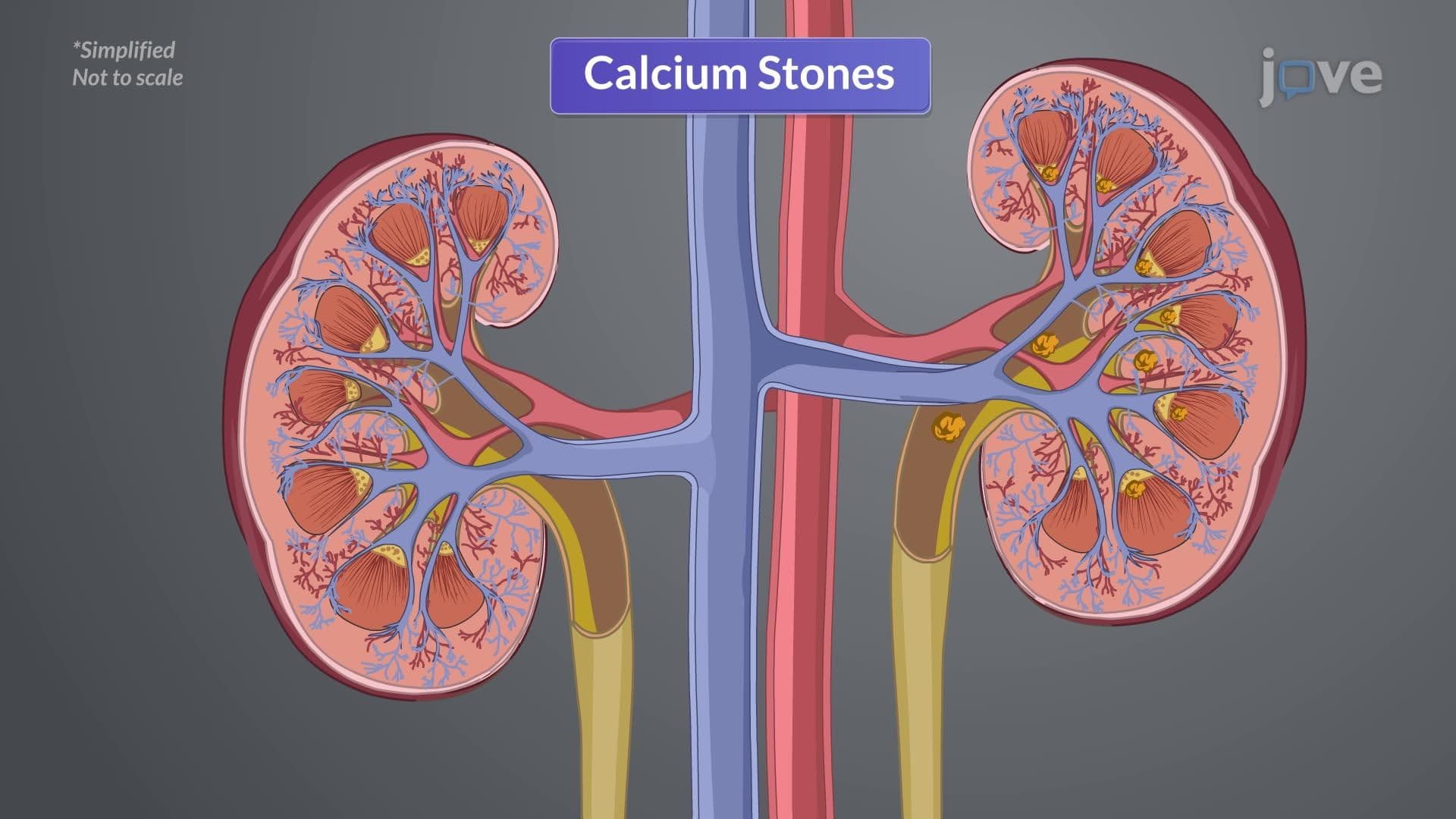
Clinical medicine distinguishes between uncomplicated UTIs occurring in healthy individuals with normal urinary tract anatomy and complicated UTIs associated with predisposing factors. Complicated UTIs involve conditions such as urinary catheterization, kidney stones, anatomical abnormalities, diabetes mellitus, or immunosuppression. This classification system, essential for USMLE preparation, directly influences antibiotic selection, treatment duration, and follow-up protocols. Nursing students studying for board examinations must understand that complicated UTIs require broader-spectrum antibiotics and longer treatment courses due to increased risks of antibiotic resistance and treatment failure.
Related Micro-courses