Loading subject page…

1,417 views

Video Summary: Urinary Tract Infection Ii Pathophysiology Explained
Did you know that urinary tract infections account for over 8 million doctor visits annually in the United States? Understanding urinary tract infection ii pathophysiology reveals how bacteria like E. coli systematically invade and damage the urinary system. From initial colonization near the urethra to potential life-threatening sepsis, this complex process affects millions of Americans each year, particularly women and elderly patients in healthcare facilities. Watch the full video on JoVE Coach to master this concept with expert-led visuals and step-by-step explanations.
The pathophysiology of urinary tract infections represents a complex cascade of bacterial invasion, immune evasion, and tissue damage that healthcare professionals must thoroughly understand. This systematic process begins with bacterial translocation and can progress to life-threatening systemic complications, making it a critical topic for students preparing for healthcare careers.
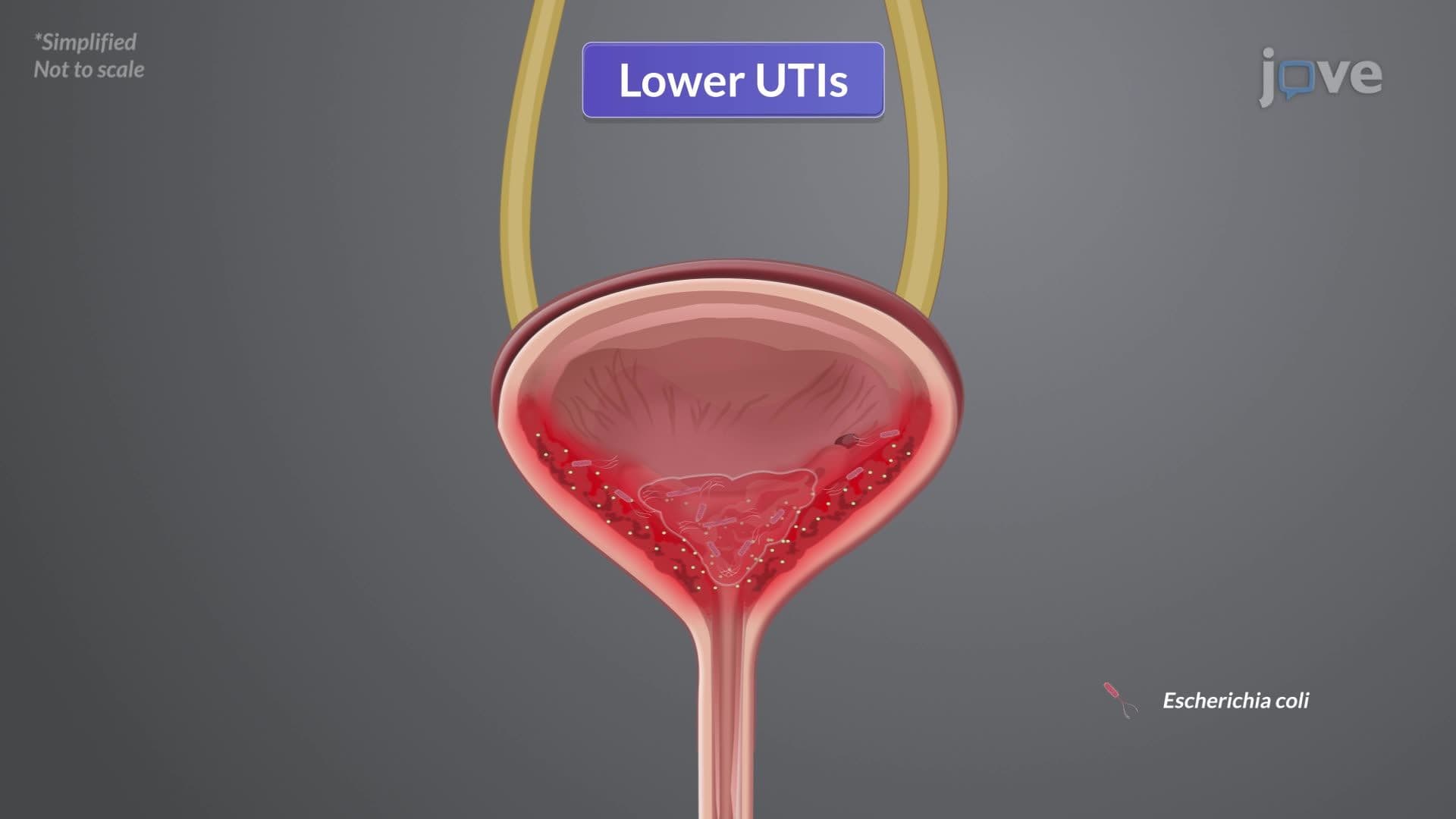
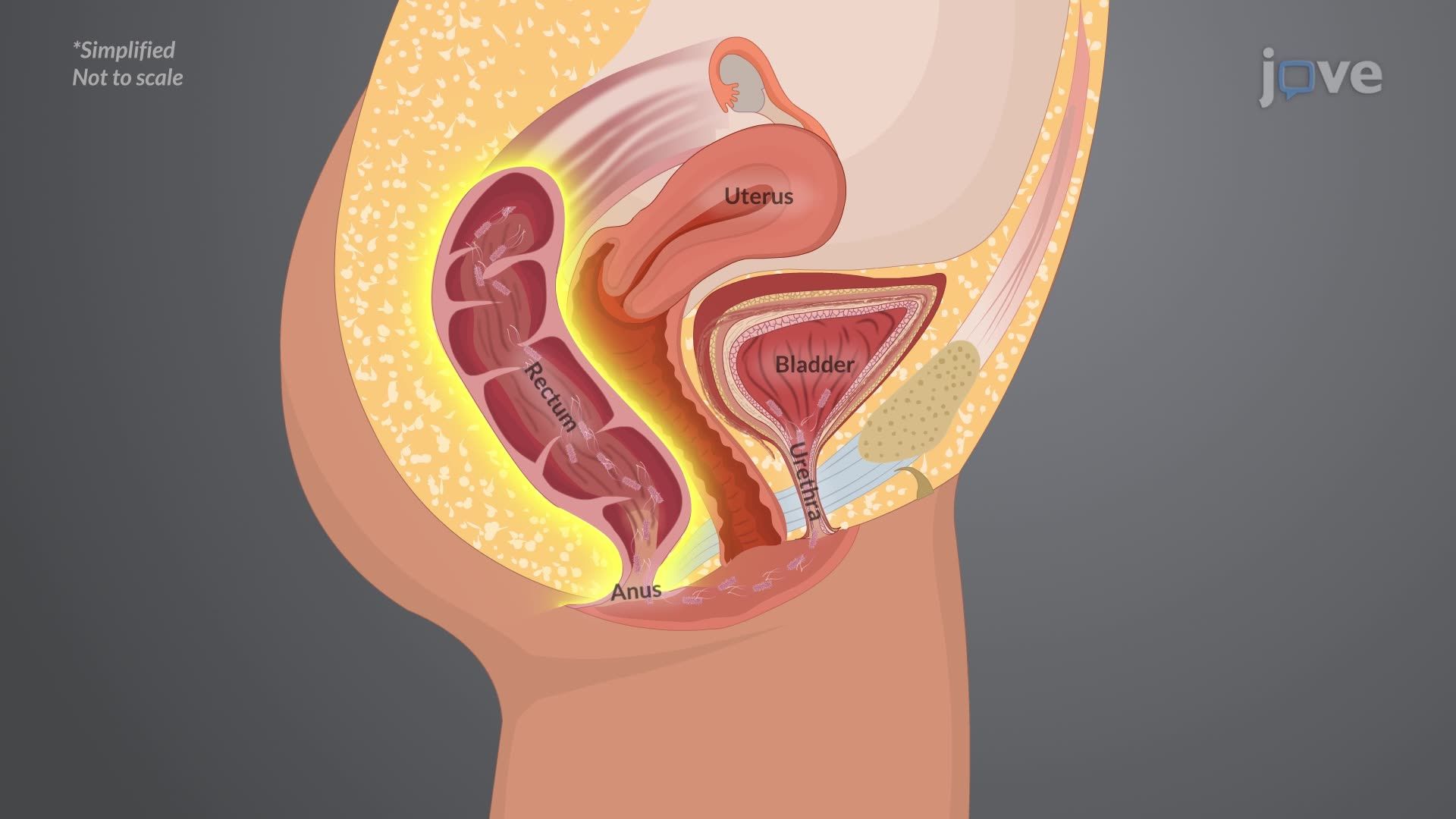
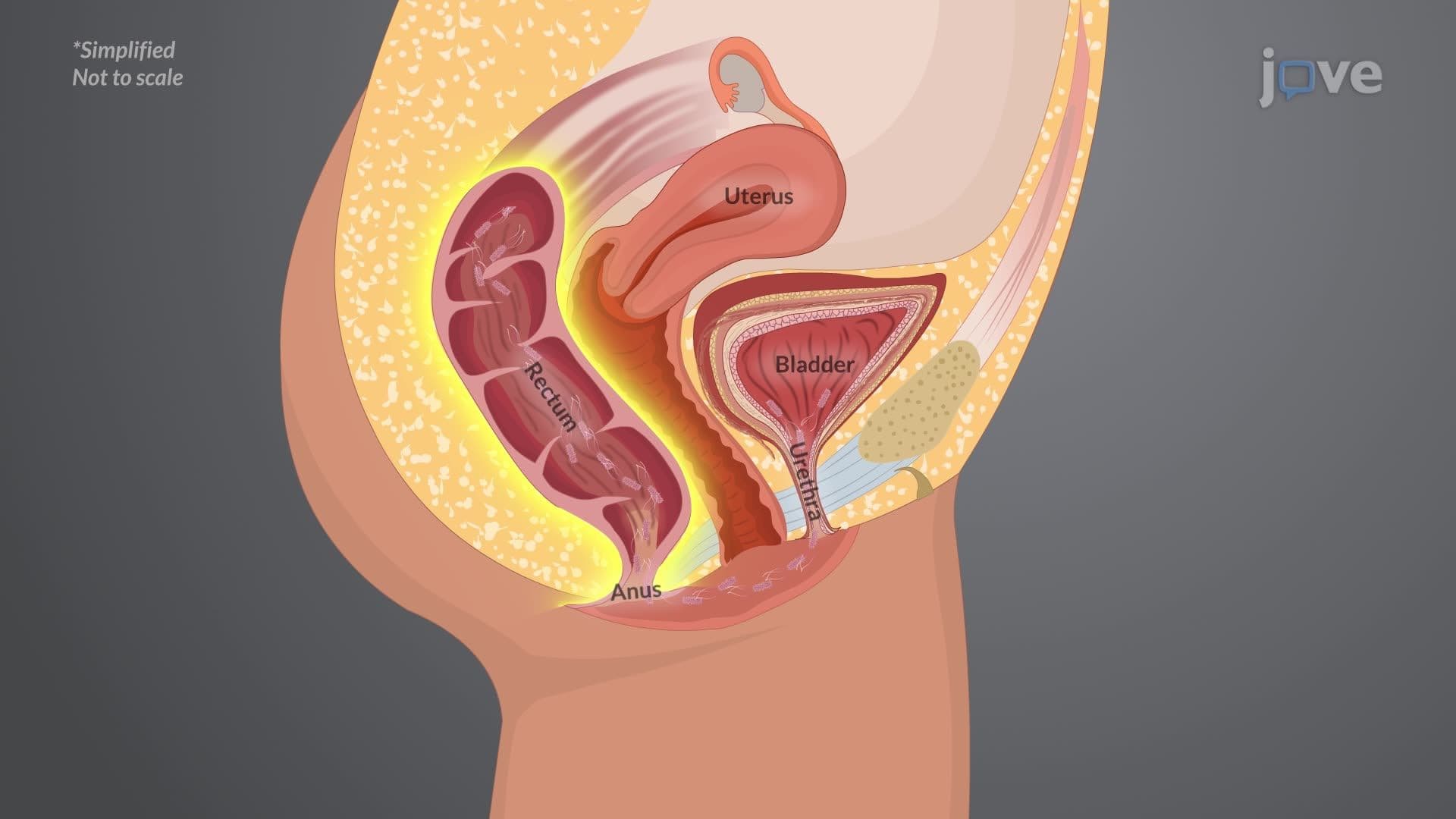
The journey of UTI development typically begins with enteric bacteria, predominantly Escherichia coli (responsible for 85% of uncomplicated UTIs), migrating from their normal gastrointestinal habitat to the periurethral area. This migration occurs through various mechanisms, including poor perineal hygiene practices, sexual activity, or anatomical factors. In healthcare settings across the United States, catheter-associated UTIs represent a significant concern, with indwelling catheters providing a direct pathway for bacterial ascension.
Risk factors that facilitate this initial colonization include diabetes mellitus (affecting over 37 million Americans), which creates glucose-rich urine that promotes bacterial growth, and neurogenic bladder conditions that prevent complete bladder emptying. Students studying for the MCAT or preparing for nursing school entrance exams like the HESI A2 should understand how these predisposing factors create an environment conducive to bacterial establishment.
Once bacteria successfully colonize the urinary tract, they employ sophisticated survival mechanisms, most notably biofilm formation. These complex microbial communities create a protective matrix that shields bacteria from both antimicrobial agents and immune system attacks. This concept frequently appears on AP Biology exams and college microbiology courses, as it demonstrates how microorganisms adapt to hostile environments.
Biofilms explain why recurrent UTIs affect approximately 20% of women in the United States and why certain infections prove resistant to standard antibiotic treatment. The extracellular polymeric substances within biofilms create diffusion barriers that reduce antibiotic penetration by up to 1,000-fold compared to planktonic bacteria.
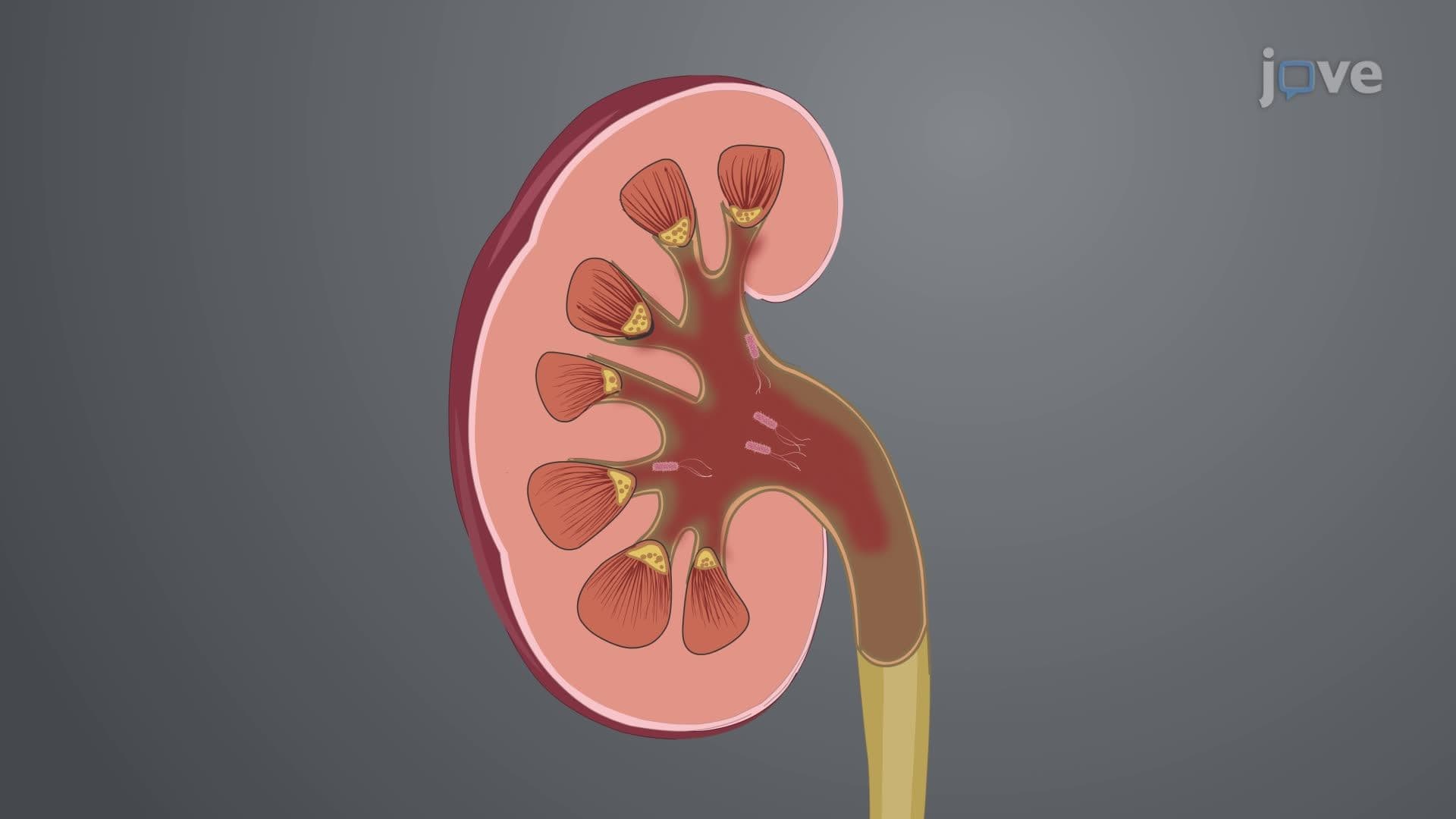
The ascending nature of UTI pathophysiology distinguishes lower tract infections (cystitis) from upper tract infections (pyelonephritis). When bacteria successfully multiply in the bladder and overcome local immune defenses, they can ascend through the ureters to reach the renal pelvis and kidney parenchyma. This progression represents a medical emergency, as pyelonephritis can lead to permanent kidney damage and sepsis.
Clinical studies from major US medical centers, including Johns Hopkins and Mayo Clinic, demonstrate that untreated lower UTIs progress to pyelonephritis in approximately 30% of cases. Students preparing for the USMLE Step 1 should recognize the anatomical factors that facilitate this ascension, including vesicoureteral reflux and ureteral peristalsis disruption.
Related Micro-courses