Loading subject page…


1,417 views


Video Summary: Urinary Tract Infection Iv Nursing Management Explained
Did you know that urinary tract infections account for over 8 million healthcare visits annually in the United States? Urinary tract infection IV nursing management involves comprehensive patient care strategies that go far beyond medication administration. For instance, nurses at Cleveland Clinic implement structured protocols that include fluid intake monitoring, hygiene education, and preventive lifestyle modifications to reduce UTI recurrence rates by up to 70%. This Urinary Tract Infection IV Nursing Management Explained approach combines evidence-based interventions with patient education to optimize treatment outcomes. Watch the full video on JoVE Coach to master this concept with expert-led visuals and step-by-step explanations.
Urinary Tract Infection IV Nursing Management Explained represents a multifaceted approach to patient care that extends beyond simple medication administration. This comprehensive strategy addresses both immediate treatment needs and long-term prevention goals. Nurses play a pivotal role in educating patients about lifestyle modifications that can significantly impact treatment success rates and reduce recurrence.
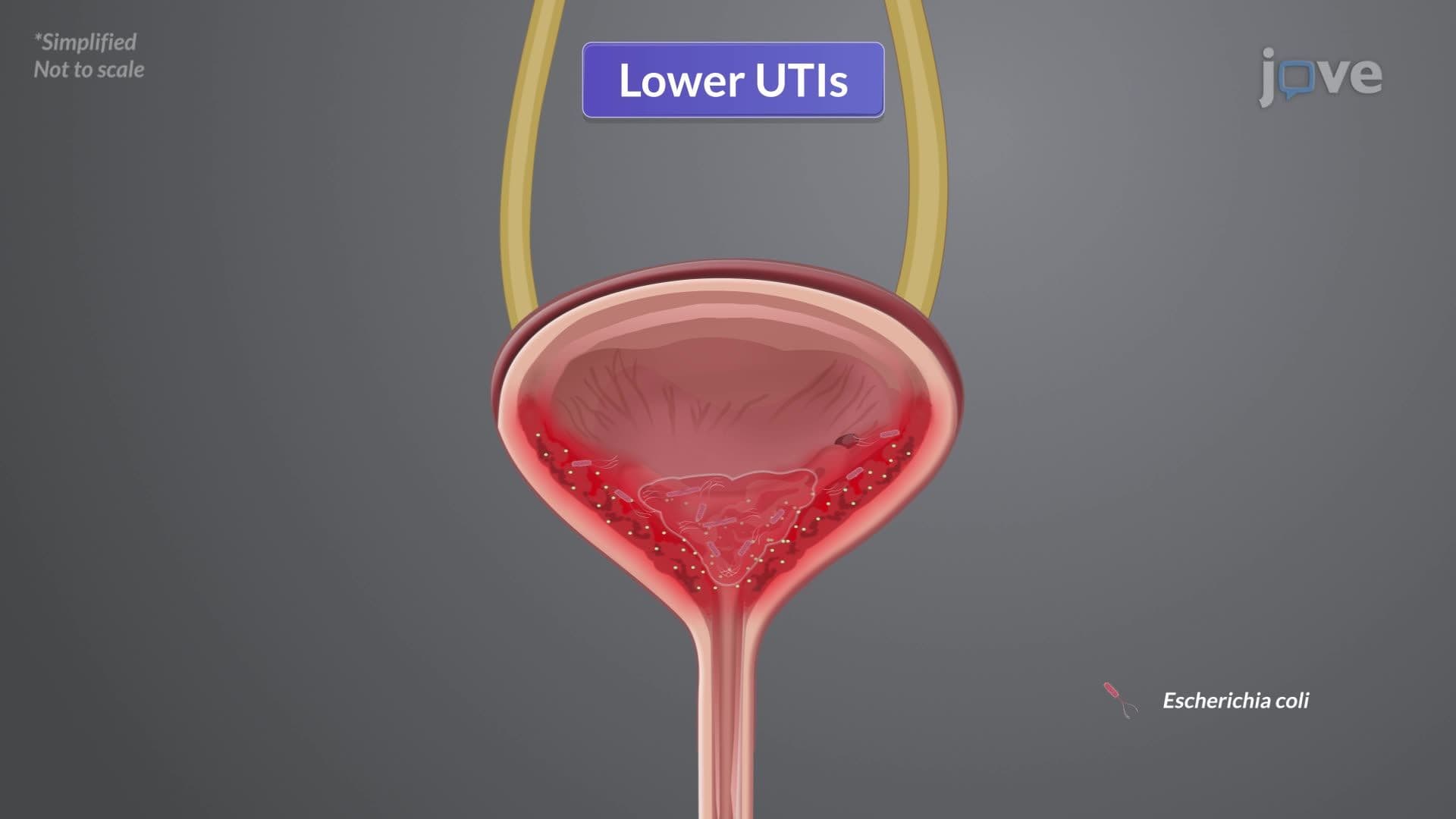
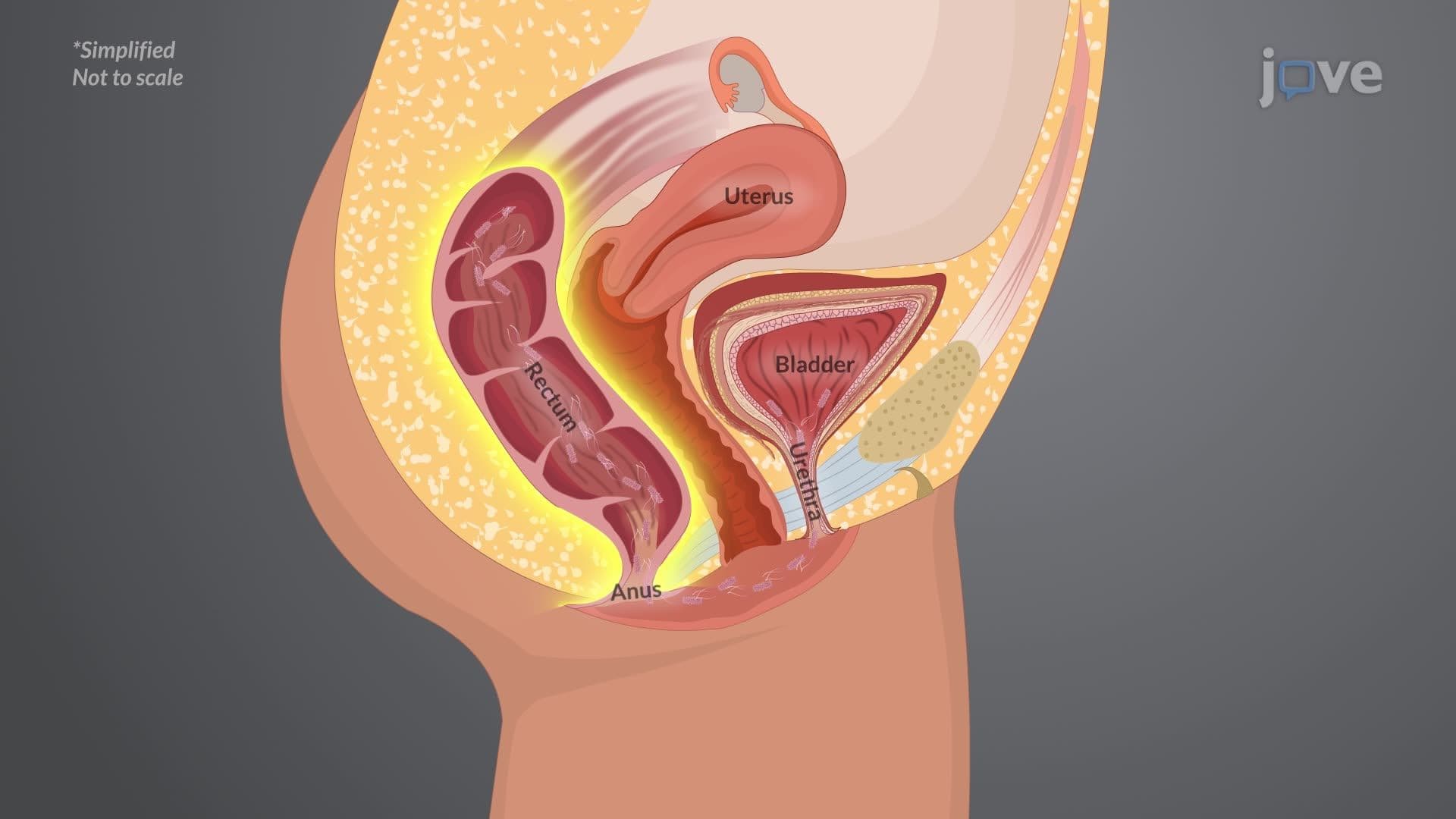
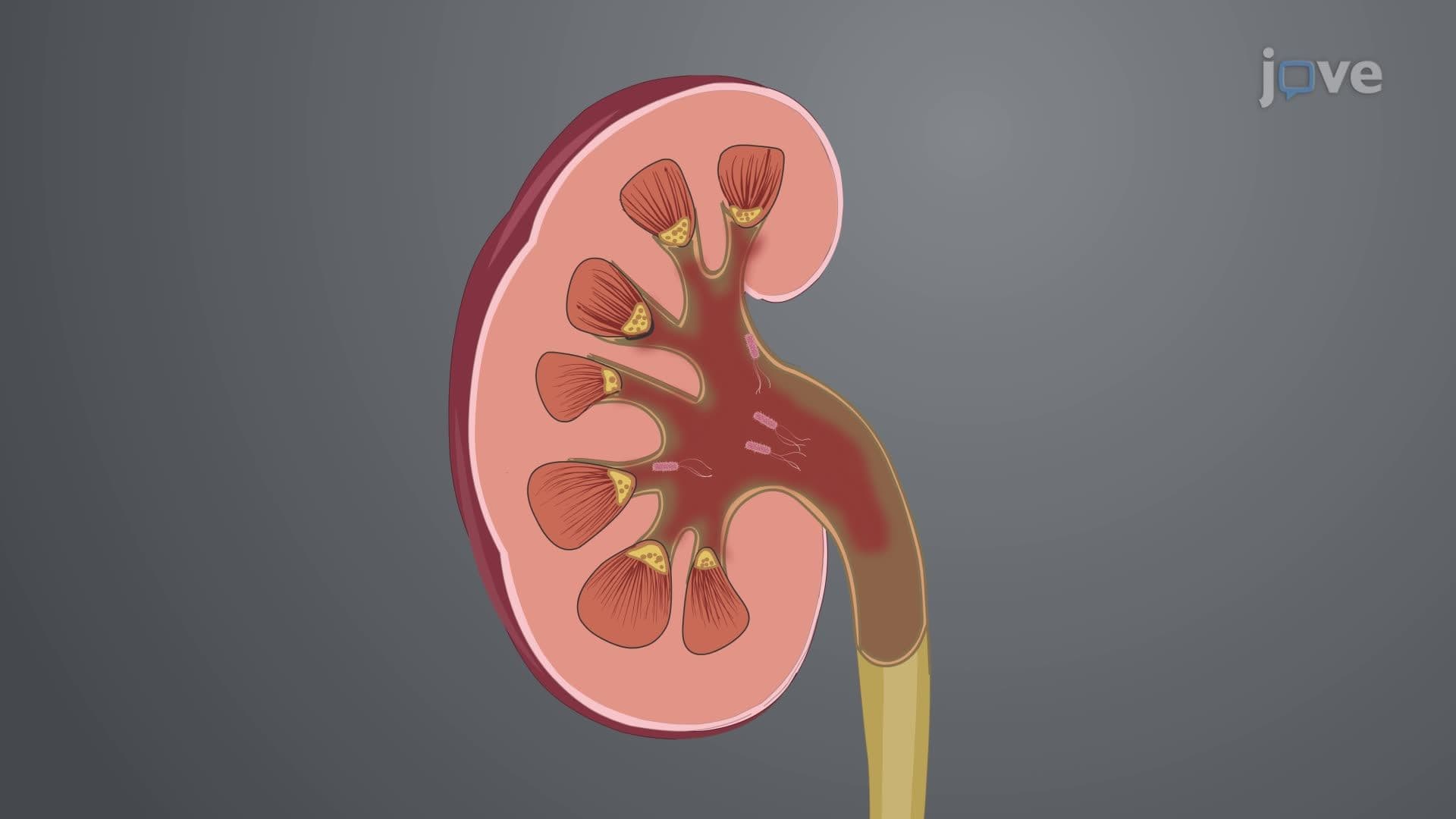
The foundation of effective UTI nursing management lies in understanding the pathophysiology of bacterial colonization and the body's natural defense mechanisms. When bacteria, primarily *Escherichia coli*, ascend through the urinary tract, they can establish infections that require both pharmacological intervention and supportive nursing care. This dual approach has been shown to improve patient outcomes in major US healthcare systems, including Mayo Clinic and Johns Hopkins Hospital.
One of the most critical aspects of UTI nursing management involves optimizing fluid intake and urinary patterns. Nurses typically recommend patients consume 2-3 liters of water daily, which helps flush bacteria from the urinary system through increased urine production. This intervention is particularly important for patients receiving IV antibiotic therapy, as adequate hydration supports kidney function and drug elimination.
The timing of urination also plays a crucial role in prevention and treatment. Nurses educate patients about the importance of voiding every 2-3 hours and especially after sexual activity, as this practice can reduce bacterial colonization by up to 80%. This concept frequently appears on nursing examinations like the NCLEX-RN, where students must demonstrate understanding of evidence-based interventions.
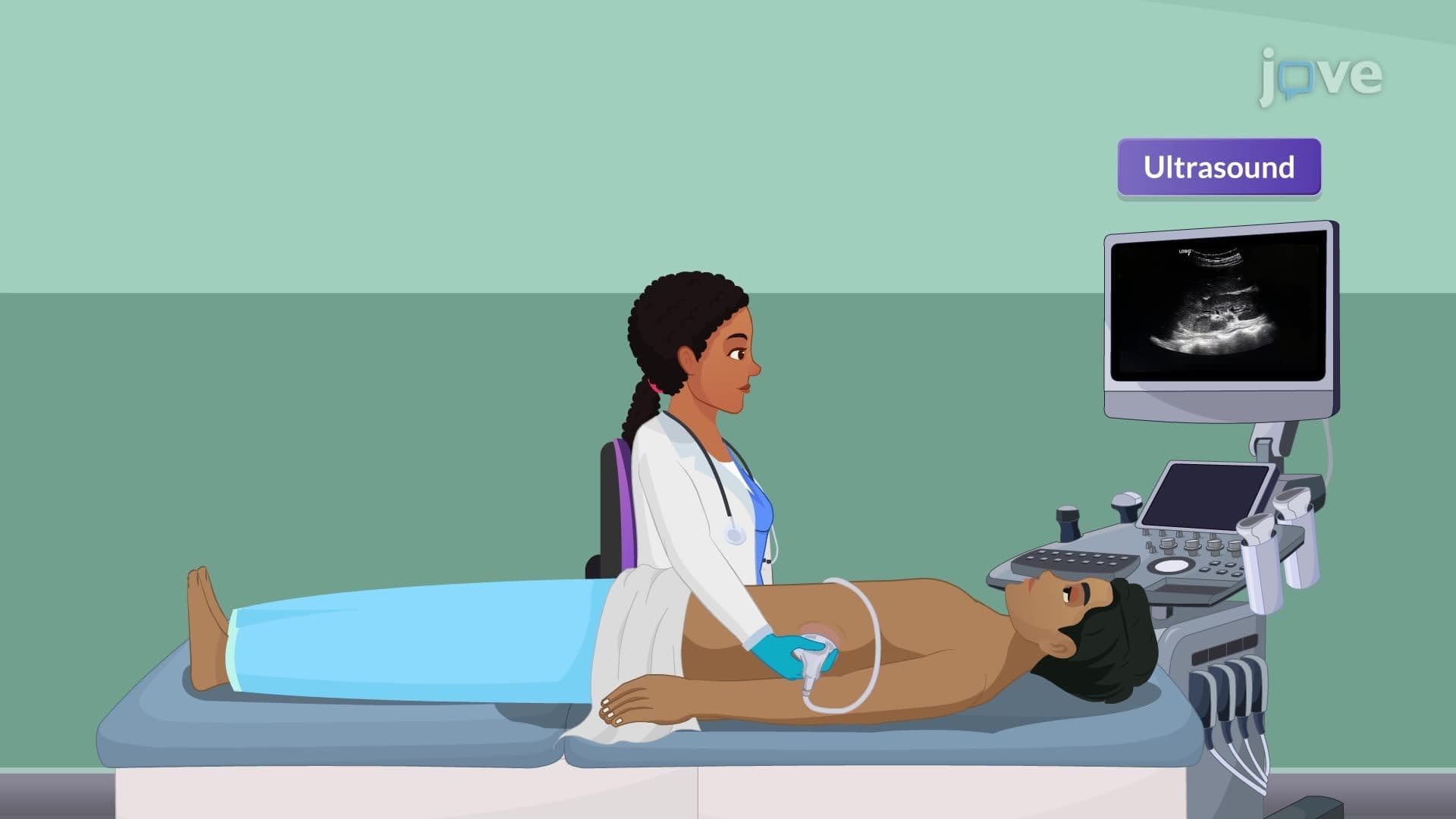
Effective nursing management requires systematic patient assessment to detect complications and monitor treatment progress. Nurses perform bladder palpation every four hours to identify urinary retention, which can prolong infection and delay recovery. This hands-on assessment technique helps identify patients who may need additional interventions, such as catheterization or medication adjustments.
Regular symptom monitoring includes tracking pain levels, urinary frequency, and signs of systemic infection. These assessment skills are essential for nursing students preparing for clinical rotations and are commonly tested on standardized exams like the HESI A2 and TEAS.
The educational component of UTI nursing management focuses on sustainable lifestyle changes that reduce infection risk. Nurses teach patients about proper hygiene techniques, including front-to-back wiping and avoiding potentially harmful products like douches or feminine sprays. These interventions address the root causes of recurrent UTIs rather than just treating symptoms.
Clothing recommendations, such as wearing cotton underwear and loose-fitting garments, help maintain optimal genital area conditions that discourage bacterial growth. This prevention-focused approach aligns with current healthcare trends emphasizing patient empowerment and self-care management.
Related Micro-courses