Loading subject page…

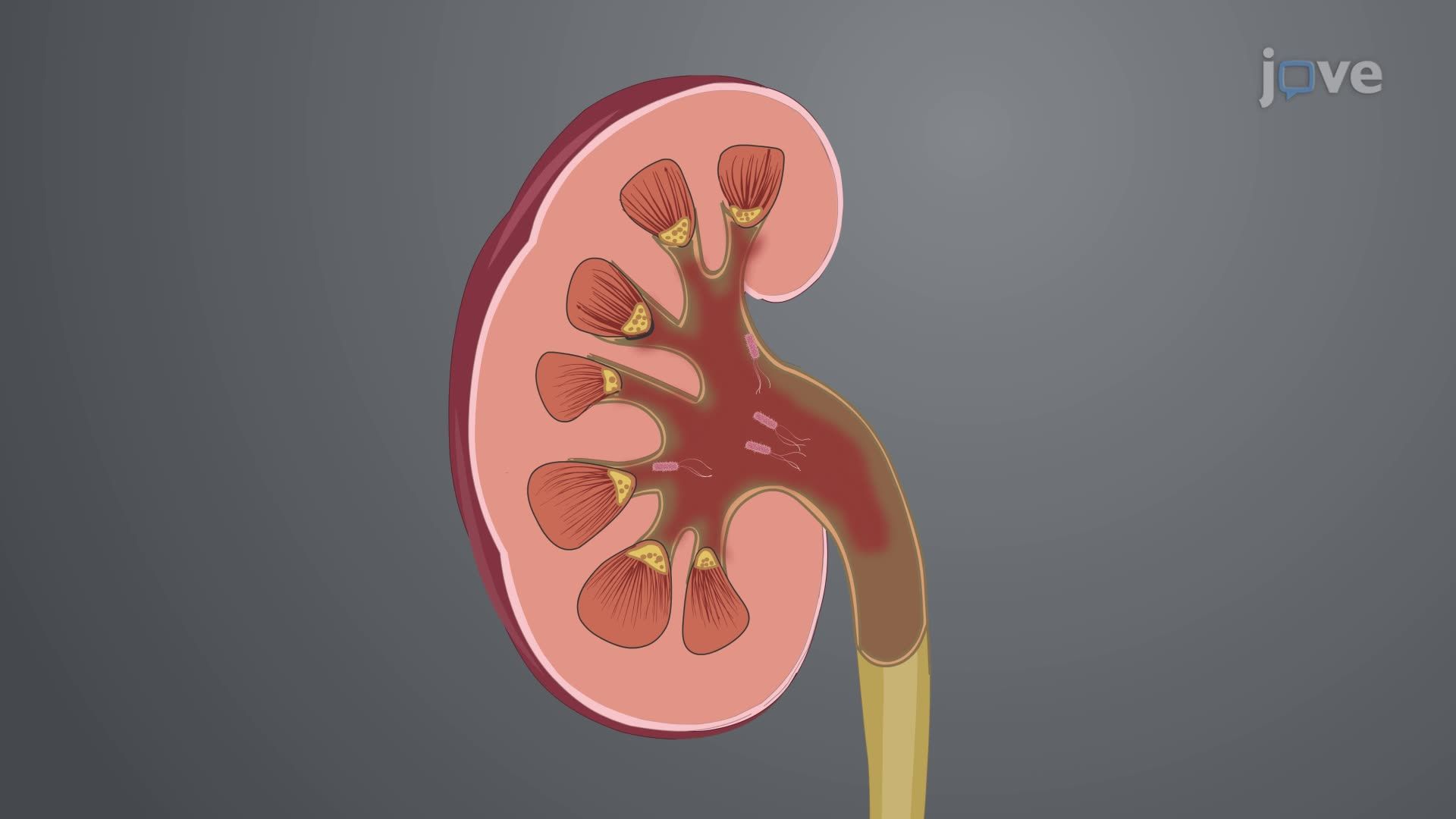
1,417 views
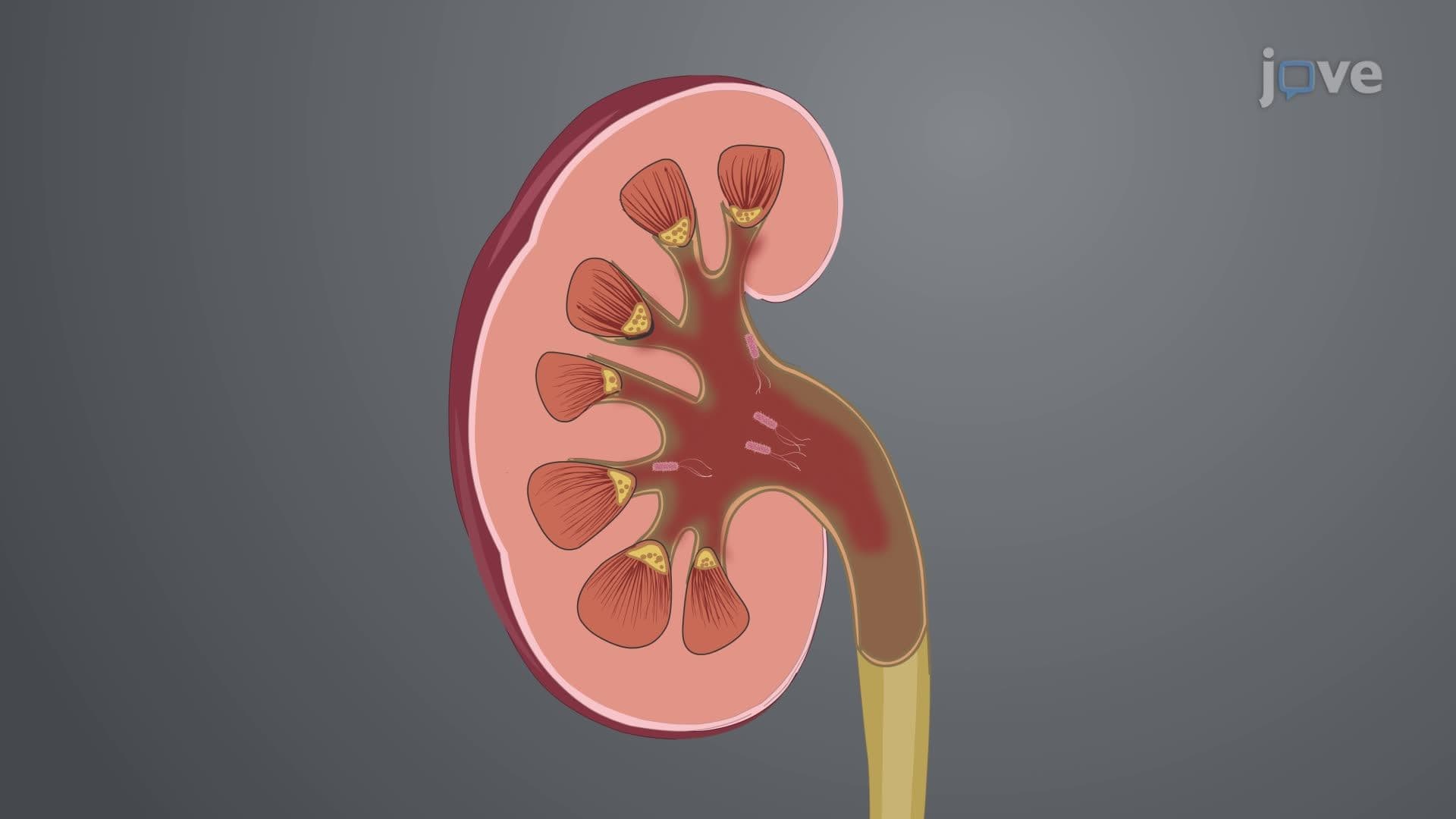

Video Summary: What Is Acute Pyelonephritis I Introduction
Every year, over 250,000 Americans are hospitalized with severe kidney infections that could have been prevented with early recognition. Acute pyelonephritis i introduction covers this dangerous bacterial kidney infection that begins when common bacteria like E. coli travel from the urinary tract to the kidneys, causing intense flank pain, high fever, and potentially life-threatening complications. Consider a college athlete who ignores recurring UTI symptoms-without proper treatment, bacteria can ascend to cause acute pyelonephritis, requiring immediate hospitalization and IV antibiotics. Watch the full video on JoVE Coach to master this concept with expert-led visuals and step-by-step explanations.
Acute pyelonephritis i introduction encompasses the study of severe bacterial kidney infections that represent one of the most serious urinary tract complications seen in US emergency departments. This condition affects approximately 15-17 cases per 10,000 women annually and occurs when pathogenic bacteria successfully ascend from the lower urinary tract to invade the renal pelvis, tubules, and interstitial kidney tissue. Unlike simple bladder infections, acute pyelonephritis threatens kidney function and can lead to sepsis, requiring immediate medical intervention and often hospitalization for IV antibiotic therapy.
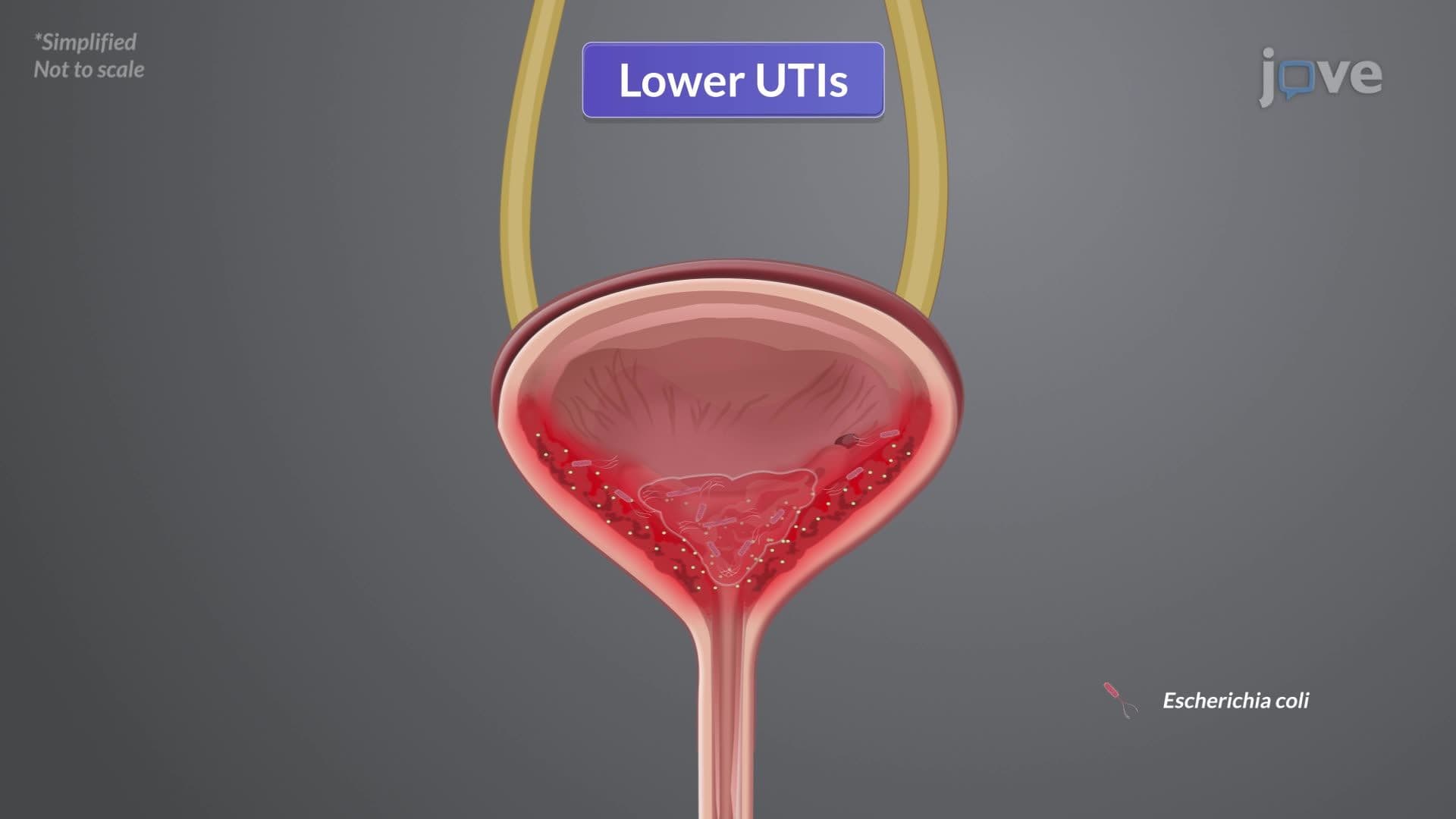
The overwhelming majority of acute pyelonephritis cases-nearly 85%-result from Escherichia coli infections, making this gram-negative bacterium the primary focus for students preparing for USMLE Step 1 or MCAT examinations. However, healthcare providers must also recognize other significant pathogens including Proteus mirabilis (especially in patients with kidney stones), Klebsiella pneumoniae (common in diabetic patients), Enterococcus species (particularly following urologic procedures), and Pseudomonas aeruginosa (typically in immunocompromised hosts or those with structural abnormalities). These bacterial organisms possess specific virulence factors-such as P fimbriae in E. coli-that enable adherence to uroepithelial cells and successful kidney colonization.
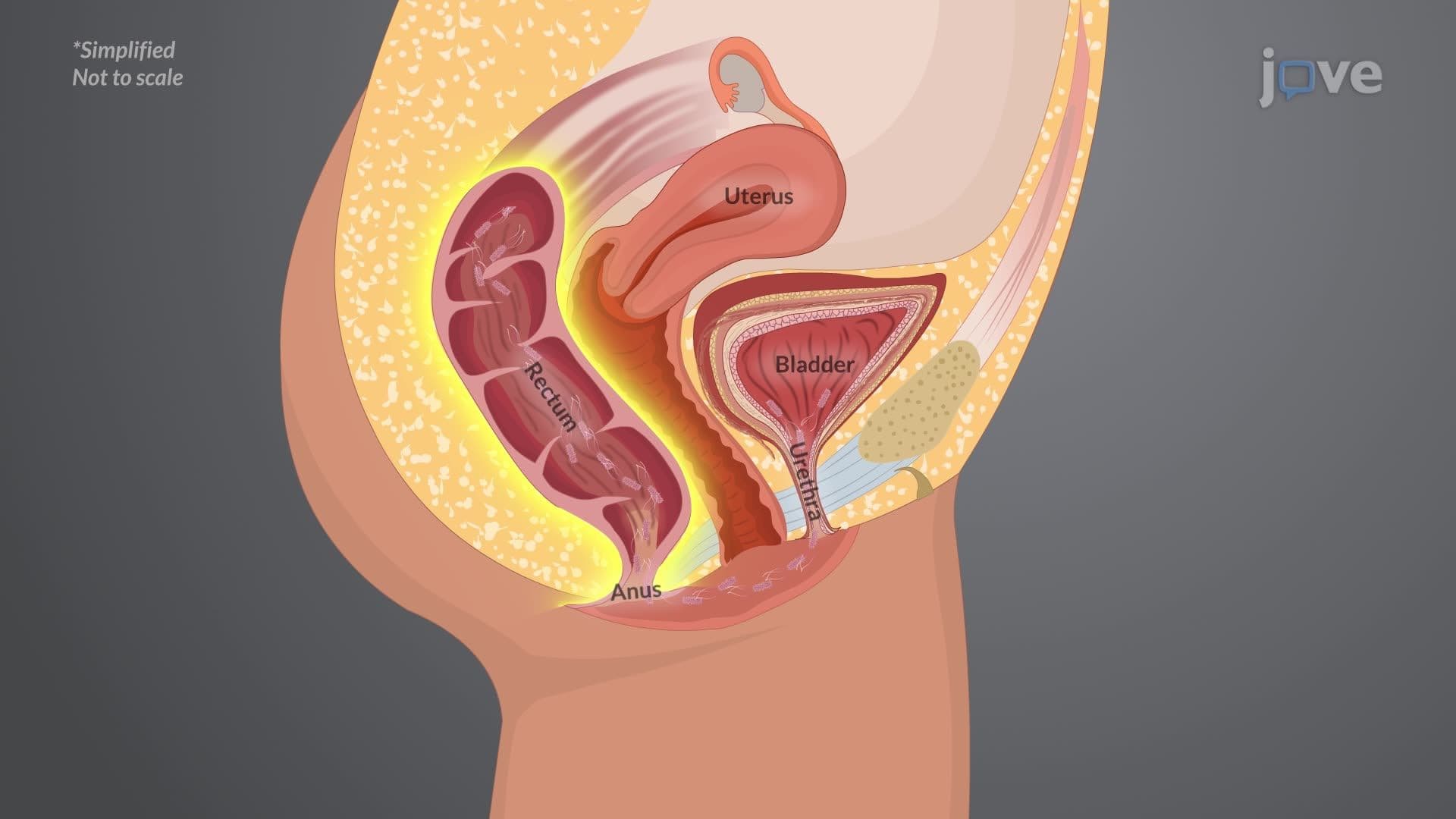
The pathophysiology follows a predictable ascending route that students encounter frequently on NCLEX-RN and HESI A2 examinations. Bacterial colonization typically begins at the urethral opening, progresses to cause cystitis in the bladder, then migrates through the ureters to reach the kidneys. Critical risk factors include urinary stasis (from conditions like benign prostatic hyperplasia in elderly men), vesicoureteral reflux (particularly important in pediatric cases), pregnancy (due to hormonal and anatomical changes), diabetes mellitus, and immunosuppression. Women face higher risk due to shorter urethral length and proximity to enteric bacteria, explaining why acute pyelonephritis affects females at a 5:1 ratio compared to males.
Once bacteria successfully invade the renal interstitium, a complex inflammatory cascade begins that produces the classic symptom constellation tested on AP Biology and college-level pathophysiology exams. The immune system releases pro-inflammatory cytokines including interleukin-1 and tumor necrosis factor-alpha, triggering fever responses often exceeding 101°F (38.3°C). Neutrophil recruitment causes tissue edema and the characteristic flank pain that patients describe as deep, constant aching in the costovertebral angle region. Additional symptoms include rigors, nausea, vomiting, and urinary symptoms like dysuria and frequency, while laboratory findings reveal leukocytosis with left shift and positive urine cultures exceeding 100,000 colony-forming units per milliliter.
Related Micro-courses