Loading subject page…

872 views

Video Summary: Urinary Tract Calculi I Introduction Explained
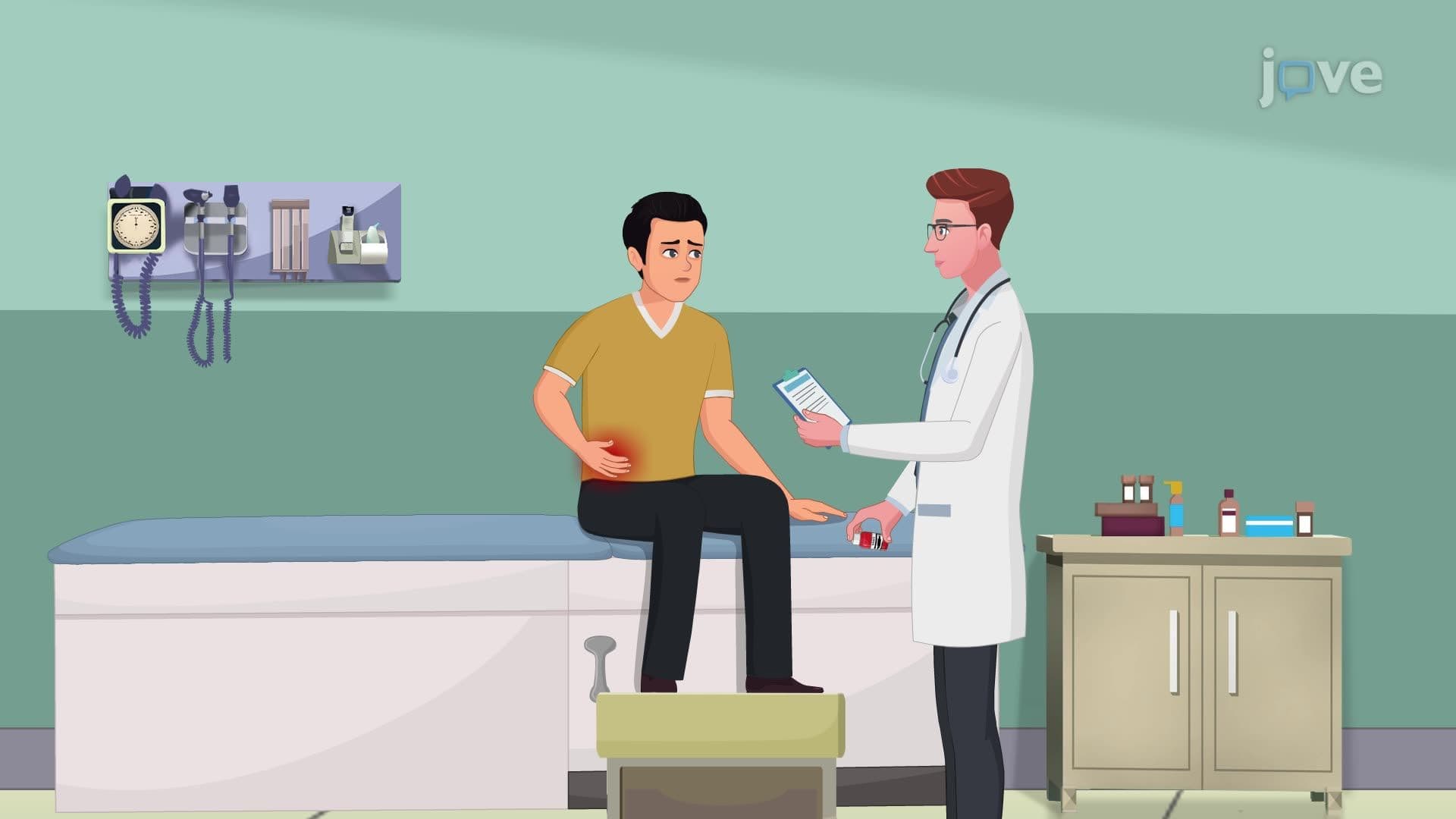
Did you know that kidney stones affect over 10% of Americans at some point in their lives, with emergency departments across the US treating thousands of cases annually? Understanding urinary tract calculi i introduction reveals how these painful mineral deposits form from common dietary choices and medical conditions. From calcium oxalate stones triggered by sweet tea consumption in the South to uric acid stones linked to barbecue-heavy diets, Urinary Tract Calculi I Introduction Explained demonstrates the direct connection between lifestyle and stone formation. Watch the full video on JoVE Coach to master this concept with expert-led visuals and step-by-step explanations.
Kidney stones represent one of the most common urological conditions affecting Americans, with regional variations reflecting dietary patterns and climate factors. The southeastern United States, known as the "stone belt," experiences higher incidence rates due to hot, humid climates promoting dehydration and traditional diets rich in oxalates and purines.
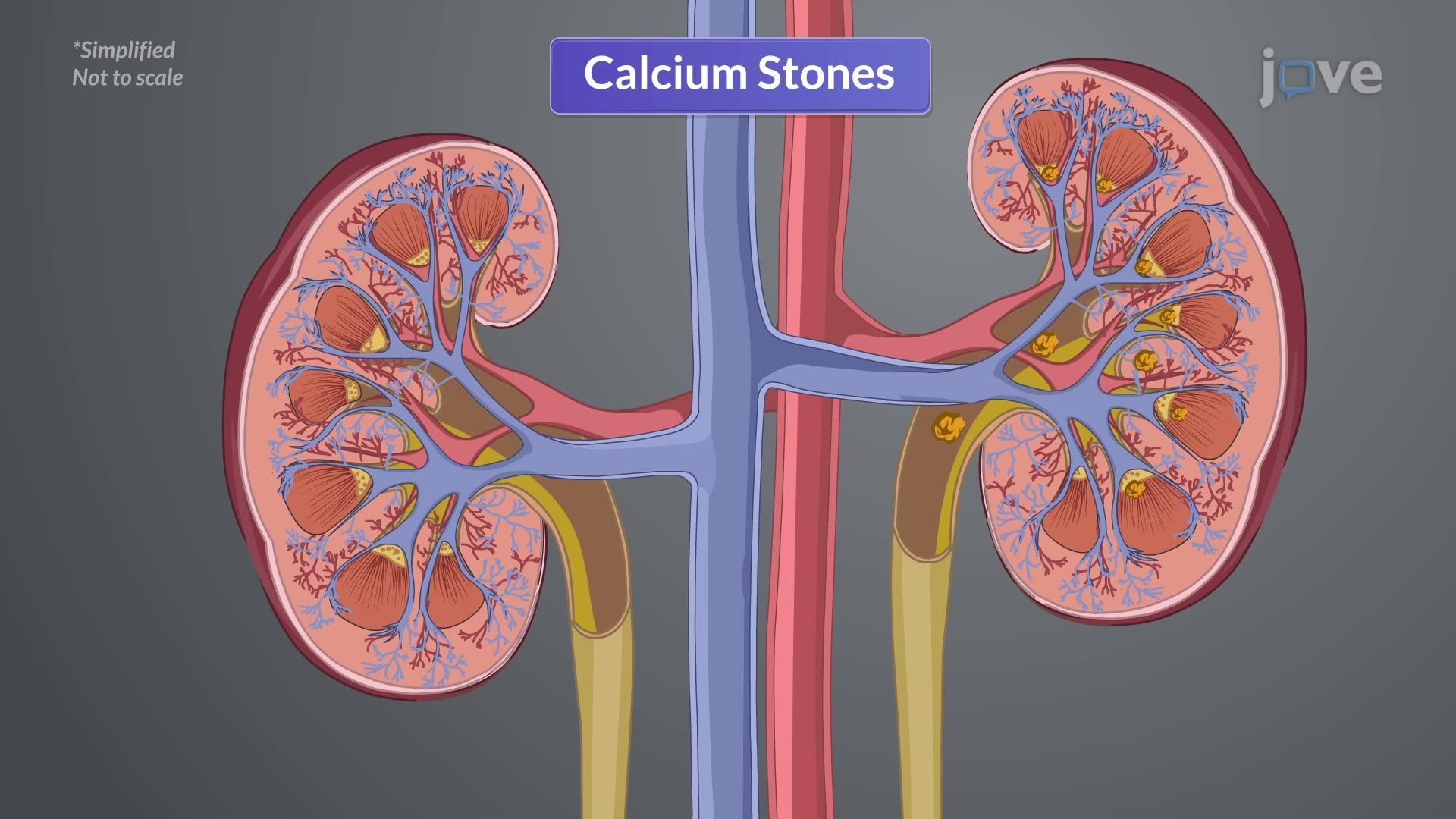
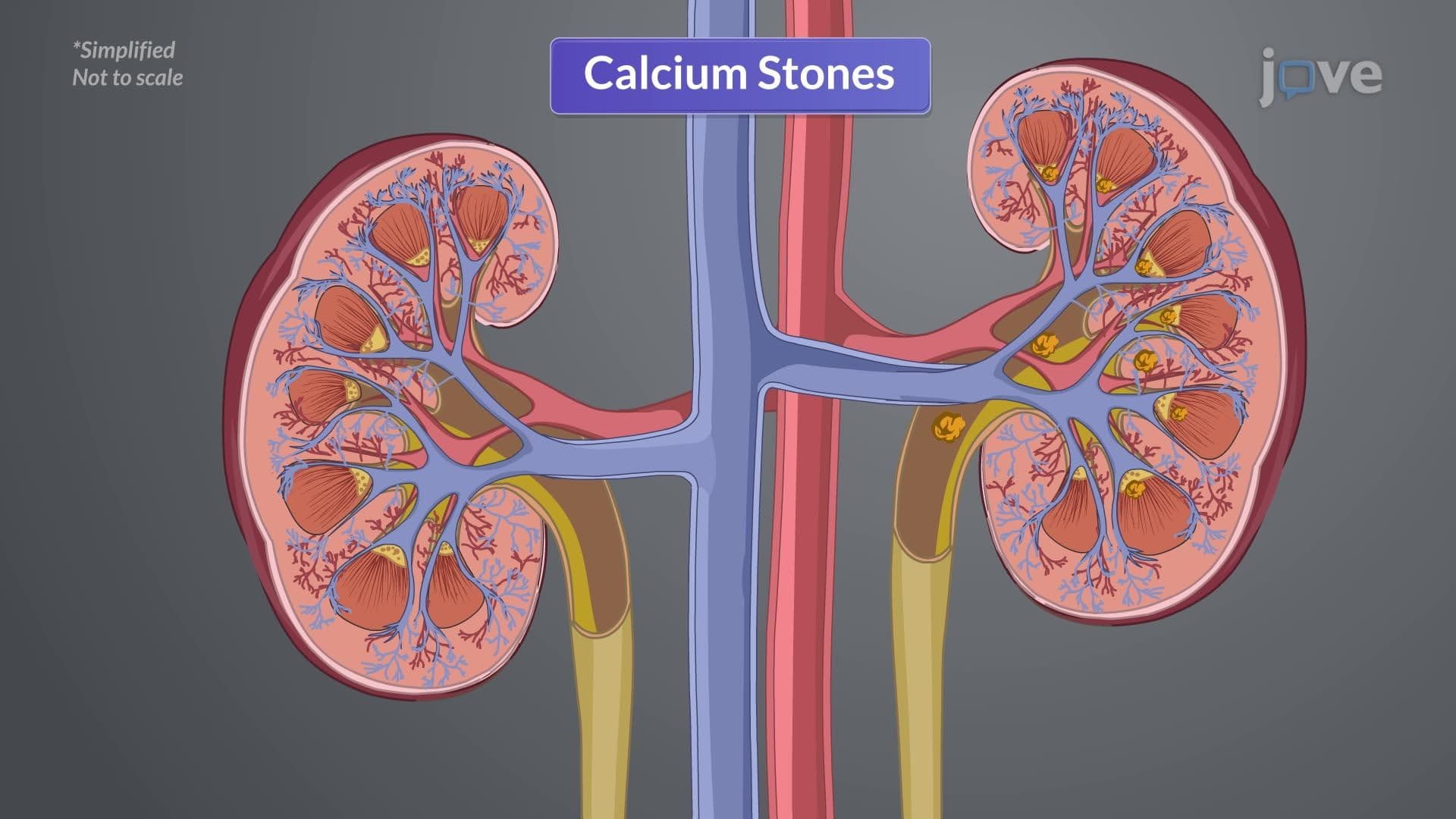
Calcium stones dominate clinical practice, comprising approximately 80% of all kidney stones in US patients. These form when calcium combines with oxalate or phosphate in supersaturated urine. The popularity of iced tea in southern states contributes significantly to calcium oxalate stone formation, as tea contains high oxalate concentrations. Medical students preparing for the MCAT often encounter questions linking hyperparathyroidism to calcium stone formation through increased calcium absorption and excretion.
Uric acid stones develop in acidic urine environments, typically affecting patients with gout or those consuming high-purine diets common in American cuisine-particularly red meat and seafood. These stones appear radiolucent on standard X-rays, a key diagnostic feature tested on USMLE Step 1 examinations.
Struvite stones present unique challenges, forming rapidly during urinary tract infections caused by urease-producing bacteria like Proteus mirabilis. These bacteria split urea into ammonia, alkalinizing urine and creating ideal conditions for magnesium ammonium phosphate crystallization. Nursing students taking the NCLEX-RN frequently encounter questions about the rapid growth potential of staghorn calculi in hospitalized patients with indwelling catheters.
Cystine stones, though rare, illustrate the impact of genetic disorders on stone formation. This autosomal recessive condition affects amino acid transport, causing cystine accumulation in urine. AP Biology students often study cystinuria as an example of genetic kidney disorders affecting protein metabolism.
Understanding stone composition guides treatment approaches in American healthcare settings. Emergency departments use non-contrast CT scans as the gold standard for diagnosis, while urologists employ composition analysis to develop personalized prevention strategies. College pre-med students should recognize that dietary modifications-reducing sodium, limiting oxalate-rich foods, and maintaining adequate hydration-form the cornerstone of prevention protocols used in US clinical practice.
Related Micro-courses