Loading subject page…


872 views


Video Summary: Urinary Tract Calculi Iii Medical Management Explained
Every year, over 500,000 Americans visit emergency rooms due to kidney stones, with medical management being the frontline approach for smaller stones. Urinary tract calculi III medical management involves sophisticated diagnostic imaging like non-contrast CT scans and targeted pharmacological interventions based on stone composition. For instance, Mayo Clinic protocols use tamsulosin to help patients pass 4mm ureteral stones naturally, avoiding invasive procedures. Watch the full video on JoVE Coach to master this concept with expert-led visuals and step-by-step explanations.
Medical management of kidney stones represents a sophisticated, evidence-based approach that has revolutionized patient care over the past two decades. Unlike surgical interventions, medical management focuses on facilitating natural stone passage while preventing recurrence through targeted pharmacological and dietary interventions. This approach is particularly effective for stones smaller than 5mm, which have an 85% spontaneous passage rate when properly managed.
The diagnostic cornerstone involves non-contrast helical CT scanning, which has become the gold standard at major US medical centers like Johns Hopkins and Cleveland Clinic. This imaging technique provides precise stone location, size, and density measurements crucial for treatment planning. Laboratory assessments complement imaging through comprehensive metabolic evaluations, including 24-hour urine collections that measure calcium, oxalate, citrate, and uric acid excretion patterns.
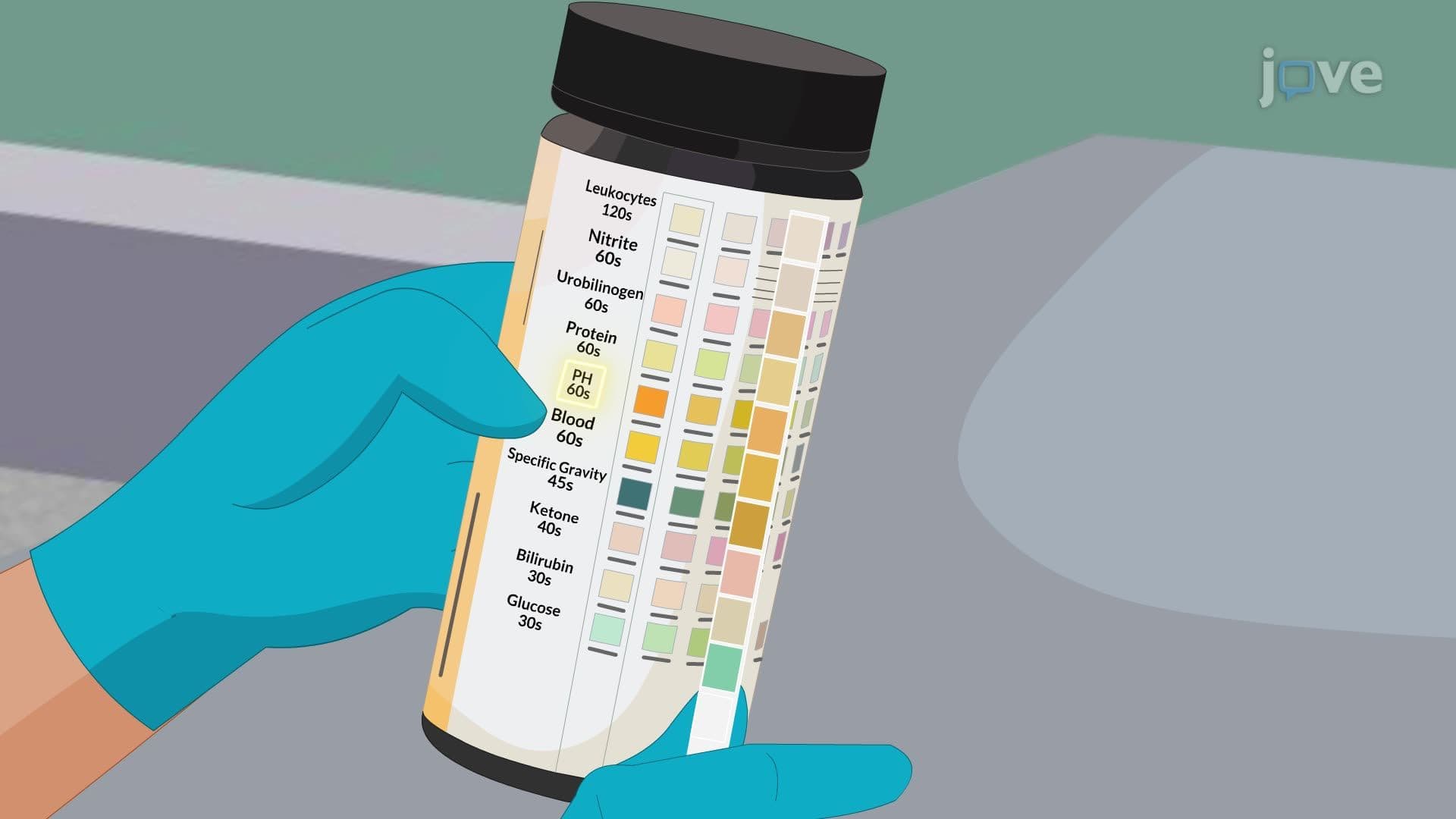
Blood chemistry panels reveal systemic abnormalities like hypercalcemia or hyperuricemia, guiding targeted interventions. For MCAT preparation, students should understand that urine pH measurements help differentiate stone types-acidic urine (pH <5.5) favors uric acid stones, while alkaline conditions promote struvite formation.
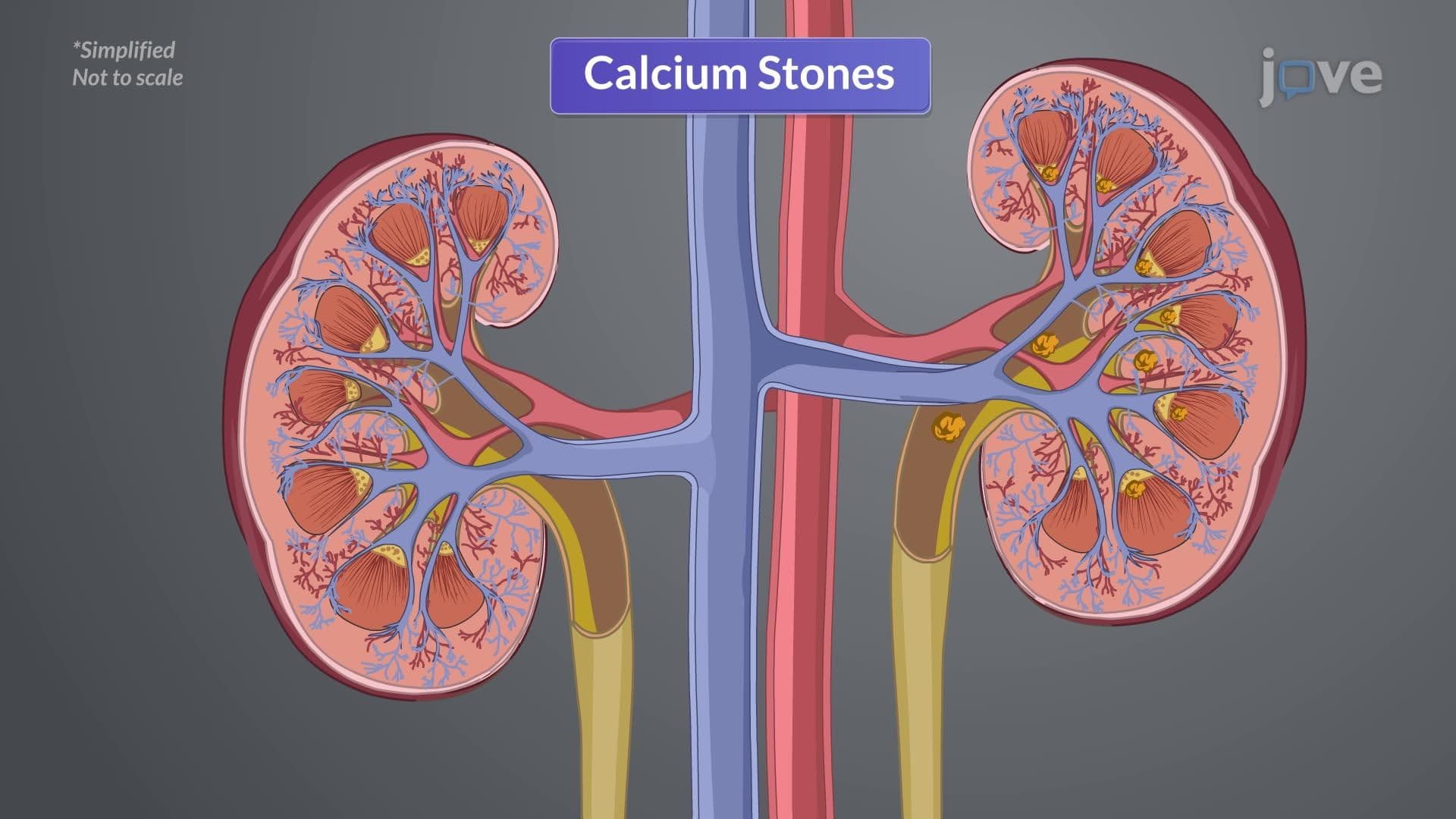
Calcium oxalate stones, comprising 80% of all kidney stones in the US population, respond excellently to thiazide diuretics like hydrochlorothiazide. These medications reduce urinary calcium excretion by enhancing renal tubular calcium reabsorption. Potassium citrate supplementation alkalinizes urine and provides citrate, a natural stone inhibitor that binds calcium ions.
Uric acid stones require different management strategies. Allopurinol reduces uric acid production by inhibiting xanthine oxidase, while potassium citrate maintains optimal urine pH above 6.0. This dual approach has shown remarkable success in dissolving existing stones and preventing recurrence.
Modern medical management protocols emphasize individualized treatment plans based on stone analysis and metabolic evaluations. Alpha-blockers like tamsulosin have transformed acute management by relaxing ureteral smooth muscle, reducing passage time and pain. US emergency departments now routinely prescribe these medications for stones 4-6mm in diameter, significantly reducing hospitalization rates and healthcare costs while improving patient satisfaction and outcomes.
Related Micro-courses