Loading subject page…

872 views

Video Summary: Urinary Tract Calculi Iv Nutrition Explained
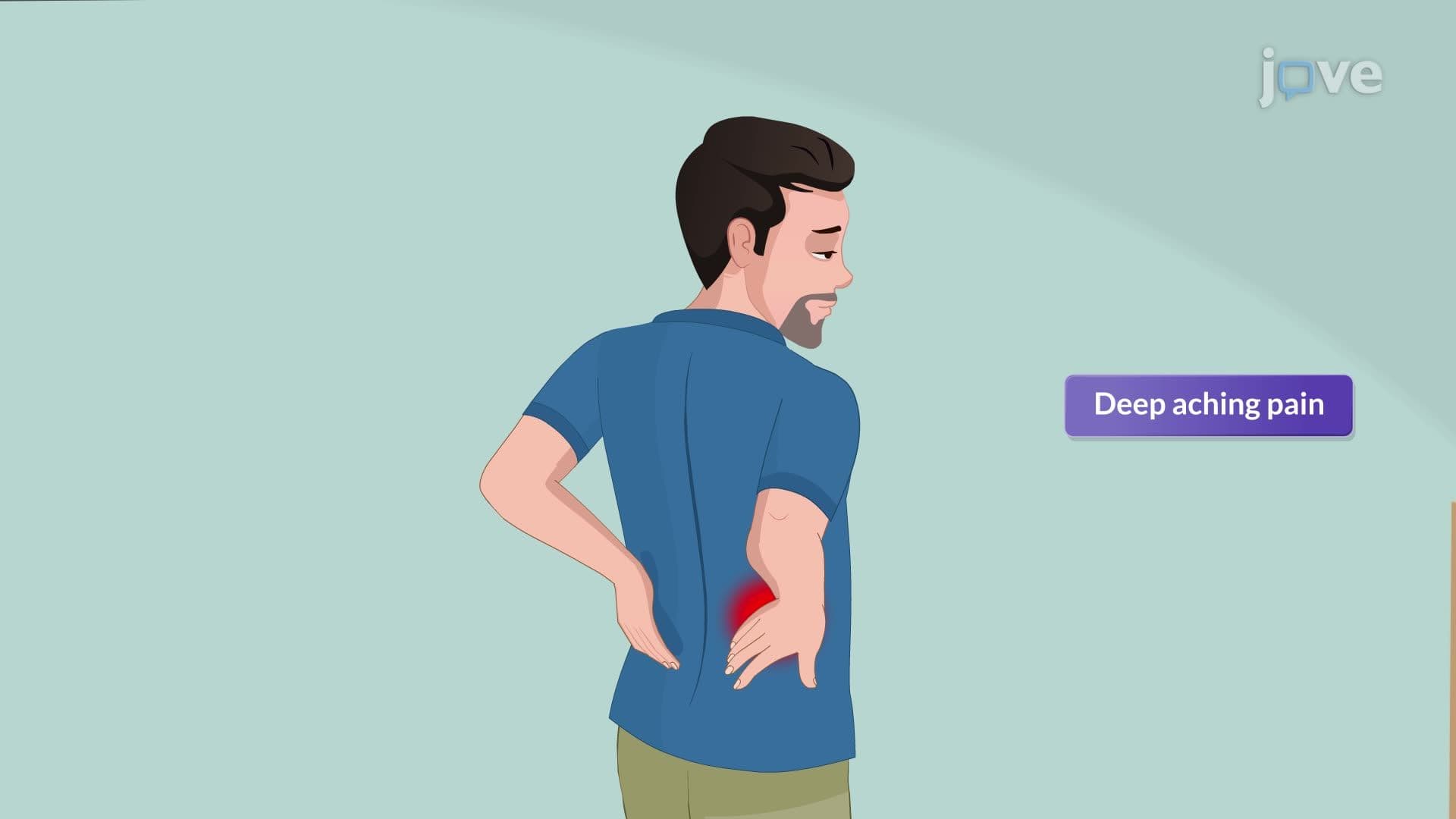
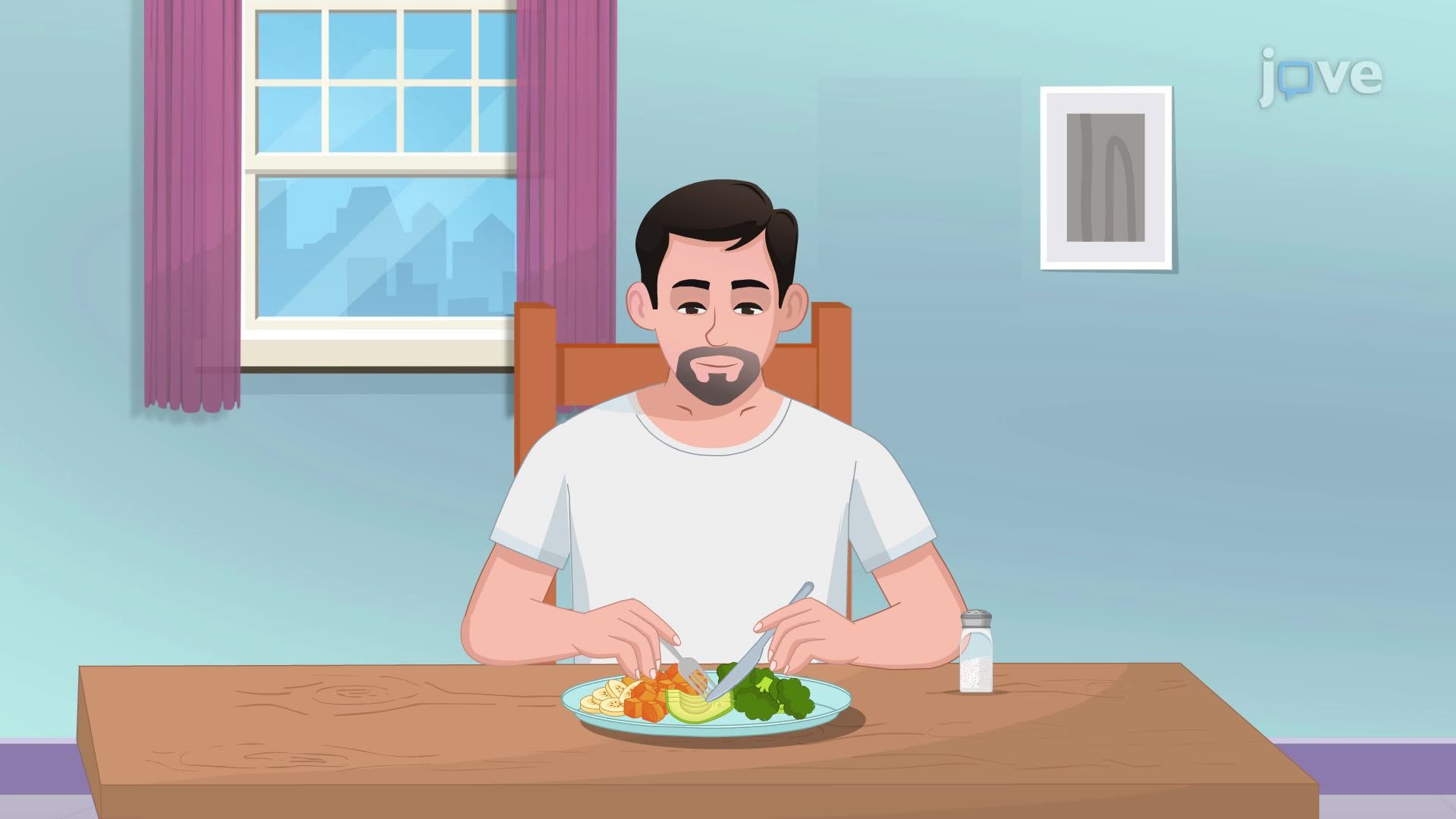
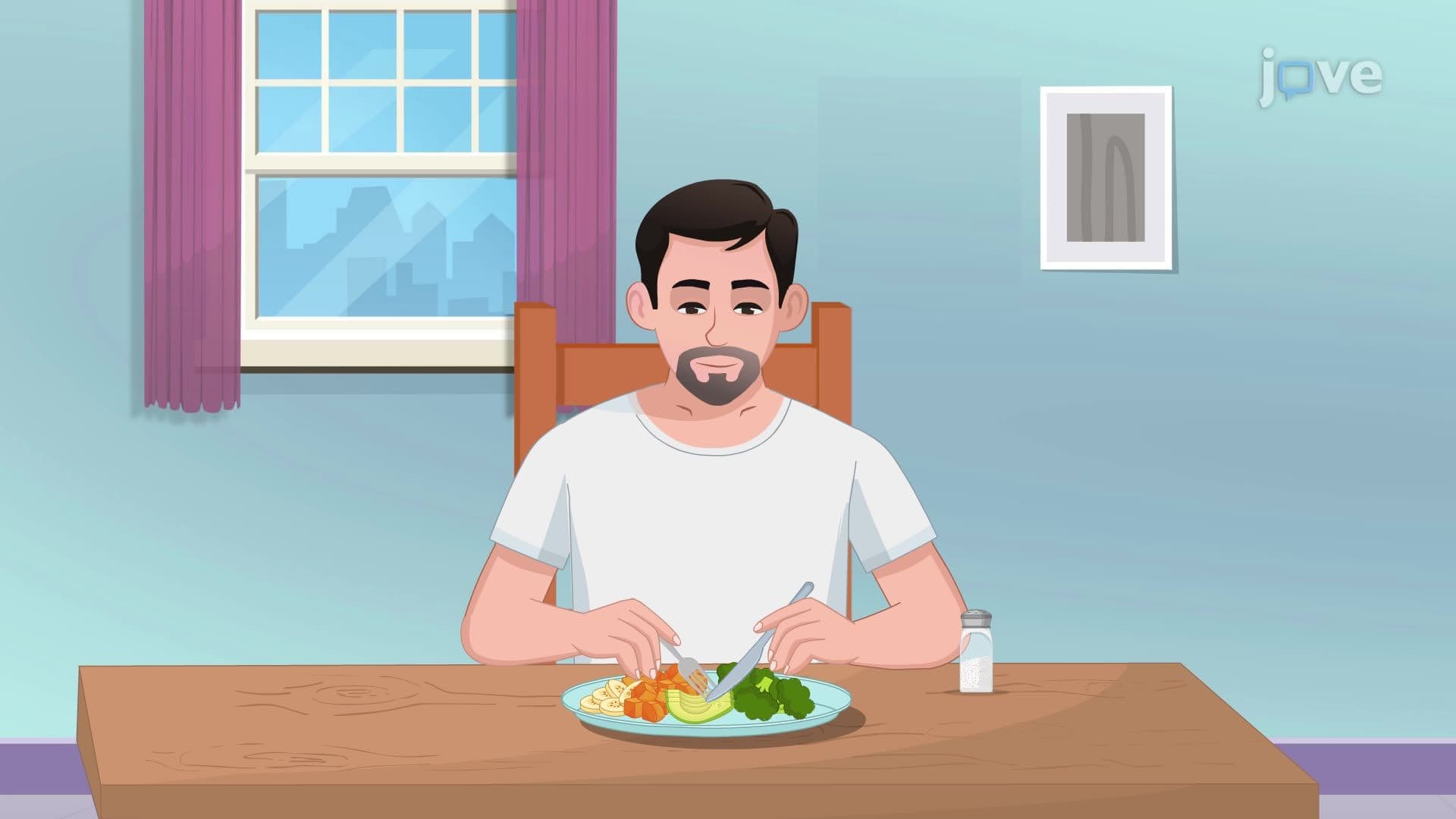
Did you know that nearly 1 in 10 Americans will develop kidney stones at some point in their lives? Urinary tract calculi IV nutrition focuses on how specific dietary interventions and fluid management can prevent and treat different types of kidney stones. For example, patients at Cleveland Clinic follow tailored nutrition plans-calcium stone sufferers limit dairy while uric acid stone patients reduce purine-rich foods like red meat. Understanding urinary tract calculi IV nutrition explained helps healthcare providers create personalized treatment protocols that significantly reduce stone recurrence rates. Watch the full video on JoVE Coach to master this concept with expert-led visuals and step-by-step explanations.
Urinary tract calculi IV nutrition represents a comprehensive approach to kidney stone management through targeted dietary modifications and fluid optimization. This medical specialty focuses on preventing stone recurrence by addressing the underlying metabolic factors that contribute to crystal formation and aggregation in the urinary system.
The foundation of this nutritional approach lies in understanding that different stone compositions require distinctly different dietary strategies. Unlike generic dietary advice, stone-specific nutrition protocols target the exact chemical pathways involved in each type of stone formation, making treatment more effective and personalized.
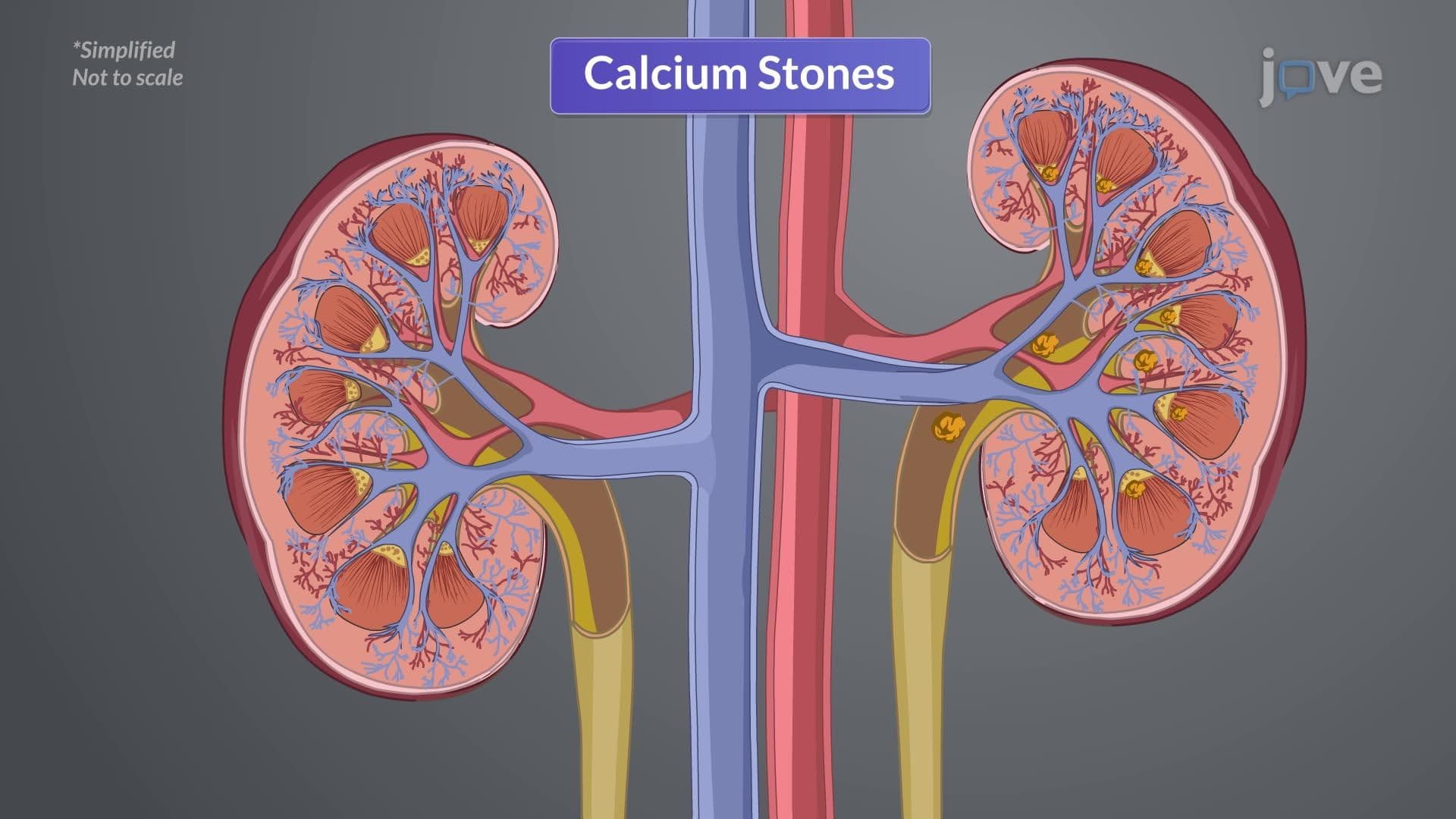
Calcium stone management involves a counterintuitive approach where moderate calcium intake is often maintained while focusing on reducing urinary calcium excretion through thiazide diuretics and dietary sodium restriction. Patients typically follow a 2-gram sodium diet, as excessive sodium increases calcium excretion through the kidneys. The Mayo Clinic's stone prevention program emphasizes that completely eliminating calcium can actually increase oxalate absorption and stone risk.
Uric acid stone prevention centers on purine restriction and urinary alkalinization. Patients avoid high-purine foods like organ meats, sardines, and anchovies while potentially receiving allopurinol to reduce uric acid production. This approach is particularly relevant for students studying for the MCAT, where purine metabolism pathways frequently appear in biochemistry sections.
Cystine stone management requires strict protein limitation since cystine derives from the amino acid cysteine. Patients typically consume less than 1 gram of protein per kilogram of body weight while using potassium citrate to maintain alkaline urine pH above 7.5.
The universal principle across all stone types involves aggressive fluid management to maintain dilute urine. The target of 3 liters daily fluid intake to produce 2.5 liters of urine output requires careful patient education and monitoring. Evening hydration becomes particularly crucial, as overnight urine concentration poses the highest risk for crystal formation.
Students preparing for NCLEX or HESI A2 exams should remember that cola avoidance relates to phosphoric acid content, which can promote calcium stone formation. Coffee and tea restriction addresses oxalate content, particularly relevant for oxalate stone formers who must also avoid spinach, nuts, and chocolate.
This nutritional approach appears frequently in AP Biology courses when studying homeostasis and in college-level physiology courses examining renal function and mineral metabolism.
Related Micro-courses